
‹
›
 facebook
 twitter
 linkedin
 google+
Description
What Is PVC Waterproofing Membrane?
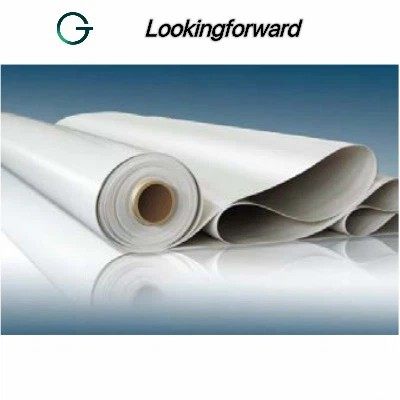
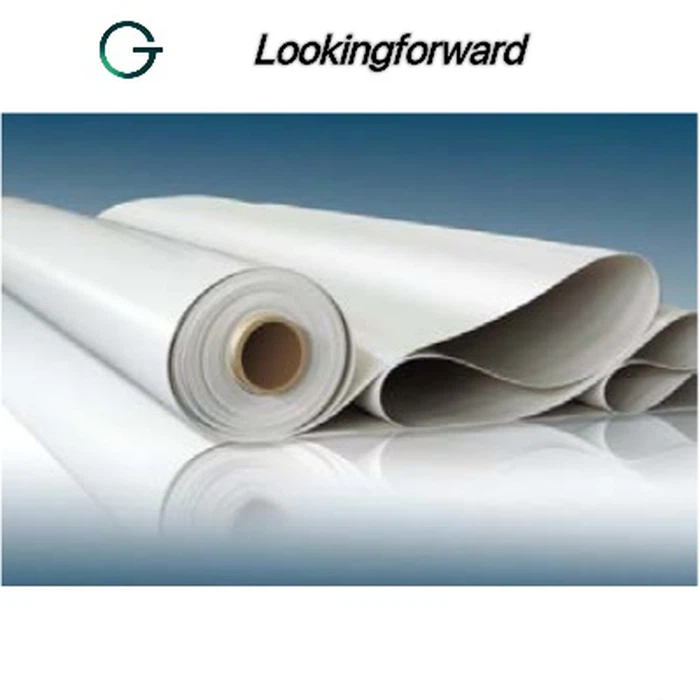
PVC waterproof membrane is a kind of polymer waterproof material with excellent performance, which uses polyvinyl chloride resin as the main raw material. All kinds of special additives and anti-aging components are added, and it is produced by advanced equipment and advanced technology. The product has stable performance, reliable quality and convenient construction.
Superior waterproofing properties:
PVC waterproofing membranes are known for their exceptional ability to prevent water infiltration. These membranes are designed to create a watertight barrier, ensuring that no moisture can penetrate the structure. This feature is particularly important in areas prone to heavy rainfall or high levels of humidity. By effectively preventing water penetration, pvc membranes help protect the building from potential water damage, such as leaks, mould, and deterioration.
Due to its water vapour transmission properties, these membranes can be installed over damp substrates and can easily handle ponding or excessive accumulation of water. In addition, pvc membranes don't require curing time to become waterproof, and their thickness will remain constant throughout the entire project. Structures are protected immediately by pvc sheet membranes, and finishes can be applied over them immediately.
Flexibility and durability:
One of the key advantages of PVC waterproofing membranes is their flexibility. These membranes can easily adapt to various surfaces and shapes, making them suitable for both flat and curved structures. Whether it is a roof, basement, or foundation, PVC membranes can be seamlessly installed to provide comprehensive waterproofing protection. Their robustness ensures that the waterproofing system remains intact for an extended period, minimizing the need for frequent repairs or replacements.
Energy efficient and low maintenance:
PVC waterproofing membranes offer excellent insulation properties, contributing to energy efficiency in buildings. By preventing water infiltration, these membranes help maintain a stable indoor temperature, reducing the need for excessive heating or cooling.
PVC single ply membranes have a high reflectivity index, meaning they reflect the sun's heat and UV radiation, keeping your building cooler in the summer, and requiring very little maintenance. This, in turn, leads to lower energy consumption and cost savings in the long run, whilst being attractive as a low-maintenance option.
Extremely weather resistant:
PVC membranes are highly durable and resistant to UV radiation and can withstand extreme weather conditions, including high winds and hail, without leaking or sustaining damage that could be caused in a storm. One of the main benefits of a PVC membrane is that it is resistant to lightning strikes and fire hazards by withstanding high heat and flames without burning, making it an ideal choice for commercial applications. Their flame-retardant properties can help to keep your building safe in the event of fire.
Environmentally friendly:
PVC waterproofing membranes are environmentally friendly compared to other traditional waterproofing methods. They are free from harmful substances like lead and mercury, making them safe for both human health and the environment. They are recyclable and can be repurposed into new PVC products, reducing waste that goes into landfill and promoting sustainability. Additionally, the long lifespan of PVC membranes minimizes the need for replacements, further reducing the environmental impact.
Easy installation and lower costs:
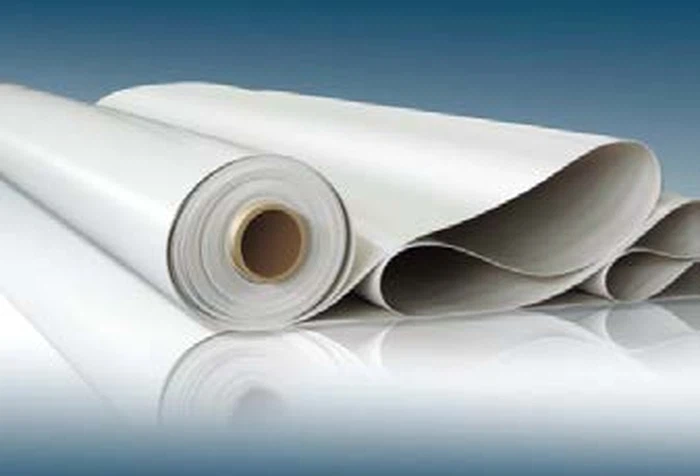
PVC waterproofing membranes are relatively simple to install, making them a cost-effective solution for waterproofing projects. These membranes are available in rolls, easily unrolled, and laid on the desired surface. Being a lightweight plasticized material, it is easy for a contractor to install and does not require any additional structural support, making it ideal for buildings with low-slope roofs or flat roofs.
The installation process is straightforward and requires minimal time and effort. This ease of installation not only saves labour costs but also reduces the overall construction timeline.
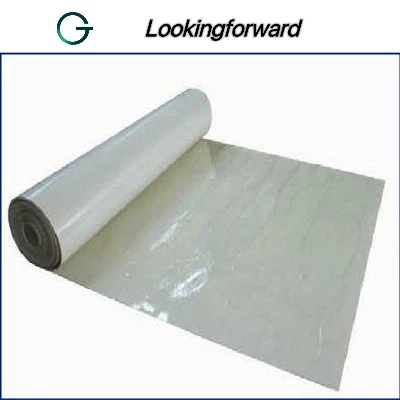
HDPE waterproofing membrane(Non-asphalt-based,self-adhesive) is composed of a polymer material as the substrate, coated with an environmentally friendly polymer self-adhesive adhesive layer that is not asphalt based; The aging resistance of the environmentally friendly polymer self-adhesive layer is greatly improved, which is superior to the aging performance of general polymer coil layers.
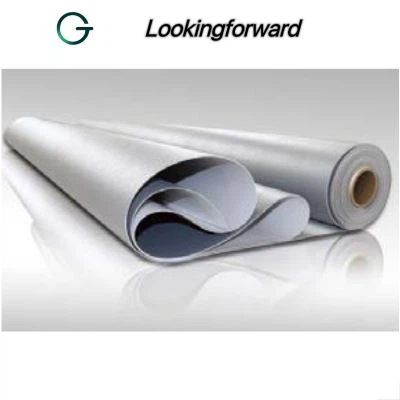
High quality thermoplastic polyolefin resin particles (TPO) are used as the base material, and advanced processing technology is adopted to make a rollable sheet waterproofing membrane.
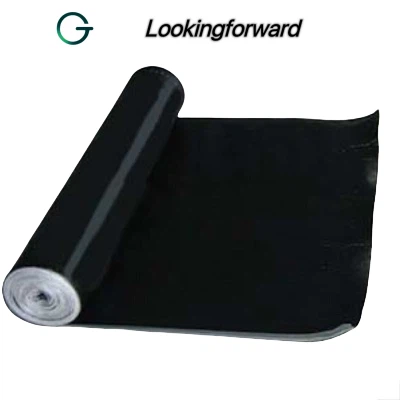
APP waterproof membrane is made of bitumen modified with Atactic-polypropylene as dipping and painting. Its upper surface covers PE membrane and color sand or schist, and lower surface is made of PE membrane or sand. Product types include normal SBS/APP, root resistance series, and mineral series.
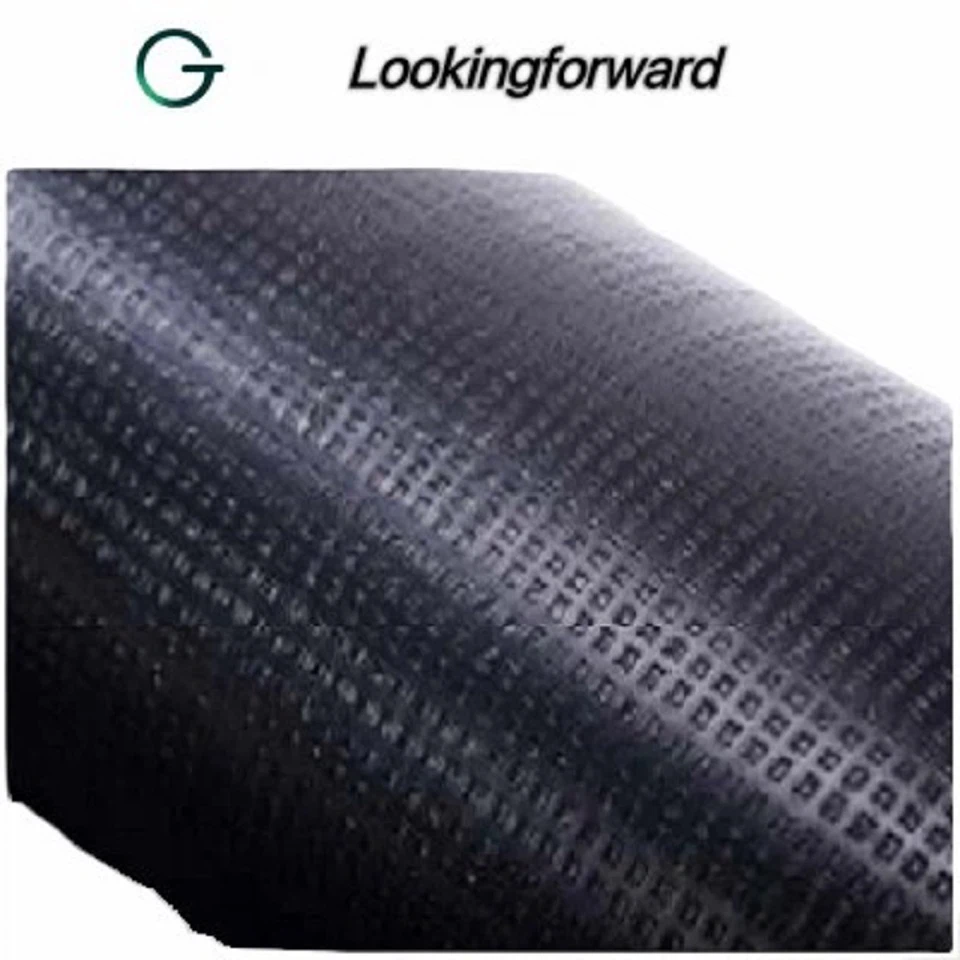
The product is made of elastomer (SBS) modified asphalt impregnated tire base, both sides coated with elastic or plastic body modified asphalt coating layer, the top surface is spread with fine sand, mineral particles (sheets) or polyethylene film.
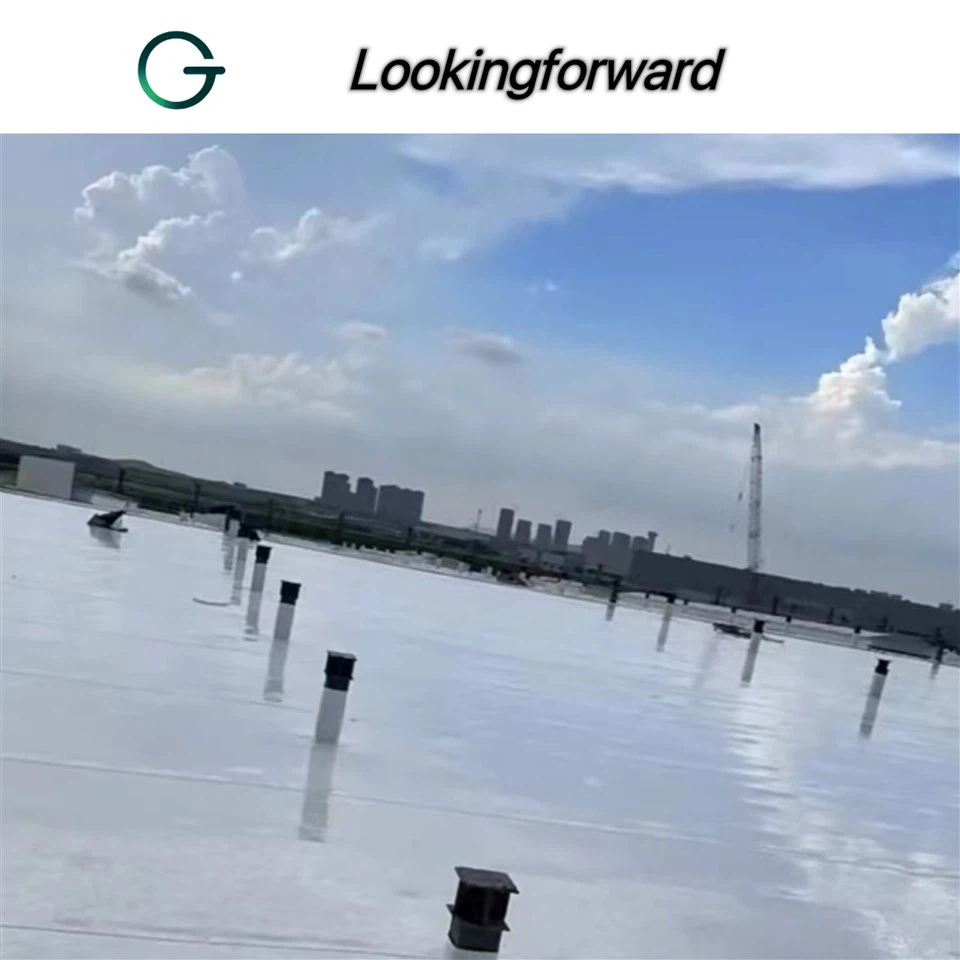
Polyvinyl chloride (PVC) waterproofing membrane is a polymer waterproof material with excellent performance, with polyvinyl chloride resin as the main raw material. Add all kinds of special additives and anti-aging components, and use advanced equipment and advanced technology to produce it. The product has the characteristics of high tensile strength, high elongation, small shrinkage, good low temperature flexibility and long service life. The product has stable performance, reliable quality and convenient construction.
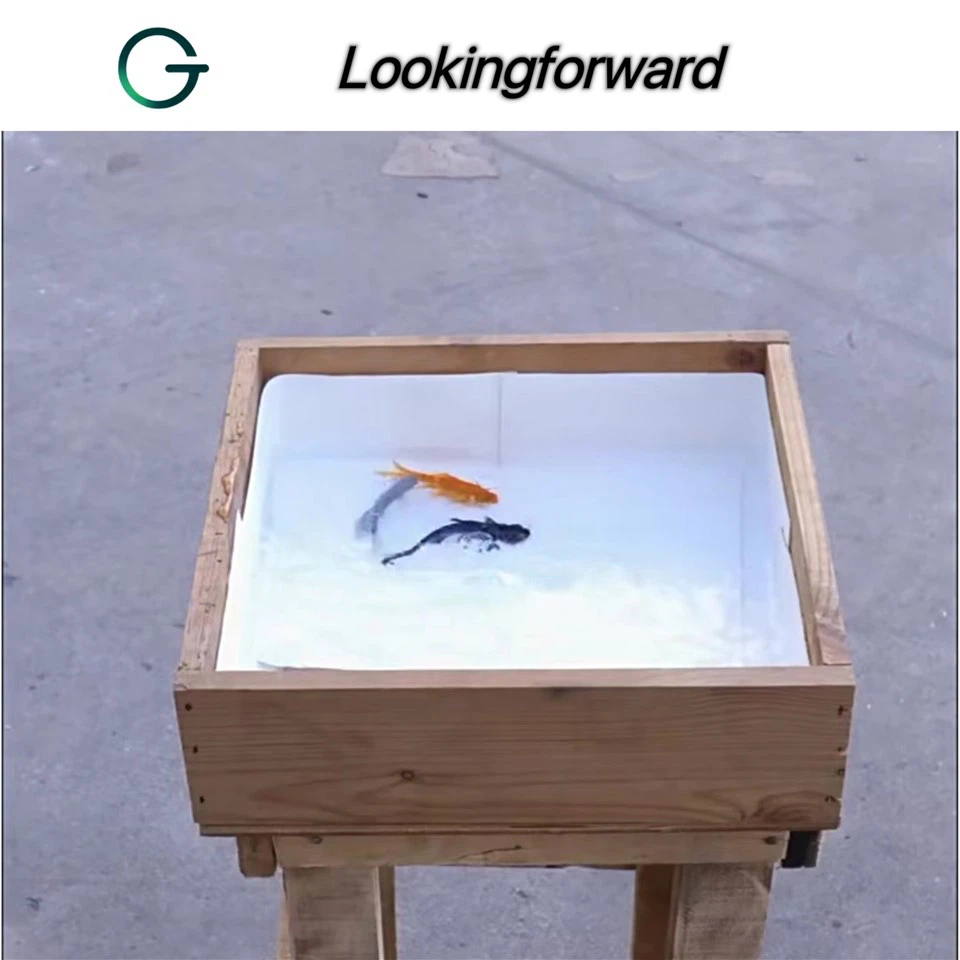
TPO waterproofing membrane is a new type of waterproofing membrane made of thermoplastic polyolefin (TPO) synthetic resin that combines ethylene propylene rubber and polypropylene with advanced polymerization technology as the base material, adding antioxidants, antioxidants, antioxidants, and softeners.
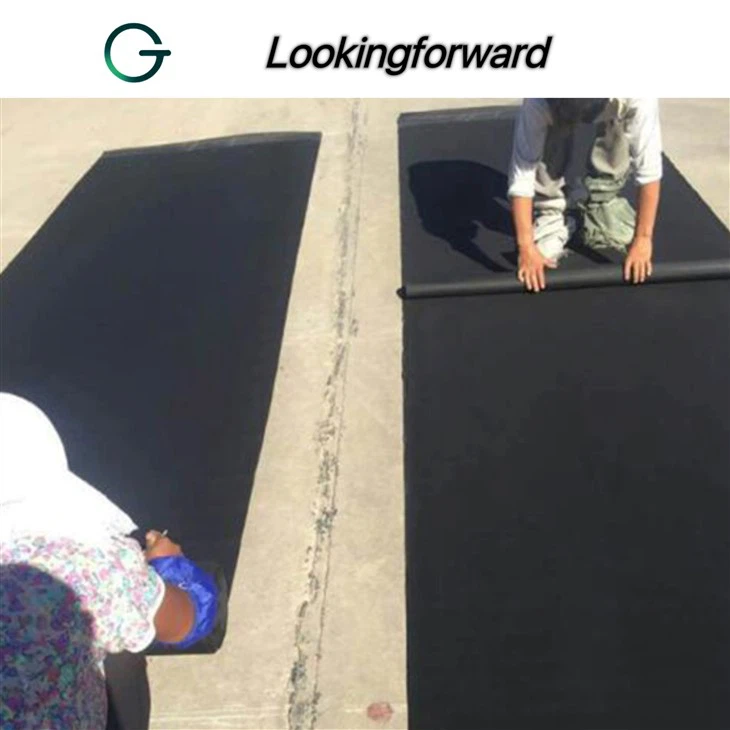
As a high-efficiency waterproofing material, EPDM waterproofing membrane performs excellently in various waterproofing projects. Its superior weather resistance, temperature tolerance, elasticity, and chemical resistance make it an ideal choice for roofing, underground engineering, tunnels, bridges, and water pools. Whether it is to withstand extreme weather or ensure waterproof performance in complex environments, EPDM waterproofing membrane provides exceptional solutions.
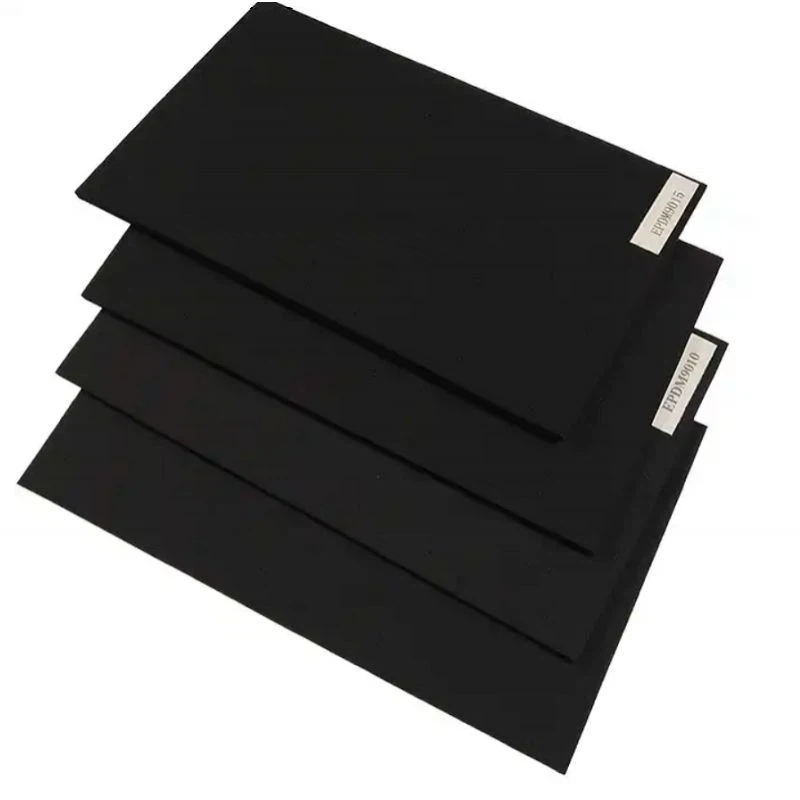
Epdm Pond Liner is a synthetic rubber, synthetic tire blends as the base material, adding reinforcing agents, softeners, antioxidants, curing agents processing aids to promote mixing by kneading, mixing, extrusion, rolling and curing, shaping and other processes can be processed into sheet curling volume of new high elastic waterproof material.
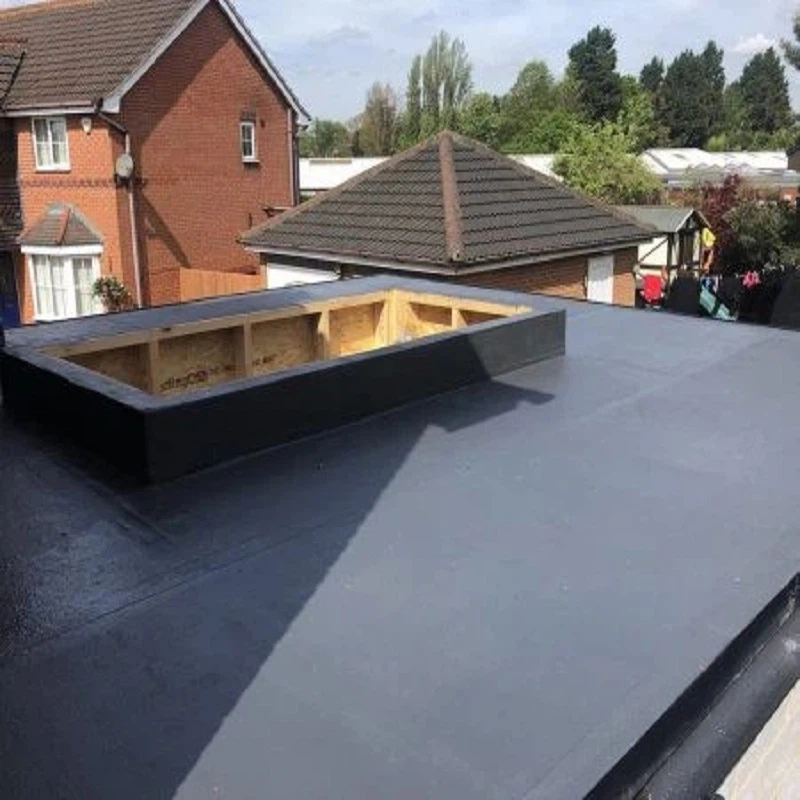
0.5mm 1mm 1.2mm 1.5mm EPDM Waterproof Membrane for Roof Waterproof Membrane for Foundation EPDM Pond Liner waterproof material.
Types of PVC Waterproofing Membrane
It is a waterproof membrane made of polyvinyl chloride copolymer, with excellent chemical resistance and aging resistance, suitable for waterproofing projects such as roofs, basements, tunnels, etc. of various buildings.
It is a composite waterproof membrane made of polyvinyl chloride copolymer and plastic reinforcement material, with high tensile strength and wear resistance, suitable for waterproofing of highways, bridges, basements and other engineering projects.
It is a composite waterproof membrane made of polyvinyl chloride copolymer and polyester fiber reinforcement material, with high tensile strength and wear resistance, suitable for waterproofing in bridges, tunnels, basements and other engineering projects.
It is a composite waterproof membrane made of polyvinyl chloride copolymer and ethylene vinyl acetate copolymer, with good flexibility and cold resistance, suitable for waterproof engineering in low-temperature areas.
It is a composite waterproof membrane made of polyvinyl chloride copolymer and fluorinated polymer, with excellent weather resistance and corrosion resistance, suitable for waterproof engineering in harsh environments such as marine engineering and chemical plants.
Roof
PVC waterproofing membranes are installed on roofs. PVC waterproofing membranes have properties that enhance their waterproofing, such as resistance to penetration and seepage and the ability to effectively stop water leaks. The type of PVC used for this purpose is usually a high-quality, durable PVC waterproofing membrane that is specifically designed to act as a permanent waterproof barrier.
Basement
PVC waterproofing membranes are installed on basement floors and walls to prevent water leaks, seepage, and penetration of basement walls. Basement waterproofing can be accomplished by using a reinforced PVC waterproofing membrane that is 1.2 mm thick, strong, and resistant to water penetration.
Bathroom
PVC waterproofing membranes can prevent water seepage and leaks on bathroom floors and walls. Bathroom waterproofing can be done using 1.2 to 2.0 mm thick PVC membranes. PVC waterproofing membranes provide an extremely strong waterproof barrier for bathroom walls, shower walls, and bathroom floors.
How to Maintain PVC Waterproofing Membrane
Conducting regular inspections is the first step in maintaining your PVC waterproofing membrane.
Inspect the Membrane: Check for any visible damages such as tears, punctures, or blisters. These may be signs that your waterproofing membrane requires repair or replacement.
Check for Water Intrusion: Look for signs of water intrusion in your property, such as mold, mildew, or damp spots. These could indicate a failure in the membrane system.
Keeping your PVC waterproofing membrane clean is another important part of maintenance.
Remove Debris: Clear away any debris on the membrane regularly to prevent buildup and potential damage.
Use Appropriate Cleaning Solutions: Only use cleaning solutions recommended by the manufacturer to avoid causing damage to the membrane.
While regular self-checks are important, scheduling professional inspections will ensure a thorough assessment of your membrane's condition.
Annual Inspections: At least once a year, hire a waterproofing professional to conduct a detailed inspection. They can detect issues that may not be visible to the untrained eye.
After Severe Weather Events: If your property experiences a significant storm or severe weather events, arrange a professional inspection. This can help identify any damage that might have occurred and needs immediate attention.
●Hot air welding, so as to ensure the effect of the weld.
●When laying PVC waterproofing membrane, attention should be paid to the temperature of the construction environment, and the temperature of the membrane should be above -5℃. When using the full adhesion method, the operating temperature of the waterproof membrane can only be above 5 ℃.
●When laying PVC waterproof membrane, special parts should be additional layers.
●Pay attention to construction protection. Before the end of daily construction, the waterproof membrane should be temporarily fixed to avoid being blown by the wind.
●The construction of the waterproof layer should be carried out after the end of the previous process, and no cross construction is allowed. If the equipment needs to be installed on the roof where the waterproof membrane has been laid, an additional layer should be applied to the base of the equipment.
How to Install The PVC Waterproofing Membrane
》The first step is always to clean the surface thoroughly for better adhesion. Typically pressure washing is used for cleaning the substrate as it helps to expose the details that need treatment. The surface is then dried using an air blower or torches.
》The next step is to apply the primer to the whole surface if it is porous or uneven. Before applying the primer, care should be taken that the surface must be completely dry.
》Silicon seal is used to fill the gaps and the excess is removed using a paint scraper. Let it rest for 24 hours before you start applying the waterproofing membrane.
》Before the installation of the PVC waterproofing membrane, an ISO or EPS foam board should be used for the insulation. This helps to save energy by reducing the heat loss.
》Regardless of the procedure, all the PVC waterproofing membranes are sealed with the hot-air welder. This ensures the seam strength and membrane resistance to wind blow-offs and leaks.
》There are three types of installation followed for PVC waterproofing membrane.
Fully-adhered assembly installation: In this case, a PVC membrane is attached to the substrate using a special adhesive. This process is recommended when PVC membranes cannot be easily attached using screws or fasteners. The drawback of this installation is that this is suitable for temperatures above 45°F. Otherwise, the membrane will not bond properly to the substrate causing bubbles and delamination problems.
Mechanically-attached assembly installation: In this type of installation, the PVC membrane is mechanically attached to the substrate using the barbed plates and screws. This is highly recommended to use in buildings that are located along the coast line, high hill, or high wind areas where the membranes are held tight to the surface without damages.
Ballasted installation: In this type of installation, the PVC membrane is laid across the substrate loosely without any glue or screws. The membranes are held in place with the ballast which could be made of concrete pavers, washed river rocks, etc., With good maintenance, PVC waterproofing membrane can last for almost 50 years without losing its reliability and its best characteristics.
Our Factory
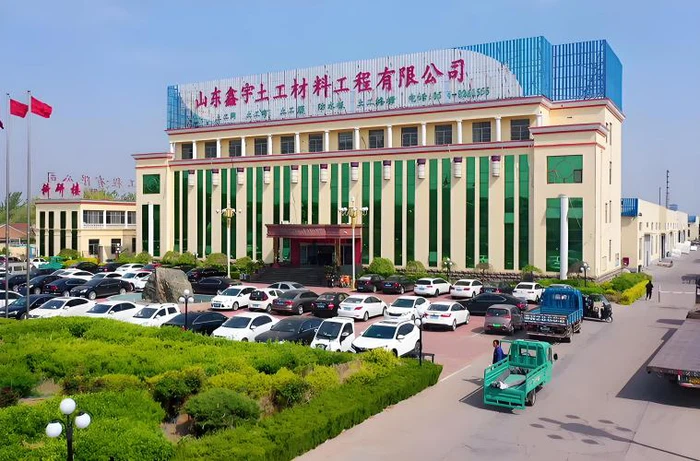
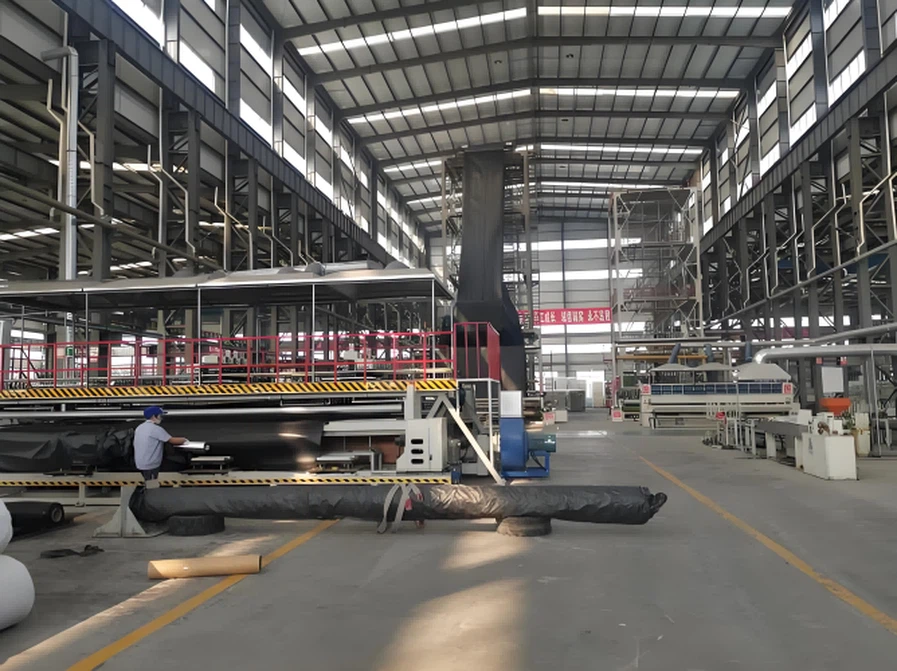
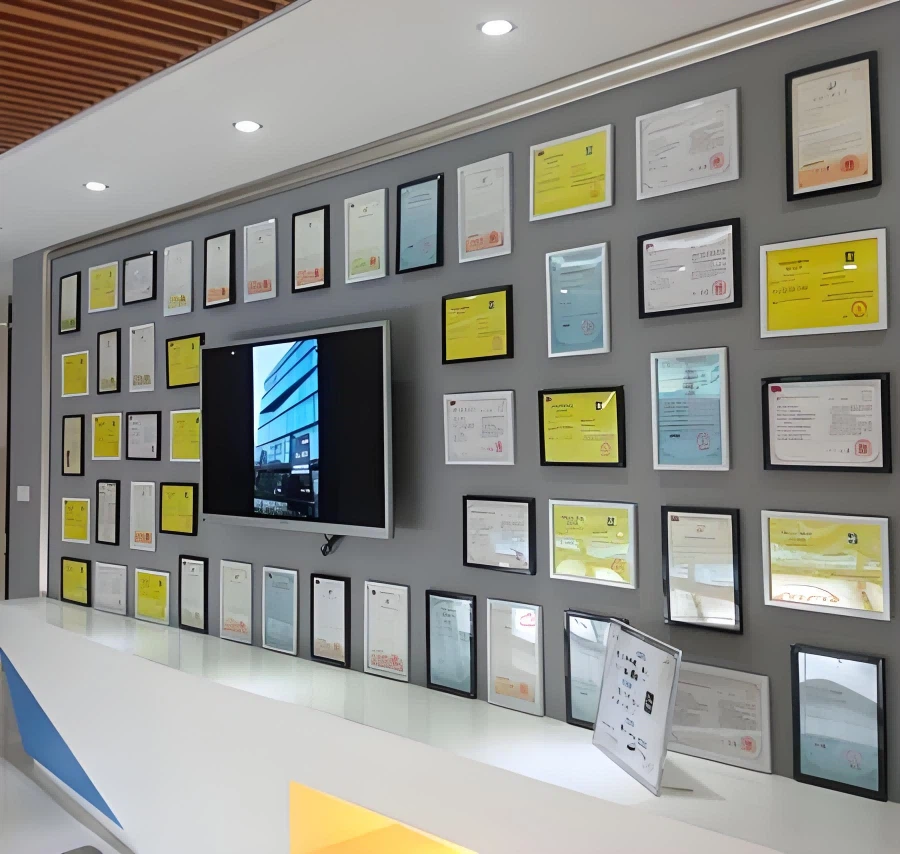
Our company is a Chinese company that provides anti-seepage solutions, products, and services for geosynthetics. Its main application areas include the landfill, storage, and management of solid, liquid, and gaseous hazardous waste in mining, petrochemicals, reservoirs, roads, tunnels, and aquaculture. The company's S team was established in 2002; The International Trading Company was established in 2023. For 21 years, we have been committed to producing and developing innovative geosynthetic anti-seepage products. The main products of the company are geotextile membrane, Geotextile, geogrid, geocell, geotextile composite drainage network, geotextile composite clay lining and other geotextile products.
FAQ
Send Inquiry
You Might Also Like
Categories