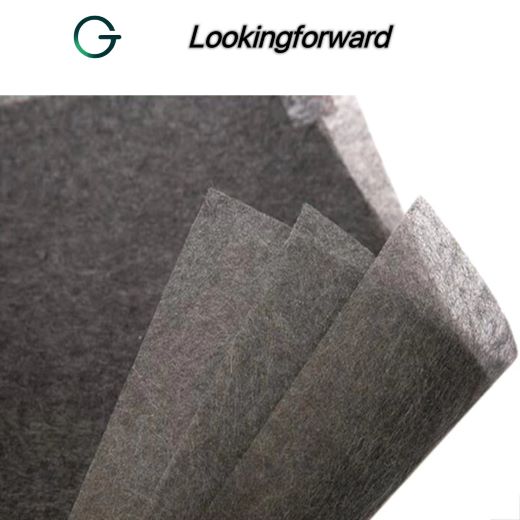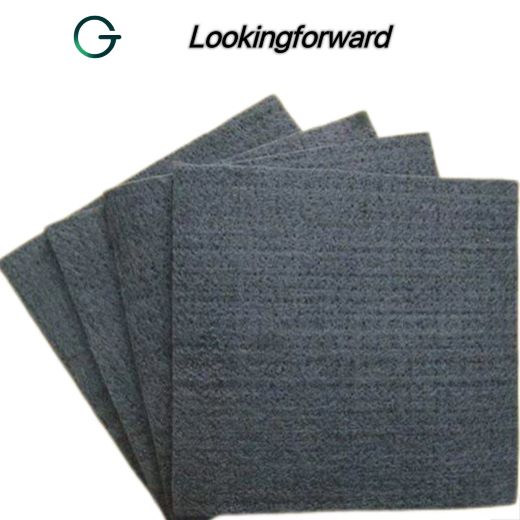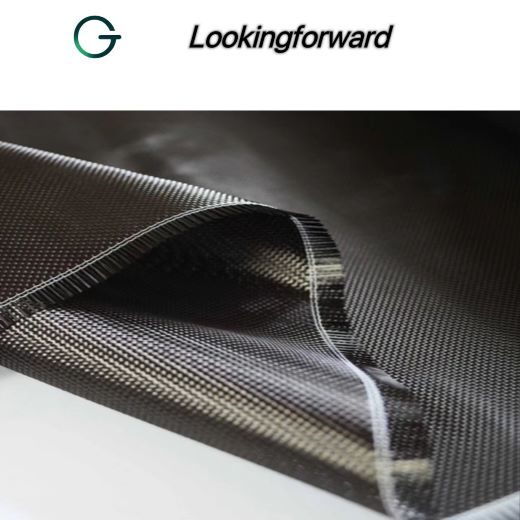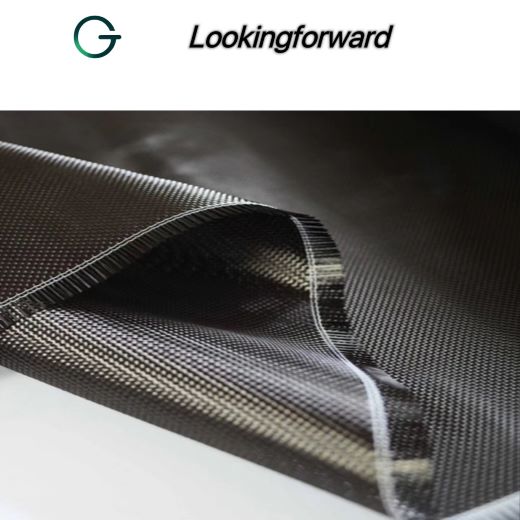
Wholesale Carbon Fiber Sheet Supplier


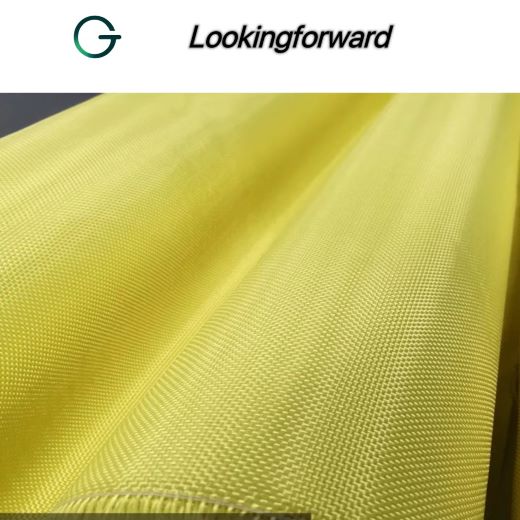
Our company is a leading composite weavingindustry, high-tech private enterprises. Focus on aerospace, raitransportation, military protection, sports, medical equipmentautomotive modification, building reinforcement and other areas offunctional and high-performance technical textiles. Professional carbonfiber, kevlar fiber, fabric,three-dimensional weaving and special textureof the mix, preg, Pu, forging in one of the deep processing innovation enterprise.


Overseas Cooperation
The company has established a global marketing network and established cooperative relationships with many overseas customers, enabling it to provide customers with high-quality services efficiently and conveniently.


Quality Assurance
In terms of quality assurance, the company strictly follows the standards and norms of the industry quality system. Adopt industry-leading testing equipment to ensure product quality and good reputation.


OEM/ODM
When you put forward your needs, our engineers will provide you with faster and more perfect customized solutions. We have a wide range of products, and we will provide technical support according to your actual needs to choose the right product for you.


Professional Service
We can accept factory inspection and cargo inspection at any time. New product research and development is carried out by professional personnel and comprehensive after-sales services are provided.

First
12
Last

What Is Carbon Fiber?


Carbon fiber is a material consisting of thin, strong crystalline filaments of carbon, essentially carbon atoms bonded together in long chains. The fibers are extremely stiff, strong, and light, and are used in many processes to create excellent structural materials. Carbon fiber offers a variety of benefits including:

●High stiffness and stiffness-to-weight ratio
●High tensile strength and strength-to-weight ratio
●High-temperature tolerance with special resins
●Low thermal expansion
●High chemical resistance

HDPE Textured Geomembrane


What Are Carbon Fiber Sheets?

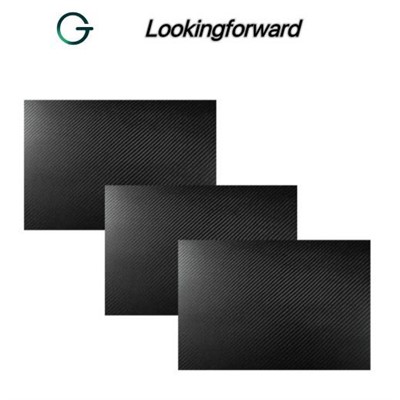
Carbon fiber sheets or composites are carbon fiber fabric infused with epoxy resins and then cured to become rigid. Sheets consist of multiple pieces of fabric and come in different sizes, thicknesses, and weaves. Sheets are flat, so they are typically useful on flat surfaces. The thicker the sheet is, the more rigid it becomes.


Each type of weave has distinct properties, uses, and appearance. Some weaves are stable but less pliable. Others are elegant but not strong. For instance, looser weaves make it easier to mold around complex shapes. But, it's also more likely for gaps to appear between fibers, and it's less stable.


We provides carbon fiber sheets along with professional advice. We also offer a sample pack containing 4" x 4" squares of our high-gloss, mirror-finish carbon fiber sheets in a variety of thicknesses and rigidity.

Advantages of Carbon Fiber Sheets


Lightweight: Carbon fibre is low in density, therefore extremely light. Due to its high strength to weight ratio, the carbon sheet is considered better than steel.


Low Thermal Expansion: One issue with the industrial materials is that they tend to expand or contract in temperature changes, which disturbs the overall performance of the industry. The carbon fibre sheet does not do that. It expands and contracts a lot less than other materials.


High Tensile Strength: When it comes to tensile strength, carbon sheet is one of the strongest among all other commercial fibres and sheets. Carbon sheets are difficult to bend or stretch.


Durability: Carbon fibre sheets do not wear out as easily as any other material. That is because they have exceptional fatigue properties.


Resistive Towards Corrosion: If the carbon fibre sheet is made with appropriate resin, it will be one of the most corrosion-resistant materials in the market.


Radiolucence: Carbon fibre sheets are invisible in x-rays and transparent to radiation. That’s why they have numerous medical applications.


Electrical Conductivity: They are good conductors of electricity, and this property increases their range of applications.


Ultraviolet Resistant: If proper resins are used, they will be UV resistant too.

The Primary Applications of Carbon Fiber Plates


Aerospace Applications

Carbon fiber plates are widely used in the aircraft industry where every pound saved is a precious pound that can be used elsewhere for payload. In fact, 30% of all carbon fiber manufactured is used in the aerospace industry. In addition to lightening the aircraft load, it is easier to maintain than metals and other traditional materials.

01

Military Use

In the field, military equipment must often be moved long distances with minimal resources in remote locations. Reduced equipment weight means reduced energy to move it. This equates to savings in time, gas, and cost. Carbon fiber plates are used in many military applications, from radar structures to tactical gear to drones used for surveillance missions.

02

Medical Uses

Because carbon fiber is radiolucent, which means it is transparent to x-rays and appears black in radiological images, it is an ideal material for many medical applications. In addition to maintaining critical strength and stiffness under load, carbon fiber will not break down, even after repeated exposure to x-ray or gamma-ray radiation. This makes carbon fiber plates perfect for imaging equipment structures as well as prosthetics. Carbon fiber is even being researched for use in strengthening damaged cruciate ligaments.

03

Carbon Fiber Plates at Home

Carbon fiber is the new black when it comes to home decor! Sleek, modern, and stylish, you can find all kinds of home products made with carbon fiber plates. Carbon fiber furniture is lightweight, durable, easy to keep clean, and offers a high-end, high-tech look. You can also find everything from phone cases to bathtubs to bow ties made of carbon fiber these days. The applications are limited only by one’s imagination.

04

Corporate Applications

Anyone who has worked a corporate trade show knows that your company’s booth needs to be portable, durable, and look better than everyone else’s. Carbon fiber plates once again offer the perfect solution. Booths constructed from carbon fiber offer a high-tech look that holds up to repeatedly being set up, taken down, and moved from city to city.

05


Manufacture Process of Carbon Fiber Sheet

For production, the carbon fibers are made by heating polymer fibers, usually made from a precursor material like polyacrylonitrile (PAN), rayon, or pitch, in a controlled environment to high temperatures. This process, called carbonization, eliminates non-carbon elements and creates a highly carbon-rich fiber.

●For the fiber treatment, the carbon fibers go through additional processes, such as surface treatment and sizing, to improve their adhesion properties and protect them during subsequent handling.
●For the sheet formation, the composite material is arranged in a specific pattern to create a fabric or unidirectional sheet. These fibers are typically woven together or aligned parallel to each other.
●The next step is resin impregnation, usually an epoxy or thermosetting polymer, to provide strength and rigidity. This is often done using vacuum infusion, applying resin to the fibers beforehand, or wet layup methods.
●For consolidation and curing the impregnated carbon fiber sheet is placed in a mold and subjected to heat and pressure to consolidate the layers and cure the resin. This process ensures the fibers adhere tightly and the resin hardens, resulting in a solid composite structure.
●Once the curing is complete, the carbon fiber sheet is trimmed to the desired shape and size. Additional finishing processes, such as sanding or coating, may be applied to achieve the desired surface finish and aesthetics.

Non Woven Geo Bags
Weaves of Carbon Fiber Sheet
 

Plain Weave
Plain weave, or 1x1 weave, carbon fiber fabric is symmetrical and resembles a checkerboard. The tows are woven in an over/under pattern, offering tightly interlaced fibers which are highly stable. Fabric stability refers to a material’s ability to maintain its fiber orientation and weave angle. Because of its high fabric stability, plain weave carbon fiber fabric doesn’t work well for complex contours because it is not particularly flexible. However, it is easier to handle without creating distortions in the fabric. Therefore, it works well for flat sheets, tubes, and two-dimensional curves.

Crimp is the curvature of a single fiber in a weave, and plain weave carbon fiber fabric has a harsh crimp due to the tight interlaces in the tows. This harsh crimp can create stress points that cause areas of weakness over time.


Twill Weave
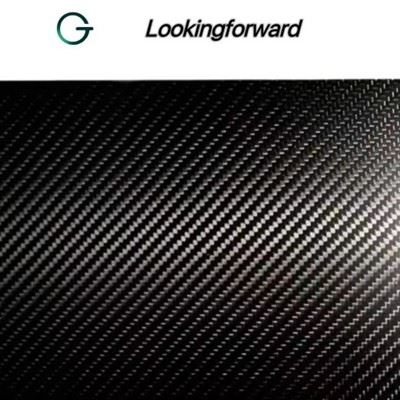
Twill weave consists of a 2x2 or 4x4 pattern and is the most commonly recognized type of carbon fiber fabric. In a 2x2 weave, each tow passes over two tows and then under two tows. It stands to reason, then, that a 4x4 weave consists of each tow passing over four tows and then under four tows. This over/under weaving creates a distinct diagonal pattern The distance between the tow interlaces in a twill weave is longer than with a plain weave. Therefore, fewer crimps occur, allowing less opportunity for stress points to be created.

Twill weave is pliable and can form to complex contours while still maintaining good stability. It must be handled more carefully than a plain weave fabric to avoid adding distortions to the weave. A 4x4 weave is easier to form than a 2x2 weave, but it also has less fabric stability.


Harness Satin Weave
The most common harness satin weaves are four harness satin (4HS), five harness satin (5HS), and eight harness satin (8HS). The number indicates the total number of tows passed over then under. For example, a 4HS weave consists of three tows passed over and then one passed under. For 5HS, four tows are passed over, and then one under, and 8HS is seven tows passed over and one under. The higher the satin weave number, the more formable and less stable it is.


Other Weaves
There are a number of other weaves that can be used to create carbon fiber fabrics. These include fish weave, spread tow, braids, unidirectional weave and custom weaves. Each weave contains unique properties that make it great for use in some designs and not a good choice for others. Many factors must be considered when determining which carbon fiber weave should be used for a particular function. These factors include strength, formability, stability, and crimp. Carbon fiber fabricators are experts in knowing which fabric to use for which design.

EPDM


Carbon Fiber Products

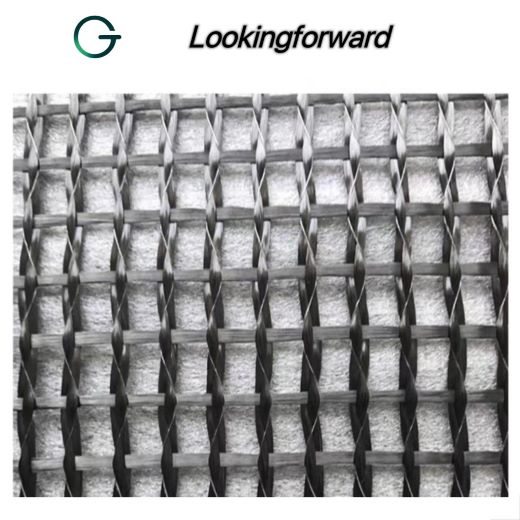
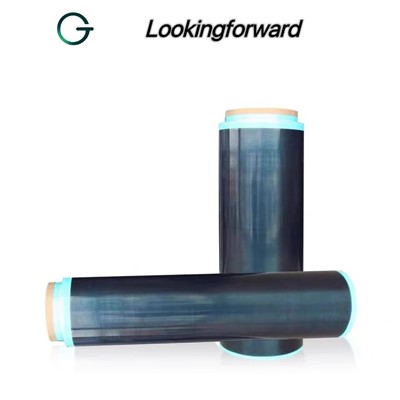
Fabric: Carbon fiber fabrics come in twill weave, plain weave, satin weave, and unidirectional. All of the fabrics feature the same strength, stiffness, and high-quality construction of all of our carbon fiber products.


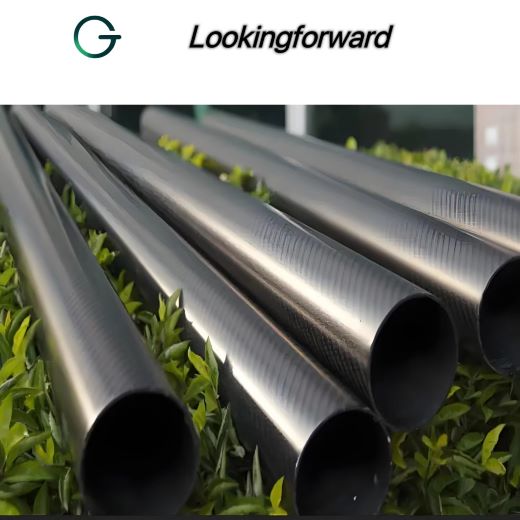
Sleeves: Carbon fiber sleeves easily slide over cylinders to create straight or tapered tubing. They conform to the shape of the product and improve performance while minimizing weight.


Tapes: While there is no adhesive on them, these carbon fiber tapes are called tapes because of their shape. They are used for the selective reinforcement of carbon fiber components.


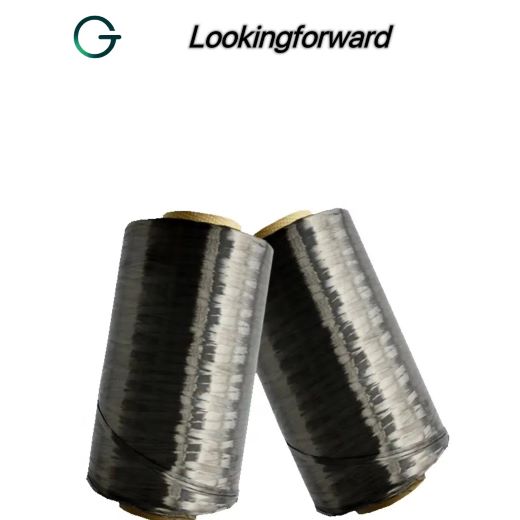
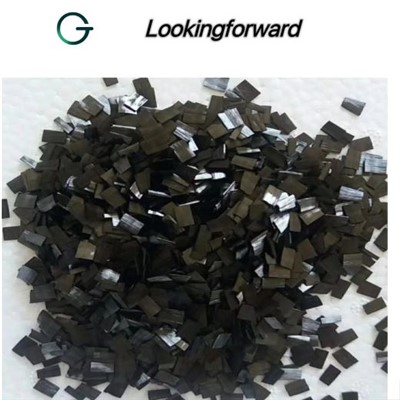
Tow: Carbon fiber tow is used to weave together carbon fiber fabrics. It can also be used to make wound parts, pultrusion, chopped carbon fibers, or as a local reinforcement.


Veil: While not intended for structural use, graphite veils are used as corrosion-resistant barriers. They can also reduce the build-up of static electricity in applications that involve explosive liquids or gases.

Selecting the Right Carbon Fiber Sheet


Once you’ve done your research and selected a top-notch carbon fiber sheet manufacturer you’ll need to know how to select the right type of carbon fiber sheet for your project. Here are a few questions to ask:


Is veneer strong enough for your project, or should you opt for a heavier-duty carbon fiber sheet?


What weave will work best for your project?
●Plain weave - a square weave
●Twill weave - a square weave with a diagonal pattern created by the pattern of fiber cross overs


What finish works best with your project?
●Glossy
●Matte
●Textured


Do you need quasi-isotropic carbon fiber sheets, or will 0°/90°sheets serve your purposes?

It is important to understand the characteristics of carbon fiber sheets and which ones will work best for your purposes. Researching and selecting a quality carbon fiber sheet manufacturer will ensure your ability to make these decisions with professional guidance.

 
Maintenance And Care of Carbon Fiber Sheet Parts

Regular Cleaning

Regular cleaning is crucial to remove any dirt or particles that may accumulate on the surface of carbon fiber parts. Use a soft, non-abrasive cloth to remove dust and residue. Avoid using aggressive chemicals as they could damage the carbon fiber finish. Instead, opt for warm water with a mild detergent if necessary.

UV Protection

Carbon fiber parts can be affected by the sun’s ultraviolet radiation over time. To protect them, apply a layer of wax or specialized sealant specifically designed for carbon fiber. This will help preserve their shine and prevent deterioration caused by UV rays.

Avoid Impacts and Scratches

Although carbon fiber parts are resistant, they can still suffer damage if heavy or sharp objects are placed on them. Avoid placing such objects on the parts and, if possible, store them in a secure place when not in use. In case of accidents or minor damages, it is advisable to consult a specialized professional for repair.

Periodic Inspection

Proper maintenance and care of carbon fiber parts are key to ensuring their proper functioning and prolonging their lifespan. By following regular cleaning practices, protecting against UV rays, preventing impacts and scratches, and conducting periodic inspections, you will be able to enjoy your investment in carbon fiber for a long time.


Ultimate FAQ Guide to Carbon Fiber Sheet
 

Q: What is carbon fiber sheets used for?

A: Carbon fiber sheets are commonly used for making picture frames and light fixtures. The material has a unique look compared to other materials. It gives a modern, futuristic feel to rooms, without the harshness metal or glass brings.

Q: What is carbon sheet used for?

A: Carbon paper is commonly used to transfer patterns onto glass in the creation of stained glass. Carbon paper disks are still used in school physics labs as part of experiments on projectile motion and position.

Q: What is carbon fiber mainly used for?

A: Carbon fiber-reinforced composite materials are used to make aircraft and spacecraft parts, racing car bodies, golf club shafts, bicycle frames, fishing rods, automobile springs, sailboat masts, and many other components where light weight and high strength are needed.

Q: What is carbon fiber cloth used for?

A: Some of its applications include ballistic Kevlar protection, carbon stiffening structures, and tactical handguards and scopes. Aerospace industries: Strength and weight savings are highly valued in the aerospace industry.

Q: Why carbon fibre is expensive?

A: These carbon fibers are then woven into a fabric, which is further treated with resin to create the final carbon fiber composite material. This process is time-consuming and requires specialized equipment, making it more expensive than traditional materials like steel or aluminum.

Q: What is the weakness of carbon fiber?

A: Carbon fiber will break or shatter when it's compressed, pushed beyond its strength capabilities, or exposed to high impact. It will crack if hit by a hammer. Machining and holes can also create weak areas that may increase its likelihood of breaking.

Q: Who uses carbon fiber?

A: Carbon fiber is a weaved mat of fibers that when impregnated and cured with resin, creates a material that is lighter and stronger than steel. It is used in high-performance applications in the aerospace, medical, construction, sports, marine, and military industries.

Q: Where is carbon fiber used the most?

A: The aerospace industry. In fact, 30% of all carbon fiber is used in the aerospace industry. From spacecraft and aircraft to helicopters and gliders, carbon fiber is everywhere in the modern aerospace industry.

Q: What is carbon fiber sheet made of?

A: Typically a lot of double sided carbon sheet is made using pre-preg carbon fibre cured in a press to achieve the high gloss finish on both sides. The other way to do it would be to resin infuse two 1mm sheets (which would be gloss A-side on one side) and then bond them together, back-to-back.

Q: Why is carbon fiber made?

A: Carbon fibres are important engineering materials when it comes to building airplanes, high-performance vehicles, sporting equipment and musical instruments, among many other things.

Q: Is carbon fiber a plastic?

A: Carbon fiber composite materials, also known as carbon fiber reinforced plastics (CFRP), are composite materials made of carbon fibers and resin (mainly epoxy resin). As light, strong, and hard materials, they are used in wide range of applications such as sporting goods, industrial, aircraft and automobile components.

Q: Is carbon fiber a fabric?

A: Carbon fiber fabric is just like other fabrics except it uses carbon fibers instead of cotton, nylon, polyester, etc. The weave is coarser than fabrics used for clothing is more like a heavy canvas. Carbon fiber fabric needs to be laminated with a matrix (i.e. epoxy resin) to form a rigid structure.

Q: Is carbon fiber cloth strong?

A: For being extraordinarily light in weight, carbon fiber boasts an extremely high stiffness and tensile strength. In addition to its natural strength and stiffness, carbon fiber is extremely resistant to heat and chemical abrasion making it a highly desirable material for various industrial uses.

Q: Are carbon fibers safe?

A: Carbon fibre doesn't pose a risk when in a dry fabric form or when cured in a resin matrix. Carbon fibres can become a fine dust released into the atmosphere during cutting, machining or mechanical finishing. These fibres may irritate the skin or mucous members, such as eyes and lungs.

Q: Is carbon fiber a metal or plastic?

A: Carbon fiber (CF) is considered as a ceramic material, while its precursor could be a polymer (polyacrylonitrile, PAN; regenerated cellulose, rayon).

Q: Is carbon fiber water proof?

A: If you need a material that is weather-resistant and waterproof, carbon fiber might be a top choice. Carbon fiber is waterproof and resistant to weather when treated to be so. It is suitable for products that need to be mould resistant and easy to clean and disinfect.

Q: Does carbon fiber crack easily?

A: That's because carbon fiber's incredible stiffness properties come at a price: On its own, it is quite brittle and prone to splitting and cracking. To preserve its abilities, it's suspended in a glue-like material called epoxy resin before it's molded, forming a composite material.

Q: Why not to use carbon fiber?

A: Carbon fibre is not currently biodegradable. Because carbon fibre is a composite built to hold its strength and shape - most carbon fibres are difficult to recycle and repurpose - especially since they cannot be melted down and used to make new products or items.

Q: How do they make carbon fiber sheets?

A: The easiest way to make carbon fiber sheets involves a process called layup, where layers of carbon fiber fabric are impregnated with resin and then laid up in a mold. The mold is then cured under heat and pressure to create the final carbon fiber sheet.

Q: Is carbon fiber sheet flexible?

A: This sheet is flexible, but usually used in flat form. It can be bent around a 10 to 12 inch diameter pipe and works well as a semi-rigid veneer, or a light structural material.

Q: Is carbon fiber human made?

A: Carbon Fiber Textiles are man-made fibers, or threads, that are comprised mainly of carbon atoms. The fibers measure anywhere from five to ten micrometers in diameter. Carbon fiber textiles are most commonly used in aerospace, military, and motorsports, because they are strong and durable.

Q: Is carbon fiber flammable?

A: CF is considered non-combustible. Thermal oxidation of CF is also not considered because this only happens at very high temperatures (over 600 °C) long after losing their strength.

Q: What does carbon fiber look like?

A: Carbon fiber is made in black strands or yarns called "Tows" and comes in a variety of formats, including spools of tow, unidirectional formats, weaves, braids, and others, which are used to create carbon fiber composite parts.

Q: How strong is carbon fiber sheets?

A: The modulus of carbon fiber is typically 34 MSI (234 Gpa). The ultimate tensile strength of Carbon Fiber is typically 600-700 KSI (4-4.8 Gpa).

We're well-known as one of the leading carbon fiber fabric manufacturers and suppliers in China. If you're going to buy high quality carbon fiber fabric at competitive price, welcome to get more information from our factory.

geotextile slope materials, driveway drainage cell, porous drain cell