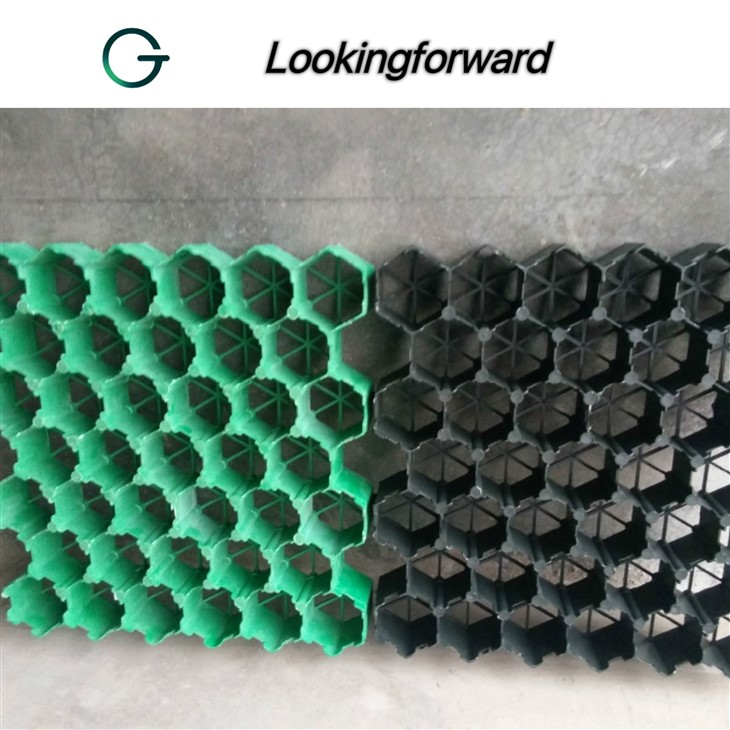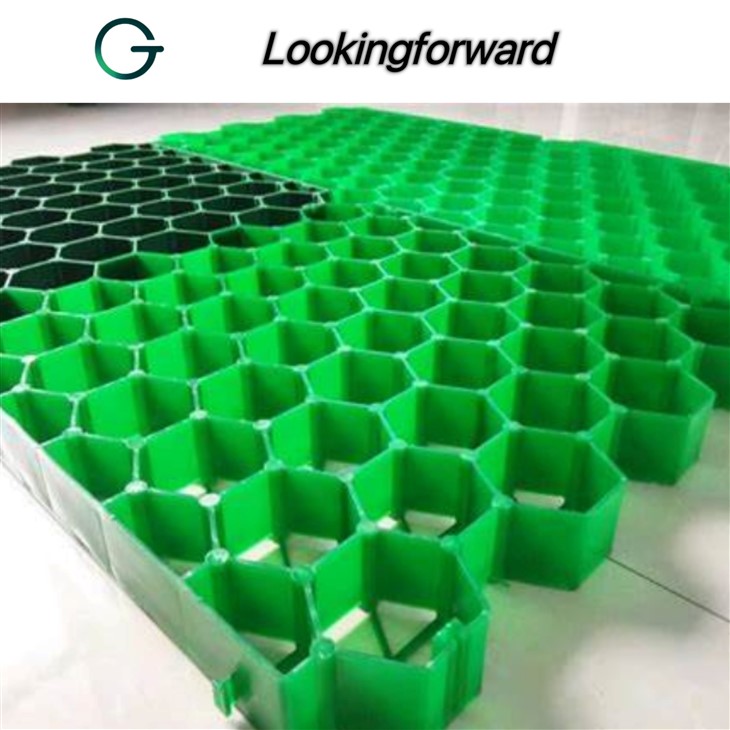
What Is Grass Paver?


Grass Pavers are environmentally friendly. They are made from UV stabilized, 100% recycle polypropylene. Grass Pavers are chemically inert and non-toxic. They allow the drainage of storm water back into the underground soil. This helps keep your property hydrated and reduces runoff into local sewer systems. Grass Pavers provide simple answers to the complicated problems associated with supplying functional areas, while maintaining green space and dealing with storm water management compliance.


Advantages of Grass Paver


Grass paver are eco sustainable
One of the top benefits of grass paver is that they are eco-friendly and align with the guidelines of natural conservation. It also helps in reducing carbon dioxide from nature by absorbing it within the green paver.


Grass paver are easy to install
Grass driveway paver are easy to install and you can install them in your house’s pavement, or driveway without the help of an expert.


Load-supporting capacity
Grass paver are generally made of pre-cast concrete which makes them the ideal choice to have if you are looking for durable, strong, and load-bearing paver that can stay strong.


Versatile designs of grass paver
Grass paver offer an aesthetic blend of nature in their look and style. It is not only eco-friendly but also offers a fresh and versatile treat to the eyes.Many builders and promoters are opting for grass paver as they are durable and can make a portion of a place look beautiful with its beautiful aesthetics.


Grass paver need low maintenance
Grass paver are ideal for homes as they need almost zero maintenance, unlike asphalt paver. You can maintain a grass paver at your home without the help of anyone as it is durable and does not break down into pieces over time. Regular trimming of the grass and watering is enough for the maintenance of the grass paver.


Incentives for ecological sustainability
Projects that follow the guidelines of sustainability and prioritize greenery are rewarded by many government and local bodies in the form of tax grants and credits.


Grass paver expand property value
If you want to make the exteriors of your home look beautiful and natural then grass pavers are a great fit for your home. It can increase your property value with its simple yet natural aesthetics.


Grass pavers are cost effective
Grass paver may initially pinch your pocket more than any traditional or asphalt pavers. But trust us, it is a great choice for long-term values as it needs low maintenance and is durable enough to stay strong for years.


Grass pavers are good agent for noise reduction
Grass paver have insulating properties that make them ideal to be used on highways, driveways, public pavements, and parking lots as they can reduce noise pollution to an extent.


Why Choose Us


Our factory
Our company is a Chinese company that provides anti-seepage solutions, products, and services for geosynthetics.


Overseas Cooperation
The company has established a global marketing network and established cooperative relationships with many overseas customers, enabling it to provide customers with high-quality services efficiently and conveniently.


Quality Assurance
In terms of quality assurance, the company strictly follows the standards and norms of the industry quality system. Adopt industry-leading testing equipment to ensure product quality and good reputation.


OEM/ODM
When you put forward your needs, our engineers will provide you with faster and more perfect customized solutions. We have a wide range of products, and we will provide technical support according to your actual needs to choose the right product for you.


Professional Service
We can accept factory inspection and cargo inspection at any time. New product research and development is carried out by professional personnel and comprehensive after-sales services are provided.


Types of Grass Paver


Concrete

Concrete grass pavers are the sturdiest for driveways, parking areas, and other heavy- or high-traffic locations because the strength of concrete gives it staying power under heavy vehicles. This type is the most costly, but it will last the longest and give you the most flexibility.


Plastic

Plastic pavers are the most affordable and can be the easiest to install. However, they won’t bear as much weight as concrete pavers, so you’ll want to install them where they will only have to support the weight of small vehicles, infrequent light vehicle parking, or foot traffic.
If you intend to make a pathway with plastic grass pavers, choose ones with smaller cells to make walking on them easier. You can also use them with concrete pavers to save money in mixed-use areas that require stronger pavers alongside less sturdy plastic grass paver blocks.


Stable grid pavers

Stable grid pavers are more like thick plastic netting than true pavers, but they serve a similar purpose. They’re often used on slopes where erosion is happening, has, or could happen. When stretched over the ground, the plastic mesh cells make room for soil and grass. The plastic grids help hold the grass in place as it puts down roots and prevent water and other erosive elements from washing or blowing the soil and grass away.


Application of Grass Paver

Driveways

Grass paver blocks can be a fantastic choice for driveways, but they require an additional support system of gravel or sand to withstand the weight of vehicles. This added layer also aids in filtering rainwater runoff, making them an eco-friendly option for driveways.

Parking areas

If your property serves as a gathering spot for friends and family, grass paver blocks can extend your parking area without sacrificing precious green space. Businesses also use them in parking lots, providing an environmentally conscious solution.

Grass Parking Grid
Grass Grid Pavers

Walkways

Incorporate grass paver blocks into your garden pathways to enhance stability while adding a touch of style. Various patterns, such as herringbone or grid layouts, allow for artistic expression in your landscape design.

Sloped areas

Grass paver blocks can help prevent erosion, making them invaluable for sloped sections of your property, especially in regions prone to heavy rainfall.


How to Maintain Grass Paver


Established grass pavers require occasional watering and mowing similar to any turf system. Trim grass and remove weeds occasionally for good performance.

Remove any debris present and dispose of appropriately. Keep salt away from grass; it will kill grass. Pull all weeds and invasive plants out by the roots to help prevent them From returning Replace mulch where it has been depleted. Replant surrounding vegetation if necessary.

If the addition of vegetation and mulch does not solve the erosion, contact your watershed district’s district inspector for guidance on additional erosion control methods.

Repair or replace pavers if pavers are no longer structurally performing. In most cases a few small cracks will not affect performance.

Where grass has not established or has been depleted, add additional seed and follow an appropriate watering regimen until grass is established. If grass won’t establish, there could be sediment accumulation in the topsoil. Remove topsoil and add new soil and Seed in the voids where grass won’t establish. Make sure grass is established before allowing tires on grass. Consider using gravel instead of grass if problems persist.


How to compare grass pavers?


》Determine the material that comprises the grass pavers. Some pavers contain several materials, while others use mainly concrete, asphalt or plastic. Concrete materials tend to withstand heavy traffic and sunlight better than plastic, while plastic can last longer than asphalt in climates with extreme temperature fluctuations. Plastic is sturdy enough to suffice in areas subject to foot traffic, while driveways and golf cart trails require the considerable strength and durability provided by thick concrete and asphalt pavers.


》Check the weight of your grass pavers. Although concrete pavers provide structural support in many industrial areas, parks and sporting fields, the substantial weight can make them difficult for individual homeowners to transport and install. Select lightweight materials, such as plastic and resin, to avoid lifting and moving cumbersome concrete pavers.


》Compare the size of the grid areas within the pavers. This element can help you decide which pavers work best for your specific application. Large, open grids allow you to grow grass or other vegetative ground covers within the pavers. Some pavers come already packed with grass seeds, while others allow you to fill the grid holes with your own soil and seeds after installation. Smaller grid holes may help deter the growth of undesirable vegetation and weeds. Smaller holes in finer weaves, however, can clog with dirt and debris, especially in areas where foot traffic tends to spread mud over the surface of the grass pavers.


》Estimate the amount of porosity you require when selecting grass pavers. Grass pavers can reduce the pressure on drainage systems, as well as help redirect run-off that may lead to soil erosion. If you only require a few feet of pavers to create a small path or to replace a section of barn flooring, the more expensive pavers may appeal to you. If your paving project is extensive, however, as in the case of a parking lot or long drainage channel, you may decide to go with the cheaper materials to save money.


How to Install The Grass Paver
Grass Parking Grid
Grass Grid Pavers
Grass Parking Grid
Grass Grid Pavers

Proper planning of the installation process
Before executing the outdoor pavers with grass, you must be ready with all the installation equipment for faster work. You should keep all the necessary tools and equipment handy so that you don’t have to waste time searching for the materials once you start the process.


Assess the area
One of the important steps that you must not skip while installing pavers with grass in between is to check the site thoroughly. You must assess which area is suitable for the concrete grass grid pavers.
Check the soil type, proper drainage of water, and sloping edge needed for the water to pass.


Visualize the design layout of patio pavers over grass
Before moving ahead with the installation process. You should think of a design you want to give to the area where you will be installing the pavers with holes for grass. This will help you to achieve the ultimate aesthetic look of the grass pavers.


Mark and prep the area
Start with marking the area where you will be fixing the grass pavers with paint to outline. This will help you to easily install the grass paver.


Prepare the base
Prepare the base area that you want to excavate by watering the area. You should also measure the area level for proper fitting of the stone pavers with grass in between. Once you are done with that, use concrete base products like sand and stone to make the base strong.


Install the concrete pavers with holes for grass
Once the base is prepared, you can now start laying the grass pavers in the desired outline. Take care of the paver’s depth for proper fitting so it does not come out over time.
Use a hammer to lock the sides of the paver to the ground level to secure it tightly. Remember, securing the grass paver properly during the installation process is very important. Any dislocation in the grass paver outline can cause the paver to come out abruptly later.


Start filling the paver’s hole with soil
Once you have installed the grass paver properly and safely, start filling the permeable grass pavers with soil. You can use a level to check if the soil is properly fitted to the paver’s depth on the topmost block.


Put the grass seeds in the soil
Once all the pavers are filled with soil in the desired outline or design. You can not start planting the seeds on the soil in between the brick pavers with grass in between.
Remember to rake the soil in between so that the seeds get the needed air to grow properly. You should also choose a seed type that is suitable for your soil type and climate.


Water the seeds in the grass paver
To finish off with the installation process, water the seeds that you have planted inside the grass paver to ensure proper germination.
While watering at regular intervals is important after planting the seeds. You should keep in mind to not overwater the seeds. Ensure proper sunlight too for healthy growth of the grass and plants.


Pay attention to proper maintenance
Grass pavers need more attention and care than any cemented paver so that the seeds can form into grass and plants. This will ensure your paver with vibrant greenery.


Trim the grass regularly
Grass pavers need proper maintenance and this includes trimming the grass regularly with a mow. So that, the grass does not overgrow or fall out of the pavers.


Our Factory


202407251705527ff90.jpg (427×281)


Our company is a Chinese company that provides anti-seepage solutions, products, and services for geosynthetics. Its main application areas include the landfill, storage, and management of solid, liquid, and gaseous hazardous waste in mining, petrochemicals, reservoirs, roads, tunnels, and aquaculture. The company's S team was established in 2002; The International Trading Company was established in 2023. For 21 years, we have been committed to producing and developing innovative geosynthetic anti-seepage products. The main products of the company are geotextile membrane, Geotextile, geogrid, geocell, geotextile composite drainage network, geotextile composite clay lining and other geotextile products.

20240725171754e6093.png (668×500)

202407251711055f2da.png (900×854)


FAQ


Q: Are grass pavers good?

A: A grass paver system can provide a durable surface that is nearly as strong as concrete or asphalt surfaces, while being much more attractive – especially in rural or suburban areas. Asphalt or concrete surfaces require expensive specialty equipment and plenty of labor for the installation process.

Q: What is the problem with grass pavers?

A: Problem: Grass pavers without a gravel base can lead to poor drainage and unstable pavers. Solution: Always lay a layer of crushed gravel before installing the grass pavers. The gravel base is essential for drainage, and stability, and to prevent the pavers from submerging.

Q: How do you maintain grass pavers?

A: In order to clean out voids between pavers, periodic vacuuming and/or low-pressure washing is recommended. Does the grass appear overgrown or too dry? Yes No Established grass pavers require regular watering and mowing similar to any turf system.

Q: What are the benefits of grass paver blocks?

A: Grass pavers stabilize and reinforce the soil.By doing so, they prevent erosion and reduce soil compaction. They provide a strong, interconnected surface that can withstand heavy foot traffic, vehicular loads, and erosion caused by rainwater.

Q: How often do pavers need maintenance?

A: To keep pavers looking their best, plan to clean and reseal them every three to five years. Clean your pavers each Spring with a coarse-bristle “stable” broom and a paver cleaner to keep them looking like new. Some weeds, if left unaddressed, can shift pavers apart over time.

Q: How do you stick pavers to the ground?

A: Commence at a straight fixed edge if possible. Start laying pavers in the desired pattern. Place each paver onto the sand and tap lightly into place with a rubber mallet or hand tamper. There are a variety of different paving patterns you may like to explore but keep in mind some are easier than others.

Q: Which type of paver block is best?

A: Concrete paver blocks are the most commonly used paving blocks due to their strength and durability. Manufactured using a moulding process, they come in standard sizes for uniform installation.

Q: Do you need sand under pavers?

A: Before laying the pavers, a layer of bedding sand is placed over the compacted base material. This layer provides a bed into which the pavers are set. The sand bedding also helps to protect the sand joints from being eroded away.

Q: Do pavers crack easily?

A: The answer is nuanced. While concrete pavers are designed to be durable, they are not completely immune to cracking. However, cracks in concrete pavers are much less common than in poured concrete surfaces, thanks to their individual interlocking design.

Q: Do pavers need to be cleaned?

A: Generally, interior pavers that have been grouted and sealed just need to be swept, mopped, and spot-cleaned as needed with a gentle, non-acidic multipurpose cleaning solution, such as Enviro Klean All Surface Cleaner or Light Duty Concrete Cleaner. Exterior paver patio hardscaping is even more low-maintenance.

Q: Can I just lay pavers on dirt?

A: Typically, it is not recommended to directly lay down pavers over dirt. For pavers to look and perform well in a permanent installation setting, the ground/dirt floor must be excavated, leveled, and hard compacted.

Q: Can you put pavers directly on concrete?

A: If your concrete is in good condition, you can typically lay pavers on top without any issues. This method of installation has two main benefits for homeowners: Significant cost savings. Keeping your existing concrete slab in place means less work, which results in fewer costs.

Q: What is the maximum gap between pavers?

A: The recommended space between the pavers is 3 mm (⅛”). I don't expect you to measure the gap but just set them beside one another. You should stop every 4 feet and pull a string line along the laying face, with a screwdriver, adjust that face to the string line.

Q: What is the maintenance of grass pavers?

A: In order to clean out voids between pavers, periodic vacuuming and/or low-pressure washing is recommended. Does the grass appear overgrown or too dry? Yes No Established grass pavers require regular watering and mowing similar to any turf system.

Q: Are pavers better than concrete?

A: Concrete pavers, because of their smaller size and greater density (9,000-12,000 psi) are inherently more durable than poured concrete. While paver patio installation costs are higher, they can survive 30 years or longer with minimal maintenance and significantly outlast their concrete counterparts.

Q: Do I need cement under pavers?

A: Pavers can either be laid directly onto existing concrete permitting it's in good condition, or they can be set onto wet concrete and as it dries, it fixes the pavers to it.

Q: What do you put under pavers?

A: Materials to put under pavers might include mortar, sand, bituminous material or pedestals. Should I Lay Pavers on Sand or Mortar? Again, it will depend on several factors. The mortar set method is most popular and is typically used in pedestrian or vehicular areas where a rigid system is required.

Q: What happens if you don't put sand between pavers?

A: Joint stabilization – If you don't have sand in the joints, rain water or pool water will run between the brick paver joints, and wash out the base aggregate sand material your brick pavers float on, (usually a 1.5” – 2” sand base) making your brick pavers loose, wobbly, uneven, sunken in or even raised up in some ...

Q: Why put plastic under pavers?

A: Do not place plastic under any paving application. Some people place plastic believing this will prevent weed growth. Plastic will entrap water, potentially causing other problems. In most cases, seeds start from the top of the cracks and work their roots down.

Q: Can I just use gravel under pavers?

A: Although gravel under pavers is effective, runoff and rain water can still wash away the base if it isn't properly compacted, making the pavers sink. Instead, consider installing a type of system that was designed for proper drainage under pavers and that will hold your gravel in place.

We're well-known as one of the leading grass paver manufacturers and suppliers in China. If you're going to buy high quality grass paver at competitive price, welcome to get more information from our factory.

geotextile infrastructure, subsoil drainage cell, geotextile wastewater treatment materials