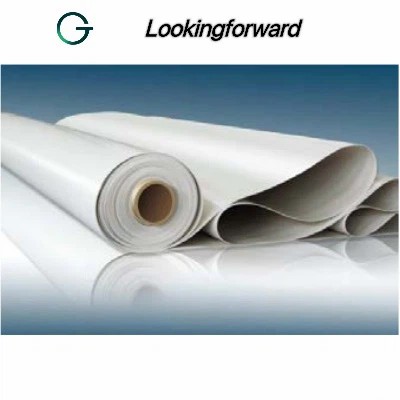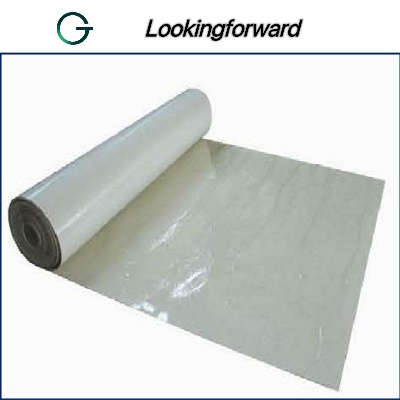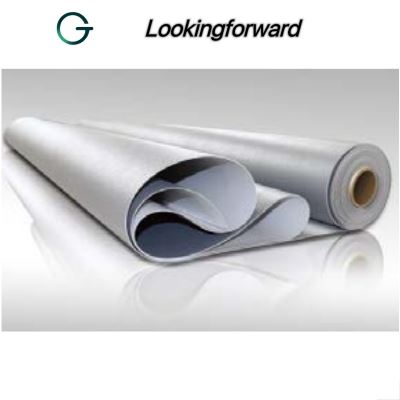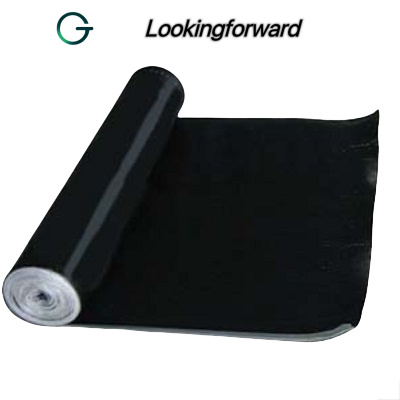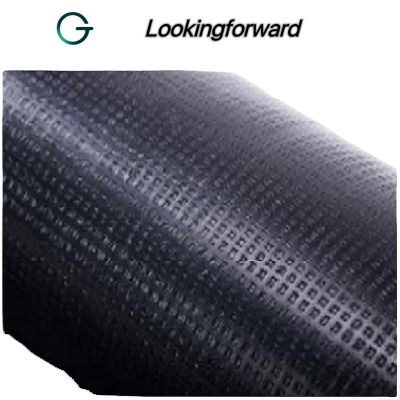
Wholesale Waterproof Membrane Supplier


Our company is a Chinese company that provides anti-seepage solutions, products, and services for geosynthetics. Its main application areas include the landfill, storage, and management of solid, liquid, and gaseous hazardous waste in mining, petrochemicals, reservoirs, roads, tunnels, and aquaculture.


Overseas Cooperation
The company has established a global marketing network and established cooperative relationships with many overseas customers, enabling it to provide customers with high-quality services efficiently and conveniently.


Quality Assurance
In terms of quality assurance, the company strictly follows the standards and norms of the industry quality system. Adopt industry-leading testing equipment to ensure product quality and good reputation.


OEM/ODM
When you put forward your needs, our engineers will provide you with faster and more perfect customized solutions. We have a wide range of products, and we will provide technical support according to your actual needs to choose the right product for you.


Professional Service
We can accept factory inspection and cargo inspection at any time. New product research and development is carried out by professional personnel and comprehensive after-sales services are provided.

First
12
Last
HDPE Geomembrane Liner


What Is Waterproof Membrane?

A waterproofing membrane is a thin layer of material used to prevent water from contacting another material that it is placed over. Waterproofing membranes may be adhesive or simply laid on top of the material they are supposed to protect. Waterproofing membranes are made from many different materials and are commercially available in various sizes and thicknesses. Waterproofing membranes are used for many applications, such as covering concrete while it is being formed to prevent water from compromising the structural integrity of the concrete, or coated on products that are submerged under water where corrosion is a concern.

Types of Membranes
 
1

Self-Adhesive Modified Bituminous Membrane
Self-adhesive modified bituminous membranes are composed of asphalt, polymers, and tackifiers, and may contain mineral stabilizers. The product may be reinforced with fiberglass, polyester, or a combination of the two. Products designed for exposure to the elements typically will be surfaced with mineral granules, coatings, films, or other opaque surfacing.


2

Polymer-Modified Bitumen Membrane
The most widespread materials for the creation of the waterproofing layer are the polymer-bitumen roll-fed sheet membranes. These materials could also be used as an underlay for pitched roofs and as a vapor barrier.


3

EPDM Membrane
It is a preformed elastomeric waterproofing membrane made of high-quality EPDM rubber. It exhibits high tensile strength, elongation, tear strength, and resistance to weathering, heat aging, ozone, UV rays, acids, alkalis, and oxygenated solvents.


4

Thermoplastic Membrane
Thermoplastic roof membranes are distinct from other commercial roofing systems. It is a blend of polypropylene, ethylene-propylene and is often reinforced with polyester. Sheets of TPO can contain UV absorbers, colorants, flame retardants, or other add-ins to achieve the required physical properties.


5

Bituminous Membrane (Asphalt)
Hot melt liquid bituminous rubber blend structural waterproofing systems with an interlaid reinforcement can be used in roof and podium deck applications to provide a seamless waterproofing membrane for high green roofs and podiums, and are sometimes specified for winter applications where low temperatures are common.


6

Polyurethane Membrane
These products come with a fiber-enhanced, water-based polyurethane membrane that has been designed for a range of waterproofing applications where the membrane is to be covered with tiles, screeds, concrete beds, and more. These membranes offer excellent adhesion properties for use on building substrates, including concrete, masonry, renders, cement sheeting, wet area sheet surfaces, and plasterboard surfaces.


7

Chemical Grouting to Seal Cement Structures
Hydrophilic chemical grouts have flexibility and resilience after full cure. This will allow movement to occur in the structure without damaging the seal. Hydrophobic resins are rigid after curing and do not recover from compression. If the structure moves, there is a good chance the cell structure will be damaged and leaks will reappear. Hydrophobic chemical grout is low viscosity and permeates loose and non-consolidated soils readily.

Benefits of Waterproof Membrane


Save Money On Repairs


Things occur, and as the seasons vary, the erratic weather affects the condition of your Building. Water, in precise, can cause a wide range of problems, both inside and outside, so waterproofing your structure and preparing for harsh weather conditions is essential.

01

Easy Maintainance


Without waterproofing, roofing material can be challenging to repair. However, because the waterproofing membrane cushions the extent of damage that liquid can cause, the repair and maintenance process becomes easier and faster.

02

Temperature Control


Every property owner desires a building that can keep constant temperatures throughout the year. A waterproof roof enables precisely this, which means your utility bill won’t see a spike every time there’s a seasonal transition. With a waterproofing membrane on your roof, your house will remain calm when it’s hot and hot when the weather is cool.

03

Preventing Dampness And Humidity from Developing Inside Building Materials

Moisture content in the atmosphere and on the surface leads to mould developing in constructions which is a health hazard for those who live on the property. You should stay away from this because it has adverse effects on your health. Waterproofing reduces this type of dampness, which is to your advantage because it helps maintain a healthy home climate.

04

Improves Durability of the Structure


Last, but not least, waterproof structures have prolonged life. If you install a waterproofing membrane and maintain it over time, you won’t need to replace your roof for decades. Once more, this leads to many years of efficient property upkeep.

05


How Is Waterproofing Membrane Applied?

There are three different application processes for waterproofing membranes: positive side waterproofing, blindside waterproofing and negative side waterproofing.


Positive Side (Post-Applied): Requires access to the outside face of the building and is installed after the wall has been built. This isn’t always possible, which is where blindside and negative side waterproofing comes in.


Blindside (Pre-Applied): When a drainage course and waterproofing membrane are installed before the concrete vertical walls are constructed.


Negative Side: Waterproofing is done when the building is constructed and positive side waterproofing is not an option, so the membranes are not commonly recommended.

HDPE Geomembrane Liner

Different Areas of Application of Waterproofing Membrane


Bridge Deck Waterproofing
To increase the durability of reinforced concrete bridges, all concrete movement and construction joints, plus the bridge decks have to be waterproofed to prevent serious damage to the concrete, or to the embedded steel reinforcement. Due to dynamic loading, the bridge decks must be protected with elastic, crack-bridging systems to accommodate any movement and maintain the protection.


Swimming Pool Waterproofing
This system provides the waterproofing of swimming pools or water tanks, both external and internal. By the use of two-component elastic, liquid waterproofing membrane, used in combination with Safety Joint Roll, an elastic band for the treatment of critical areas such as horizontal and vertical joints and angles, and Polites, a reinforcement fibreglass mesh characterised by the presence of special anti-floating wings.


Roof Waterproofing
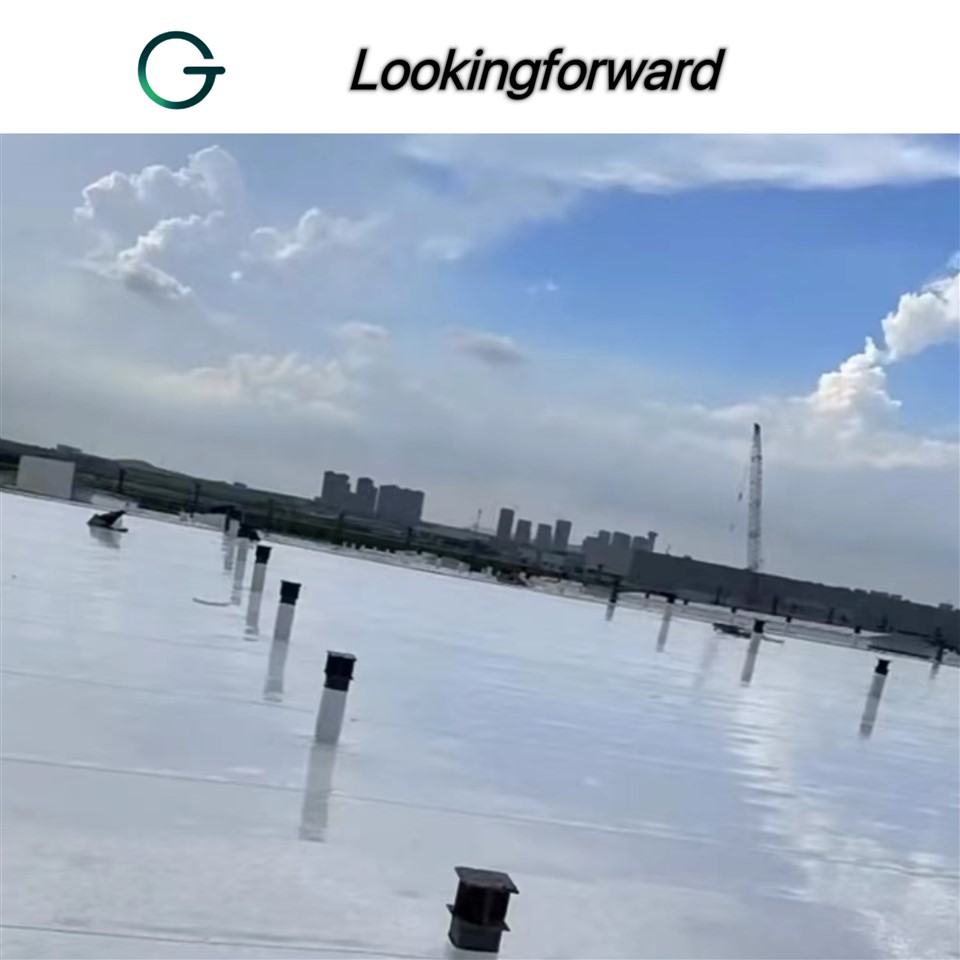
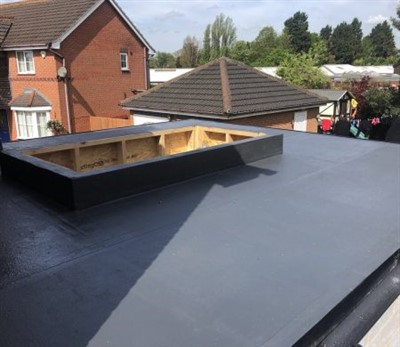
Efficient waterproofing of roofs and terraces can be achieved by adopting proper construction practices. It is essential that no rainwater stagnates on the roof. A proper slope and adequate number of drainage outlets can achieve this. Roof waterproofing is one of the essential steps of roof care. One should remember that waterproofing of flat roofs and waterproofing of pitched roof need different materials and different method of installation.


Dam Waterproofing
Only earth dams had received a watertight core but a great number of concrete dams are loosing water through cracks. There are different technologies to repair the concrete face of the dam but one of the most reliable and economical is the application of a waterproofing geomembrane. The choice of geomembrane and the way of fixation for the waterproofing system is a very important issue to receive a long living water tightness of the dam.


Tunnel Waterproofing
The basic design of waterproofing systems in Tunnel construction is typically of two types, namely Drained system and Pressure system. The drained system allows the water to channelize and hence drain out of the system, also commonly known as the Umbrella system. On the other side, the pressure system holds the water behind the membrane for a perpetual period. The waterproofing membrane relies on various components that need to be compatible with each other and applied in the correct sequence to give a desired result.


Basement Waterproofing
Basement waterproofing involves techniques and materials used to prevent water from penetrating the basement of a structure. Waterproofing a basement that is below ground level can require the application of sealant materials, the installation of drains and sump pumps, and more. Water in the soil causes hydrostatic pressure to be exerted underneath basement floors and walls. This hydrostatic pressure can force water through cracks, which can cause major structural damage as well as mold, decay, and other moisture-related problems.


Choosing the Right Commercial Waterproofing Membrane
 

Performance and Durability: Architects and consultants prioritize membranes that offer superior performance and long-term durability. They consider factors such as resistance to UV radiation, chemicals, temperature fluctuations, punctures, tears, and root penetration. Membranes with proven track records of durability in similar applications are often preferred.


Compatibility with Project Requirements: Each project has specific requirements that need to be considered when selecting a membrane. Factors like the type of structure (roof, plaza deck, below-grade application), the substrate material, project location, and anticipated loads or stresses influence the choice of membrane. For example, a below grade application may require a membrane specifically designed to withstand the demands rugged jobsites and heavy traffic.


Risk Tolerance: One of the most important factors architects consider is the level of risk tolerance their clients are comfortable with. Risk tolerance is influenced by several factors, including the building's intended use and the underlying geotechnical conditions. Architects carefully evaluate these factors and select a membrane that provides the necessary level of protection while also meeting the client's preferences and requirements.


Manufacturer's Reputation and Support: The reputation and credibility of the manufacturer are high on architects’ checklists when choosing a waterproofing membrane. They look for manufacturers known for producing high-quality membranes with reliable technical support and customer service. A manufacturer with a strong warranty program and a history of standing behind their products provide added confidence.


Code Compliance and Certifications: Compliance with building codes and industry standards is critical for architects. They look for membranes that have the necessary certifications and approvals to ensure they meet or exceed the required standards for fire resistance, wind resistance, impact resistance, and other relevant performance criteria.


Sustainability and Environmental Considerations: Increasingly, architects prioritize environmentally friendly options. Membranes with sustainable attributes, such as high recycled content, low VOC emissions, recyclability, and energy-efficient properties, are favored.


Cost and Budget: While not the sole determining factor, cost considerations play a role in membrane selection. Architects weigh the initial cost of the membrane against the anticipated performance and long-term maintenance requirements. They try to find a balance between budget constraints and the desired performance of the membrane.


How to Maintain Your Waterproofing Membrane?
 
1. Regular Inspections

Conducting regular inspections is the first step in maintaining your waterproofing membrane.

Inspect the Membrane: Check for any visible damages such as tears, punctures, or blisters. These may be signs that your waterproofing membrane requires repair or replacement.
Check for Water Intrusion: Look for signs of water intrusion in your property, such as mold, mildew, or damp spots. These could indicate a failure in the membrane system.

2. Cleaning the Membrane

Keeping your waterproofing membrane clean is another important part of maintenance.

Remove Debris: Clear away any debris on the membrane regularly to prevent buildup and potential damage.
Use Appropriate Cleaning Solutions: Only use cleaning solutions recommended by the manufacturer to avoid causing damage to the membrane.

3. Schedule Professional Inspections

While regular self-checks are important, scheduling professional inspections will ensure a thorough assessment of your membrane’s condition.

Annual Inspections: At least once a year, hire a waterproofing professional to conduct a detailed inspection. They can detect issues that may not be visible to the untrained eye.
After Severe Weather Events: If your property experiences a significant storm or severe weather events, arrange a professional inspection. This can help identify any damage that might have occurred and needs immediate attention.

4. Addressing Damages Promptly

When damages are found during an inspection, addressing them promptly can prevent further, more significant issues.

Prompt Repairs: Minor damages like small punctures or tears can often be repaired using a membrane repair kit. Always ensure the repair kit is suitable for your specific type of membrane.
Professional Intervention: If the damage appears extensive, it is recommended to call professionals to assess the situation and perform necessary repairs or replacements.

5. Protection Against UV Radiation

If your waterproofing membrane is exposed to the sun, protecting it against UV radiation can extend its lifespan.

Use UV-Resistant Products: If your waterproofing membrane is exposed, consider using a UV-resistant product to coat the membrane and provide an additional layer of protection.
Install Covers: Another option is to install covers or shades that block UV radiation, thereby protecting the membrane from potential UV damage.

Waterproofing Membrane Vs. Moisture Barrier: Is There a Difference?

What Are Waterproofing Membranes and Moisture Barriers?

Waterproofing only prevents liquid water from flowing from one area to another; it does not entirely deter water in a vapor state (though it can slow it down). Moisture barriers and waterproofing are two distinct types of goods with quite different uses. To keep water from getting into a particular space, like a shower pan, you would employ a waterproofing membrane.

Moisture-reduction barriers manage moisture in a state of vapor. These membranes essentially prevent any vapors from passing through within the limitations of the particular product. They do so by filling the pores of the substrate, generally with epoxy or a polymer. These materials are ideal for treating high-moisture slabs or areas where there is a possibility of future high-moisture conditions.


What Are the Key Product Composition Differences?

Waterproofing membranes generally consist of a liquid rubber-like substance that is applied like regular wall paint. Although roller-applied membranes are the most prevalent, there are additional varieties that require reinforcing fabrics and meshes or application using a trowel rather than a roller.

Moisture-reduction membranes come in a wide range of compositions, but some of the more common forms include epoxy, polyurethane, and polymer-based. Epoxy does a fantastic job at sealing open holes in concrete and creating a solid barrier to guard against the transmission of vapor. However, epoxies can be a little challenging to deal with, and the majority of these membranes will have moisture vapor emission limits. This brings us to other products, such as ones that use polyurethane. Polyurethanes are pre-mixed and simple to apply with a paint roller, saving time and hassle. Lastly, polymer-based moisture-reduction membranes are widely accessible, affordable, and simple to install.

Ultimate FAQ Guide to Waterproof Membrane
 

Q: Where do you use waterproof membranes?

A: Depending on the structure and need, the waterproofing membrane can either be applied to the interior (negative side) and, the exterior (positive side), or in places inaccessible by people (blindside). Each application is different from each other by the method and product specifications.

Q: What is the waterproof membrane method?

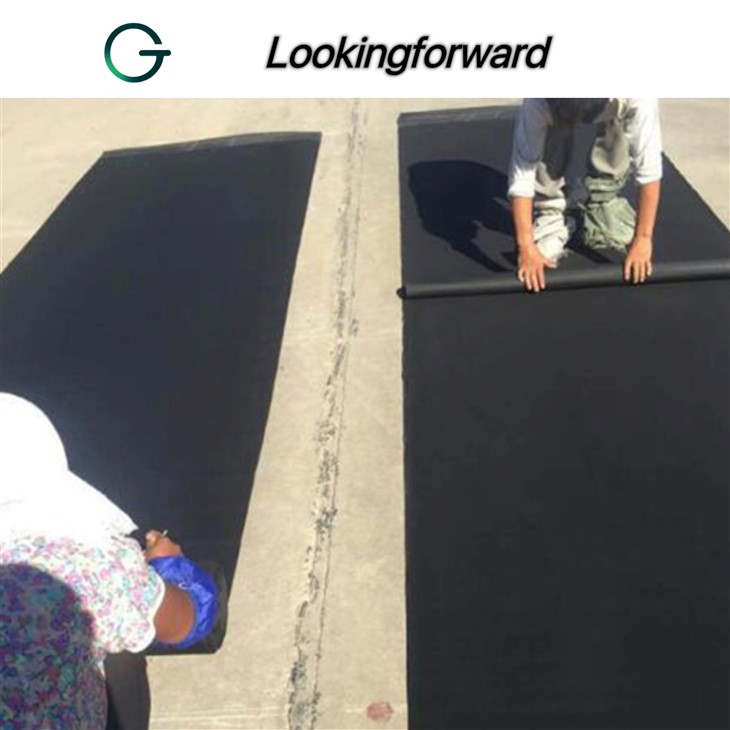
A: Waterproofing membrane installation shall be performed using cylinder fed propane gas torch, trowel to seal the seams of the membrane and knife for cutting. The membrane is then placed in the correct torching on position then re-rolled for about half of its length without changing its orientation.

Q: Is a waterproof membrane necessary?

A: One of the best ways you can ensure your customer's building stays protected over time is by having a waterproof foundation. A high-quality foundation waterproofing membrane serves as the all-important barrier between the concrete and the surrounding earth.

Q: What is best membrane for waterproofing?

A: Ethylene Propylene Diene Monomer (EPDM) rubber is a synthetic rubber known for its high tensile strength and resistance to tearing or cracking. Like thermoplastics, it's also one of the most long-lasting materials you can use as a waterproof membrane, with a lifespan of at least 50 years.

Q: What does waterproof membrane look like?

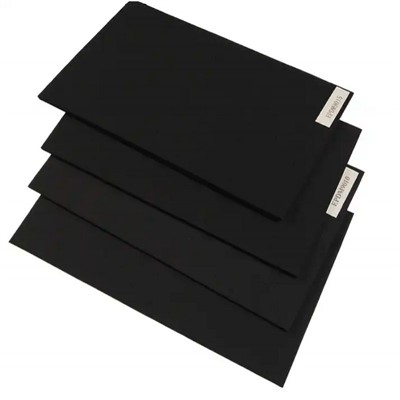
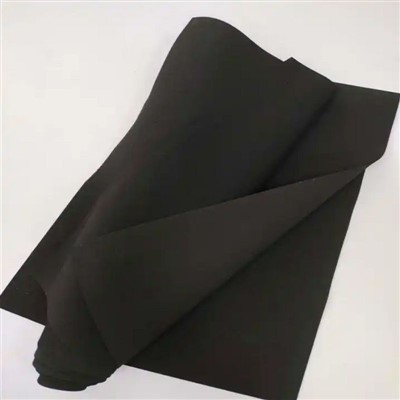
A: Typically is a thin layer of material that is placed over the concrete preventing water from entering. These layers are made of, plastic, coated fabric materials, and rubber, or petroleum-based asphalt. This product is available in sheets or as a spray-on.

Q: What is the common material used in the waterproof membrane?

A: Contractors usually use one-component or two-component polyurethane liquid membranes for waterproofing depending on the area and the need. The two-component material is commonly used for residential spaces like balconies, terraces and roofs.

Q: Why do waterproof membranes fail?

A: Poor preparation and installation of critical junction points in vertical and horizontal surfaces is also a major cause of failures since poor detailing and inadequate curing of the bonding solution can adversely affect a membrane's effectiveness, where the membrane can shift and crack with the differential movement occurring over time.

Q: What are the disadvantages of waterproofing membrane?

A: They tend to crack and cause leakages due to weather changes. They may melt/loosen during the summertime and harden during winter time which leads to possible delamination and cracks.

Q: How long does waterproof membrane last?

A: While basic waterproofing membranes should last at least ten years, they can last much longer given the right choice and circumstances. Conversely, poor quality waterproofing will rarely last the distance.

Q: What are the advantages and disadvantages of waterproofing membranes?

A: Liquid waterproofing membrane have the advantages , low cost and tremendous elongation however, the obvious drawbacks is the inconsistency in coverage. When applying the it, applicator need to take extra precaution to ensure the are able to achieve the minimum coverage.

Q: How thick is waterproof membrane?

A: 2 to 4mm thick. The waterproofing membranes we are discussing are composed of thin layers of waterproof material, 2 to 4mm thick. There are sheet membranes, i.e. they are supplied in a premade layer, and there are liquid applications.

Q: How deep is waterproofing membrane?

A: Chase a 15 mm deep reglet into the wall and turn the membrane inside. Insert an 'over-flashing' embedded in silicone to cover the top of the membrane (liquid and fully bonded sheet membranes. There must be at least a 75 mm overlap and the bottom of the flashing must be at least 10 mm from finished floor level.

Q: What is the difference between waterproof membrane and coating?

A: A waterproof coating is a liquid film layered across the fabric's shell - usually polyurethane (PU) and silicone. While membranes tend to be more durable, they can be considerably heavier and more expensive than lightweight coated fabrics.

Q: How many coats of waterproof membrane?

A: Most water-based membranes require a final application rate of approximately 1.5L per per square meter. This is often achieved with two coats, however, as application techniques and membrane viscosity vary, you may need to put on further coats to achieve that type of usage.

Q: Can waterproof membrane be painted over?

A: So, to answer the question, yes, you can paint over the waterproofing membrane. But it's important to know that there are some precautions and steps to take when painting over a waterproofing membrane. First off, it is recommended that you use high-quality primer for your surface.

Q: What is PVC waterproofing membrane?

A: PVC waterproof membrane is made of thermoplastic polyvinyl chloride (PVC, polyvinyl chloride) by machine pressing. It has good weather resistance and aging resistance. It also has excellent toughness, perforation resistance, and high-temperature resistance.

Q: Can you repair waterproof membrane?

A: Sometimes it is possible to have the waterproofing repaired. There are many companies that offer waterproofing repair services, which may be effective in repairing damaged waterproofing or renewing the waterproof membrane.

Q: Does waterproof membrane work?

A: Waterproofing Membranes Can Work, but They're Not a Replacement for Proper Concrete Construction. There is no doubt that membranes can add good protection when needed. However, the system is prone to failure and excessive leaking if the concrete is not self-sustained and integrally waterproofed.

Q: How do you clean waterproof membranes?

A: Use a non-toxic household cleaning product or warm soapy water. Refer to data sheet or packaging for any dilution rates. 2. Apply to the deck and scrub with a hard bristle broom or a deck scrub, ensuring the cleaner produces a foaming action.

Q: What is the difference between a waterproofing membrane and a vapor barrier?

A: Vapor barriers prevent moisture from entering a substrate in conditions of about 75 percent relative humidity. However, vapor barriers do not offer the same waterproofing capabilities as waterproofing membranes in most weather conditions.

Q: Should you apply a waterproof membrane in a bathroom?

A: Bathrooms, by their very nature, are the rooms in your home that are most likely to come into contact with water. Therefore, it's important to ensure they're properly waterproofed. This will help to protect your bathroom from damage and mould growth, and save you money on repairs in the long run.

Q: How do you protect waterproofing membranes?

A: Insulation in waterproofing systems should always be applied above the membrane. In both vertical and horizontal applications, insulation protects the membrane from backfill and construction traffic when it is applied over the membrane.

We're well-known as one of the leading waterproof membrane manufacturers and suppliers in China. If you're going to buy high quality waterproof membrane at competitive price, welcome to get more information from our factory.

gravel drainage cell, agricultural drainage cell, flexible drain cell