
Get A Quote
product category
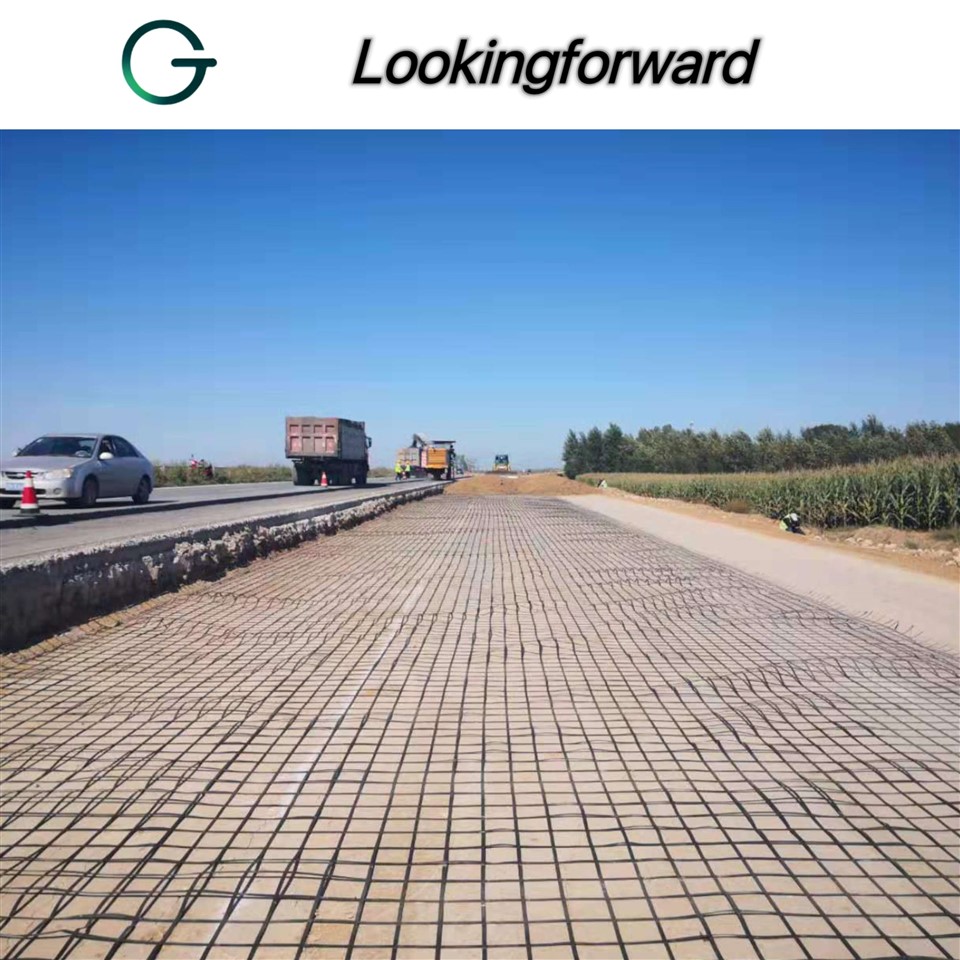
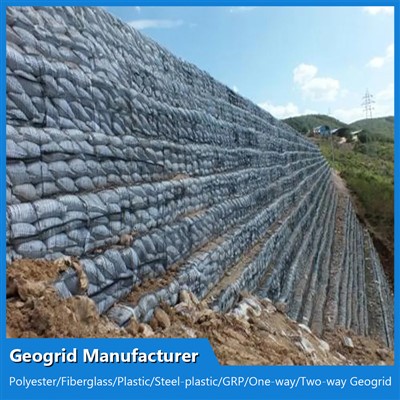
 Geogrid for RoadsGeogrid for Roads(Steel-plastic geogrid) is one of the major categories of geogrid, which is extruded by special steel wire with high-strength treatment, polyethylene or polypropylene, and other additives. Compared with the traditional grid, the steel-plastic geogrid has greater strength, stronger bearing capacity, and is resistant to corrosion and aging.
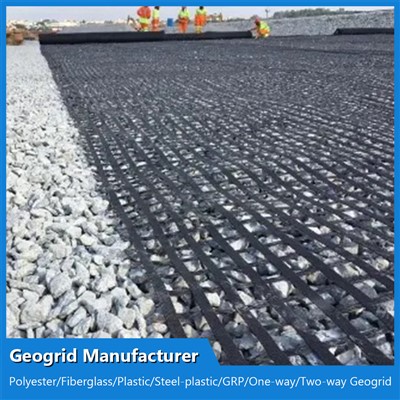
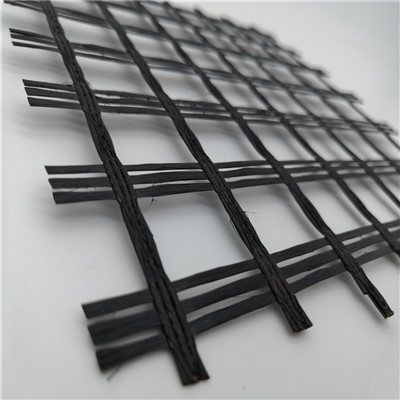
- Geogrid for Road ConstructionGeogrid for Road Construction (Fiberglass geogrid) is a good reinforcement material, but also a light weight, with a certain flexibility of plastic flat mesh, easy to cut and connect on site, can also overlap and overlap, easy construction, do not need special construction machinery and professional and technical personnel.
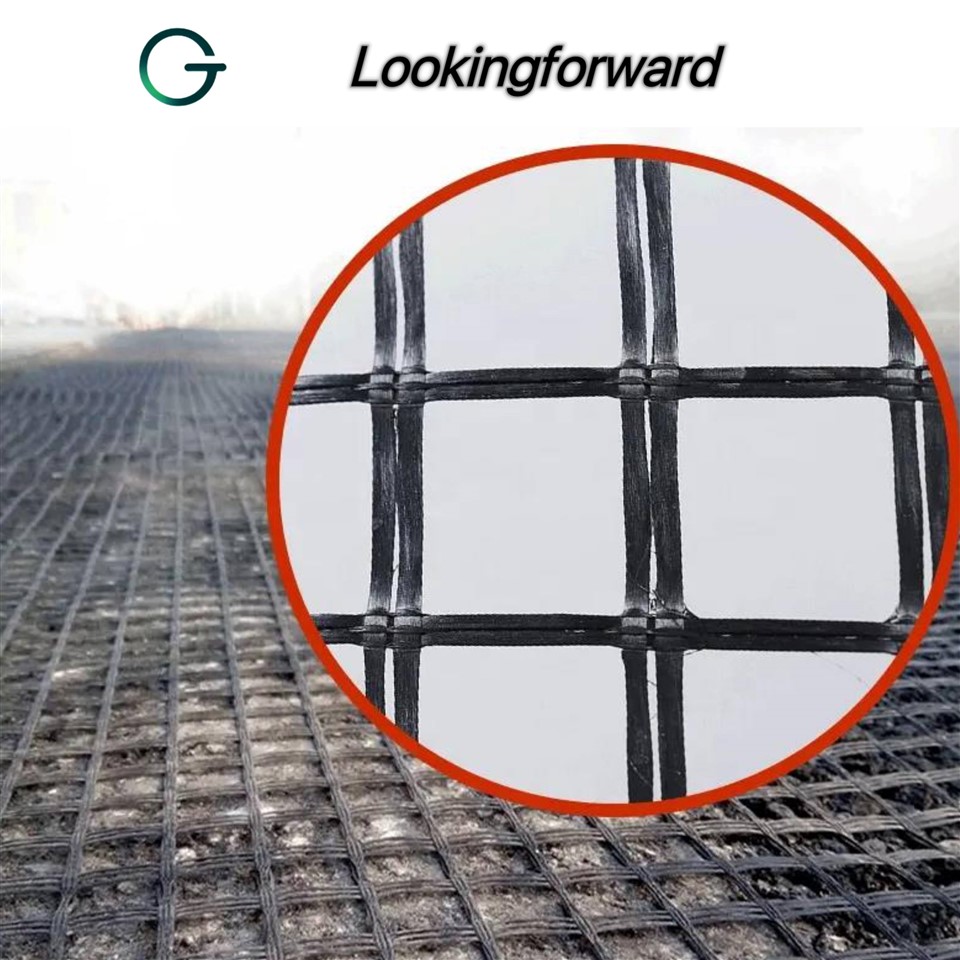
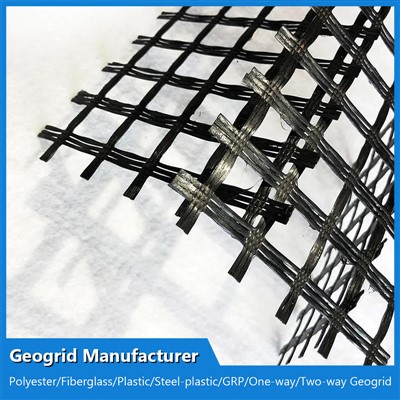
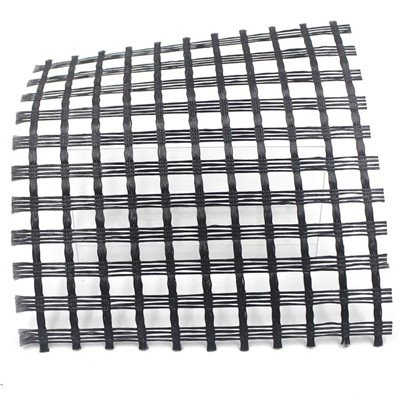
- Geogrid MeshWarp knitted Geogrid Mesh is a new type of high-quality geotechnical substrate that strengthens the roadbed, using high-strength polyester fiber as raw material, manufactured by warp knitting direction, and impregnated by special process.
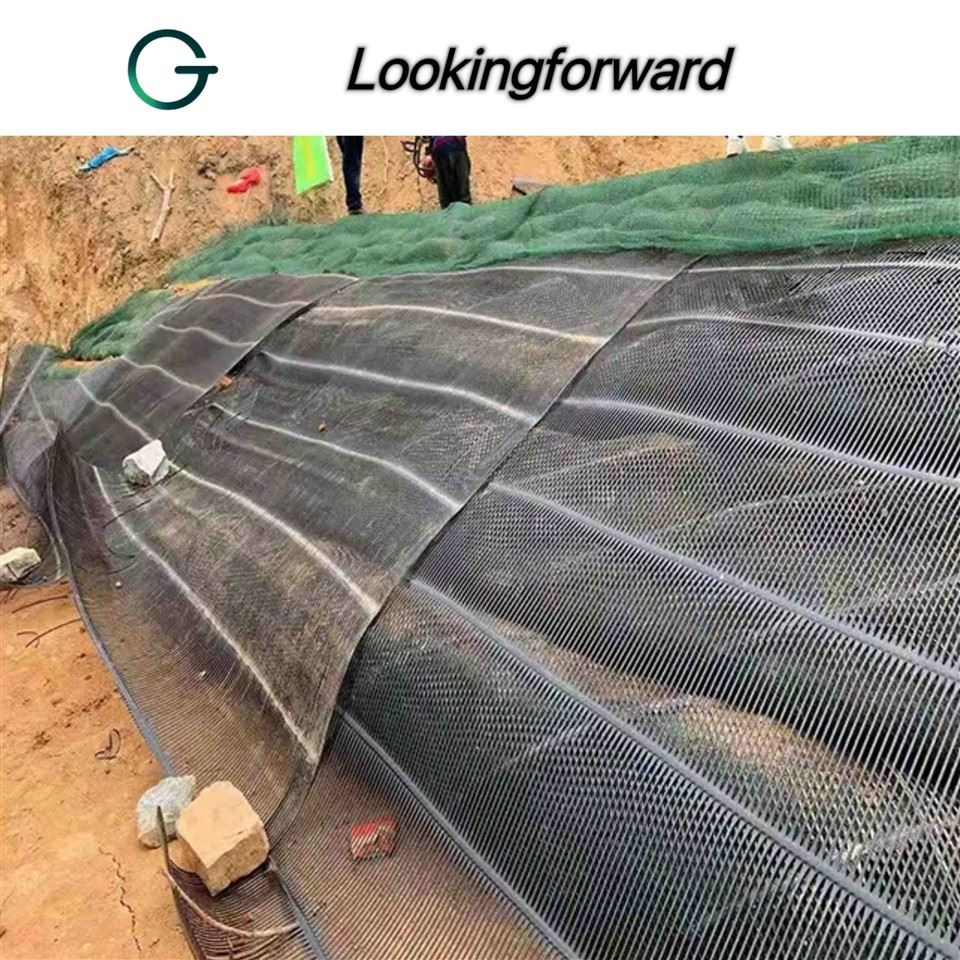
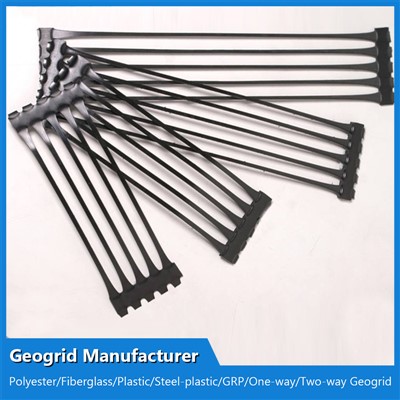
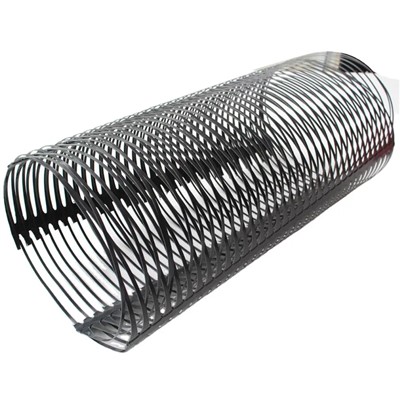
- Biaxial GeogridPlastic geogrid is made by punching holes in the raw material of extruded polymer sheets, mostly polypropylene or high-density polyethylene, and then applied directional stretching under heating conditions. It can be divided into uniaxial geogrid and Biaxial Geogrid.
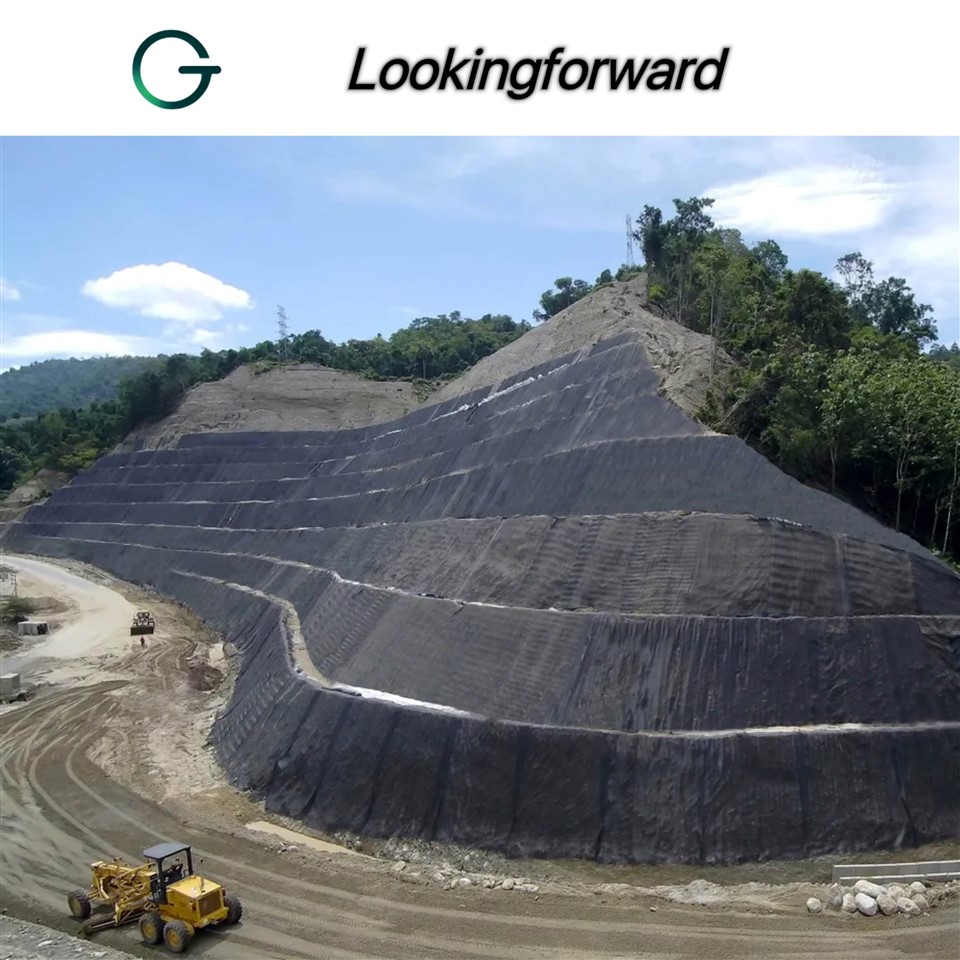
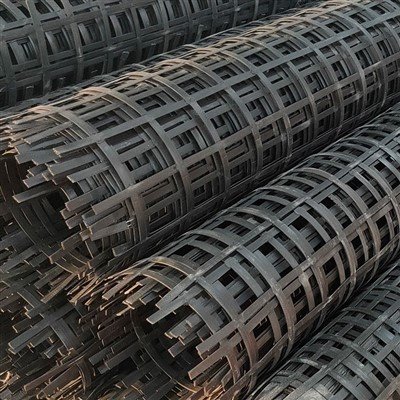
 Uniaxial GeogridUniaxial Geogrid redefine strength in construction. Crafted from high-density polyethylene, these geogrids offer unparalleled tensile strength, fortifying structures against soil erosion and ensuring enduring stability.
- Polypropylene GeogridPolypropylene geogrid: Engineered for strength, resilience, and sustainability in construction. With its interlocking design and superior durability, it reinforces infrastructure, minimizing erosion and extending the lifespan of roads, railways, and more. Choose polypropylene geogrid for robust, eco-friendly solutions in modern engineering.
- Polyester GeogridPolyester Geogrid, Engineered from durable polyester, these grids offer unparalleled strength in multiple directions, stabilizing soil, enhancing pavement, and boosting structural integrity. With resistance to degradation and cost-effective longevity, they're the ideal choice for durable, reliable construction projects. Discover their transformative power today
- Geo grid DrivewayGeo grid Driveway, Biaxial plastic geogrid, crafted from high-density polyethylene, reinforces construction projects with unparalleled strength. Its dual-directional resilience stabilizes diverse terrains, making it ideal for roads, walls, and soil reinforcement. Resistant to environmental factors, it ensures enduring performance while reducing labor and maintenance costs.
- Fiberglass GeogridHigh strength fiberglass industrial filament is used to weave grid fabric through warp knitting and directional weaving, and then PVC coating is processed to form a geogrid. Applied to soft soil foundation treatment and reinforcement of subgrade, embankment and other engineering projects to improve engineering quality and reduce engineering costs.
- Steel Plastic GeogridThe steel plastic bi-directional geogrid is made of high-strength steel wire (or other fibers), specially treated with polyethylene (PE) or polypropylene (PP), and other additives added. It is extruded to form a composite high-strength tensile strip with rough embossing on the surface, which is a high-strength reinforced geogrid.
- Geogrid soil stabilizationGeogrid soil stabilization_ High strength polyester warp knitted geogrid_ The polyester geogrid is made of high-strength polyester industrial filament, which is woven into a grid fabric through warp knitting and directional weaving. It is then coated with PVC and processed into a geogrid.
- Basalt GeogridUnidirectional plastic geogrid refers to a geogrid made of high-density polyethylene (HDPE) as the raw material, which is extruded, punched, heated, and stretched into a sheet, extruded and pressed into a regular mesh, and then stretched longitudinally.

{item.title}
{item.description}