
‹
›
 facebook
 twitter
 linkedin
 google+
Description
Hey there, construction enthusiasts! If you're tired of dealing with cracking, uneven surfaces, or poor drainage in your road projects, it's time to explore a game-changing solution: geogrids. These ingenious materials can transform your road construction by providing a stable, durable, and long-lasting surface. Let's dive deep into why geogrids are the ideal choice for road construction and how they can make your projects smoother and more efficient.
What is a Geogrid?
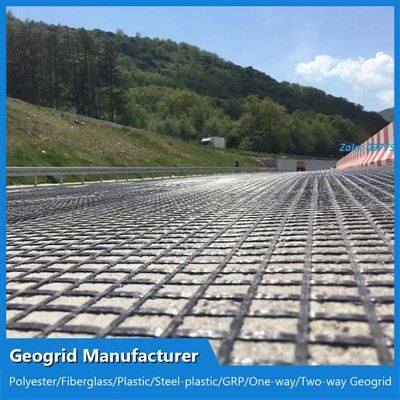
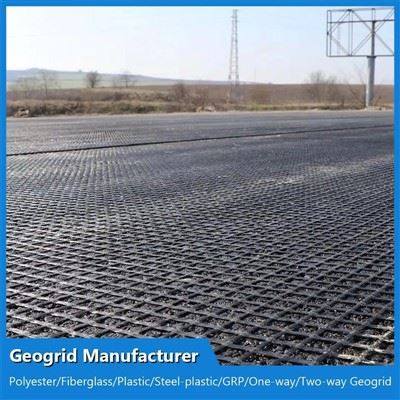
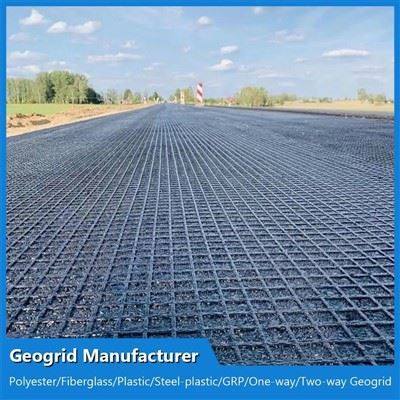
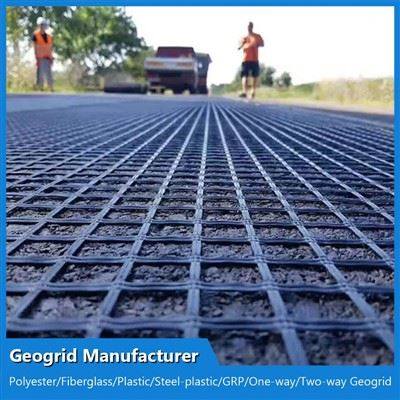
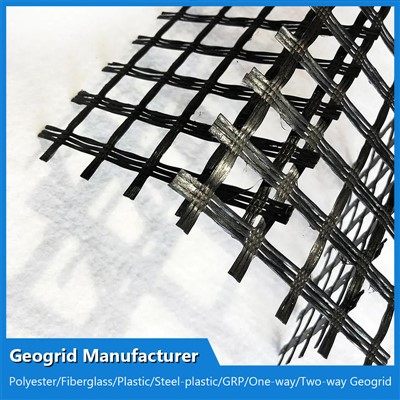
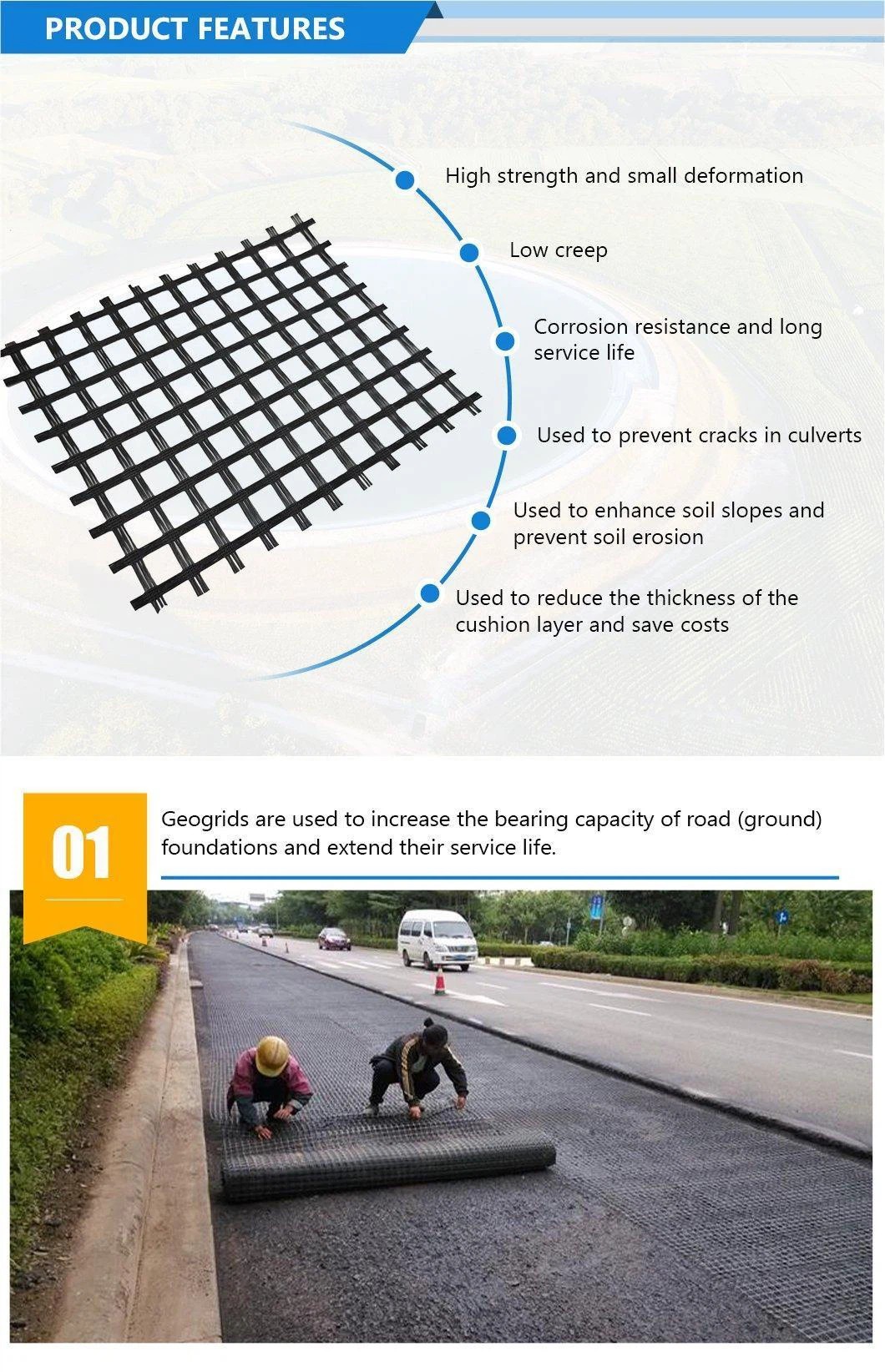
So, what exactly is a geogrid? Imagine a grid-like structure made from high-strength polymers such as polyethylene or polypropylene. These grids are designed to reinforce soil and other materials, offering an exceptionally stable foundation for roads. By evenly distributing loads across the surface, they prevent shifting, settling, and cracking. Once you start using geogrids, there's no looking back!
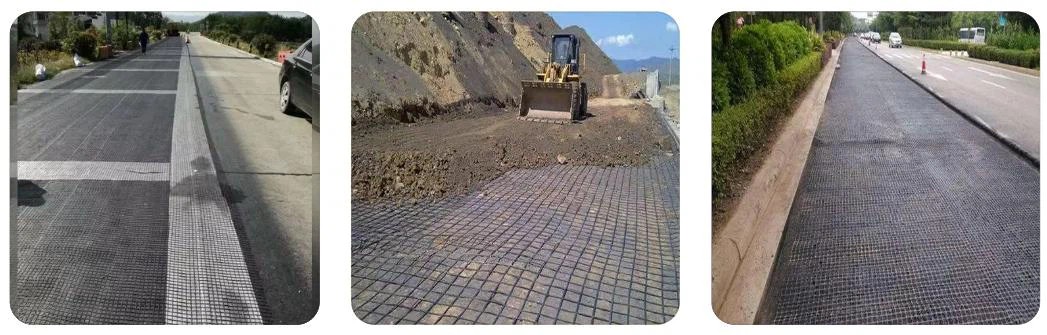
Why Choose Geogrid for Road Construction?
Unmatched Stability: Geogrids provide unparalleled stability for your roads. By reinforcing the foundation, they prevent common issues like settling and shifting, ensuring your roads stay level and stable for years.
Enhanced Load-Bearing Capacity: Whether it's cars, trucks, or heavy machinery, geogrids can handle it all. They distribute the weight evenly, reducing the pressure on the underlying soil and preventing damage.
Excellent Drainage: Geogrids allow water to pass through, promoting proper drainage and preventing pooling. Say goodbye to puddles and erosion!
Environmental Friendliness: Using geogrids reduces the need for thick concrete layers and excessive gravel, making your projects more eco-friendly. Plus, many geogrids are made from recycled materials, further reducing your carbon footprint.
Cost-Effective: While the initial investment might seem high, geogrid driveways save money in the long run. Their durability means fewer repairs and replacements, reducing overall maintenance costs.
How Do Geogrids Work?
Geogrids work by reinforcing the soil and distributing loads over a broader area. Here's how they do it:
Load Distribution: When a load is applied to the road, the geogrid distributes the weight across the entire surface. This reduces pressure on any single point, preventing settling and deformation.
Interlocking System: The grid structure locks the soil and aggregates in place, creating a stable and robust foundation. This prevents movement and ensures long-term stability.
Reinforcement: By providing a solid framework, geogrids reinforce the base layer of the road, enhancing its load-bearing capacity and durability.
Installation Process
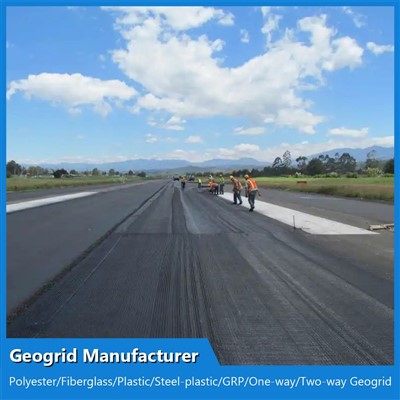
Installing a geogrid driveway might sound complex, but it's quite straightforward. Here's a step-by-step guide:
Site Preparation: Clear the area where the road will be constructed. Remove any debris, rocks, and vegetation, ensuring the ground is level.
Excavation: Excavate the site to the required depth based on the soil type and expected load. This is usually around 12-18 inches.
Base Layer: Lay down a layer of compacted gravel or crushed stone to provide a stable foundation. This layer should be about 6-8 inches thick.
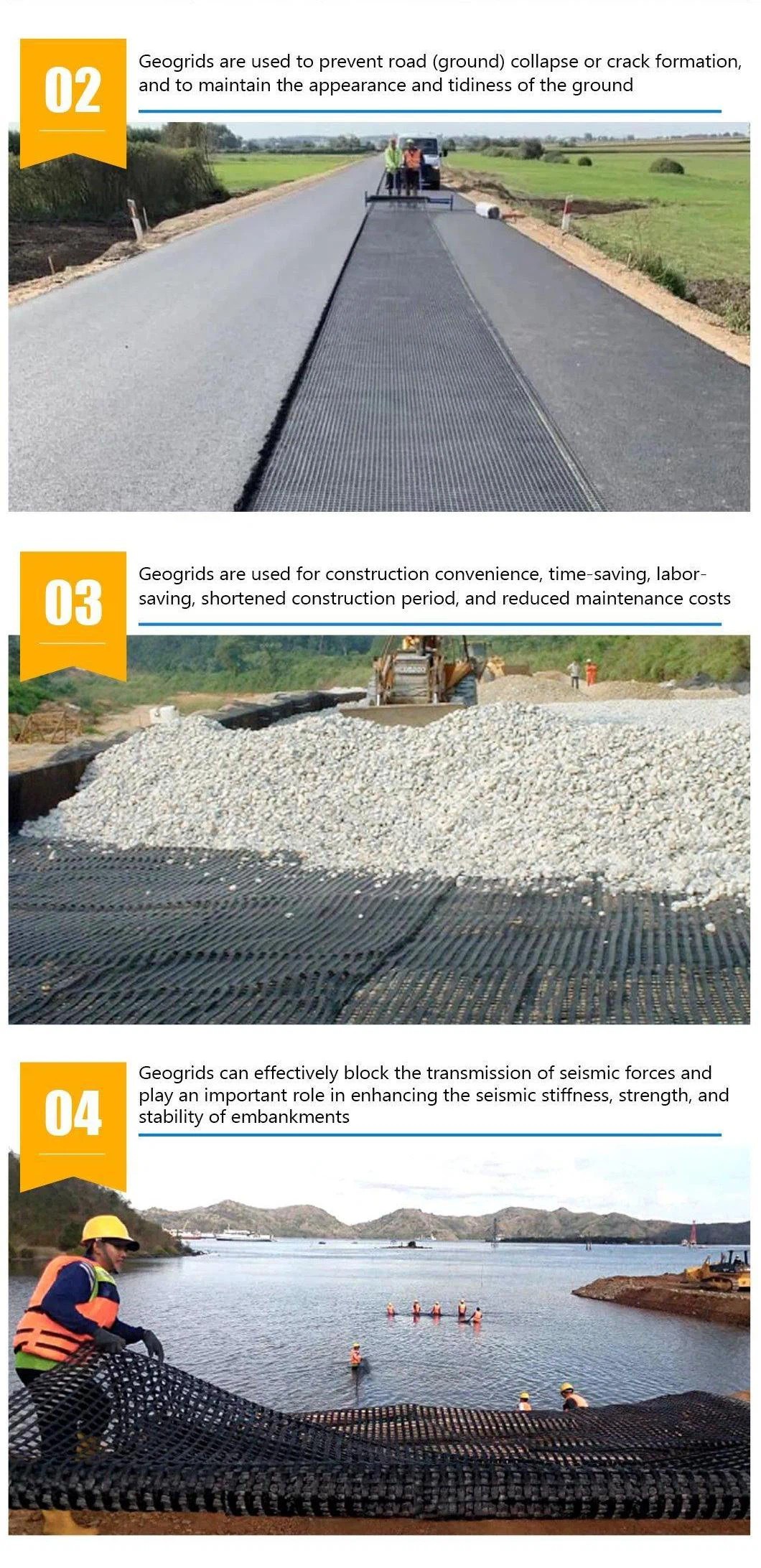
Install the Geogrid: Lay the geogrid on top of the base layer, ensuring it is taut and wrinkle-free. Overlap the edges by at least 12 inches to ensure continuous coverage.
Fill and Compact: Add another layer of gravel or crushed stone on top of the geogrid. Thoroughly compact this layer to secure the geogrid and create a solid surface.
Top Layer: Finish with your choice of top layer material, whether asphalt, concrete, or decorative gravel. Ensure it is level and well-compacted.
Final Adjustments: Inspect the road, ensuring no areas have settled or become uneven. Make any necessary adjustments and let the surface settle for a few days before use.
Complementary Materials for Geogrid Construction
To maximize the benefits of geogrid in road construction, several complementary materials can be used:
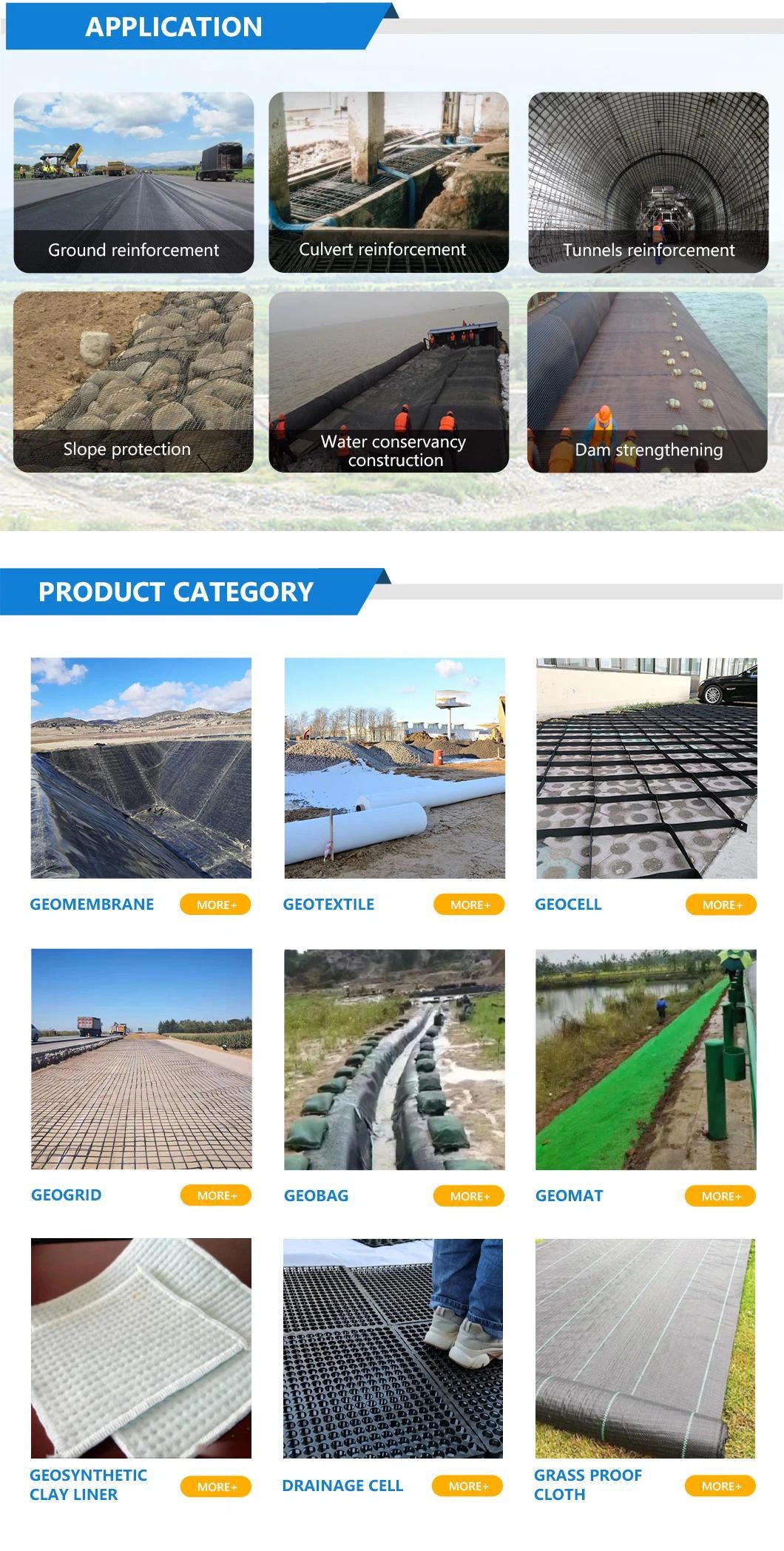
Geotextiles: Placed beneath the geogrid, geotextiles provide additional separation and filtration, preventing soil mixing and ensuring better drainage.
Geomembranes: In areas requiring impermeable layers, geomembranes can be used in conjunction with geogrids to prevent water infiltration and protect the road structure.
Drainage Boards: Used alongside geogrids, drainage boards enhance water management, ensuring efficient drainage and prolonging the road's lifespan.
Aggregate Layers: Properly graded aggregate layers, when combined with geogrids, provide a well-structured and stable foundation, essential for load distribution and road longevity.
Key Technical Specifications
For those who love details, here are some key technical specifications of geogrids:
Why Geogrids Appeal to Young Engineers
If you're a young engineer or construction manager, you likely value efficiency, cost-effectiveness, and sustainability. Geogrid driveways tick all these boxes and more. They offer a sustainable solution with lasting durability, reducing long-term maintenance headaches and saving money. Plus, the modern appearance of geogrid driveways can significantly boost your project's appeal.
Geogrid driveways are the future of road construction. Their unparalleled stability, exceptional load-bearing capacity, excellent drainage performance, and environmental benefits make them the top choice for anyone looking to invest in durable and cost-effective road solutions.
Ready to transform your construction project with geogrids? Contact us today to learn more, get expert advice, and access high-quality geogrid products. Our team is here to support you every step of the way, ensuring your project is a resounding success.
So, what are you waiting for? Step into the world of geogrids and revolutionize your road construction projects today!
About our factory


Send Inquiry
You Might Also Like



Categories