
‹
›
 facebook
 twitter
 linkedin
 google+
Description
What Is Gabion Retaining Wall?
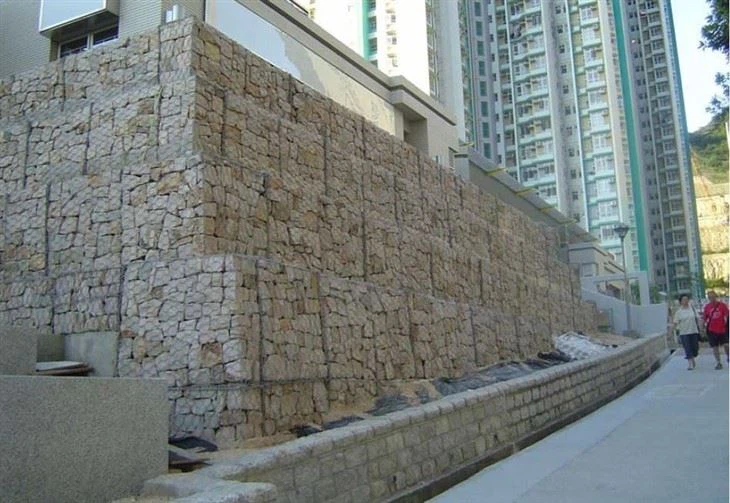
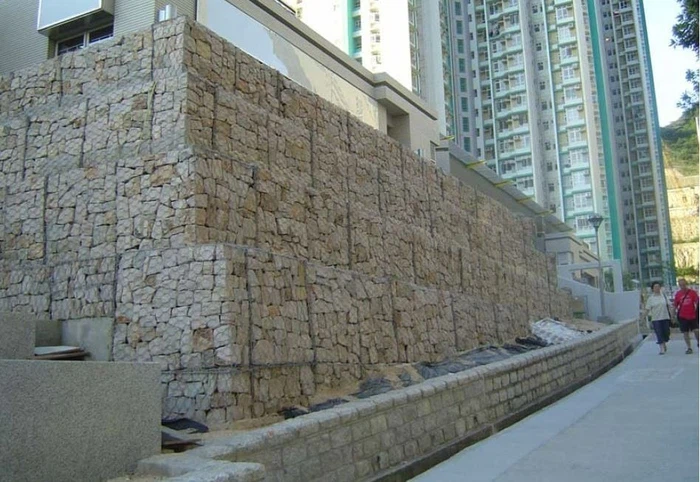
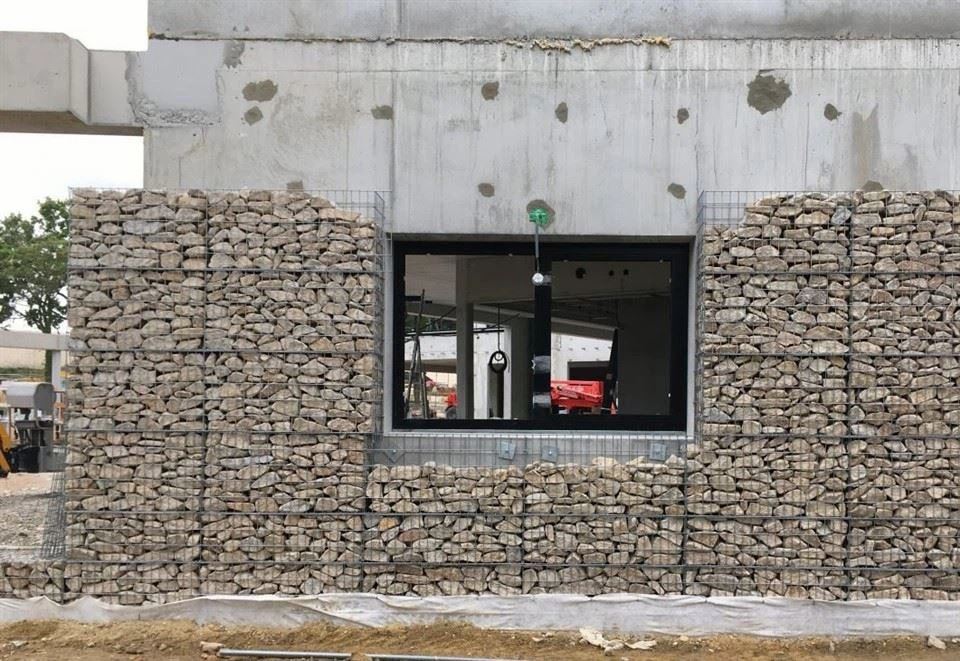
Gabion retaining walls are constructed using wire mesh baskets, known as gabion baskets, filled with a combination of rocks, stones, or other natural materials. The baskets are strategically stacked and interconnected to form a retaining wall. This construction method is not only functional for retaining soil and preventing erosion but also offers a visually striking addition to outdoor environments.
Assured durability: Gabion retaining walls are renowned for their structural stability and durability. The inherent strength of the wire mesh baskets, combined with the interlocking arrangement of stones, creates a robust and stable structure capable of withstanding the pressures exerted by retained soil. This durability makes them a sustainable and lasting choice for outdoor spaces.
Controlled erosion: Gabion retaining wall serve a practical purpose by effectively controlling erosion and retaining soil. In sloped or hilly landscapes, these walls act as barriers that prevent soil from washing away during heavy rains. The permeability of the gabion structure allows water to pass through while holding the soil in place, making it an eco-friendly solution for erosion control.
Reduced damages: The design of gabion retaining walls promotes natural drainage and water management. The spaces between the stones and the permeable nature of the wire mesh baskets allow rainwater to flow through the wall, preventing the buildup of hydrostatic pressure behind the wall. Their natural drainage feature reduces the risk of water-related damage and enhances the overall stability of the structure.
Enhanced appeal: The use of natural materials, such as various types and sizes of rocks, allows for a harmonious integration with the surrounding landscape. The colour and texture variations of the stones contribute to a visually appealing and organic aesthetic that complements different design styles, from contemporary to rustic.
Seamless integration: Gabion retaining wall seamlessly integrate with various landscaping elements, offering you a versatile canvas for creative expression. These walls can be used to define garden borders, create terraced landscapes, or add visual interest to outdoor seating areas. The flexibility in design allows for the incorporation of gabion retaining wall into diverse outdoor settings.
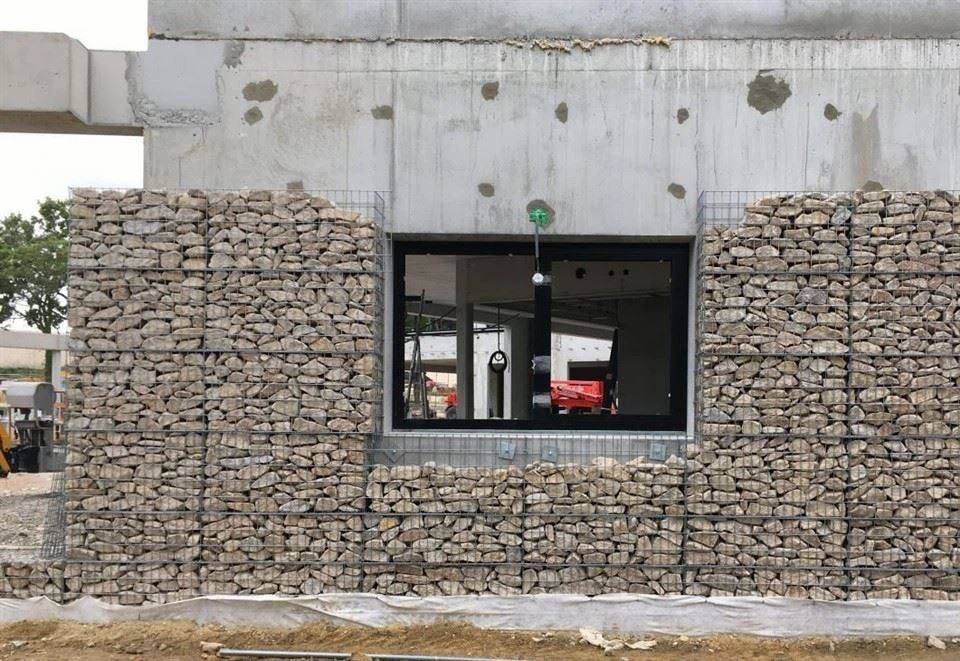
Gabion baskets are wire mesh containers filled with stones or other suitable materials. They are designed to be stacked and interconnected to form robust structures for various engineering applications.
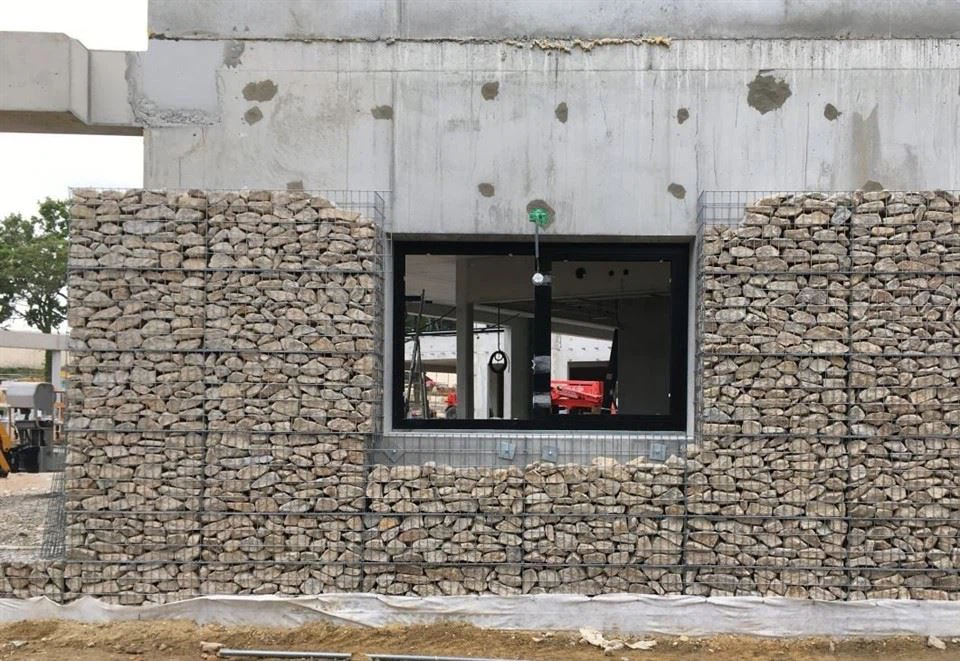
Gabion retaining wall is made of a hexagonal mesh woven from heavy-duty galvanized steel wire, PVC or PE coated steel wire. It is usually a rectangular basket of various box sizes and metal wire diameters. During the construction process, stones can be sealed by packing them into boxes.
Why Choose Us
Our factory
Our company is a Chinese company that provides anti-seepage solutions, products, and services for geosynthetics.
01
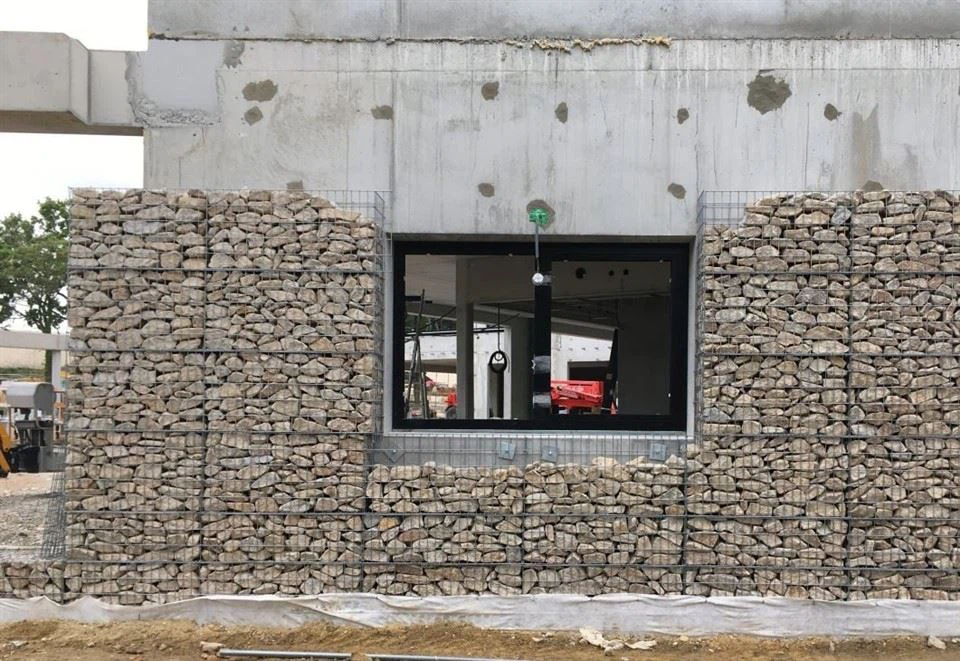
Gravity gabion walls
Gravity walls rely on their weight and mass to resist the earth's pressures. They are suitable for low to medium heights and provide excellent stability due to their self-weight.
Reinforced gabion walls
Reinforced gabion walls incorporate additional reinforcements, such as geogrids or steel bars, to enhance their load-bearing capacity. They are ideal for taller walls or situations with higher load requirements.
Terraced gabion walls
Terraced gabion walls create a stepped or terraced effect, which adds aesthetic value to the structure. They are commonly used in landscape design to provide erosion control and create visually appealing features.
Components of Gabion Retaining Wall
Wire mesh baskets: These baskets, made of galvanized steel wire, provide the framework for the gabion wall. They come in various shapes and sizes, such as boxes, mattresses, or sac
Fill material: The primary fill material for gabion retaining wall is usually stones or rocks. These materials should be durable, weather-resistant, and properly graded to ensure stability.
Lacing wire: Lacing wire is used to secure the edges of the wire mesh baskets together, forming a tightly-knit structure. It prevents the fill material from escaping and maintains the integrity of the gabion wall.
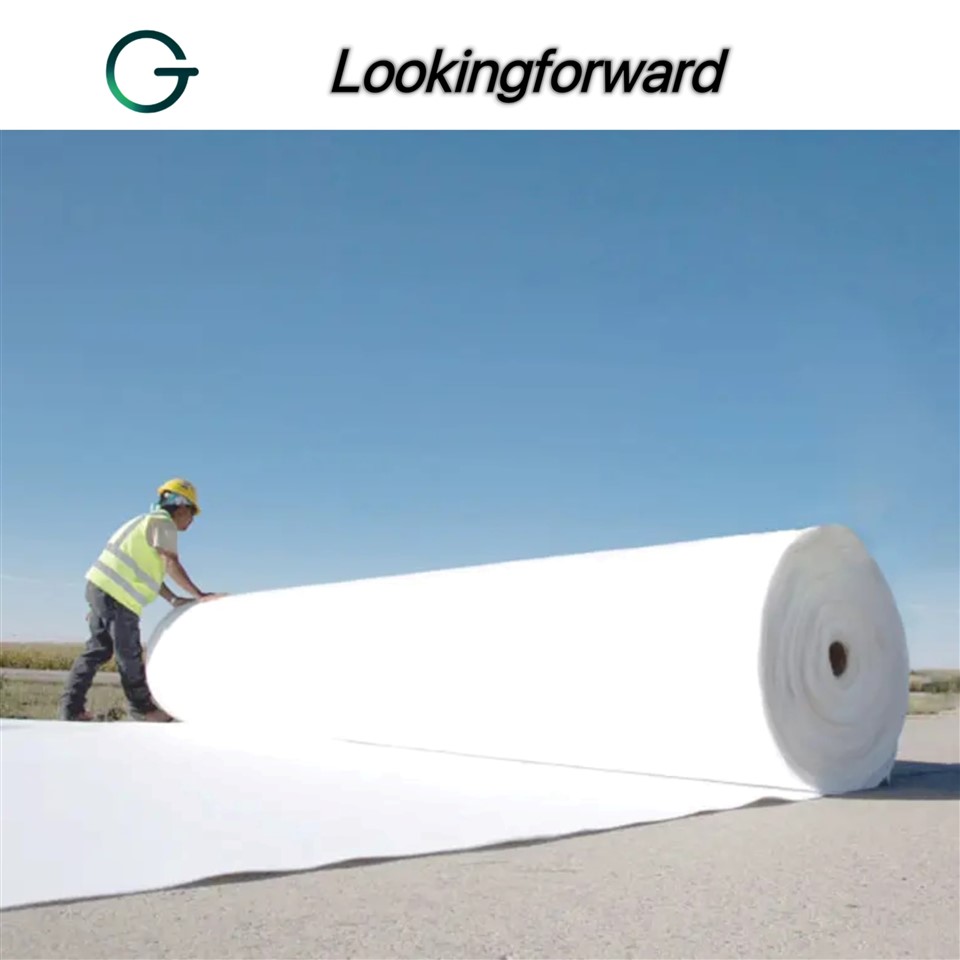
GEO-TEX geotextiles:GEO-TEX geotextiles are an essential component of any gabion retaining wall project.
Inspection and repair
Regular inspections can help identify potential issues such as wire corrosion or stone displacement before they become major problems. Addressing these issues promptly will extend the life of your gabion retaining wall and maintain its aesthetic appearance.
Cleaning and aesthetics
Maintaining the appearance of a gabion retaining wall involves removing debris and vegetation that may accumulate in and around the stones. Periodic cleaning will prevent organic material from degrading the wire cages and detracting from the wall's appearance.
Winter care and weather resistance
In climates where freezing temperatures are common, ensure that the fill material and design allow for adequate drainage to prevent freeze-thaw cycles from damaging the wall. Choosing corrosion-resistant wires can also prevent deterioration due to harsh weather conditions.
Tips for building gabion retaining walls
Soil analysis: Conduct a thorough soil analysis to determine the type and stability of the soil. This will help you design a wall that can handle the expected load and ground conditions.
Drainage considerations: Plan for proper drainage to prevent water buildup behind the wall. Incorporate drainage pipes or weep holes to facilitate water flow and reduce hydrostatic pressure.
Excavation: Excavate the area to create a level base for the wall. The depth of the excavation will depend on the height of the wall and the soil conditions.
Base layer: Lay a base layer of compacted gravel or crushed stone to provide a stable foundation. This layer should be at least 6 inches deep to ensure proper support and drainage.
Wire mesh: Use high-quality, corrosion-resistant wire mesh for the gabion baskets. Galvanized or pvc-coated wire is recommended for added durability.
Fill material: Select appropriate fill materials such as angular stones, recycled concrete, or other durable materials. Avoid using rounded stones as they can shift and reduce stability.
Assembling baskets: Assemble the gabion baskets according to the manufacturer's instructions. Ensure that the baskets are securely fastened to prevent any movement or deformation.
Filling baskets: Fill the baskets with the selected materials, ensuring even distribution and compaction. Use smaller stones or gravel to fill gaps and provide additional stability.
Layering: Build the wall in layers, stacking the filled gabion baskets on top of each other. Use sturdy ties or fasteners to connect the baskets and maintain structural integrity.
Top layer: Finish the top layer of the wall with a neat row of stones to enhance the appearance. You can also add a capstone or plant greenery to soften the look.
Vegetation: Consider planting vegetation around the wall to integrate it into the landscape and provide additional erosion control.
How to Choose a Gabion Retaining Wall
Project purpose
Determine the primary purpose of the gabion retaining wall. Is it for retaining soil, preventing erosion, creating a sound barrier, or enhancing landscape aesthetics? Understanding the purpose will help you select the appropriate design and materials.
Site conditions
Assess the site conditions, including soil type, slope, drainage, and exposure to weather elements. These factors will influence the design and construction of the gabion retaining wall. For example, areas with poor drainage may require a specific type of filling material to ensure stability.
Material selection
Choose the right materials for the wire mesh and the filling. The wire mesh should be durable and corrosion-resistant, such as galvanized steel or pvc-coated wire. The filling material can vary depending on availability and aesthetic preferences, but it should be stable and compatible with the project's requirements.
Design and aesthetics
Consider the design and aesthetics of the gabion retaining wall. Gabion retaining walls can be customized in terms of size, shape, and appearance to match the surrounding environment. For decorative purposes, you can use colored stones or combine different materials to create a unique look.
Structural requirements
Ensure that the gabion retaining wall meets the structural requirements of your project. This includes calculating the wall's height, width, and overall stability. For taller walls or those supporting significant loads, professional engineering advice may be necessary to ensure safety and compliance with regulations.
Budget
Consider your budget when selecting gabion retaining walls. While gabion retaining walls are generally cost-effective, the total cost will depend on factors such as material choice, wall size, and labor. Compare different options to find a solution that fits within your budget without compromising on quality.
Our Factory
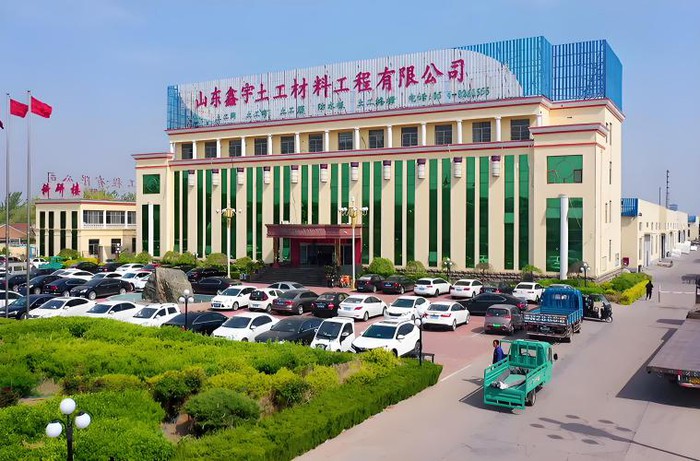
Our company is a Chinese company that provides anti-seepage solutions, products, and services for geosynthetics. Its main application areas include the landfill, storage, and management of solid, liquid, and gaseous hazardous waste in mining, petrochemicals, reservoirs, roads, tunnels, and aquaculture. The company's S team was established in 2002; The International Trading Company was established in 2023. For 21 years, we have been committed to producing and developing innovative geosynthetic anti-seepage products. The main products of the company are geotextile membrane, Geotextile, geogrid, geocell, geotextile composite drainage network, geotextile composite clay lining and other geotextile products.


FAQ
Send Inquiry
You Might Also Like
Categories