
Get A Quote
product category
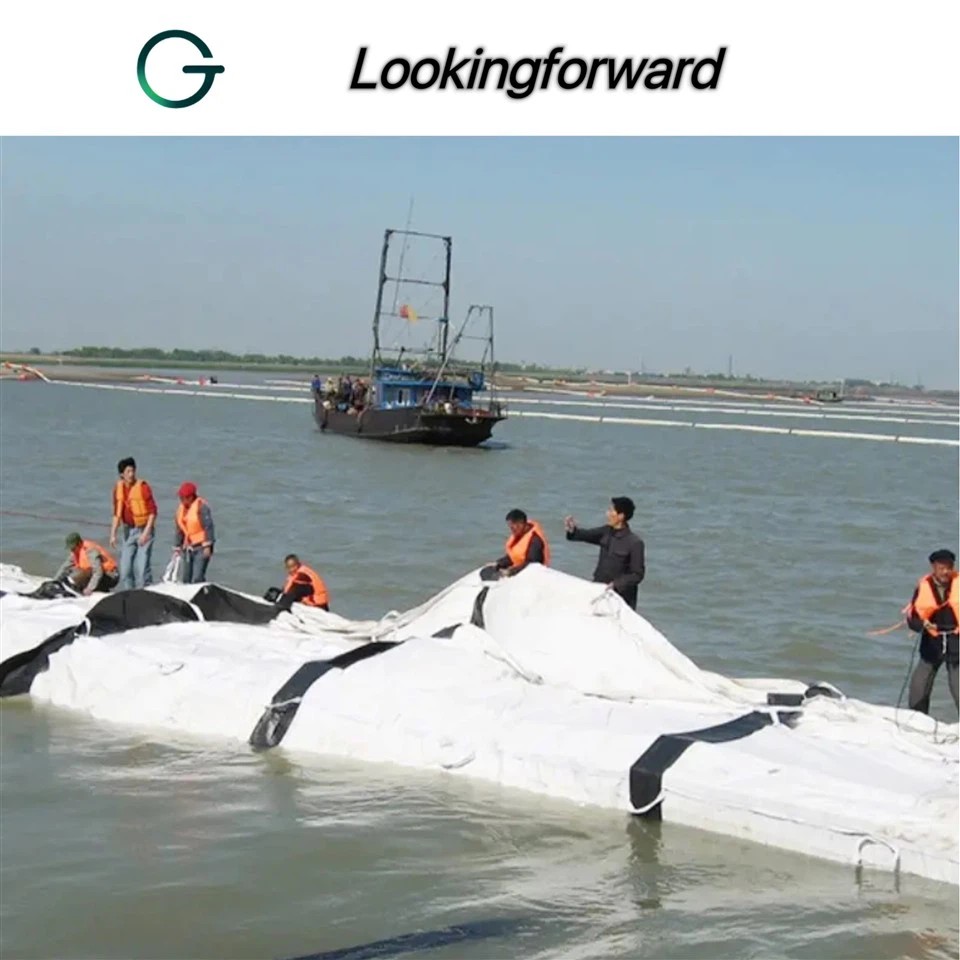
 Woven GeotextileAs an efficient geosynthetic material, woven geotextile performs excellently in various engineering projects. Its high strength, durability, and excellent chemical resistance make it an ideal choice for road, railway, dam, riverbank, protection, drainage, and filtration projects. Whether used to enhance foundation bearing capacity, prevent soil erosion, or protect the ecological environment, woven geotextile provides excellent solutions. We look forward to cooperating with more clients to jointly promote the development of the geosynthetic material field.
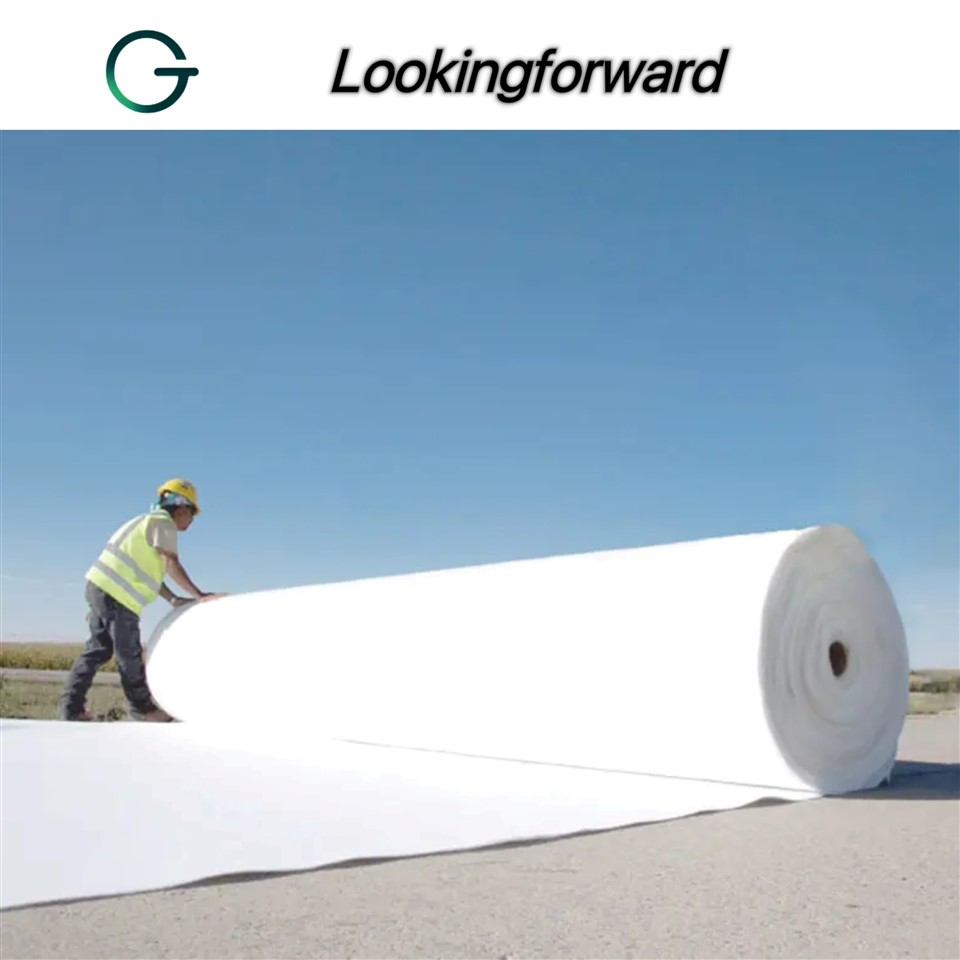
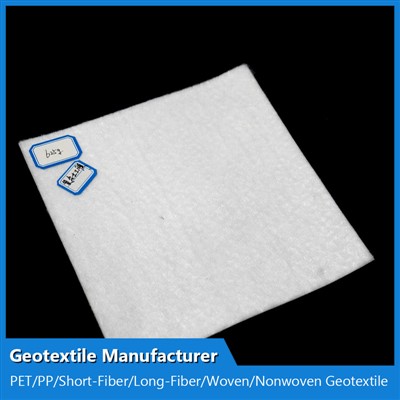
 Nonwoven Geotextile FabricNonwoven geotextile fabric(Staple fiber) is made of high-quality polyester or polypropylene staple fiber as raw material, which is processed by carding and laying nets and needle-punching.
- Non Woven Filter FabricIt is weaving, non-woven or weaving methods that make fibers or yarns into continuous flat materials. Non woven filter fabrics are widely used in railways, highways, water conservancy, mining and metallurgy and environmental protection and other major projects
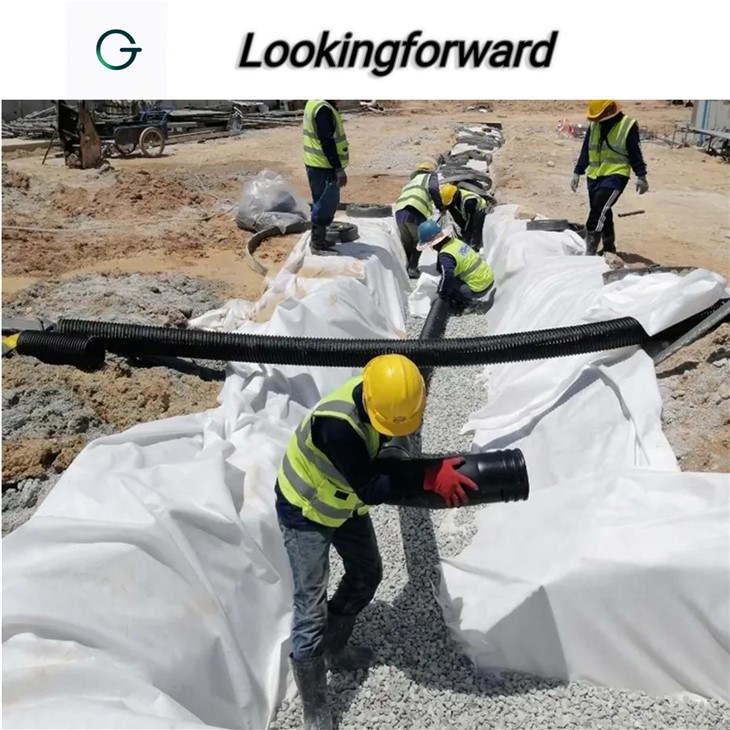
 Non Woven Geotextile Drainage FabricNon woven geotextile drainage fabric is non-woven methods that make fibers or yarns into continuous flat materials. It is better water-conducting material, which can form drainage channels in the soil structure to drain excess liquid and gas from the soil structure.
- Non Woven Needle Punched GeotextileNon Woven needle punched geotextile is a robust material suitable for a variety of applications such as filtration, stabilization, separation, and drainage. It boasts a felt-like texture and remarkable water permeability, while maintaining strong dimensional stability. This Non Woven needle punched geotextile is highly durable, impervious to rot and mildew, non-biodegradable, and resistant to damage from insects and rodents.
- Polypropylene Non Woven GeotextilePolypropylene nonwoven geotextile is a robust and multifunctional fabric designed for a wide range of geotechnical purposes. With its high tensile strength and resistance to environmental elements, it is the ideal choice for soil stabilization, erosion control, and efficient drainage systems. Whether employed in road construction or landscaping projects, polypropylene nonwoven geotextile delivers dependable performance and long-lasting durability.
- Pp Geotextile Non WovenPP geotextile nonwoven is a durable and versatile fabric engineered for various geotechnical applications. Its high tensile strength and resistance to environmental factors make it an ideal choice for soil stabilization, erosion control, and drainage systems. Whether used in road construction or landscaping projects, PP geotextile nonwoven offers reliable performance and longevity.
- Needle Punched Non Woven GeotextileNeedle-punched non-woven geotextile is a versatile and essential material for various construction and civil engineering applications. This geotextile is designed with a random, three-dimensional pore structure, ensuring exceptional water permeability.
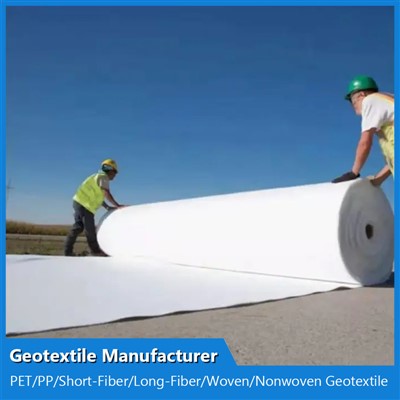
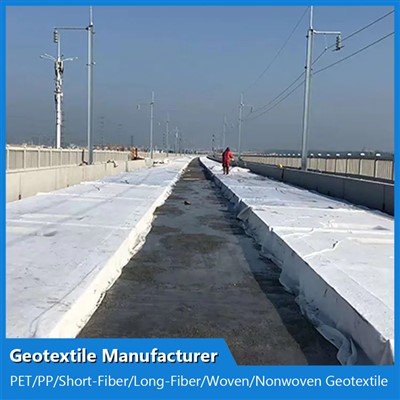
- Geotextile Fabric for Road ConstructionGeotextile fabric for road construction is an essential material designed to enhance the performance and longevity of roads. This specialized fabric, made from durable synthetic fibers, is used to separate, reinforce, and stabilize different layers of the road structure. It effectively prevents soil erosion, aids in drainage, and minimizes the risk of rutting and pothole formation.
- non woven geotextile filter fabricnon woven geotextile filter fabric (Include Geotextile 200 GSM)is designed with eco-consciousness in mind. It minimizes its environmental impact while maximizing its performance.
- Polyester GeotextilePolyester geotextile boasts outstanding tensile strength and resistance to wear and tear, ensuring its long-lasting performance even in challenging environments.Available in a variety of sizes and thicknesses, making it adaptable to a wide range of project requirements.
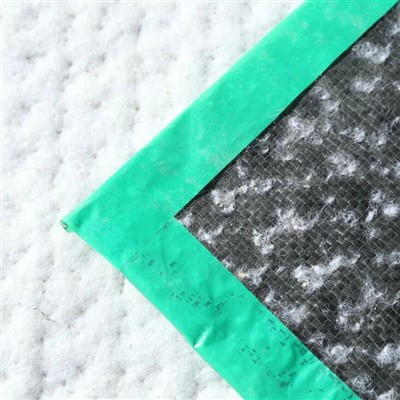
- Geosynthetic Clay LinerGeosynthetic Clay Liner (GCL) is an advanced solution for environmental containment and protection. GCL combines a layer of natural sodium bentonite clay sandwiched between two layers of geotextile or geomembrane, forming a highly effective barrier against liquids and gases. Its superior performance, cost-effectiveness, and ease of installation make it popular in various industries, including landfill construction, mining, and water management.

{item.title}
{item.description}