
‹
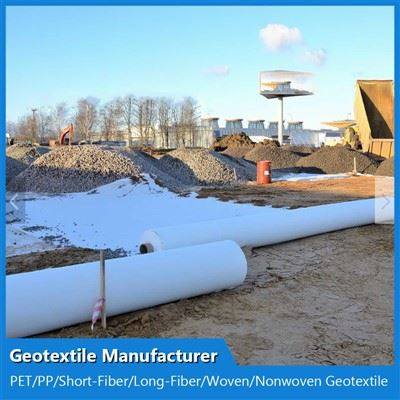
›
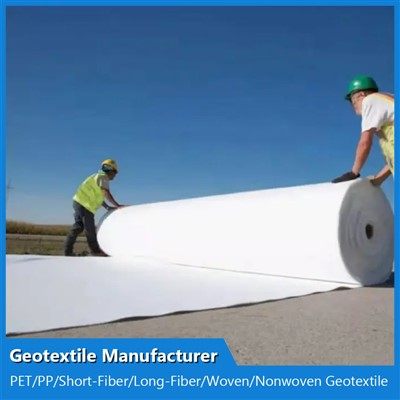
 facebook
 twitter
 linkedin
 google+
Description
What is Non-Woven Geotextile Filter Fabric?
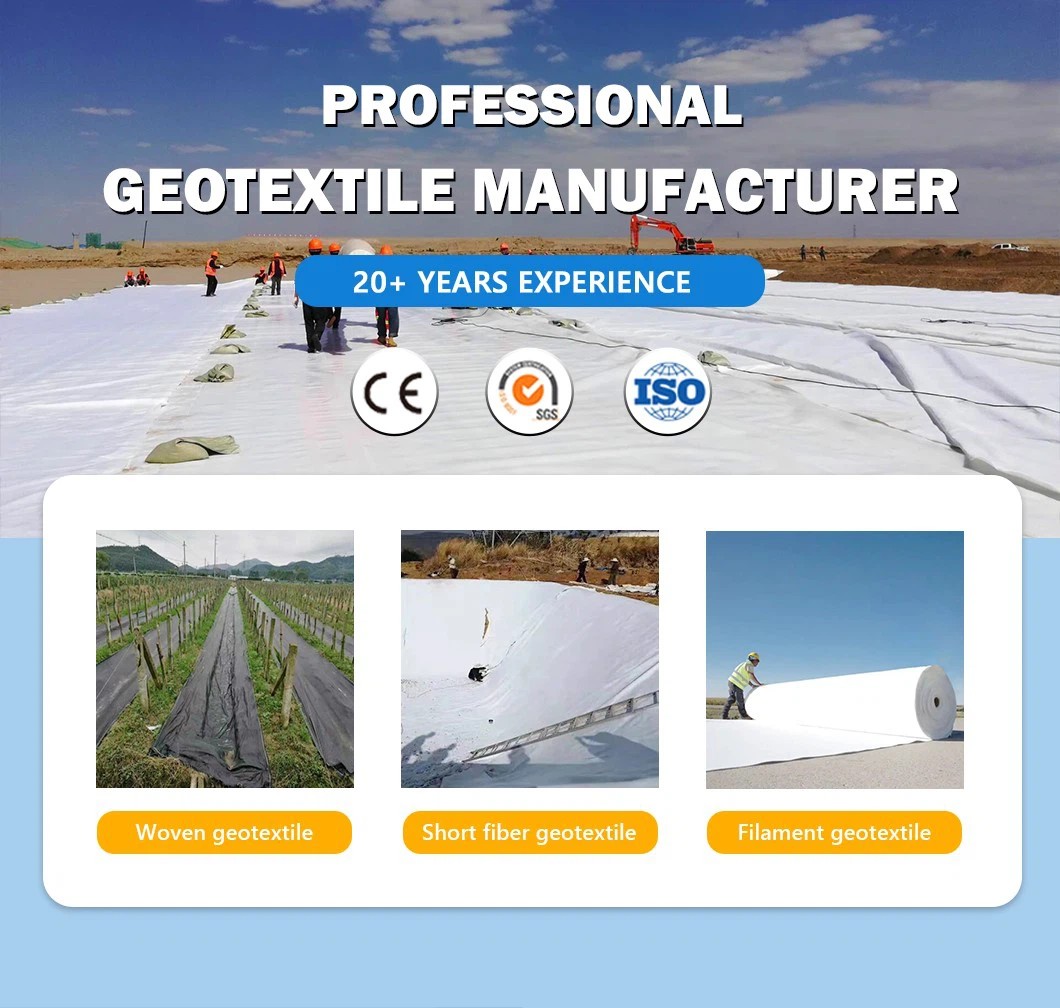
In the world of civil engineering, construction, and environmental protection, non-woven geotextile filter fabric is a versatile and essential material. This fabric, made from synthetic fibers, offers excellent filtration, separation, and drainage properties. Its unique characteristics make it indispensable in a wide range of applications, from road construction to erosion control and beyond. In this article, we will dive deep into the world of non-woven geotextile filter fabrics, exploring their properties, applications, benefits, and technical specifications.
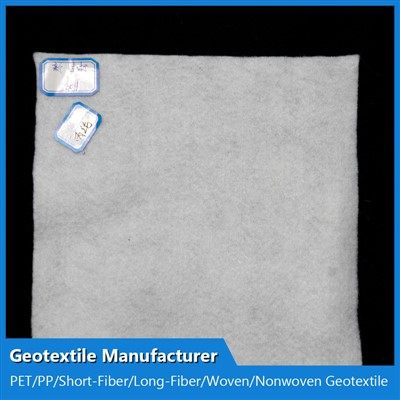
Non-woven geotextile filter fabric is a synthetic fabric made from continuous filaments or staple fibers that are bonded together using mechanical, thermal, or chemical processes. Unlike woven fabrics, which have a distinct pattern, non-woven fabrics have a random, felt-like structure that gives them unique properties, particularly for filtration and separation.
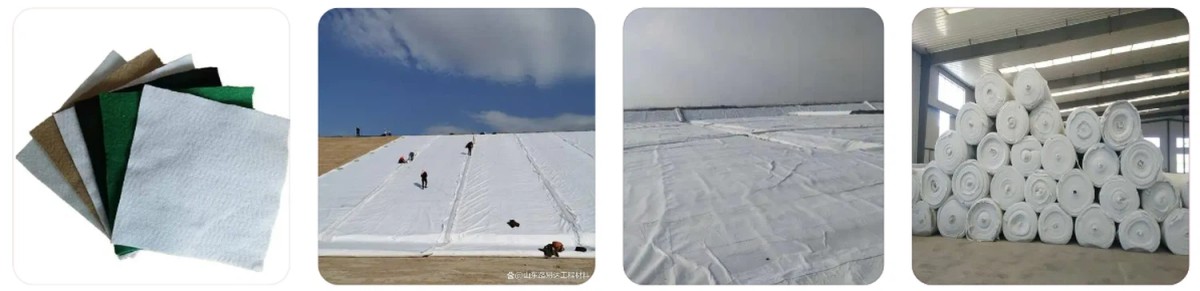
Key Properties of Non-Woven Geotextile Filter Fabric
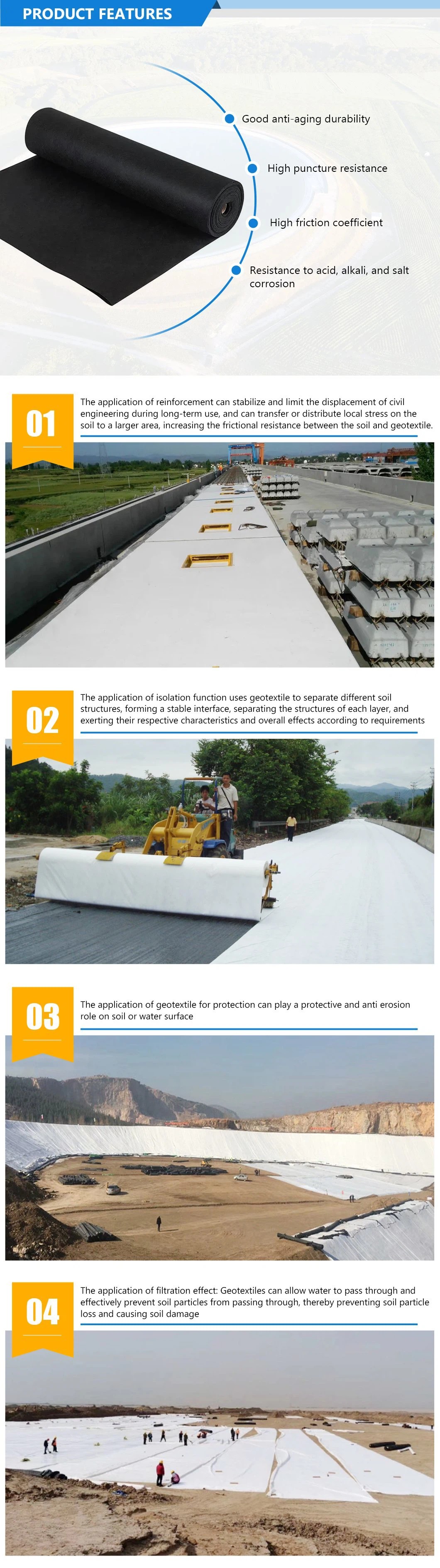
Filtration Efficiency: Non-woven geotextiles are designed to filter soil particles while allowing water to pass through. This property is crucial in preventing soil erosion and maintaining soil stability.
Permeability: These fabrics have high permeability, allowing water to flow through while trapping soil particles. This makes them ideal for drainage applications.
Tensile Strength: Despite their lightweight nature, non-woven geotextiles offer excellent tensile strength, providing durability and resistance to damage.
Chemical Resistance: Non-woven geotextiles are resistant to a wide range of chemicals, including acids and alkalis, making them suitable for various environmental conditions.
UV Resistance: Many non-woven geotextiles are treated to resist UV radiation, extending their lifespan when exposed to sunlight.
Flexibility: The flexible nature of non-woven geotextiles allows them to conform to irregular surfaces, making installation easier and more effective.
Technical Specifications
To better understand the capabilities of non-woven geotextile filter fabrics, let's look at some typical technical specifications:
Applications of Non-Woven Geotextile Filter Fabric
Non-woven geotextile filter fabrics are used in a variety of applications due to their versatile properties. Here are some common uses:
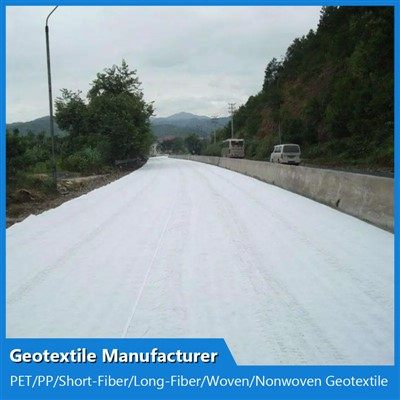
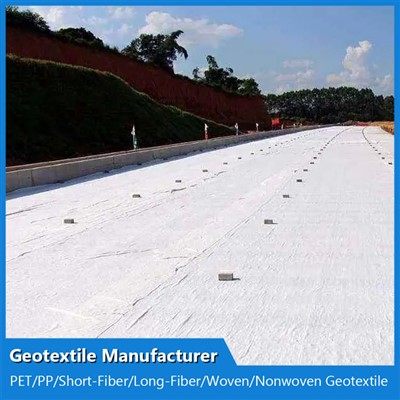
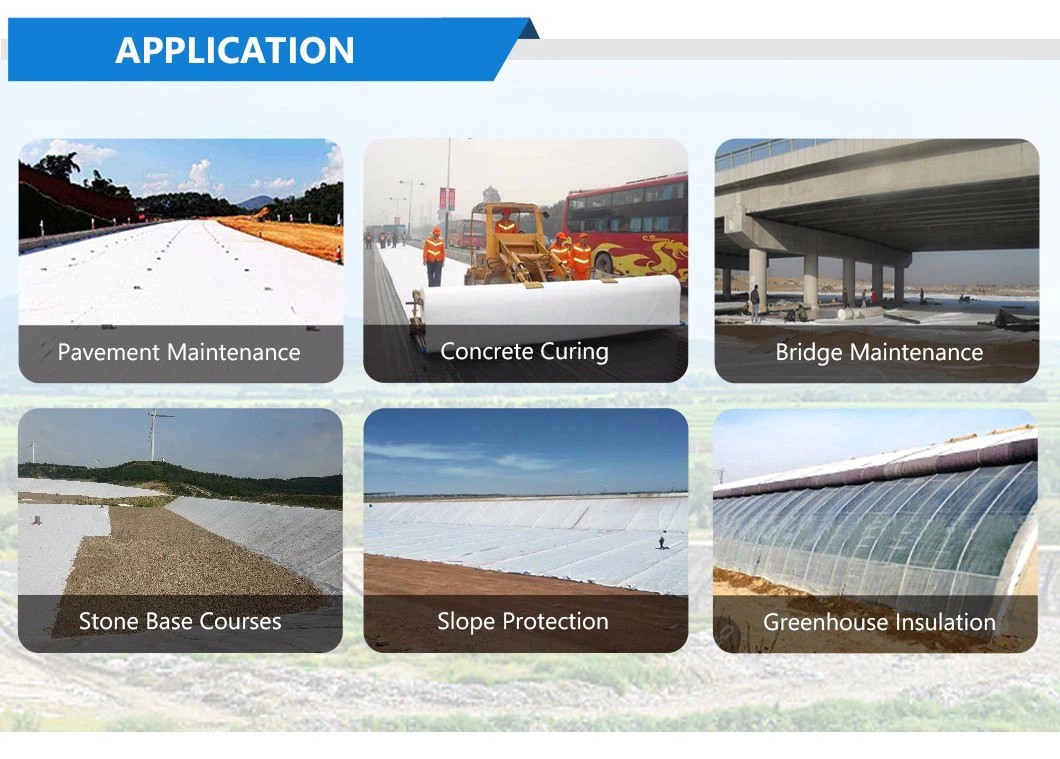
Road Construction: In road construction, non-woven geotextiles are used to separate the subgrade from the aggregate base, preventing the mixing of materials and improving the stability and lifespan of the road.
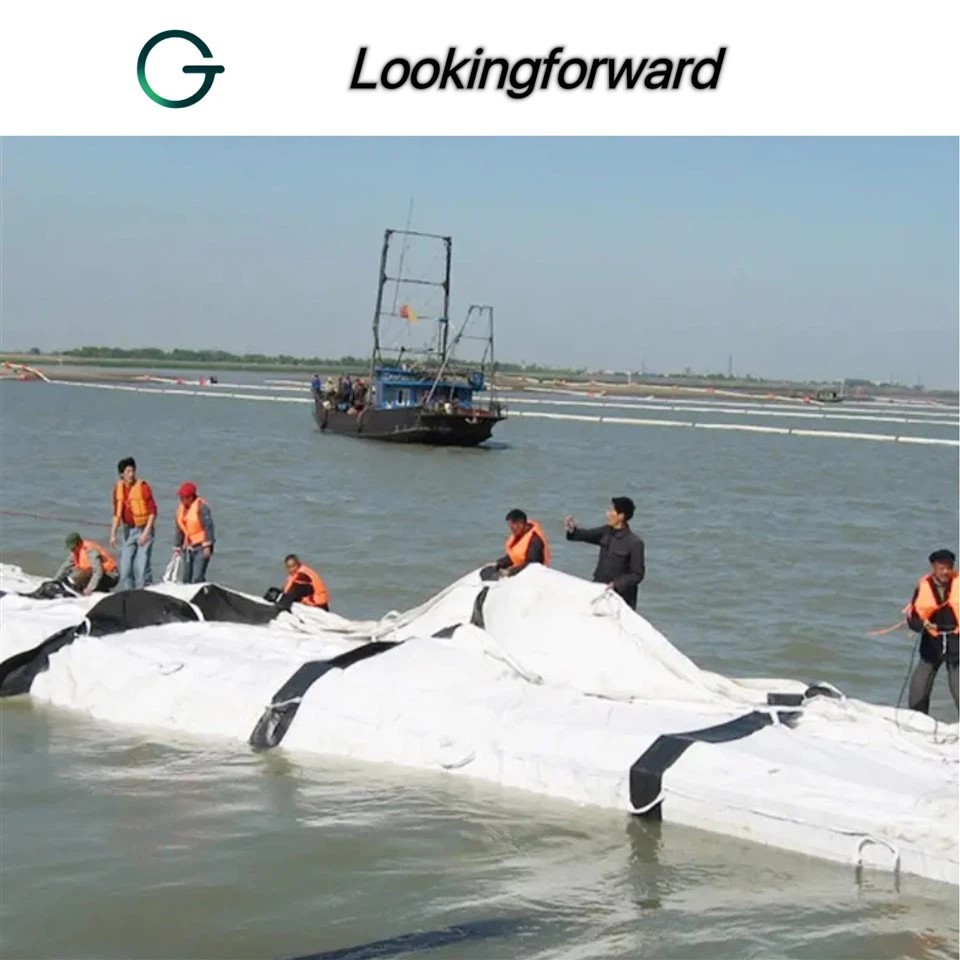
Erosion Control: These fabrics are employed in erosion control measures to prevent soil erosion on slopes, riverbanks, and shorelines by stabilizing the soil and promoting vegetation growth.
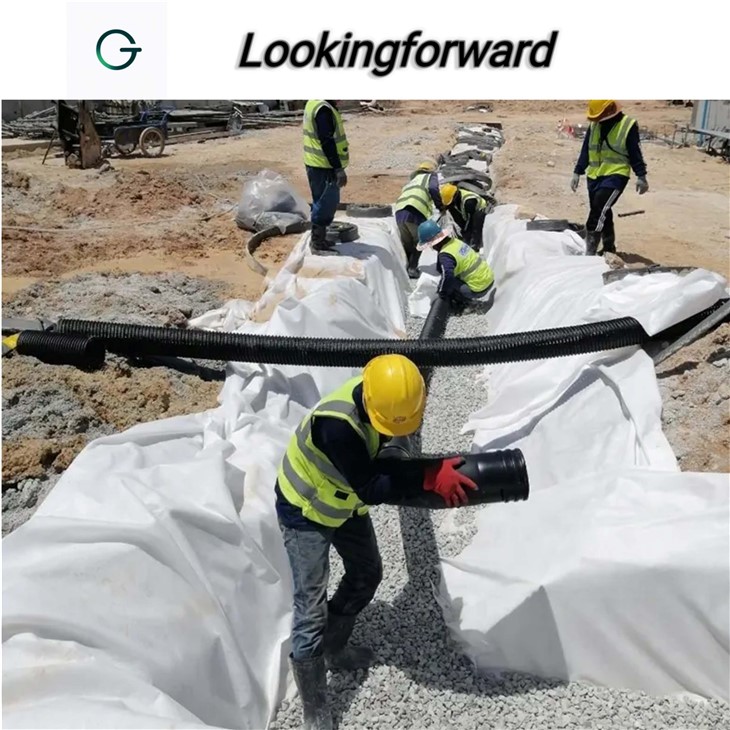
Drainage Systems: Non-woven geotextiles are used in drainage systems to enhance water flow while filtering out soil particles. They are commonly used in French drains, trench drains, and retaining walls.
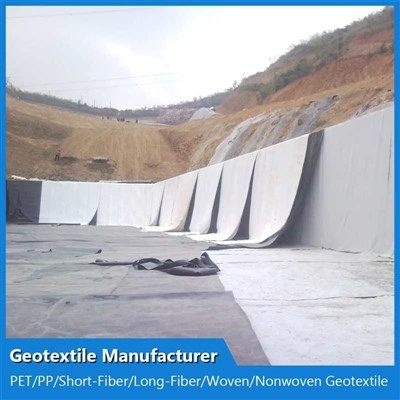
Landfills: In landfill applications, non-woven geotextiles are used as filtration layers to prevent leachate from contaminating groundwater. They also act as protective layers for geomembranes.
Agriculture: In agricultural applications, non-woven geotextiles are used for soil stabilization, drainage, and weed control, enhancing crop productivity and soil health.
Railway Construction: These fabrics are used under railway tracks to separate the ballast from the subgrade, improving track stability and reducing maintenance requirements.
Retaining Walls: Non-woven geotextiles are used behind retaining walls to enhance drainage and prevent soil pressure buildup, ensuring the longevity and stability of the structure.
Benefits of Using Non-Woven Geotextile Filter Fabric
Enhanced Filtration: Non-woven geotextiles provide excellent filtration, preventing soil particles from clogging drainage systems while allowing water to flow freely.
Improved Soil Stability: By preventing the mixing of different soil layers, these fabrics enhance soil stability, reducing the risk of settlement and erosion.
Cost-Effective: Non-woven geotextiles are cost-effective solutions for a wide range of applications, offering long-term benefits and reducing maintenance costs.
Easy Installation: The flexibility and lightweight nature of non-woven geotextiles make them easy to handle and install, saving time and labor costs.
Environmental Protection: These fabrics help protect the environment by preventing soil erosion, promoting vegetation growth, and preventing groundwater contamination.
Versatility: Non-woven geotextiles can be used in various applications, from road construction to agriculture, demonstrating their adaptability and multifunctionality.
Installation and Maintenance
Installation:
Site Preparation: The installation site must be cleared of sharp objects and debris to prevent damage to the geotextile.
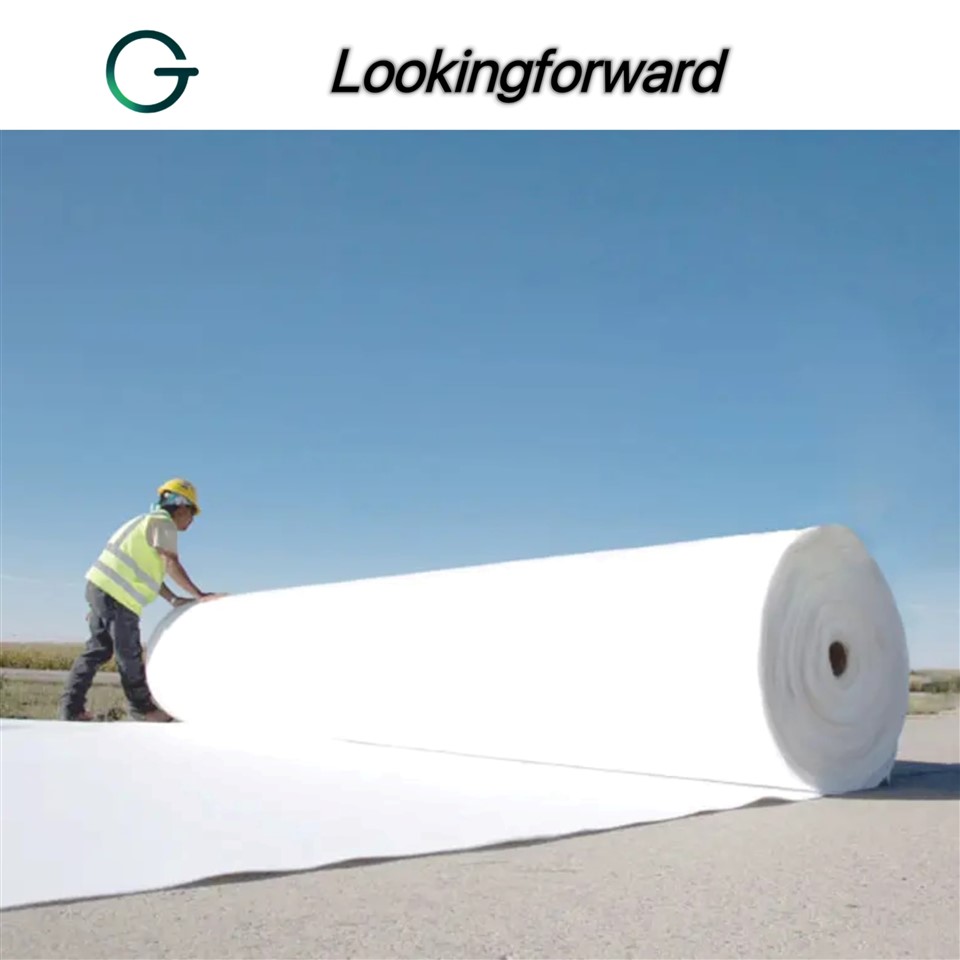
Unrolling and Positioning: The geotextile rolls are unrolled and positioned according to the project layout, ensuring proper overlap between sections.
Securing the Fabric: The geotextile is secured using pins, staples, or other anchoring methods to prevent movement during installation.
Backfilling: The area is backfilled with the appropriate material, ensuring even distribution and avoiding damage to the geotextile.
Maintenance:
Regular Inspections: Periodic inspections are necessary to detect any signs of damage or wear. Any issues should be addressed promptly.
Cleaning: In exposed applications, keeping the geotextile clean can help maintain its performance and extend its lifespan.
Repairs: If damage occurs, patches can be applied to the affected areas to restore the geotextile's integrity.
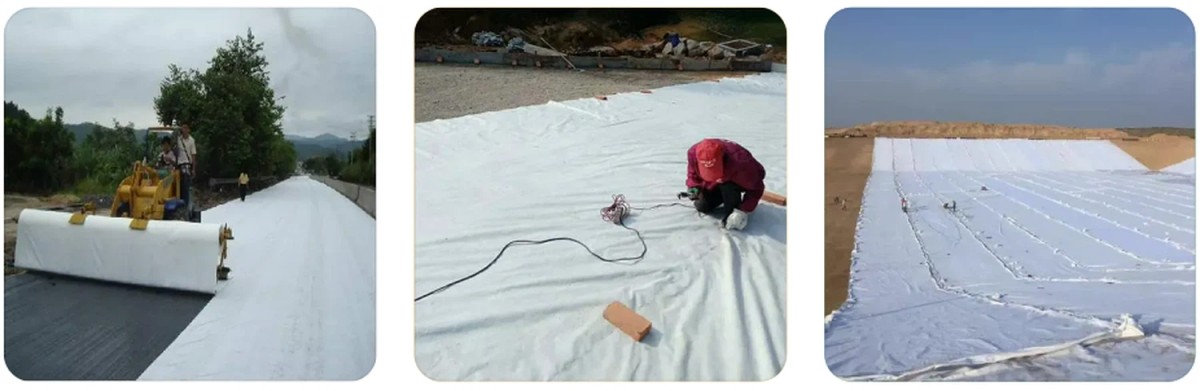
Case Studies
1. Highway Construction in Florida: Background: A major highway in Florida required a stable base to prevent settlement and improve longevity. Solution: Non-woven geotextile filter fabric was used to separate the subgrade from the aggregate base, preventing material mixing and enhancing stability. Result: The highway has experienced reduced maintenance costs and improved performance, demonstrating the effectiveness of non-woven geotextiles in road construction.
2. Erosion Control on the Mississippi River: Background: Erosion along the banks of the Mississippi River was threatening infrastructure and habitats. Solution: Non-woven geotextile filter fabric was used to stabilize the riverbanks and promote vegetation growth. Result: The erosion has been significantly reduced, and vegetation has flourished, protecting the riverbanks and nearby infrastructure.
Environmental and Safety Considerations
Non-woven geotextile filter fabrics are manufactured to meet stringent environmental and safety standards. They are free from harmful substances and do not release toxins into the environment. Additionally, many non-woven geotextiles are recyclable, contributing to sustainable construction practices. Their use in filtration and drainage applications helps protect natural resources and reduce the impact of construction activities on the environment.
Non-woven geotextile filter fabric is a critical component in modern engineering and environmental protection. Its combination of filtration efficiency, permeability, tensile strength, and chemical resistance makes it an ideal choice for a wide range of applications. Whether you are working on a road construction project, implementing erosion control measures, or developing drainage systems, non-woven geotextiles provide the reliability and performance you need.
If you are ready to enhance your project with the superior capabilities of non-woven geotextile filter fabric, contact us today. Our expert team is here to provide you with high-quality products, professional advice, and exceptional service. Embrace the power of non-woven geotextiles and ensure the success and sustainability of your next project.
About Our factory

Send Inquiry
You Might Also Like
Categories