
Get A Quote
product category
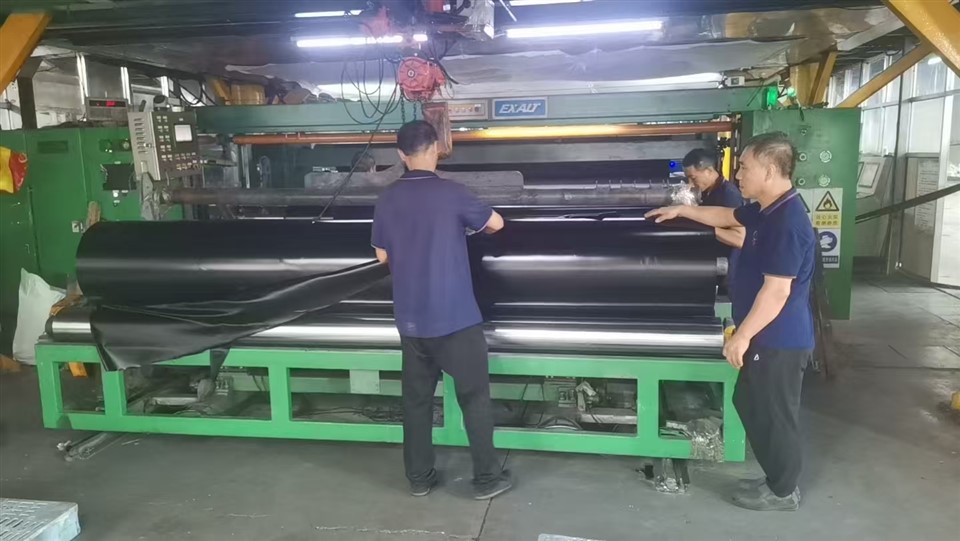
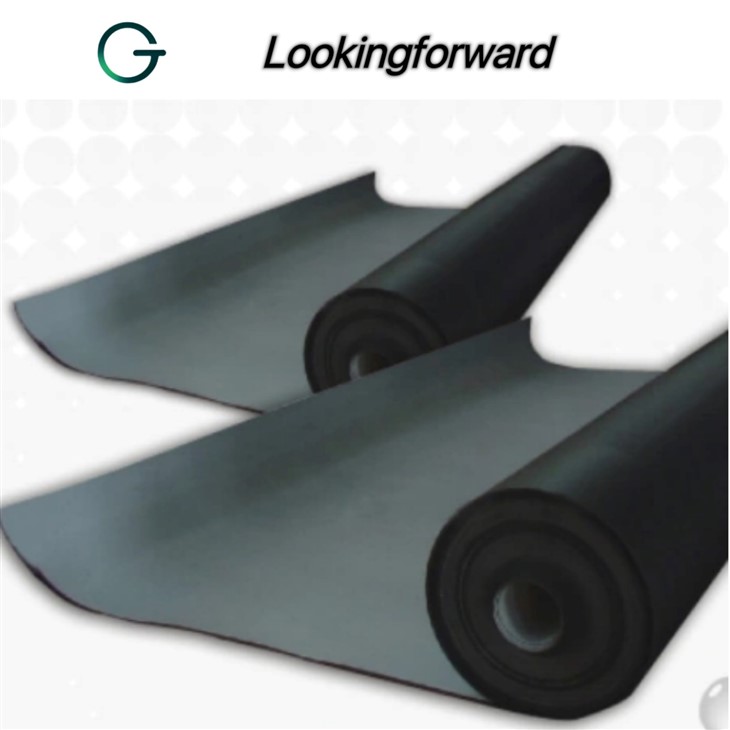
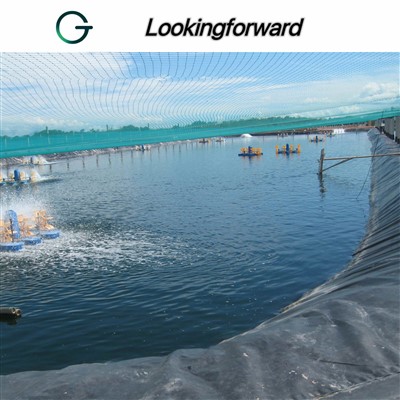
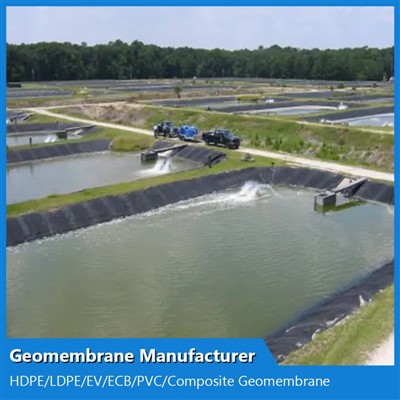
 PVC Geomembrane Manufacturer & SupplierPVC geomembrane is a flexible thermoplastic waterproofing membrane widely used for liquid containment, lining, and environmental protection projects. As an experienced PVC geomembrane manufacturer in China, Looking Forward provides high-quality PVC geomembrane liners designed to meet the demands of civil engineering, mining, landfill, and water management applications.
 PVC GeomembranePVC geomembrane liners have attracted much attention for their excellent physical properties, chemical stability, and wide range of applications in the world of geosynthetic materials. As the core material of anti-seepage engineering, PVC geomembrane plays an irreplaceable role in many fields.
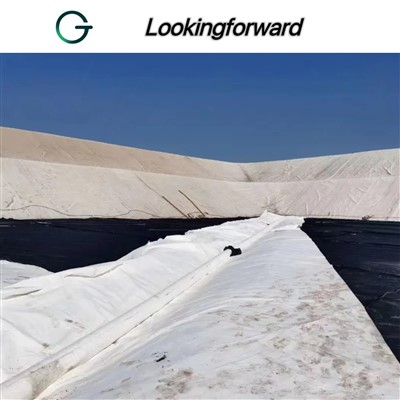
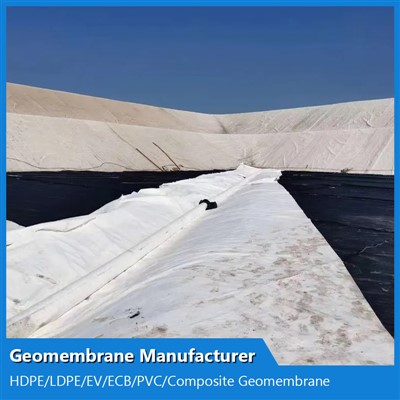
 Geomembrane and GeotextileGeomembrane and Geotextile is to paste geotextile on one or both sides of the membrane to form a compound geomembrane. Its form is one cloth and one membrane, two cloths and one membrane, two membranes and one cloth, etc. As the protective layer of the geomembrane, the geotextile protects the impermeable layer from damage. Composite geomembrane is widely used in channel seepage prevention engineering.
- HDPE GeomembraneHDPE geomembrane (high-density polyethylene geomembrane) is an environmentally friendly anti-seepage material commonly used in anti-seepage engineering, and the specifications of HDPE geomembrane are generally distinguished according to the thickness of the geomembrane. The application fields of geomembranes with different thicknesses are also different.
- LDPE GeomembraneAs a new generation of geotechnical impermeable materials, LDPE geomembrane is mainly polymerized by polyethylene, ethylene, ethylene polymer and other materials, which absorbs the flexibility of the previous geomembrane, and increases its good extensibility and ability to adapt to deformation. It greatly increases its waterproof and seepage resistance.
- Waterproof GeomembraneThe benefits of waterproof geomembranes are clear: puncture resistance, UV stability, easy installation, and a reliable seal. Choosing the right geomembrane involves considering factors like material type, thickness, and puncture resistance, as well as adhering to environmental regulations and budget constraints.
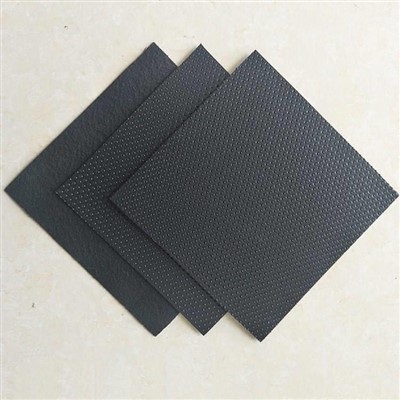
- Textured GeomembraneTextured geomembranes: Your dependable solution for superior environmental protection. With exceptional durability and resistance, these geomembranes ensure reliable containment in a variety of applications. Choose reliability, choose textured geomembranes.
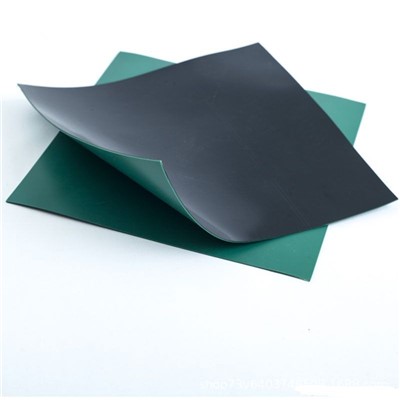
- Pvc GeomembraneDiscover the ultimate solution for safeguarding the environment and fortifying structural stability with PVC Geomembrane. Designed to be your reliable barrier against soil and groundwater contamination, these liners offer unrivaled protection for diverse applications such as landfills, mining sites, reservoirs, and industrial facilities.
- Pvc WaterproofingSelect Pvc Waterproofing for unrivaled impermeability and environmental protection. Our comprehensive service package includes secure packaging, safe transportation, and responsive after-sales support, ensuring your project's success. With us, you get peace of mind from order to installation and beyond. Trust in PVC Geomembrane Foil for reliability, cost-efficiency, and eco-conscious solutions. Your project's future is secure with us.
- Non Woven Geotextile MembraneNon Woven Geotextile Membrane is a cutting-edge impermeable material designed to meet the demanding needs of modern civil engineering projects. Comprising a combination of geotextile and geomembrane liners, this composite offers a multifaceted solution to anti-seepage requirements.
- HDPE Geomembrane LinerThe HDPE geomembrane produced by our company can be customized width: 3-6m, thickness: 0.1mm-3mm can be customized; color: black, white, green, etc. can be customized; double anti-ultraviolet: anti-ultraviolet, anti-oxidation can be customized; Uses: environmental protection, water conservancy, municipal engineering, gardens, etc.
- extured HDPE SheetTextured HDPE Sheet produced by our company can be customized width: 3-6m, thickness: 0.1mm-3mm can be customized; color: black, white, green, etc. can be customized; double anti-ultraviolet: anti-ultraviolet, anti-oxidation can be customized; Uses: environmental protection, water conservancy, municipal engineering, gardens, etc.

{item.title}
{item.description}