
‹
›
 facebook
 twitter
 linkedin
 google+
Description
PVC geomembrane liners have attracted much attention for their excellent physical properties, chemical stability, and wide range of applications in the world of geosynthetic materials. As the core material of anti-seepage engineering, PVC geomembrane plays an irreplaceable role in many fields.
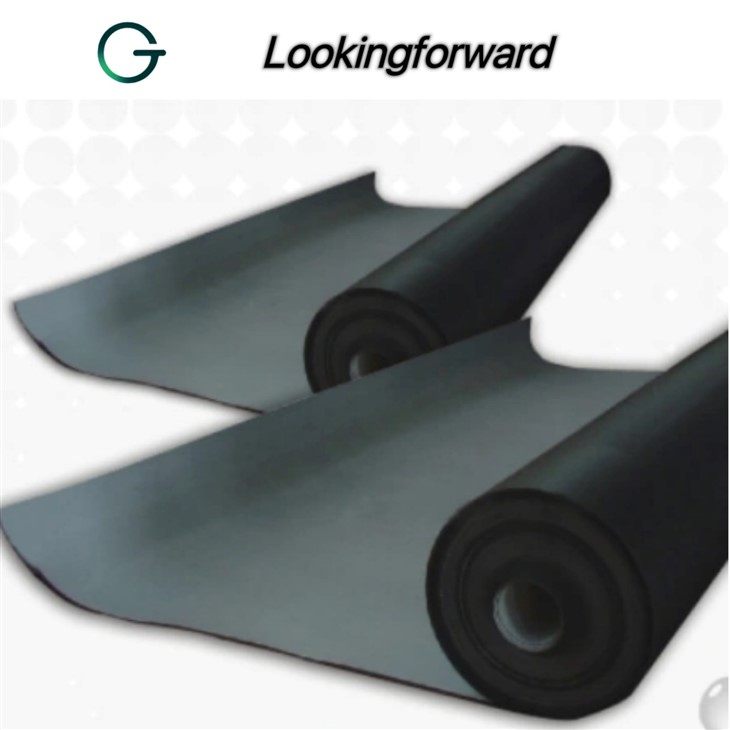
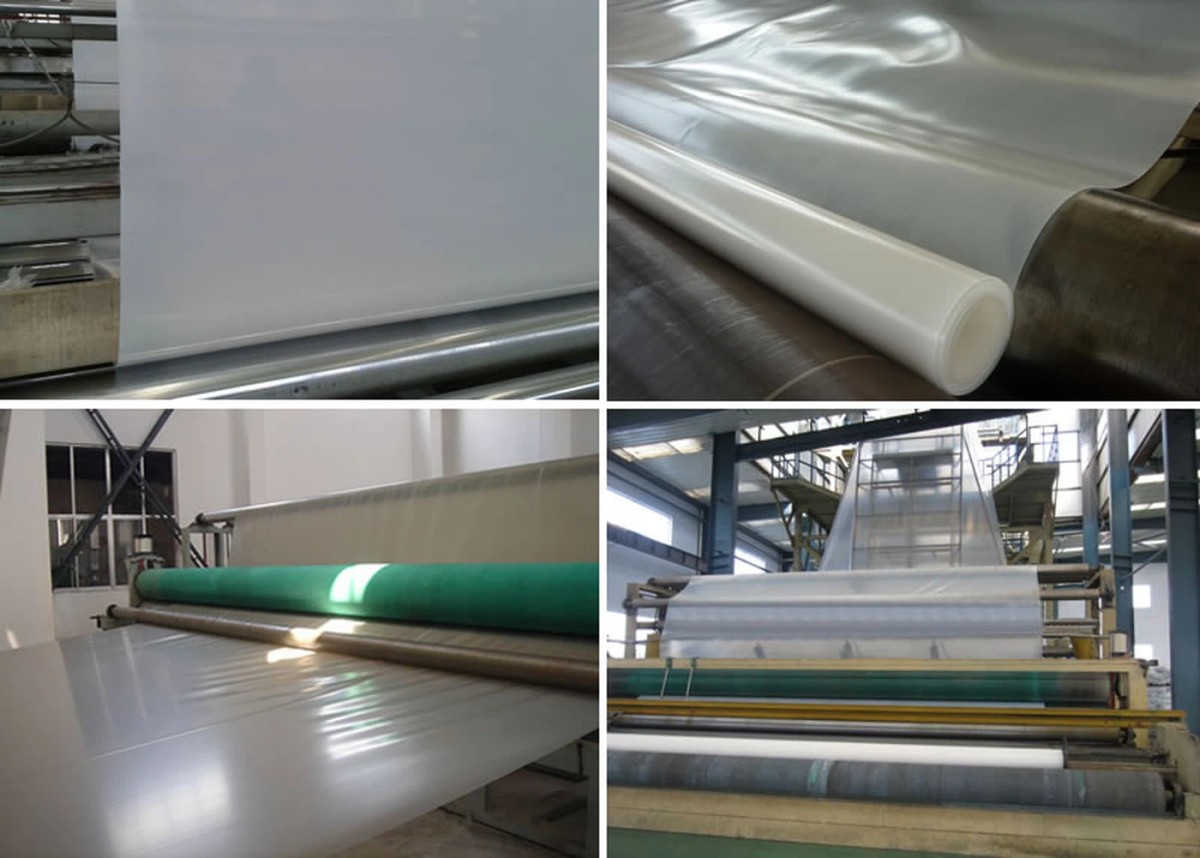
Our LK PVC manufacturing liner is made of a single-layer structure with polyvinyl chloride as the main polymer. Only use the first quality raw resin, and each material used meets or exceeds the minimum specifications of ASTM D 7176 material and ASTM D 7408 joint strength.
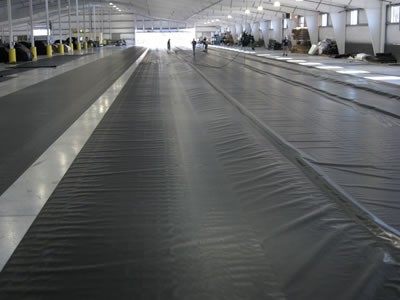
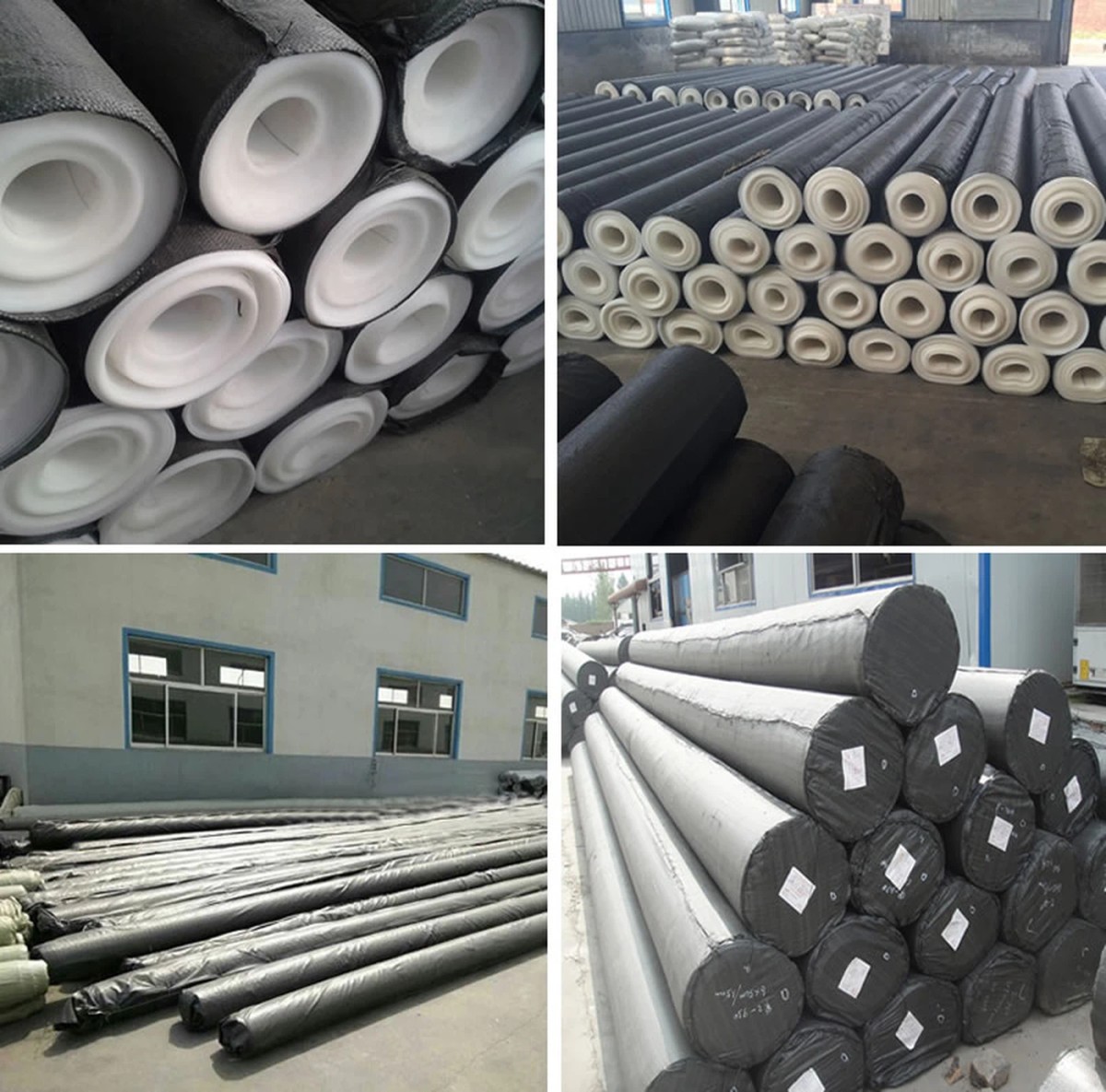
Our LK manufactured prefabricated PVC geomembrane lining panels have a size of up to 40000 square meters and can be easily folded in both directions. Then, these PVC lining panels are carefully packaged for easy installation at your project site, which will save you time and money.
Our unique testing process involves extracting samples from actual factory seams during the welding process to conduct meticulous and validated testing procedures, ensuring that every PVC geomembrane lining we create is of the highest quality.
The statistical process control (SPC) we follow ensures the quality and integrity of every PVC geomembrane liner we create.
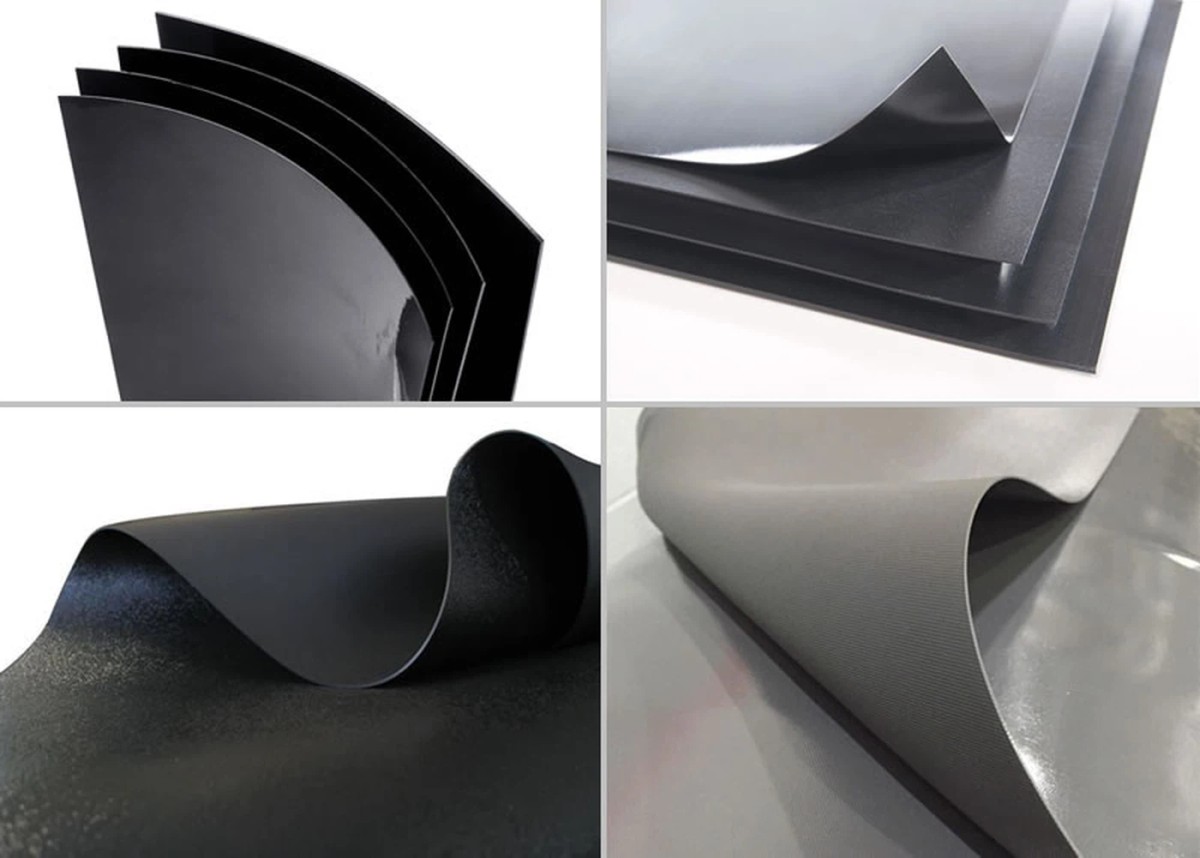
Specifications:
- Product name: PVC geomembrane.
- Material: PVC resin.
- Thickness: 0.30 mm, 0.50 mm, 0.60 mm, 0.80mm, 1.00 mm, 1.50 mm, 2.00 mm.
- Width: 2000 mm or more than 2000 mm.
- Color: black or at customized.
Quality Assurance
1. Material properties: High performance supported by precise data
PVC geomembrane is renowned worldwide for its excellent tensile strength and elongation. According to ASTM D882 standard testing, the tensile strength of PVC geomembrane can reach 28 MPa, while its elongation is usually above 300%. This characteristic enables PVC geomembrane to provide sufficient elasticity and strength in the face of complex geological conditions, ensuring the durability of the anti-seepage effect.
In addition, the low permeability of PVC geomembrane is also one of its significant advantages. According to the water vapor permeability test of ASTM D814 standard, the permeability coefficient of PVC geomembrane is usually below 1 × 10 ⁻¹² cm/s, ensuring its stability in long-term use. These data fully demonstrate the excellent performance of PVC geomembranes in various anti-seepage projects.
2. Strict standard requirements: Ensure consistency in quality
In order to ensure excellent performance of the product in various application environments, PVC geomembranes must meet a series of international standard requirements. These standards include but are not limited to:
ASTM D6497: This standard specifies key indicators such as thickness, width, tensile strength, elongation, and tear strength of PVC geomembranes. By strictly implementing this standard, PVC geomembranes can achieve uniform quality and performance standards at the factory.
ASTM D1204: This standard is used to measure the thermal shrinkage rate of PVC geomembranes. According to standard test results, high-quality PVC geomembranes typically have a thermal shrinkage rate of less than 2% at 100 ℃, ensuring their dimensional stability in high-temperature environments.
ASTM D5397: This standard tests the environmental stress cracking resistance of PVC geomembranes. The results show that PVC geomembranes that meet the standards can effectively resist environmental stress cracking and maintain material integrity under long-term stress conditions.
ASTM D746: This standard specifies the low-temperature brittleness of PVC geomembranes. Through this standard test, high-quality PVC geomembranes remain flexible under low temperature conditions and will not crack due to temperature changes, adapting to various extreme weather conditions.
These standards are not only the guarantee of product performance, but also the guidelines we strictly follow in the production process. These stringent standard requirements enable PVC geomembranes to demonstrate stable and reliable performance in various engineering applications.
Features
- Easy maintenance and low cost.
- Convenient construction and easy welding.
- Resistant to aging and has good wear resistance.
- Durable, reliable, and free from environmental pollution.
- Strong puncture resistance and can be used for planting roofs.
- Good plasticity, quick and easy processing of corners and edges.
- Chemical resistance, UV radiation resistance, suitable for special occasions.
- Has high tensile strength, excellent elongation, and small size changes after heat treatment.
- Good low-temperature adaptability, well adapted to environmental temperature differences.
- Good high and low temperature resistance, excellent hot melt performance.
- Long service life: As a ground material, it can be used for more than 30 years, and as an underground material, it can be used for more than 50 years.
Application:
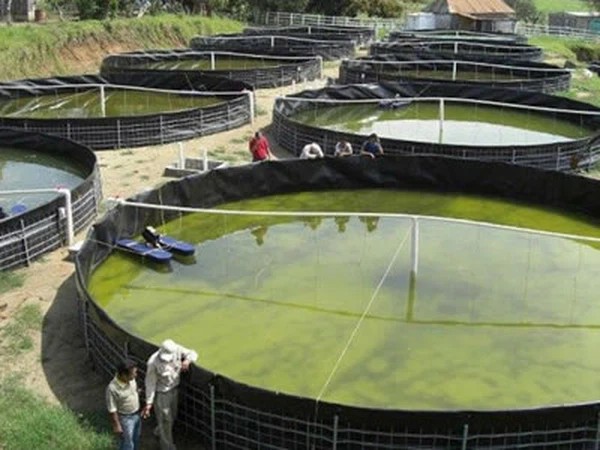
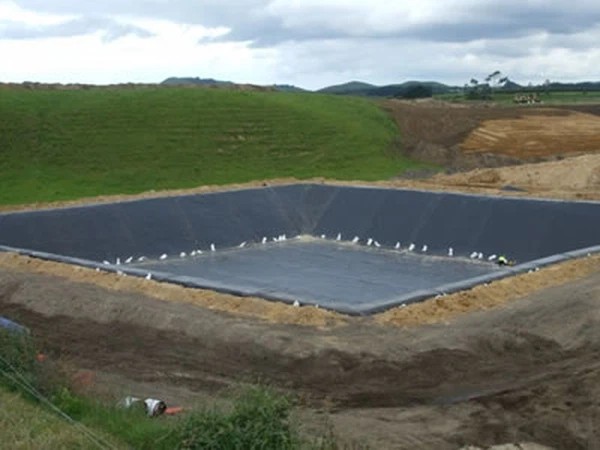
PVC geomembrane has excellent weldability and good thermal melting performance, and is widely used in various construction projects, such as:
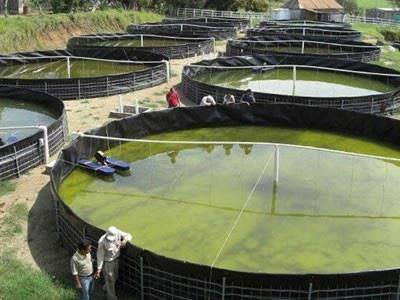
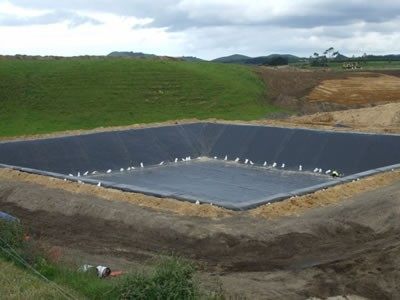
- Reservoir, water tank, dam, and sewage treatment anti-seepage measures.
- Tunnels, highways, bridges, landfills, and artificial lakes.
- Large industrial and civilian roof panels such as roofs and light steel roofs.
- Ground engineering that requires certain corrosion resistance requirements.
- Repair of rigid waterproof layer and old building concrete component layer.
- Waterproof and moisture-proof measures for sewage treatment systems, basements, or underground engineering.
- Water conservancy, municipal, construction, transportation, subway, and tunnel engineering are used for anti-seepage, isolation, reinforcement, and crack prevention.
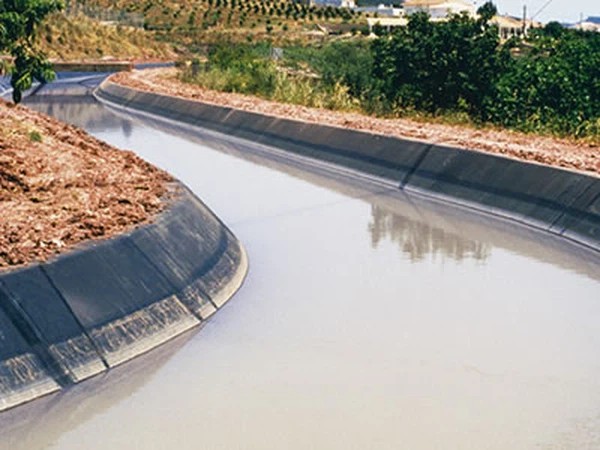
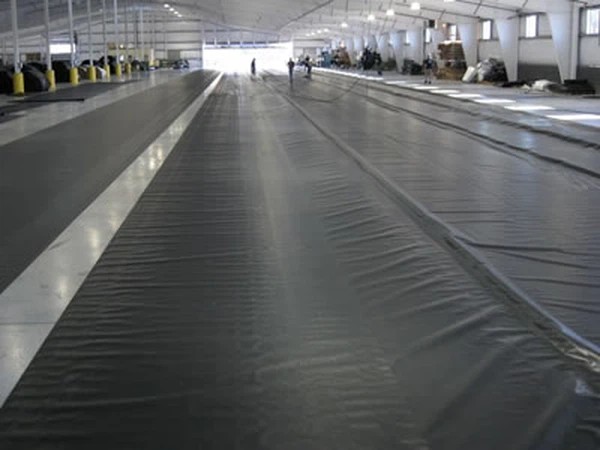
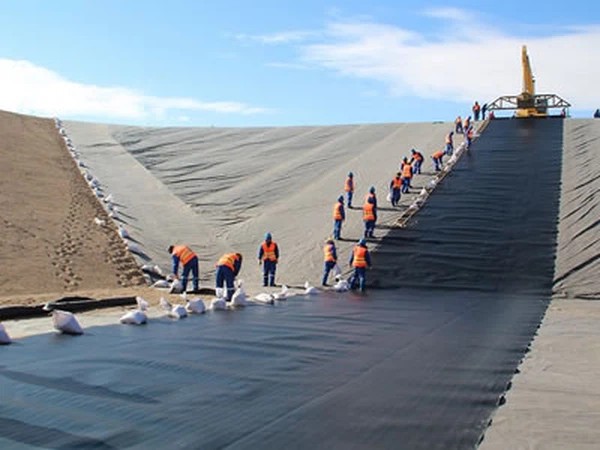
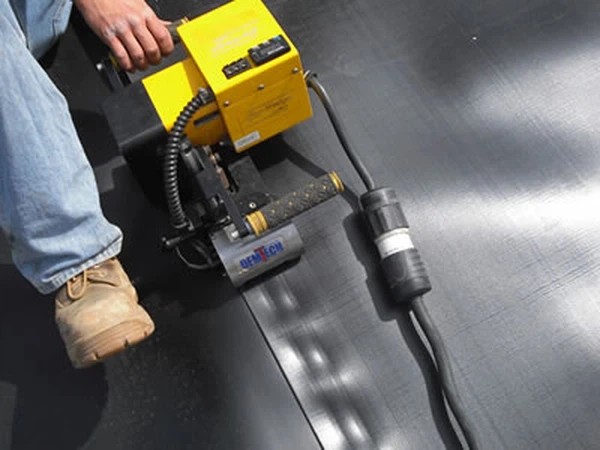
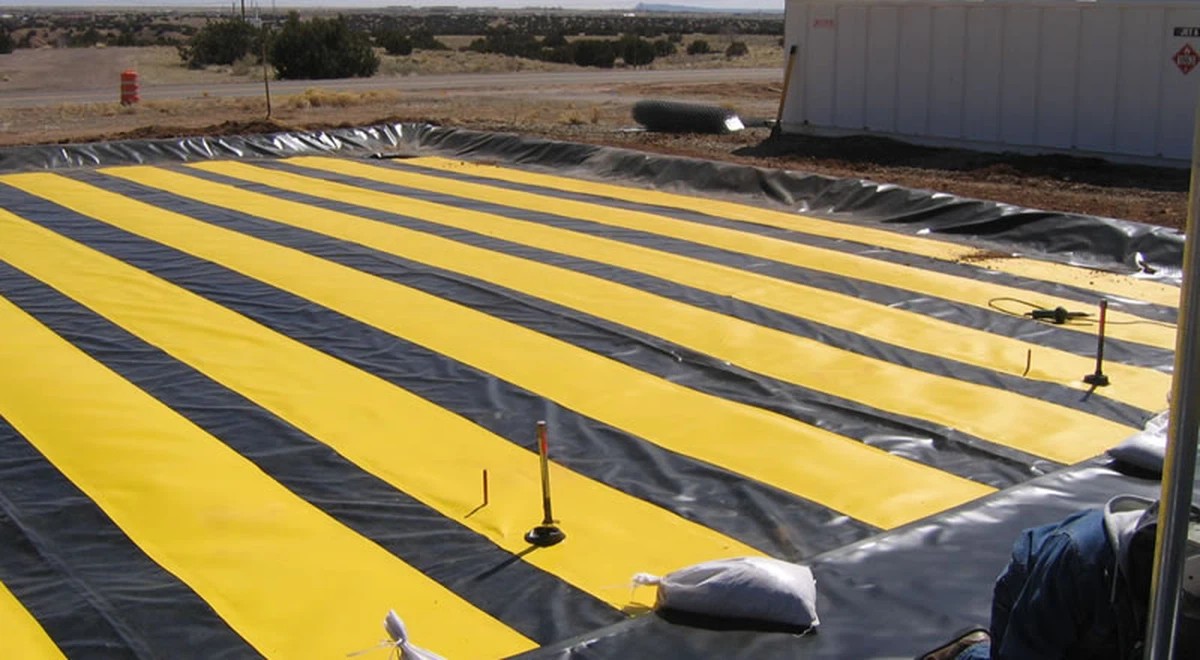
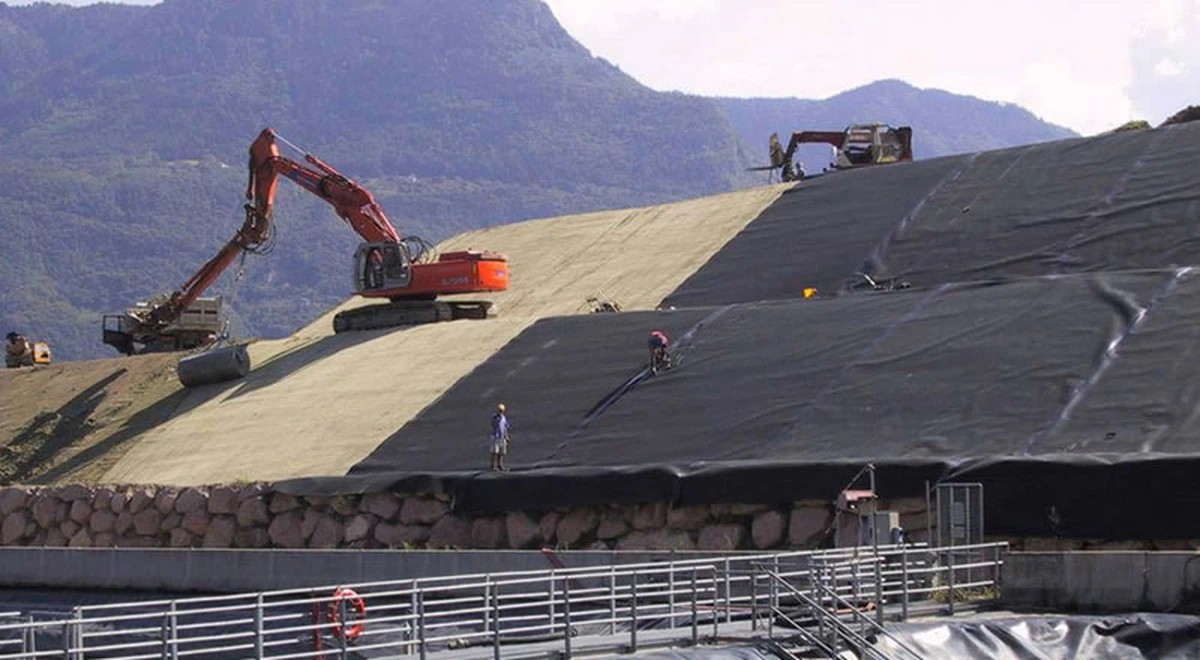
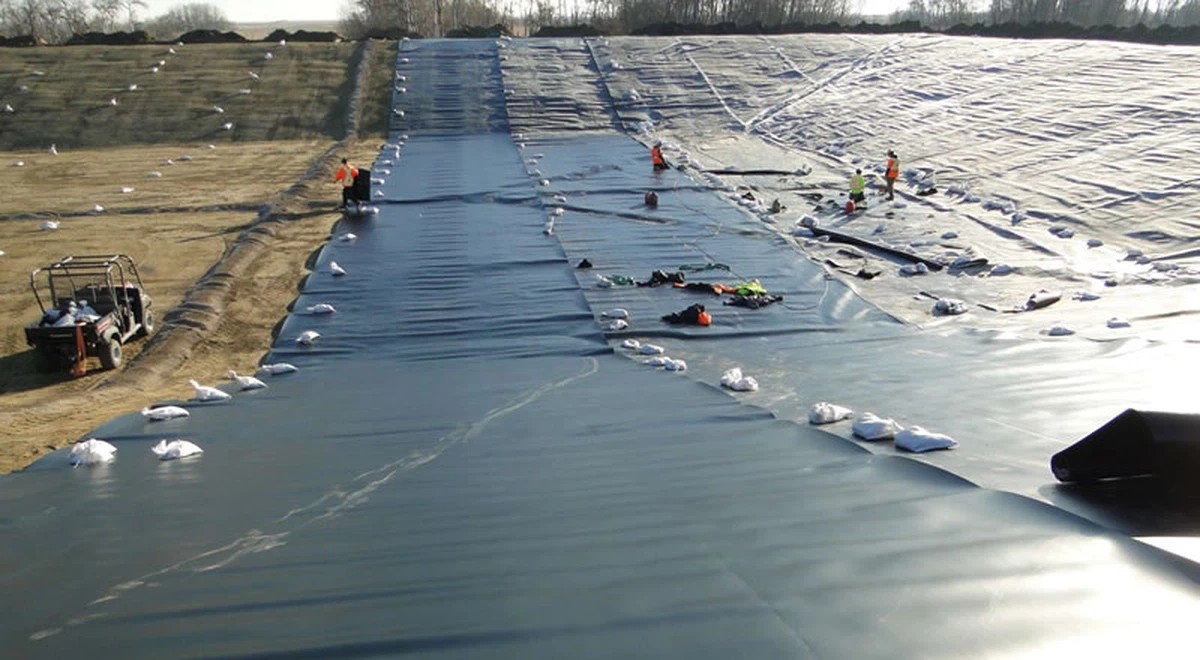
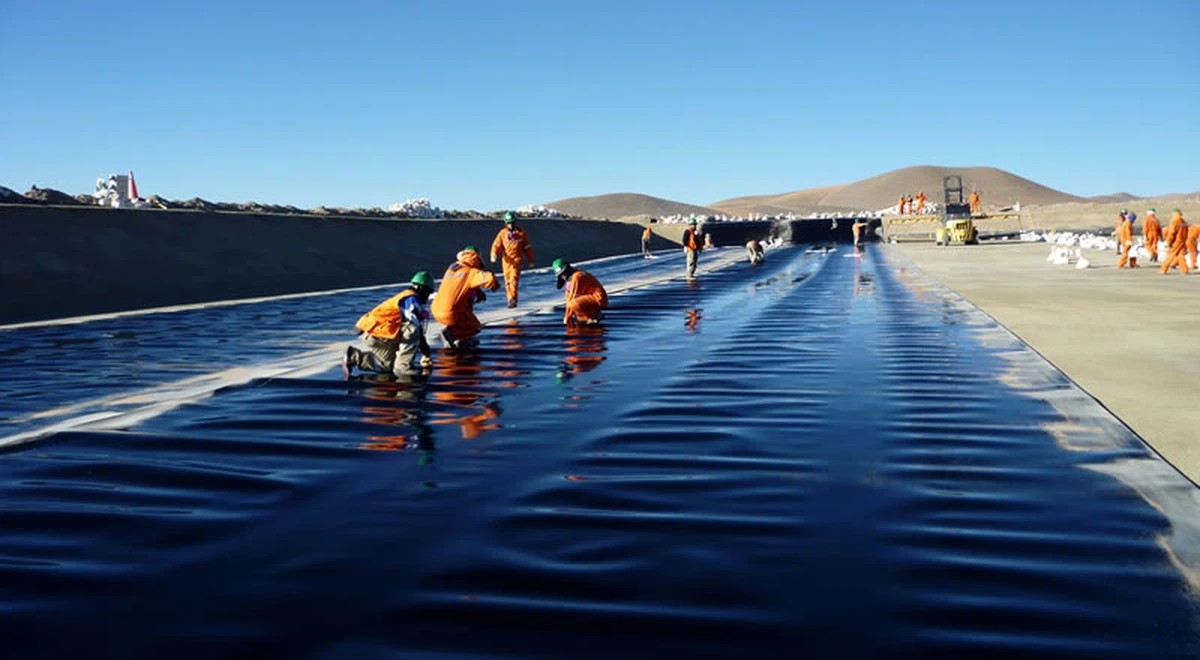
PVC geomembrane not only performs well in material properties, but is also widely welcomed for its ease of construction and maintenance. Its lightweight characteristics make transportation and laying more efficient, while its high flexibility makes welding connections more reliable, reducing the risk of water leakage during construction. According to actual construction data, the laying speed of PVC geomembrane can reach 500 square meters per hour, greatly improving the project progress.
In terms of maintenance, PVC geomembrane, due to its excellent durability, usually only requires simple regular inspections, reducing long-term maintenance costs. These data and practical application cases further validate the excellent performance of PVC geomembranes in engineering projects.
In the international market, the production and application of PVC geomembranes are strictly regulated by national standards. In Europe, PVC geomembranes must meet the EN 13361 standard, which specifies the performance requirements for geomembranes in hydraulic structures, including key indicators such as tensile strength, tear strength, and chemical corrosion resistance. In the United States, PVC geomembranes must comply with standards such as ASTM D746 and D1204 to ensure their flexibility and thermal stability under low temperature conditions.
In the Asian market, especially in Japan and China, the production and use of PVC geomembranes are also highly valued. The Japanese JIS standard and the Chinese GB standard respectively provide clear regulations on the physical properties, chemical stability, and service life of geomembranes. The strict implementation of these standards ensures the globally unified quality of PVC geomembranes.
The success of PVC geomembrane lies not only in its excellent material properties, but also in our strict adherence to high standards and in-depth analysis of every data item. By strictly implementing international standards such as ASTM and EN, our PVC geomembrane has not only won the trust of customers in the domestic market, but also been widely used and recognized worldwide.
Whether in harsh natural environments or complex engineering structures, PVC geomembrane has always been the preferred material for anti-seepage engineering due to its outstanding performance, reliable quality, and excellent economy. Our production is not only about the execution of standards, but also an unremitting pursuit of excellent quality. Behind every roll of PVC geomembrane is our commitment to high quality and precise understanding of customer needs. Choosing our PVC geomembrane means choosing quality, stability, and trust.
Send Inquiry
You Might Also Like

Categories