
‹
›
 facebook
 twitter
 linkedin
 google+
Description
Imagine a fabric so versatile and powerful that it fundamentally changes how we approach construction and environmental management. Welcome to the world of non-woven geotextile membranes. These unsung heroes of modern engineering provide solutions to complex challenges across various fields, from road construction to ecological restoration. Let's embark on a journey to explore the transformative impact of non-woven geotextile membranes, uncovering their unique properties, real-world applications, and the innovative spirit that drives their use.
The Fabric of Innovation
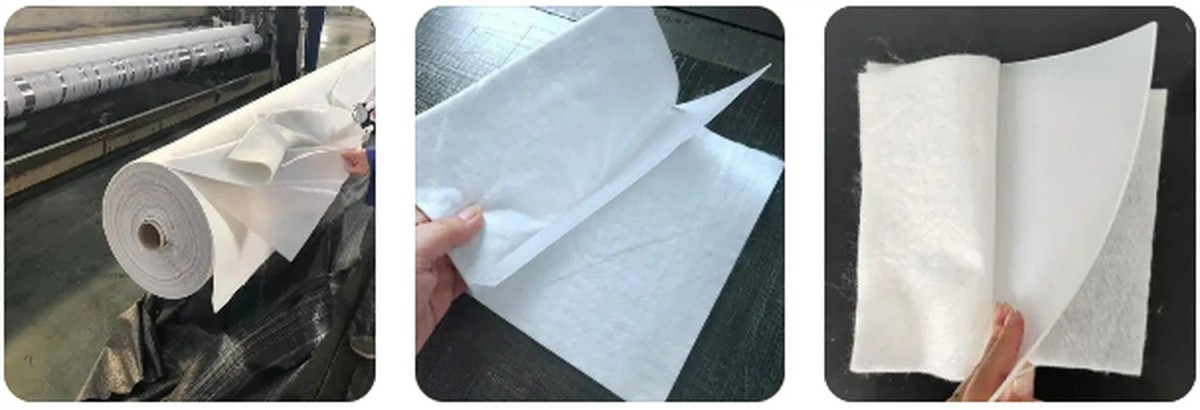
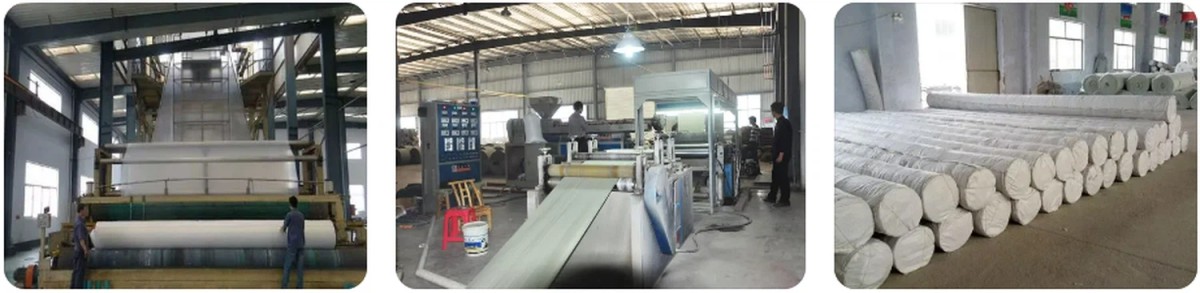
At first glance, non-woven geotextile membranes may seem like an ordinary piece of fabric, but their magic lies in their structure and performance. Unlike woven fabrics, which are made by interlacing threads, non-woven geotextiles are created from fibers bonded together in a random mat. This process, often involving needle punching, heat bonding, or chemical bonding, produces a fabric with remarkable characteristics.
Why Non-Woven?
The choice of non-woven over woven fabrics is driven by several factors:
Enhanced Permeability: Non-woven geotextiles excel at allowing water to pass through while filtering out particles. This property is crucial in applications like drainage systems and erosion control.
Flexibility and Conformability: Their flexible nature allows them to conform to various surfaces and irregular shapes, making them adaptable to diverse project requirements.
Cost-Effectiveness: With lower production costs and easy installation, non-woven geotextiles provide a cost-effective solution without compromising performance.
Composite Geomembranes: A Layered Approach
In addition to the standalone non-woven geotextile membranes, composite geomembranes represent a sophisticated evolution in geosynthetic materials. Composite geomembranes combine the strengths of both geotextiles and geomembranes, creating a product that leverages the benefits of each.
What is a Composite Geomembrane?
A composite geomembrane typically consists of a geotextile layer and a geomembrane layer. These can be configured in different ways, such as:
Single Geotextile and Single Geomembrane (1+1): This configuration pairs a single layer of geotextile with a single layer of geomembrane. It is often used in applications where both filtration and impermeability are required.
Double Geotextile and Single Geomembrane (2+1): This variant incorporates two layers of geotextile with a single geomembrane layer in between. It enhances the filtration capacity and provides additional protection against punctures and mechanical damage.
Advantages of Composite Geomembranes:
Improved Performance: The combination of a geotextile and geomembrane enhances both filtration and containment properties.
Enhanced Durability: The geotextile layer provides mechanical protection to the geomembrane, extending its lifespan.
Versatility: Composite geomembranes can be tailored to specific applications, such as landfill liners, drainage systems, and containment barriers.
The Technical Marvels: What's Under the Hood?
Delving into the technical aspects of non-woven geotextile membranes reveals why they are so effective. Here's a snapshot of their technical specifications:
Material Composition: Typically made from polypropylene (PP) or polyester (PET), these materials ensure durability and resistance to environmental factors.
Weight Range: From 100 g/m² to 600 g/m², the weight of the fabric can be tailored to meet specific project needs.
Thickness and Strength: With thicknesses ranging from 1 mm to 6 mm and tensile strengths from 5 kN/m to 50 kN/m, non-woven geotextiles are designed to handle various loads and stresses.
Permeability Rates: They offer water permeability rates between 0.5 cm/s and 1.0 cm/s, crucial for effective drainage.
Temperature Tolerance: Operating effectively between -30°C and +80°C, they withstand extreme conditions.
UV Resistance: High UV resistance ensures longevity and performance even under prolonged sunlight exposure.
Real-World Impact: Where Theory Meets Practice
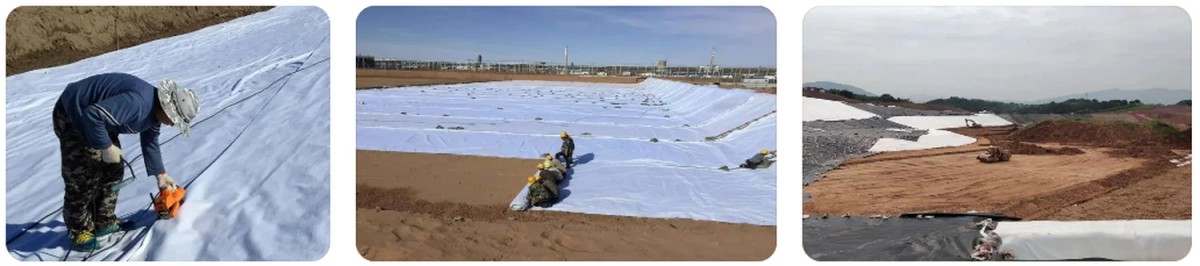
To understand the true value of non-woven geotextile membranes, let's explore their impact through real-world applications.
1. Road Construction:
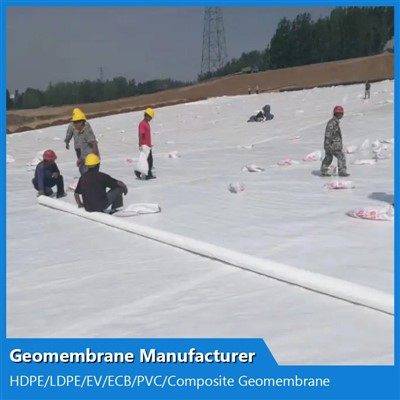
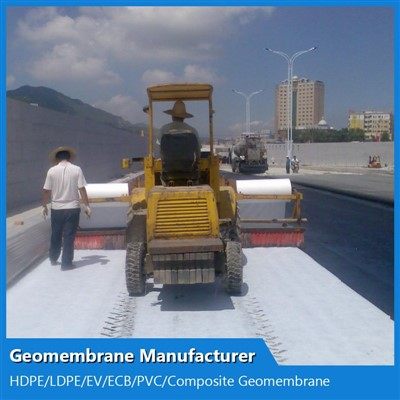
Imagine a highway construction project where the soil is prone to shifting and waterlogging. Non-woven geotextiles act as a separator between the subgrade and aggregate layers, preventing soil migration and ensuring a stable road base. By improving load distribution and drainage, they extend the lifespan of the road and reduce maintenance costs.
2. Erosion Control:
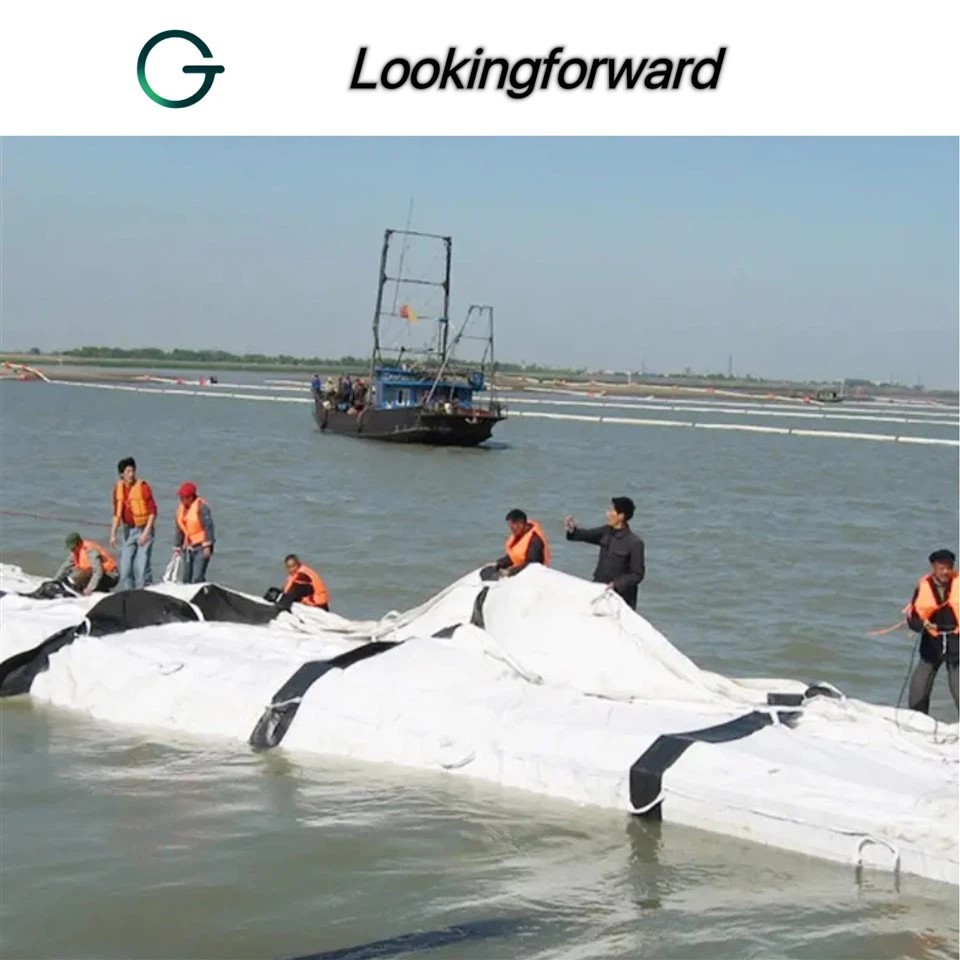
Consider a hillside project where soil erosion poses a significant risk. Non-woven geotextiles are used to stabilize the slope and prevent soil loss. They provide a filtering layer that allows water to pass through while holding the soil in place, promoting vegetation growth and enhancing slope stability.
3. Landfill Lining:
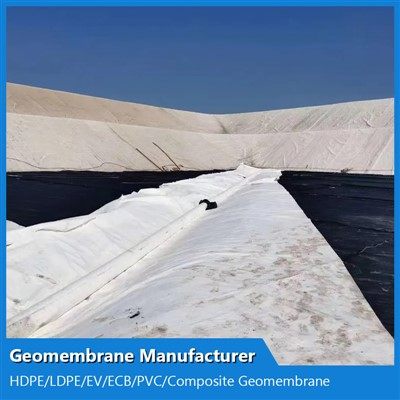
In landfill management, non-woven geotextiles serve as a critical component of the containment system. They prevent the migration of leachate and protect the environment from potential contamination. Their durability and resistance to chemical attack make them an ideal choice for this application.
4. Drainage Systems:
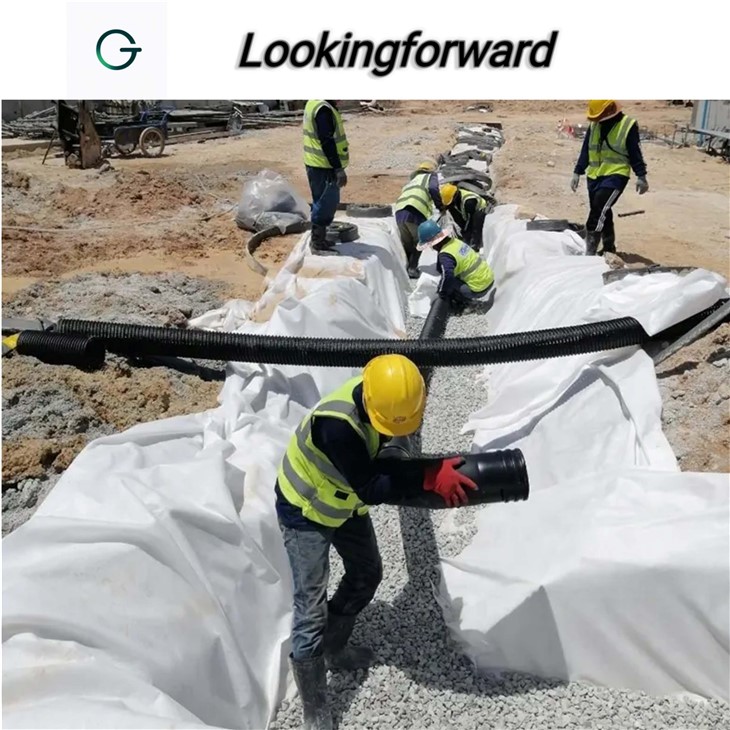
For drainage systems, non-woven geotextiles provide essential filtration and drainage functions. By preventing clogging and ensuring efficient water flow, they enhance the performance of drainage systems in various settings, from urban infrastructure to agricultural fields.
The Future of Construction: Embracing Innovation
The evolution of non-woven geotextile membranes reflects a broader trend in construction and environmental management-embracing innovative materials that offer superior performance and sustainability. As we continue to face challenges related to infrastructure durability, environmental protection, and resource management, non-woven geotextiles stand out as a beacon of progress.
Their ability to adapt to various applications, coupled with their technical advantages, makes them a valuable asset in modern construction. Whether it's enhancing road stability, controlling erosion, or managing waste, non-woven geotextile membranes are at the forefront of engineering solutions.
As we look to the future, the role of non-woven geotextile membranes will likely expand, driven by ongoing advancements in material science and engineering. By embracing these innovations, we can achieve more efficient, sustainable, and resilient construction practices.
So, the next time you encounter a project that demands durability, flexibility, and effective filtration, consider the transformative power of non-woven geotextile membranes. They are not just a fabric-they are a revolution in modern construction and environmental stewardship.
Send Inquiry
You Might Also Like

Categories