
‹
›
 facebook
 twitter
 linkedin
 google+
Description
What is LDPE Geomembrane?
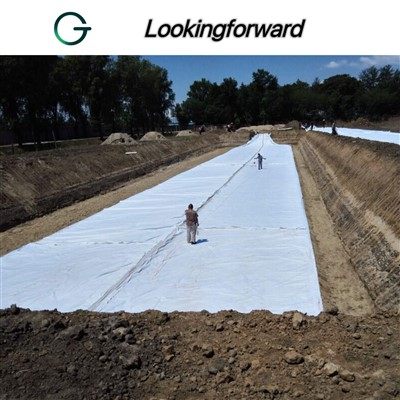
Geomembrane is a geomembrane with plastic membrane as an impermeable substrate and a non-woven fabric composite into a geotechnical impermeable material, and the impermeability of the new material geomembrane mainly depends on the impermeability of the plastic membrane. The plastic membranes used in anti-seepage at home and abroad mainly include polyvinyl chloride (PVC) and polyethylene (PE), EVA , etc.
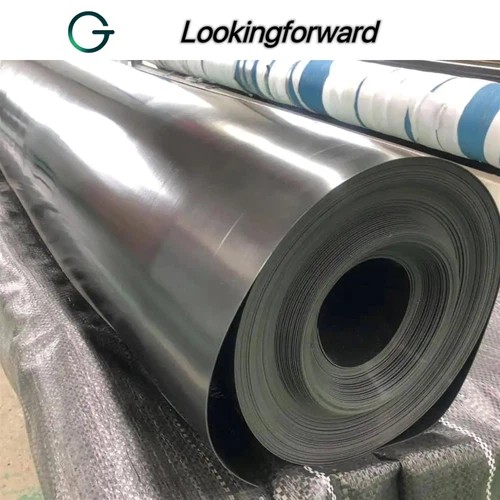
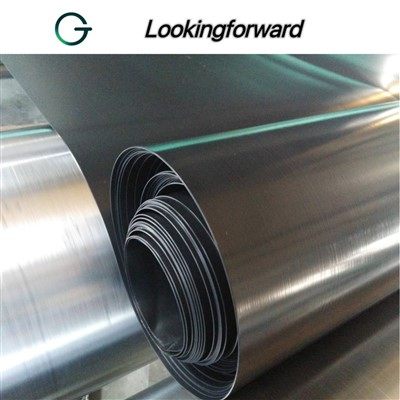
LDPE geomembrane is a product with anti-seepage and heat preservation function made of plastic membrane as the base material, LDPE, LLDPE, EVA as raw materials, and blown molding and casting process. It has better tensile strength and flexibility, and is a new generation of geotechnical impermeable material.
What are the basic properties of LDPE geomembrane?
1. High strength and durability: LDPE geomembrane is a high-strength material with good tensile and tear resistance, so it has a long service life.
2. Good anti-seepage performance: LDPE geomembrane has good anti-seepage performance and can be widely used in various water conservancy projects and marine projects.
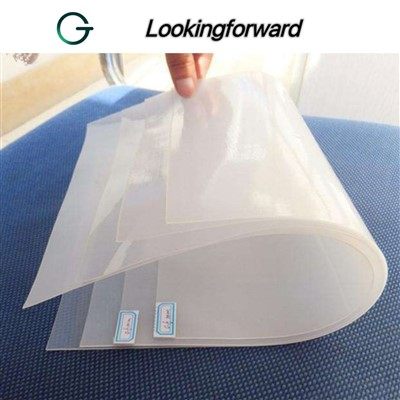
3. High transparency: LDPE geomembrane has high transparency, which can be used for the protection of transparent pipes and containers.
4. Reusable: LDPE geomembrane can be used many times, even if it is torn or damaged, it can be recycled.
5. Good chemical resistance: LDPE geomembrane has good chemical resistance and can resist the erosion of most chemical substances, such as acid, alkali, salt, etc.
6. Good wear resistance: LDPE geomembrane has good wear resistance and can withstand long-term friction and wear.
7. Good tensile strength: LDPE geomembrane has high tensile strength and can withstand large tensile force.
8. LDPE geomembrane uses low-density polyethylene resin as raw material for production, and the quality of this product is the lightest among polyethylene resin materials.
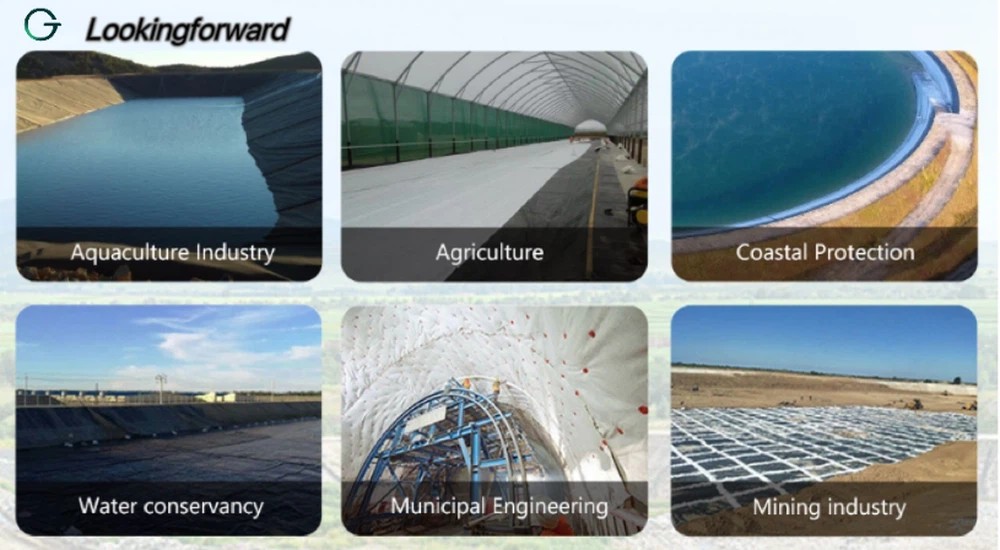
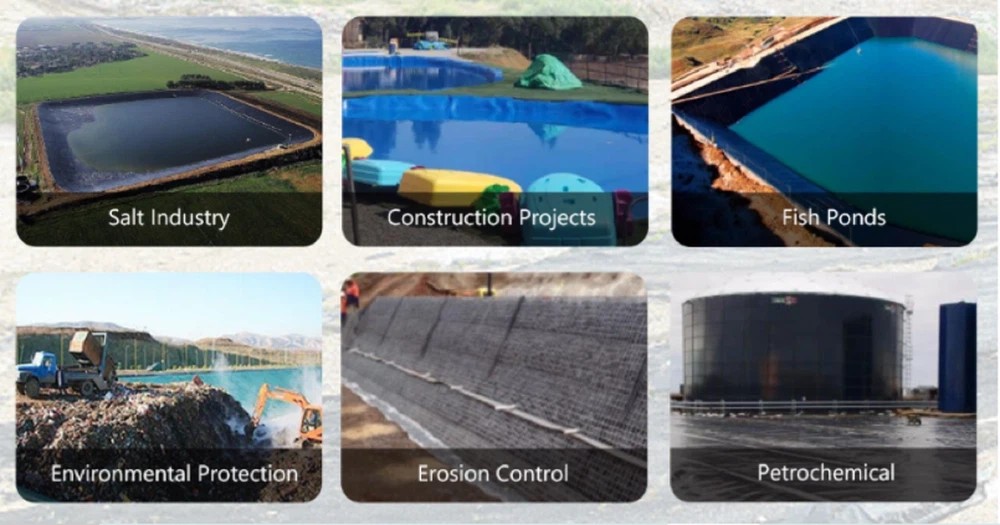
Suitable for LDPE geomembrane scenarios
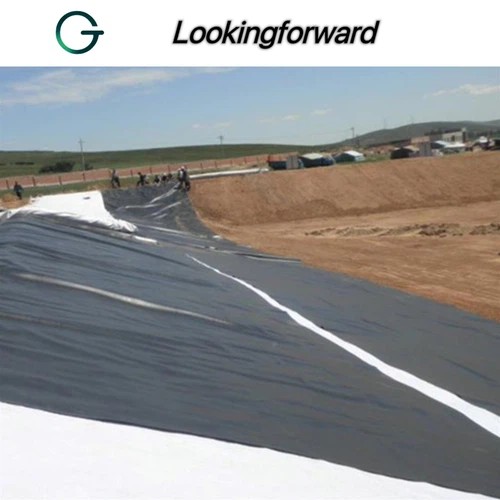
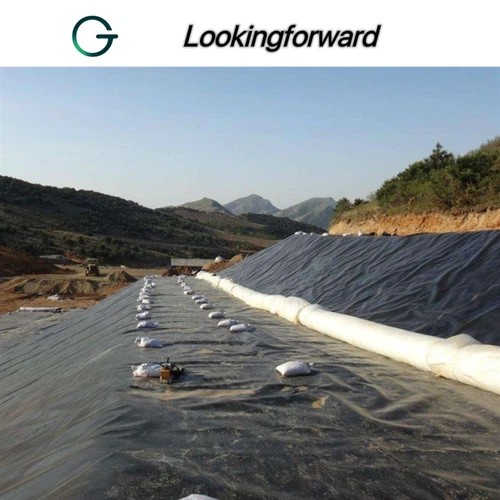
In many fields, LDPE and HDPE geomembranes each have their advantages. Below are some fields where LDPE geomembranes are more suitable, along with explanations of why LDPE is better suited for these applications:
Water Projects on Complex Terrain:
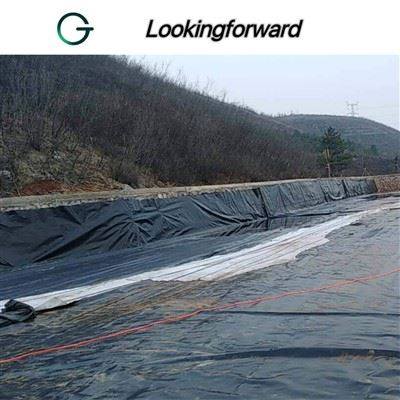
Reason: LDPE geomembranes have greater flexibility, allowing them to better conform to irregular terrain and ground settlement. For example, when laying a liner in rocky or steep areas, LDPE can better adhere to the surface, reducing the risk of cracking or damage.
Solid Waste Landfills in Colder Climates:
Reason: LDPE remains flexible in low-temperature environments without becoming brittle, making it ideal for landfills in cold regions. Using LDPE geomembranes ensures the integrity and longevity of the containment system.
Agricultural Water Facilities:
Reason: LDPE geomembranes perform well in agricultural applications like irrigation channels, reservoirs, and fish ponds. Their flexibility and UV resistance make them suitable for long-term outdoor exposure and easier to install and repair.
Emergency Protection Projects:
Reason: In emergency situations requiring quick response, such as flood protection or chemical spill containment, LDPE geomembranes are easy to handle and deploy, providing effective short-term protection.
Short-Term or Temporary Projects:
Reason: Due to the ease of welding and relatively lower cost, LDPE geomembranes are particularly suitable for short-term or temporary containment projects. For example, temporary ponds or construction site waterproofing can benefit from LDPE's ease of installation and removal.
In summary, LDPE geomembranes are more suitable for projects requiring high flexibility, low-temperature adaptability, temporary or emergency protection. These characteristics make LDPE perform better in these fields, while HDPE geomembranes may be more appropriate for situations requiring high strength, chemical resistance, and long-term durability.
Technical Data Sheet
When should you use LDPE geomembrane instead of HDPE geomembrane?
Deciding whether to use LDPE or HDPE geomembrane mainly depends on the specific needs of your project and environmental conditions. Let's break it down in simple terms.
LDPE geomembrane (Low-Density Polyethylene) is softer and more flexible, making it ideal for projects where the material needs to bend or be laid over complex terrains. For example, if you're installing a liner on a rocky hillside, LDPE geomembrane is better suited because it can adapt more easily to the uneven surfaces. LDPE geomembrane has an elongation at break that can exceed 600%, meaning it can stretch significantly under stress without tearing.
On the other hand, HDPE geomembrane (High-Density Polyethylene) is tougher, more durable, and has superior chemical resistance. If your project involves something like a wastewater treatment pond or a chemical storage facility, HDPE geomembrane would be a better choice because it can better withstand strong acids, bases, or other harsh chemicals. The tensile strength of HDPE geomembrane typically reaches up to 25 MPa, which is about 50% higher than that of LDPE, making it more suitable for scenarios requiring higher strength protection.
To sum it up, if your project requires a liner that can better conform to irregular terrain or needs to remain flexible in cold conditions, LDPE geomembrane is the better choice. But if you need higher strength, better chemical resistance, and longer durability, then HDPE geomembrane is the way to go.
LDPE geomembrane has some lesser-known characteristics and applications that can help in better selecting and using this material.
- Excellent Low-Temperature Performance: LDPE geomembrane maintains good flexibility and stable performance even in low-temperature environments. Unlike other types of geomembranes, LDPE does not become brittle or crack under extreme cold conditions. This makes it a popular choice for projects in cold regions, such as northern waterproofing projects or reservoirs in mountainous areas.
- Chemical Resistance but Not Oil-Resistant: While LDPE geomembrane is resistant to most acids, bases, and salts, it has poor resistance to certain oils and organic solvents. If your project involves the storage or handling of oils or organic chemicals, you may need to consider a more suitable material, such as HDPE or other specialized liners.
- Low Permeability but Not Zero: LDPE geomembrane has relatively low permeability, meaning it can effectively prevent the penetration of most gases. However, it's important to note that it is not entirely impermeable. In some special cases, especially in long-term sealed or high-pressure environments, this factor may need to be considered.
- Environmentally Friendly: LDPE geomembrane has a relatively low environmental impact during production and use. Moreover, LDPE is a recyclable material that can be reused through proper recycling processes, reducing the environmental impact of waste.
- Suitable for Short-Term Projects: Due to LDPE's lower resistance to aging compared to HDPE, it is more suitable for projects that require short-term impermeability, such as temporary ponds, construction site waterproofing, or emergency protection projects. Its ease of installation and removal makes it a more economical and efficient choice in these situations.
- Easier to Weld and Repair: LDPE geomembrane, due to its flexibility and lower melting point, is easier to weld and repair on-site. Even in complex environments, construction personnel can operate more easily, reducing construction difficulty and time costs.
These lesser-known facts can significantly impact the selection and effectiveness of LDPE geomembrane in practical applications.
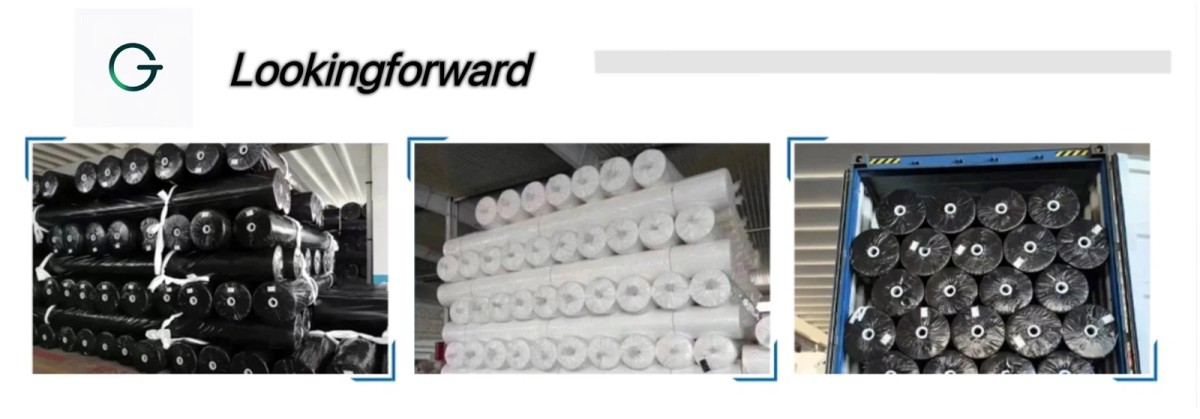
Packing & Shipping
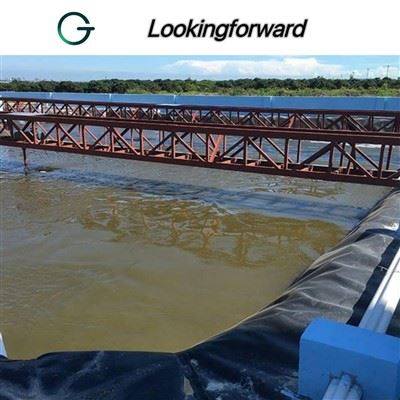
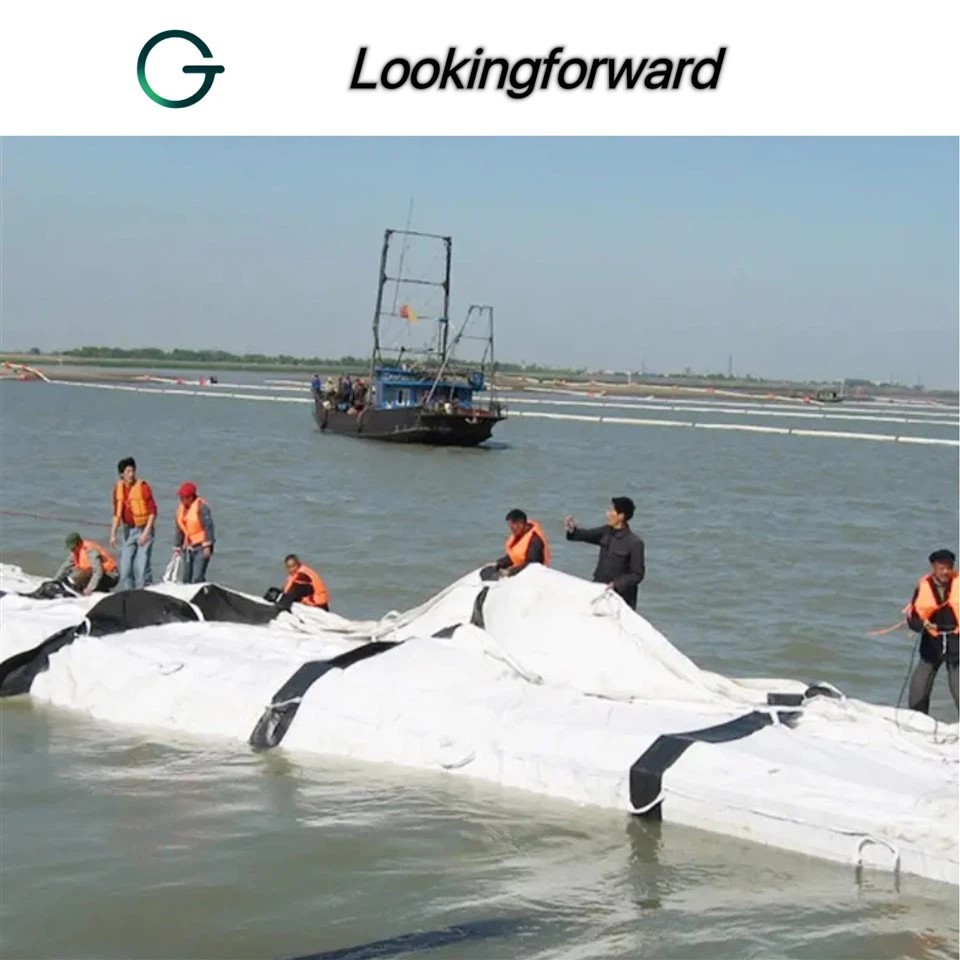
As an efficient anti-seepage material, LDPE geomembrane performs excellently in various anti-seepage projects. Its superior anti-seepage performance, high flexibility, and chemical resistance make it an ideal choice for landfill sites, artificial lakes, sewage treatment plants, reservoirs, and tunnel waterproofing projects. Whether used to prevent leachate leakage, maintain water quality, or protect the environment, LDPE geomembrane provides excellent solutions. We look forward to cooperating with more clients to jointly promote the development of anti-seepage engineering.
For more information about LDPE geomembrane or to order products, please feel free to contact us. Our professional team will provide you with the highest quality service and solutions.
FAQ
1.Are you a factory or trading company? Where is your company located?
We are a professional manufacturer that specialized in geomembrane, geotextile, composite geomembrane, geocell, geogrid etc. with lS09001 certificate more than 20 years.
2.Can you provide a sample for us?
Yes, we can send free samples, but customer need to pay the freight.
3.Can you do OEM?
Yes, we can produce the products as your request.
4.What is your payment terms?
T/T, Western Union, Paypal, L/C…
5.What is your delivery time?
Production time usually costs 2-20 days based on the order.
6.Where is your factory located? How can l visit there?
Welcome to visit our factory and it is our great pleasure. Our factory is located is Dezhou City , Shandong Province.
7.What's your MOQ? Can l order small quantity for testing at first order?
For new client, we accept small order for building mutual trust and long-term business relationship.
If you have any further questions, please do not hesitate to contact us.
Send Inquiry
You Might Also Like
Categories