
‹
›
 facebook
 twitter
 linkedin
 google+
Description
Introduction
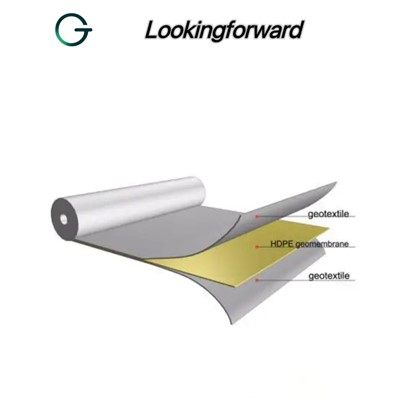
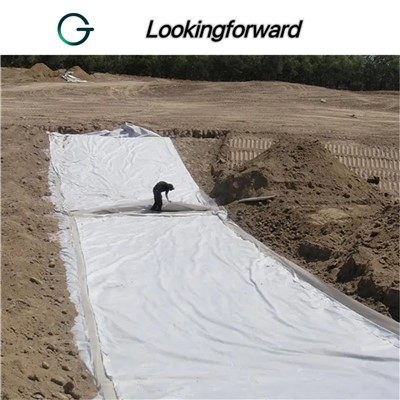
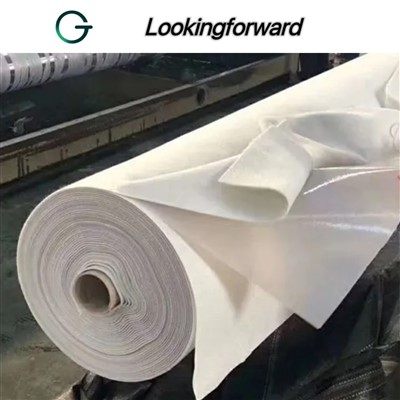
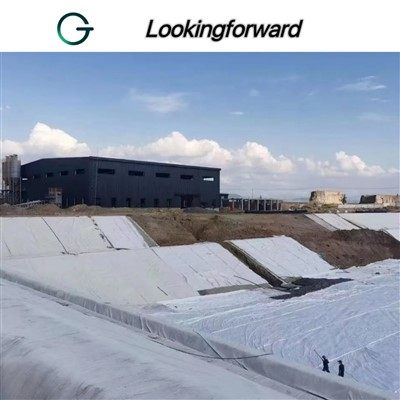
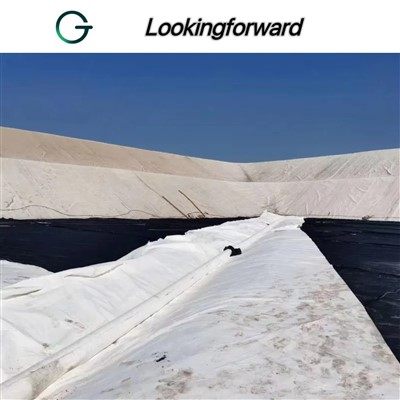
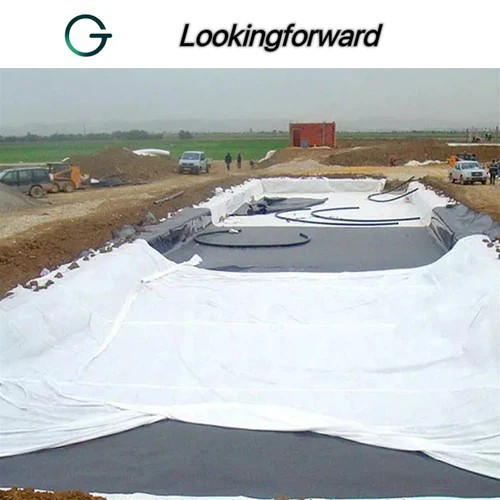
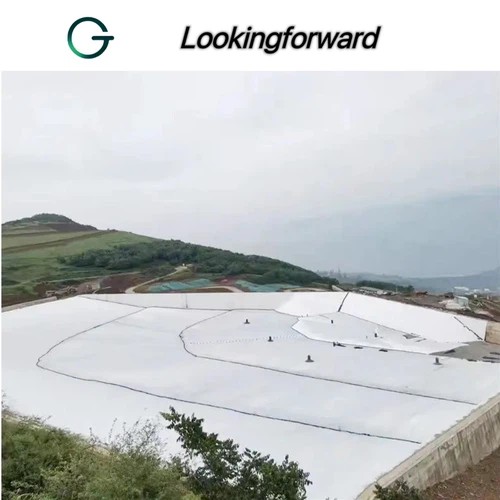
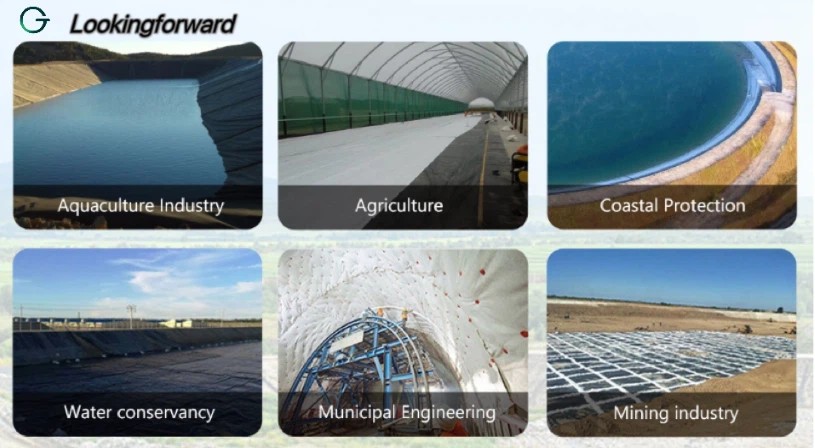
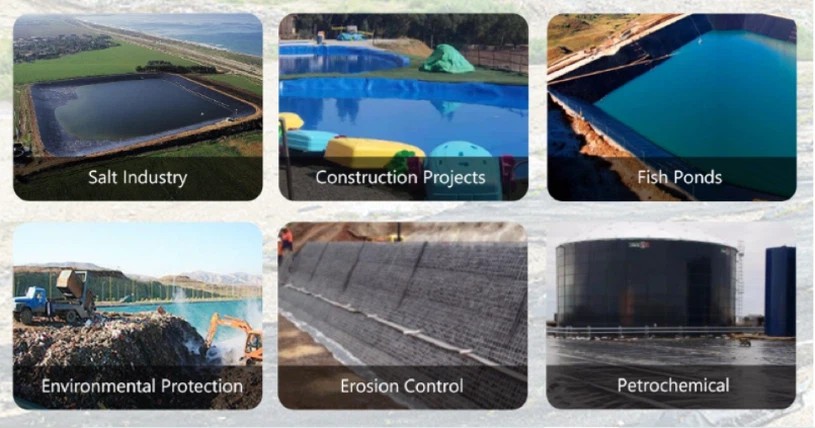
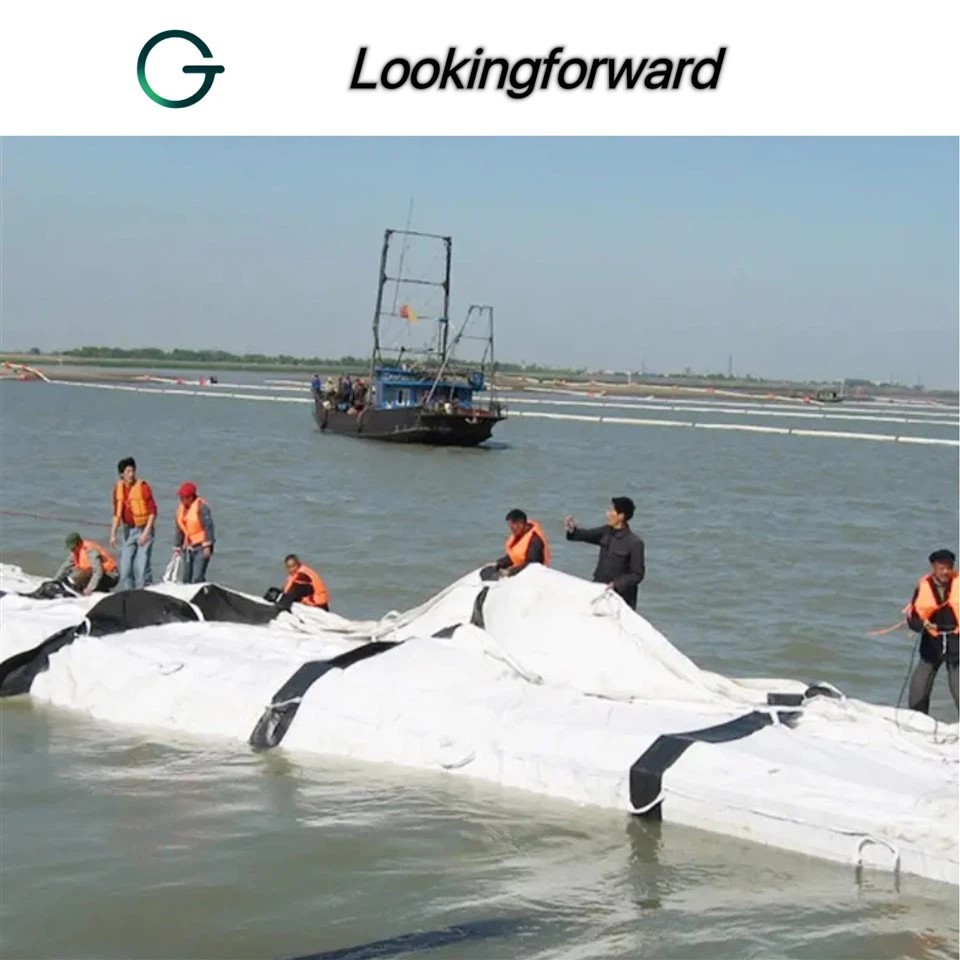
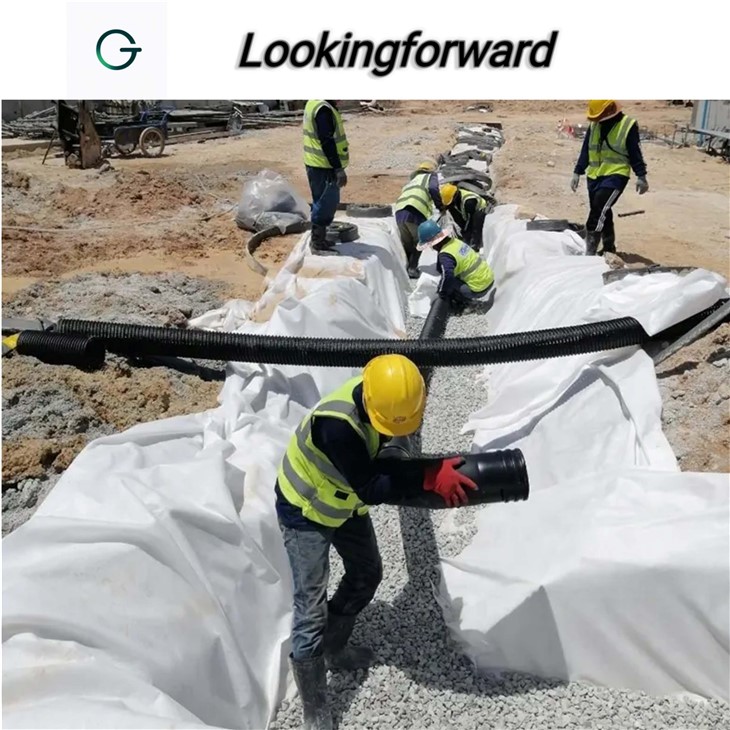
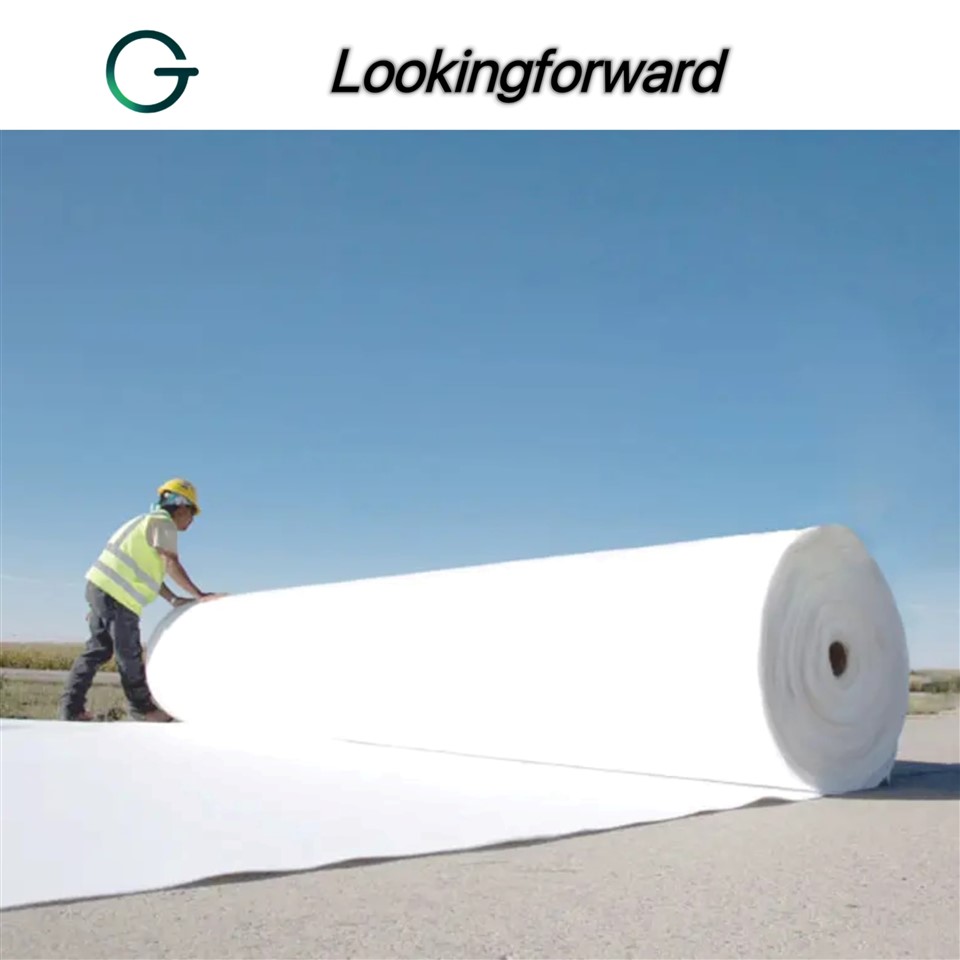
The Geomembrane and Geotextile are integrated composite structural materials, combining the anti-seepage performance of HDPE geomembrane with the reinforcement and protection functions of geotextile, and are widely used in engineering fields such as water conservancy, environmental protection, and transportation. The product has good anti-seepage, mechanical properties and durability, can effectively prevent liquid leakage, enhance soil stability, and adapt to various complex terrains and construction environments.
Advantages
Reliable anti-seepage performance
Geomembrane is based on high-density polyethylene (HDPE), with a dense molecular structure and a very low permeability coefficient, which can effectively block the penetration of water, liquid or harmful substances. It is widely used in water isolation, landfills, sewage treatment pools and other scenes, which helps to prevent the leakage of pollutants and ensure the safety of groundwater and the surrounding environment.
With puncture resistance, impact resistance and tear resistance
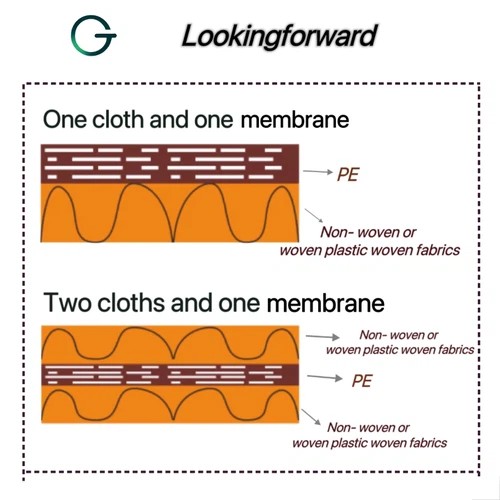
Geomembrane and non-woven geotextile are compounded to form a multi-layer structure, which is stable in strength and toughness and can withstand a certain degree of external force impact and construction pressure. Whether in the laying process or in the use cycle, it can effectively resist the risks of sharp puncture, structural cracking or tearing, extend the life of the material, and enhance the overall stability of the project.
Strong applicability
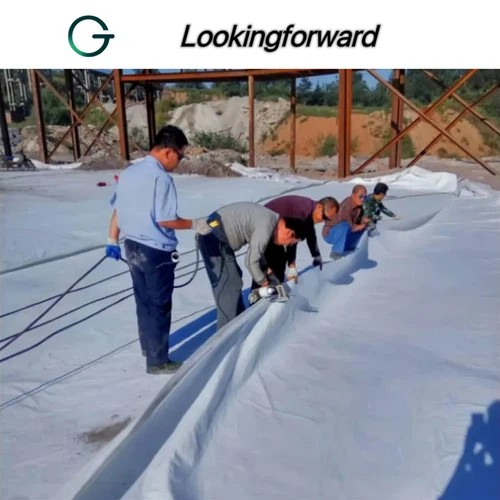
Composite geomembrane has a wide range of choices in thickness, width and length. The thickness can range from 0.3mm to 3mm, the width can reach 1 to 8 meters, and the length can also be customized according to construction needs. This flexible size range facilitates engineering design, reduces the number of joints, reduces construction difficulty, improves overall construction efficiency, and is suitable for use in a variety of terrain and structural conditions.
Optional multiple surface structures
According to actual application requirements, you can choose smooth or textured geomembranes. Smooth membranes are suitable for flat foundation surfaces and places with conventional anti-seepage requirements, while textured membranes have a stronger friction coefficient in slippery areas such as slopes and vertical surfaces, enhancing their bonding with the soil, thereby reducing the risk of slippage and improving the stability of slope structures.
Technical Data Sheet
Packing & Shipping
Send Inquiry
You Might Also Like
Categories