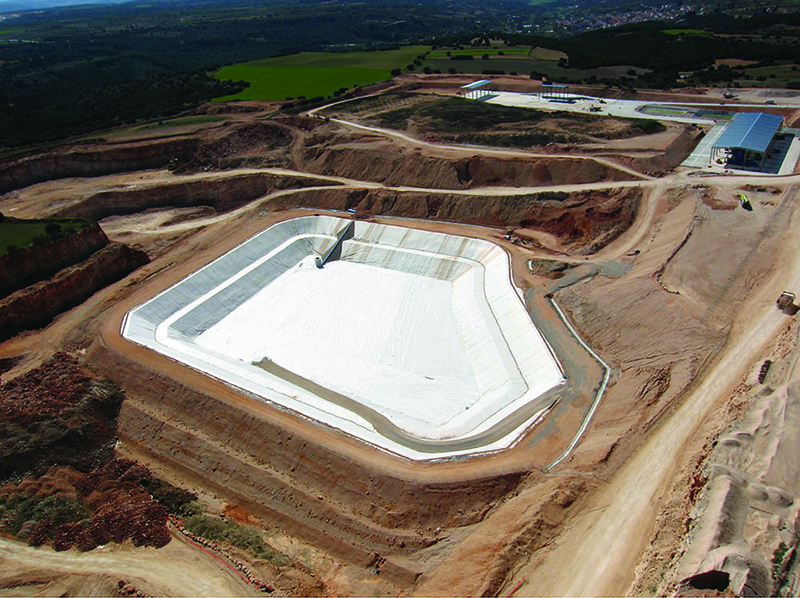
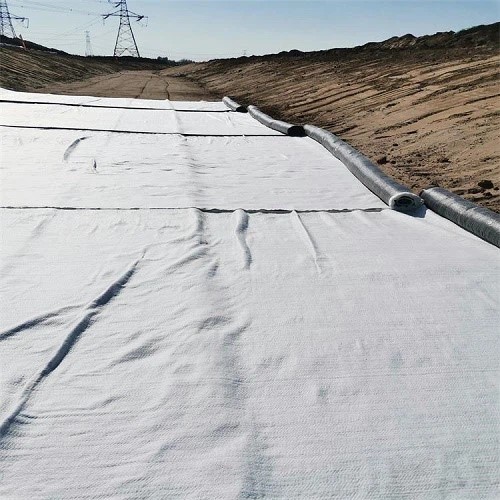
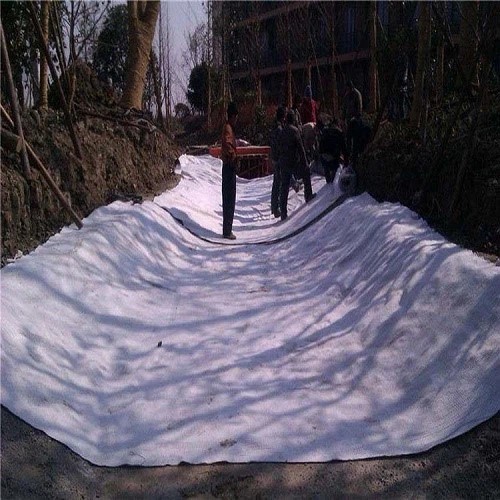
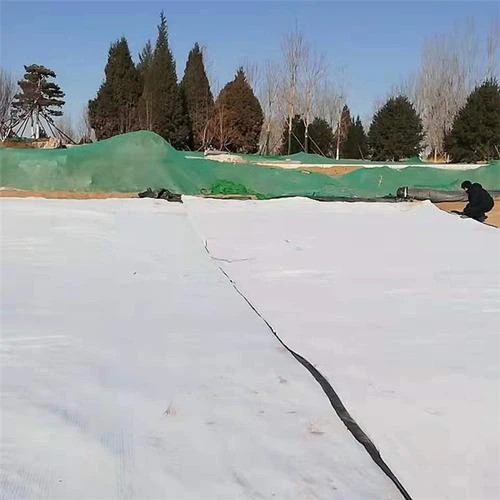
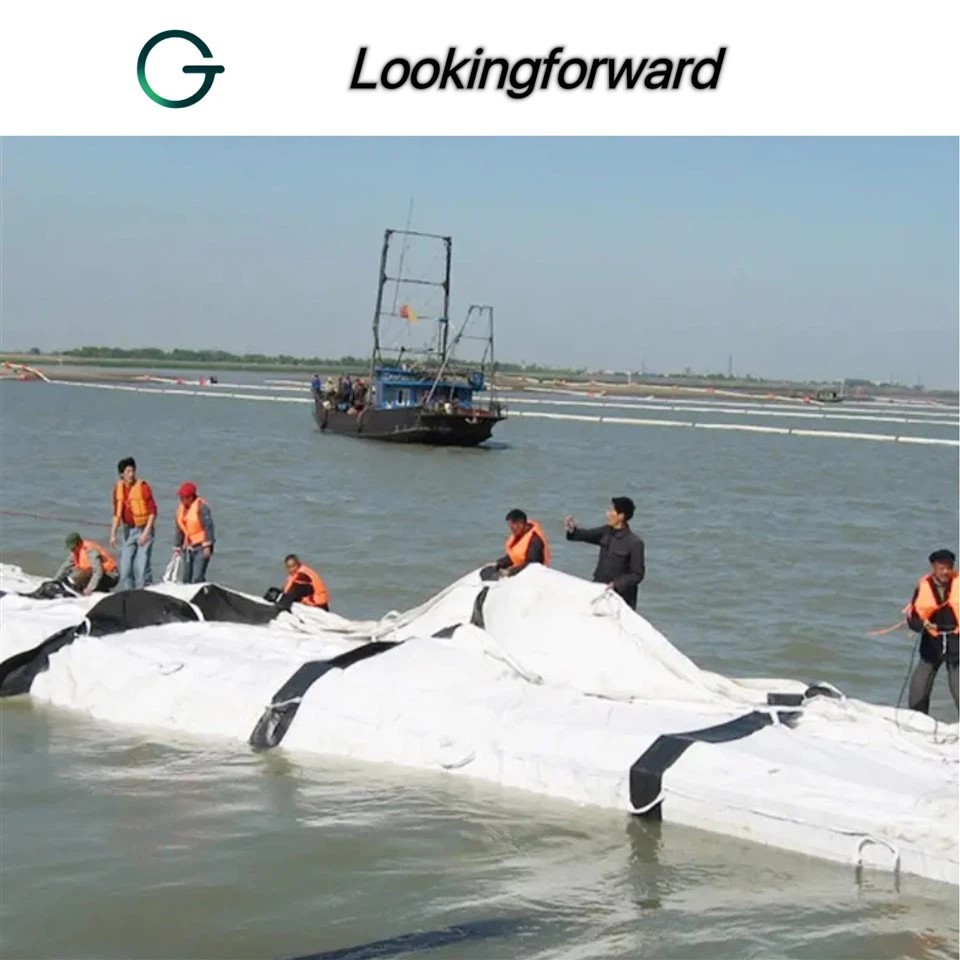
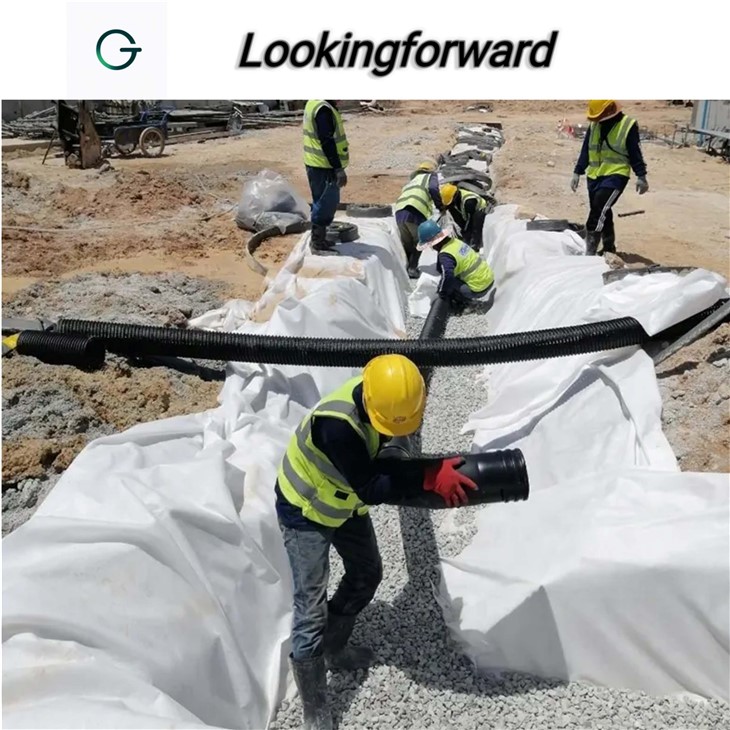
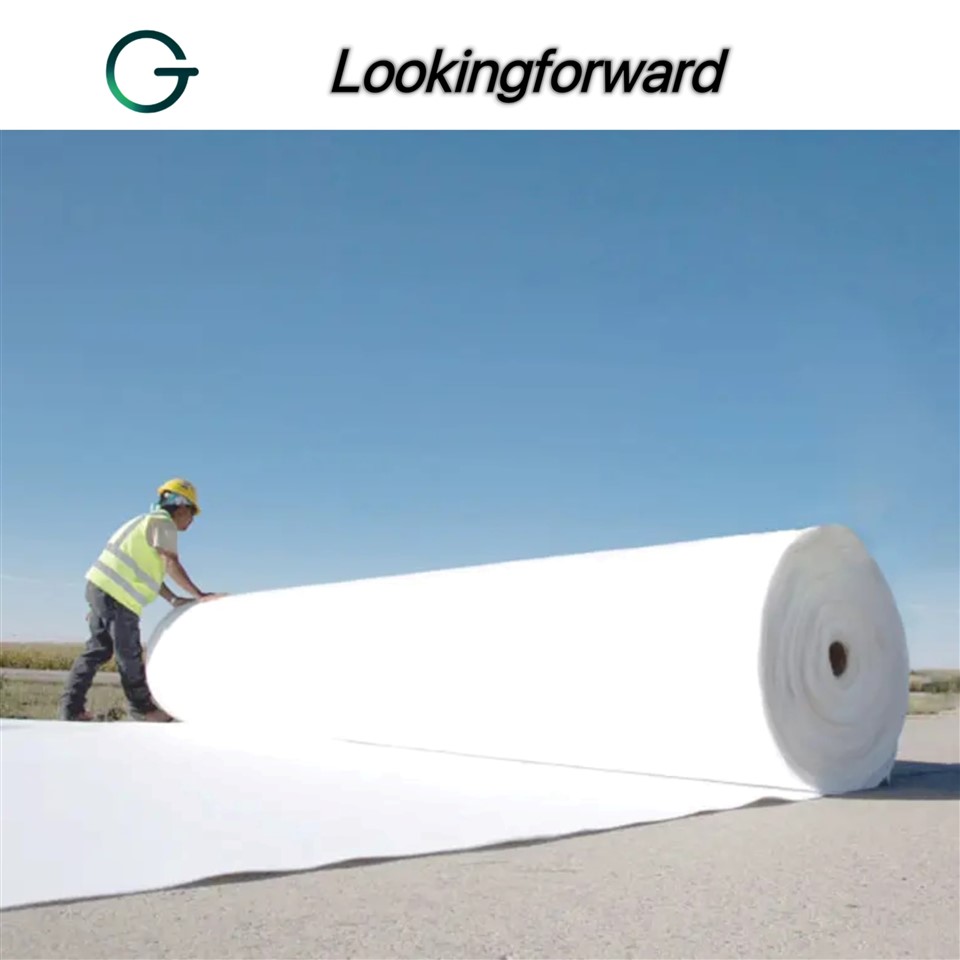
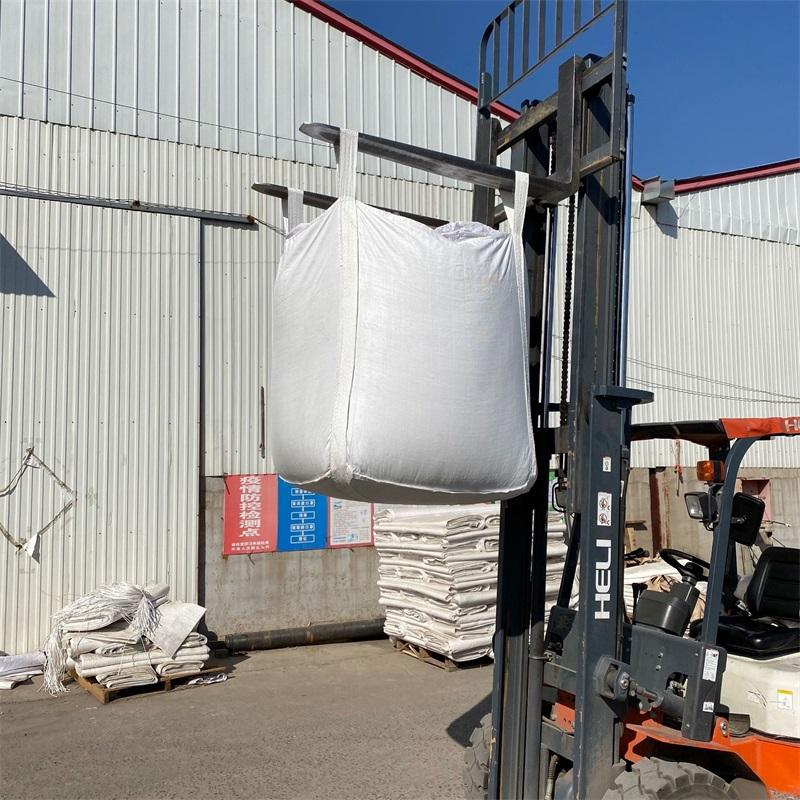
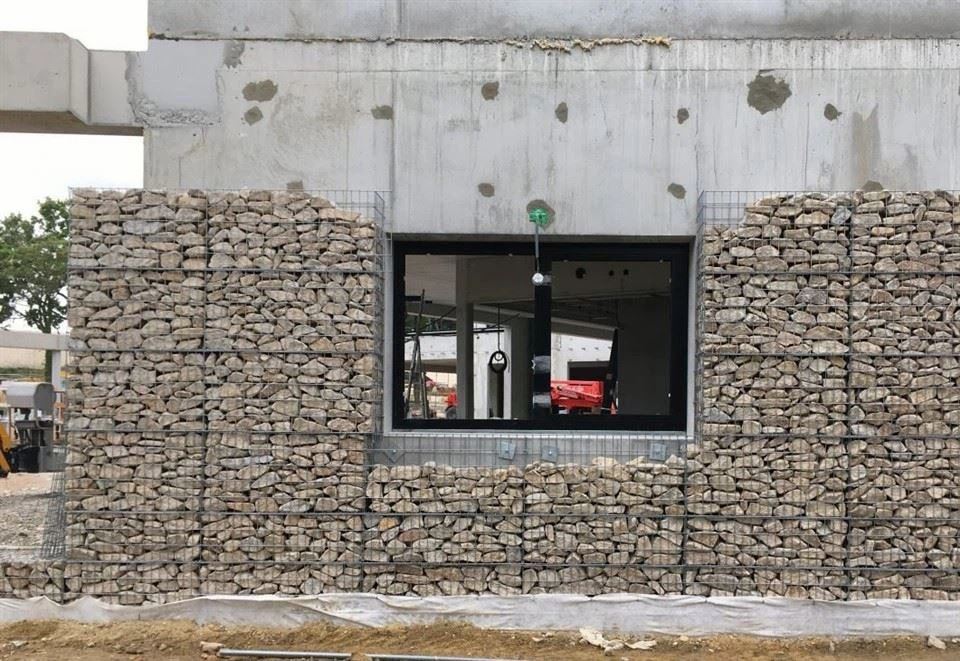
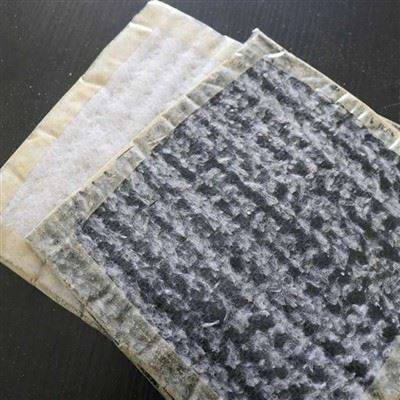
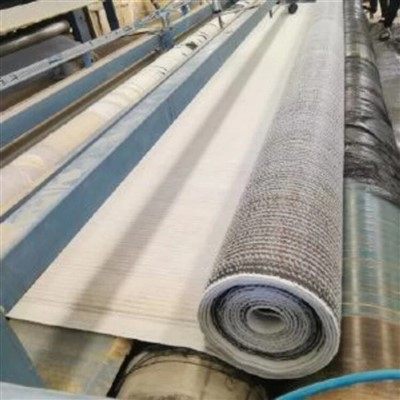
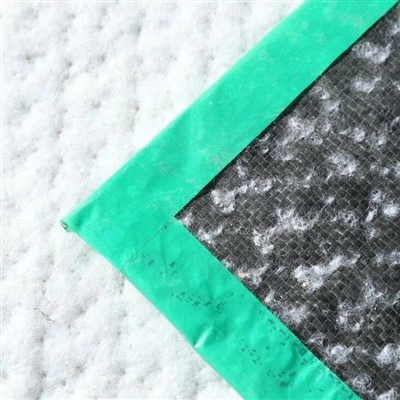
Introduction Geosynthetic Clay Liner is a composite anti-seepage material made of natural sodium-based bentonite sandwiched between two layers of geotextiles or geomembranes. It usually consists of three layers: an upper layer of geotextiles or membranes (usually non-woven fabrics), a middle layer of bentonite powder or granules, and a lower layer of geotextiles or membranes (usually woven fabrics or membranes). It is mainly used for anti-seepage, isolation and protection in environmental engineering. Advantages 1. Convenient construction
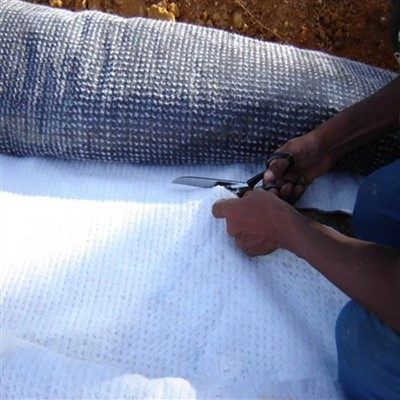
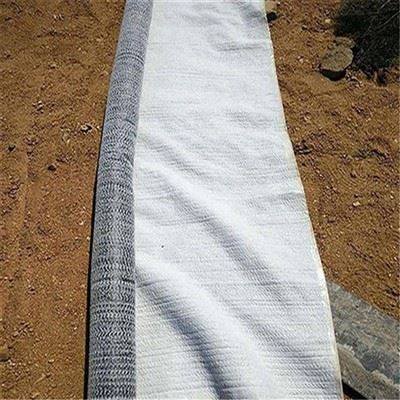
The thickness of this product is 6-10 mm, the roll width is 4-5 meters, the roll length is 30-40 meters, and the mass per unit area is 3.5-5.5 kg/m2. Compared with traditional compacted clay layers, it is smaller in size and lighter in weight, making it easier to transport and lay on site. For construction environments with limited space or complex terrain, it can effectively reduce the frequency of use of construction machinery, shorten the construction period, and improve on-site operation efficiency. 2. Stable anti-seepage performance
The sodium-based bentonite used in this material has an expansion index of ≥24 ml/2 g. It expands rapidly after contacting water to form a dense gelatinous layer, which can effectively fill the voids in the soil and play a stable water-blocking role. Its permeability is ≤5 x 10⁻¹¹ m/s, and its water conductivity ranges from 1 x 10⁻⁹ to 1 x 10⁻¹¹ m/s, which meets the requirements of high-standard anti-seepage projects for water-proofing performance and is suitable for long-term blocking of liquid leakage and migration of harmful substances. 3. Good mechanical properties
The tensile strength of the GCL is ≥400 N/100 mm, and the peel strength is ≥360 N/m, indicating that it has high physical strength and structural stability. During the construction process or operation stage, even in the face of compaction loads, slope displacement or uneven foundation settlement, the integrity of the material can be maintained, reducing the performance loss caused by material breakage, delamination or displacement. 4. Strong ability to adapt to environmental changes
Bentonite has certain self-healing properties. After being damaged by small-scale puncture or local tearing, it can automatically close the gap and restore local anti-seepage ability by swelling in water. This feature enables GCL to still have a certain repair ability during long-term operation, reduce maintenance costs, extend service life, and adapt to potential uncertainties in the environment.  
Technical Data SheetParameterValueThickness6-10 mmSwell Index≥ 24 ml/2gPermeability≤ 5 x 10⁻¹¹ m/sPeel Strength≥ 360 N/mTensile Strength≥ 400 N/100 mmHydraulic Conductivity1 x 10⁻⁹ to 1 x 10⁻¹¹ m/sUnit Area Mass3.5 - 5.5 kg/m²Roll Width4-5 metersRoll Length30-40 meters 
| 
 facebook
 twitter
 linkedin
 google+