
‹
›
 facebook
 twitter
 linkedin
 google+
Description
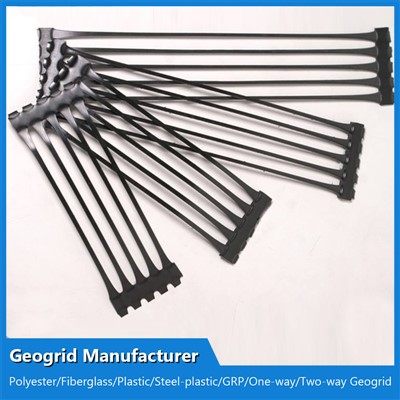
Uniaxial geogrids might seem like just another construction material, but among the pros, it's considered a bit of a "secret weapon," especially for tackling tough foundation issues. Let's dive into its strengths, some key installation tips, and where it falls short compared to biaxial geogrids.
Advantages and Installation Tips
1. Uniaxial Tensile Strength
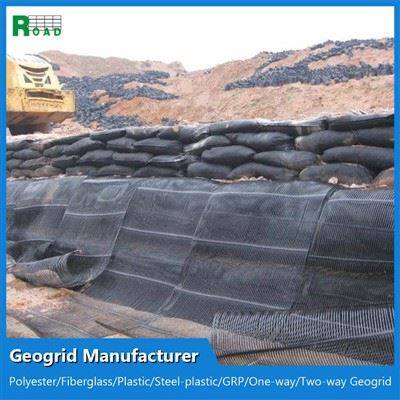
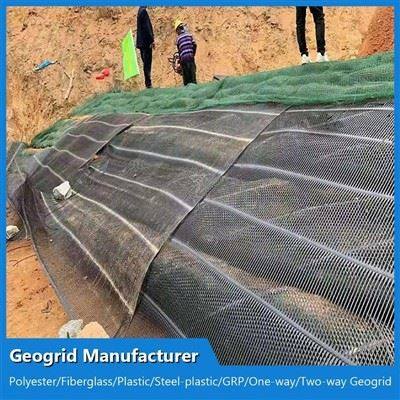
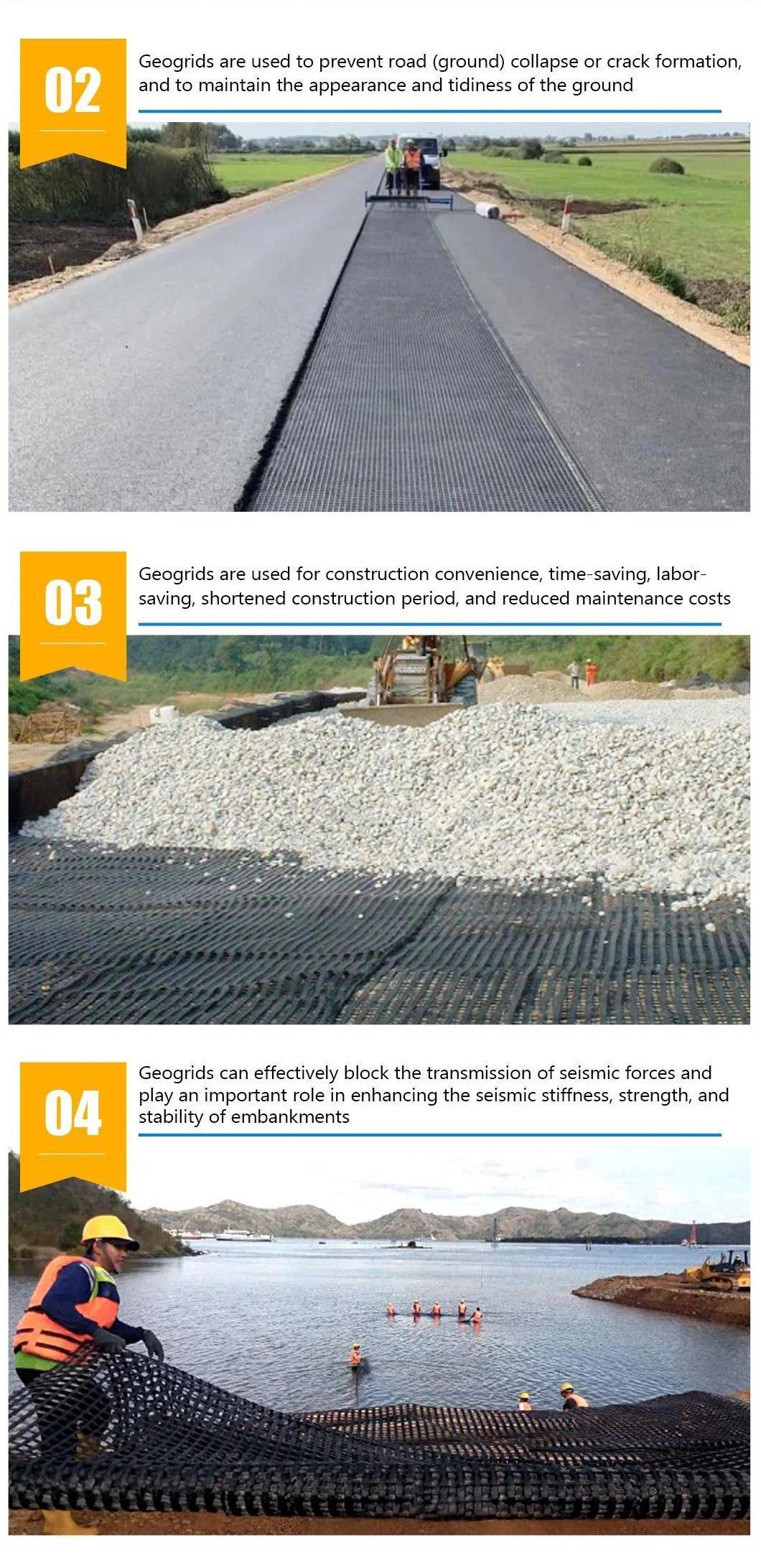
Uniaxial geogrids are known for their high tensile strength, typically ranging from 200 to 400 kN/m. This makes them incredibly effective in projects where reinforcement in a single direction is crucial. For instance, if you're building a steep slope or reinforcing a high embankment, uniaxial geogrids can ensure that the slope remains stable without the risk of sliding due to foundation issues. However, during installation, it's crucial to pay attention to the direction of installation because the grid's strength is focused in one direction. Misalignment can lead to suboptimal performance.
2. Creep Resistance
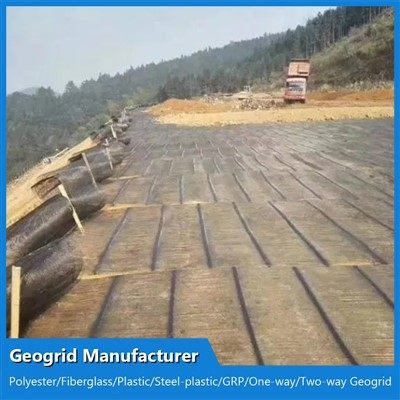
Uniaxial geogrids excel in creep resistance, meaning they maintain their shape under long-term load without significant deformation. This is essential for projects requiring decades of stability, like dams or heavily loaded highways. Construction teams have often reported that in such high-load conditions, uniaxial geogrids perform exceptionally well, maintaining their structural integrity over time. However, during installation, ensure the base is uniformly compacted; otherwise, uneven settlement might occur under load, affecting the overall performance.
3. Durability
These geogrids are typically made from polypropylene or polyester, materials that are resistant to UV radiation, chemical corrosion, and even microbial attack. In coastal protection or saline soil projects, for instance, these grids have been reported to retain their strength even after several years of exposure. However, avoid prolonged exposure to intense sunlight during installation without protective coverings, as this could slightly affect long-term performance.
4. Ease of Installation
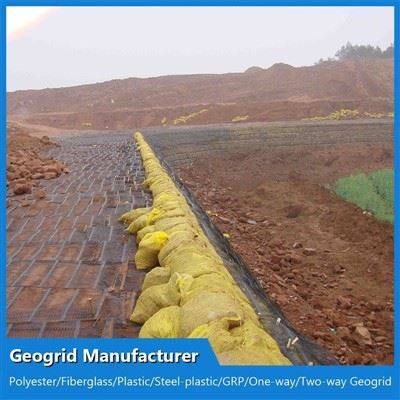
Uniaxial geogrids are relatively easy to install and do not require complex equipment, saving time and costs on the construction site. For projects that need to be completed quickly, like emergency road repairs or embankment reinforcement, the quick deployment of uniaxial geogrids is a significant advantage. However, proper tensioning during installation is crucial; too much or too little tension can impair its effectiveness.
Drawbacks Compared to Biaxial Geogrids
While uniaxial geogrids are unbeatable in their specific applications, they do have limitations, especially when compared to biaxial geogrids.
1. Directional Limitation
The strength of uniaxial geogrids is focused in one direction. If your project requires reinforcement in multiple directions, such as in complex terrains or multi-directional load scenarios, biaxial geogrids, which typically offer tensile strengths between 30 to 150 kN/m, might be more suitable. Biaxial geogrids provide reinforcement in both directions, whereas uniaxial geogrids might require additional layout and installation techniques to achieve similar results.
2. Limited Application Scenarios
Uniaxial geogrids are primarily used for unidirectional stress reinforcement, which limits their application in scenarios involving multi-directional stresses, such as layered foundations or complex geological structures. Biaxial geogrids tend to perform better in these cases because they distribute stresses more evenly in two directions, making them more versatile for such projects.
3. Installation Challenges
The direction of installation for uniaxial geogrids is crucial-if laid incorrectly, it could compromise the entire project. Biaxial geogrids, on the other hand, are more forgiving in this regard, as they provide similar strength in both directions, making them more suitable for projects where installation conditions are more complex.
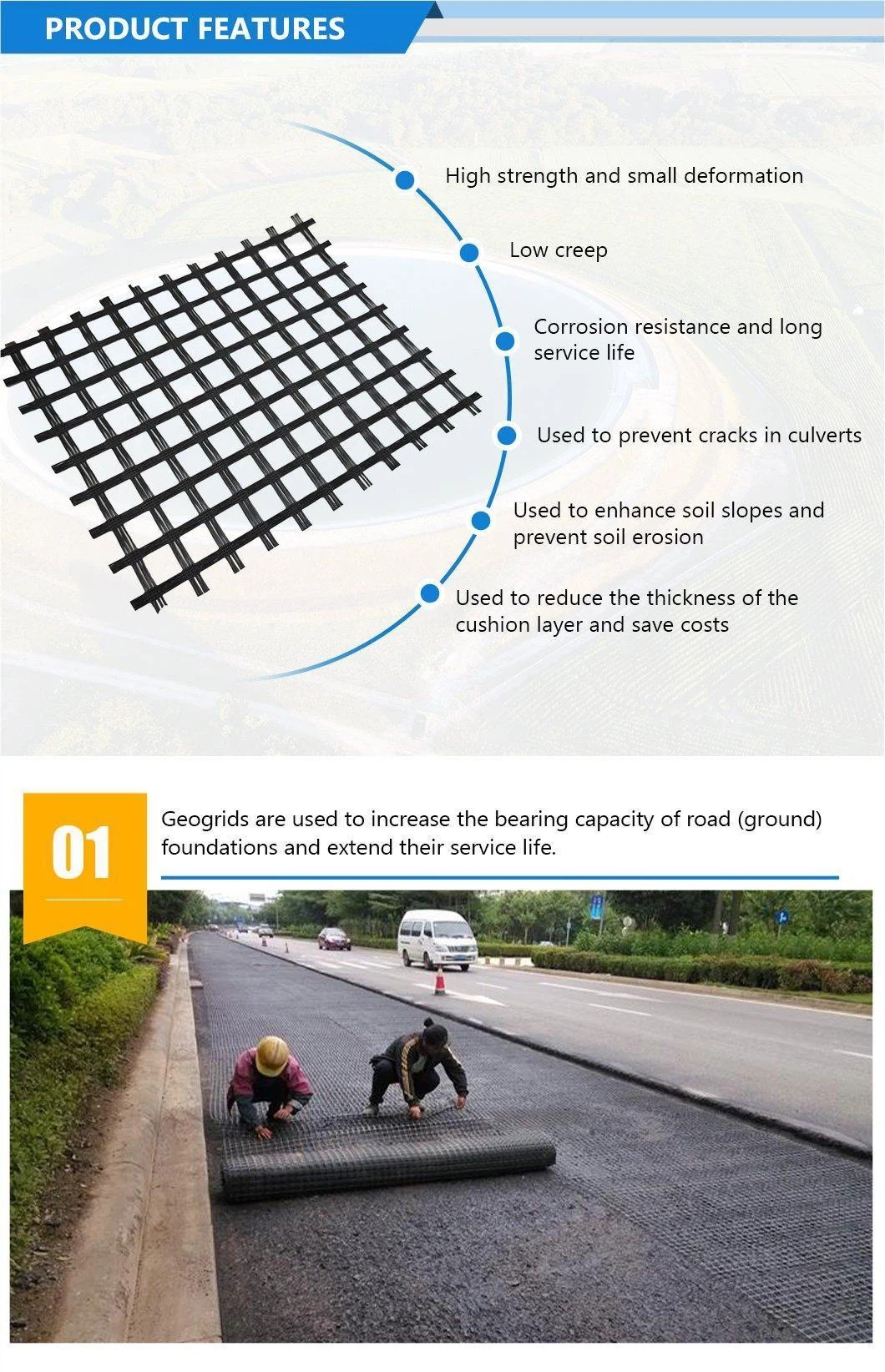
In summary, uniaxial geogrids shine in specific scenarios like unidirectional tensile strength and creep resistance, making them a top choice for many professional construction teams. However, for more complex projects, biaxial geogrids might offer better versatility.
Send Inquiry
You Might Also Like

Categories