
‹
›
 facebook
 twitter
 linkedin
 google+
Description
Description of Basalt Geogrid
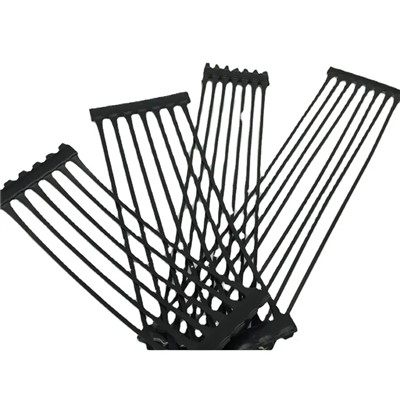
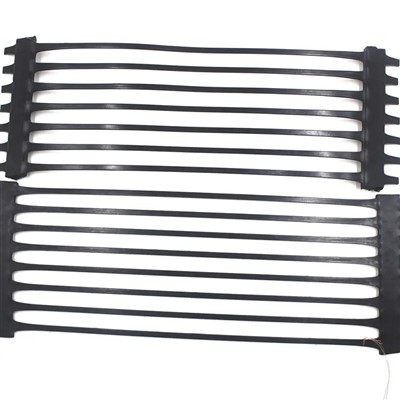
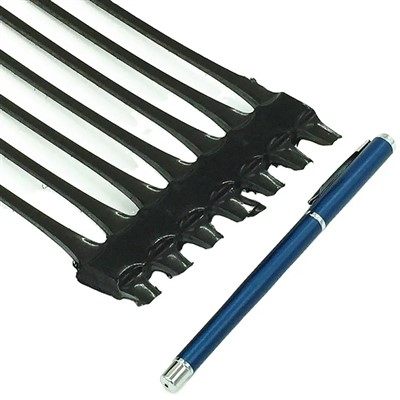
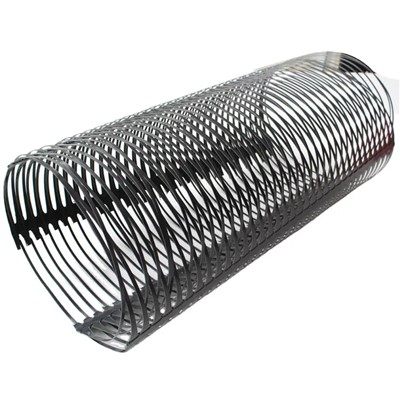
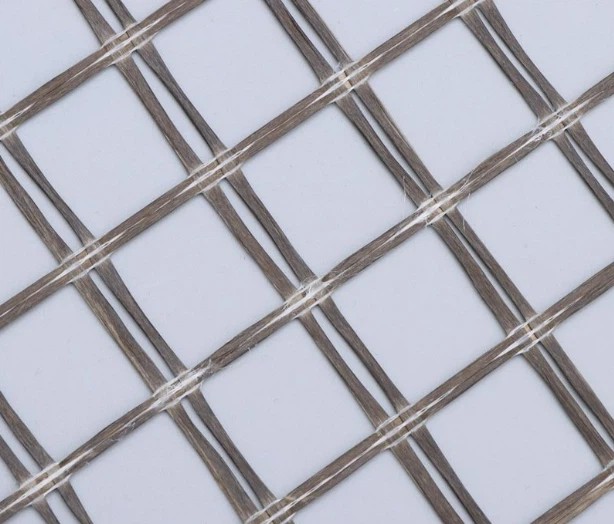
Basalt fiber geogrid is a flat network material made of alkali and acid resistant basalt fiber yarn, which is woven into a substrate using foreign warp knitting machines. It adopts a warp knitted directional structure and fully utilizes the yarns in the fabric, making it have good tensile strength, high tear strength, and creep resistance. It is also coated with modified asphalt.
Basalt geogrid has the advantages of basalt fiber freeze-thaw (-260-650 ℃), consistent thermal expansion coefficient with asphalt concrete, high tensile strength, UV resistance, chemical stability, etc., which can be used for road reinforcement, resisting road diseases such as cracks and ruts, and ending the problem of difficult reinforcement of asphalt pavement. The ratio of elastic modulus of basalt fiber asphalt concrete to asphalt concrete at room temperature is as high as 24:1, with high deformation capacity and a fracture elongation of about 3.1. Basalt fiber has the advantages of low freeze-thaw (-260-650 ℃), consistent thermal expansion coefficient with asphalt concrete, high tensile strength, UV resistance, and good chemical stability. Due to the high mixing temperature of asphalt mixtures above 190 ℃, basalt fiber is a competitive new material that replaces polyester fiber and lignin fiber.
Basalt grid is made of basalt fiber woven fabric as the base material, soaked and coated with macromolecule lotion. Widely used for building interior and exterior walls, fire prevention, insulation, crack resistance, etc., its various properties are superior to glass fiber. Has good alkali resistance, flexibility, and longitudinal and latitudinal height * tensile strength. Non metallic inorganic fibers, with a cash brown color, possess mechanical properties such as non flammability, non toxicity, environmental friendliness (low-carbon material), high strength, toughness, and low shrinkage rate. A pavement crack prevention material with high strength and excellent crack resistance is formed by combining immersion and warp knitting reinforcement technology.
Features of Basalt Geogrid
- Strengthening the roadbed can effectively distribute loads, improve the stability and bearing capacity of the roadbed, and extend its service life.
- Can withstand larger alternating loads.
- Prevents roadbed deformation and cracking caused by the loss of roadbed materials.
- Improves the self-bearing capacity of the backfill behind the retaining wall, reduces soil pressure on the retaining wall, saves costs, extends service life, and reduces maintenance costs.
- Combining the construction method of spray anchor concrete for slope maintenance can save 30-50% of investment and shorten the construction period by more than half.
- Adding geogrids to the roadbed and surface layers of highways can reduce deflection, minimize rutting, delay the occurrence of cracks by 3-9 times, and reduce the thickness of structural layers by up to 36%.
- Suitable for various soil types, eliminating the need for remote sampling, thus saving labor and time.
- The construction is simple and fast, greatly reducing construction costs.
What are the Benefits of Using Basalt Geogrid?
Basalt geogrid have several advantages over metal, glass and polyester mesh:
- Resistance to aggressive environments
- Corrosion resistance
- Value for money
- Thin fold seam
- Easy installation
- Light weight (0.25 kg / sq.m)
- Low thermal conductivity (0.03W / s)
- High adhesion to concrete
- 8 times stronger than steel
- By far lighter and easier to handle and install (no nasty cuts).
- Will not rust or corrode or cause cracking of concrete
- Flexible for easier design
- Basalt does not conduct electricity or induce electric fields
- Basalt Mesh binds well with both asphalt and concrete
- Many mesh sizes available: 5x5mm, 10x10mm, 25x25mm and 50x50mm coated or uncoated mesh available
Areas of use
1. On wall reinforcement materials (such as basalt wall mesh, GRC wall panels, EPS inner and outer wall panels, gypsum boards, etc.)
2. Enhance cement products (such as Roman columns, flues, etc.),
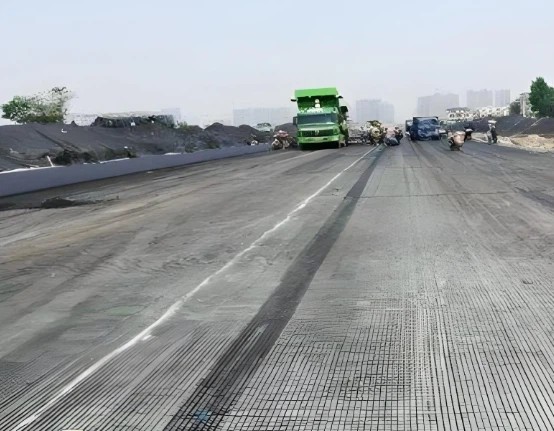
3. Road reconstruction, widening, and crack prevention of new and old pavement joints.
4. Crack prevention during the overlay of old cement and asphalt concrete pavement.
5. New inorganic combined aggregate base pre cut joint crack prevention.
6. Bridge deck waterproofing and crack prevention.
7. For the civil construction. Replace steel mesh.
Construction method
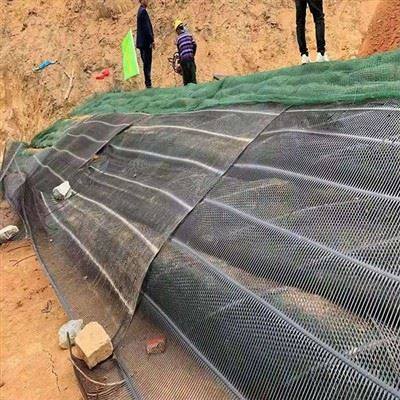
When used for roadbed and pavement, the construction method is the same as that for bidirectional geogrids. When used for reinforced soil retaining walls, the construction method is as follows:
- Set up the foundation and construct according to the designed wall system. When using precast reinforced concrete panels, they are generally supported on a precast concrete foundation with a thickness of 12-15 cm. The foundation width should not exceed 30 cm, the thickness should not be less than 20 cm, and the burial depth should not be less than 60 cm to prevent the effects of foundation frost heave.
- Level the wall foundation, excavate, and level according to the design requirements. Soft soil needs to be compacted or replaced and compacted to the required density, slightly exceeding the range of the wall.
- When laying reinforcement materials, the main strength direction of the reinforcement material should be perpendicular to the wall surface and fixed with pins.
- For wall filling, mechanical filling should be used, maintaining a distance of at least 15 cm between the wheels and the reinforcement. After compaction, each layer of soil should be approximately 15-20 cm thick.
- During wall construction, geotextile should be wrapped around the wall to prevent soil leakage.
Technical index
FAQ
Q: 1.What is basalt fiber geo-grid?
Q: 2.How is the 25mm basalt fibre mesh geogrid produced?
Q: 3.What is the weight of the mesh?
Q: 4.What are the applications of basalt fiber geogrid?
Q: 5.How does basalt fiber geo-grid enhance soil stabilization?
Q: 6.What are the benefits of using 25mm basalt fibre mesh geogrid?
Q: 7.Is basalt fiber geo-grid environmentally friendly?
Q: 8.What is the purpose of the geogrid?
Q: 9.Why is basalt fiber used?
Q: 10.What is basalt insulation?
Q: 11.What is the use of basalt fiber in concrete?
Q: 12.Is basalt stronger than carbon fiber?
Q: 13.Is basalt stronger than steel?
Q: 14.Is basalt fiber better than glass fiber?
Q: 15.Where is basalt fiber used?
Q: 16.Why is basalt used in construction?
Send Inquiry
You Might Also Like

Categories