
‹
›
 facebook
 twitter
 linkedin
 google+
Description
What is Plastic Geogrid?
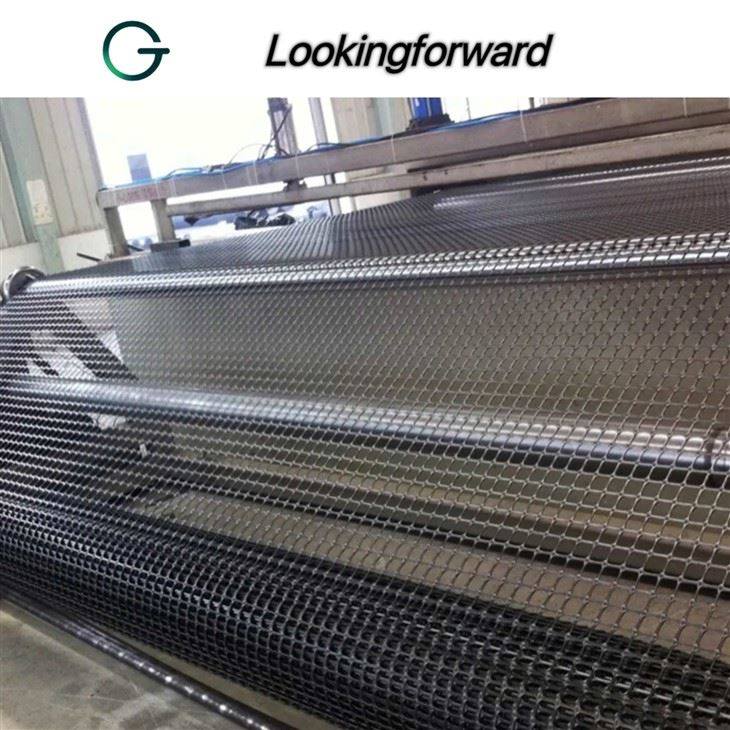
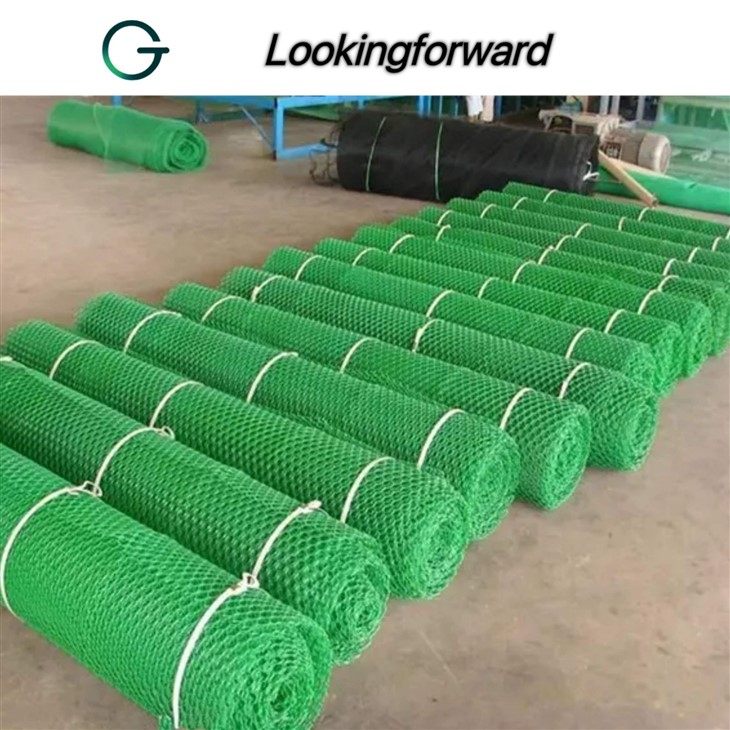
Geogrid is a two-dimensional grid or a three-dimensional grid with a certain height made of polypropylene, polyvinyl chloride and other polymer polymers by thermoplastic or molding, when used as a civil engineering, it is called geogrid.
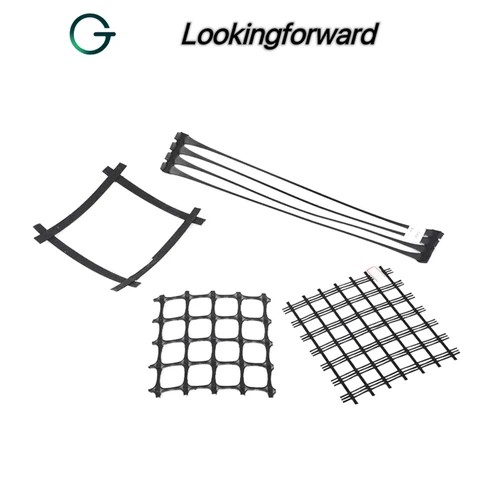
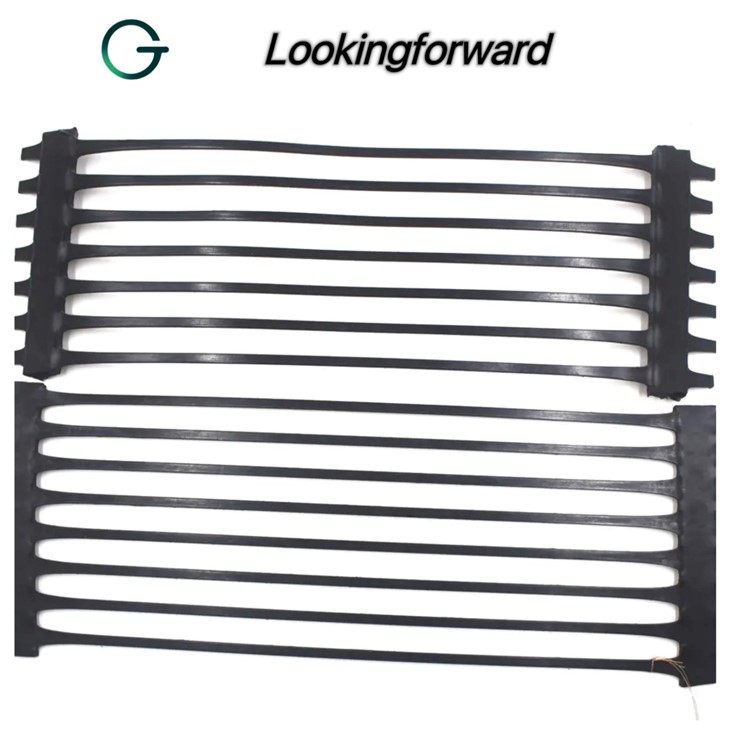
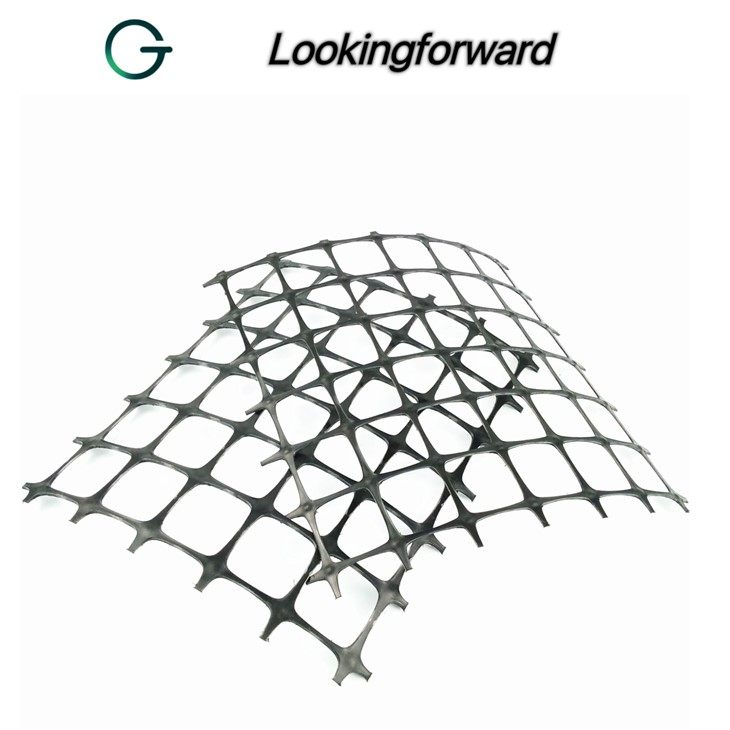
Plastic geogrid is a square or rectangular polymer mesh formed by stretching, which can be unidirectional stretching and bidirectional stretching according to the different stretching directions when it is manufactured. Unidirectional stretch gratings are made by stretching only along the length of the sheet, while bidirectional stretching gratings are made by continuing to stretch the unidirectional stretched grates perpendicular to its length.
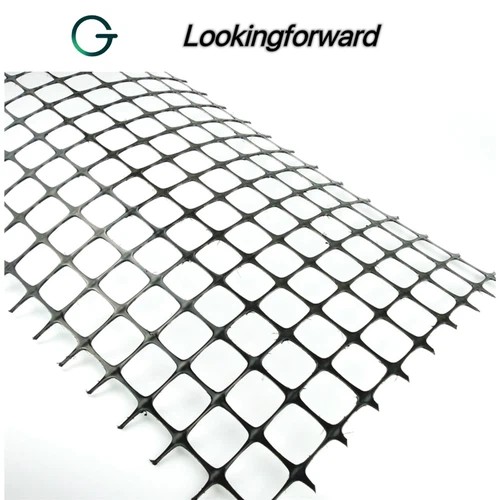
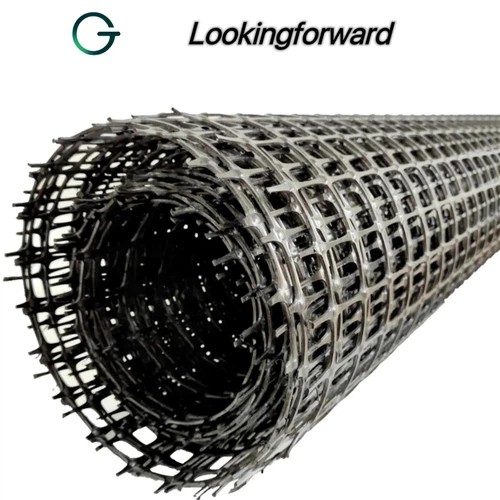
Biaxial geogrid is made of polymer through the process of extrusion, plate forming and punching, and then stretched longitudinally and transversely. The material has a high tensile strength in both the longitudinal and transverse directions, and this structure also provides an ideal interlocking system for the more efficient force bearing and diffusion in the soil, suitable for large, permanently load-bearing foundations
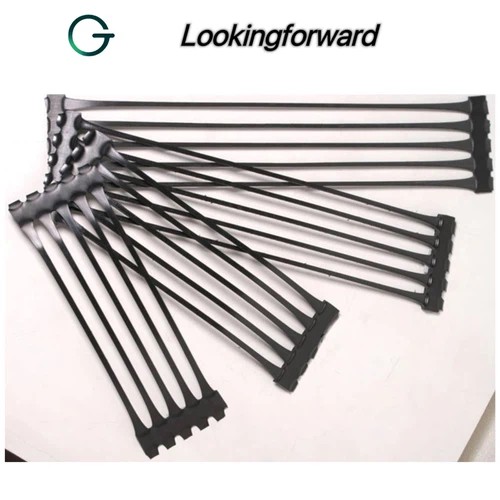
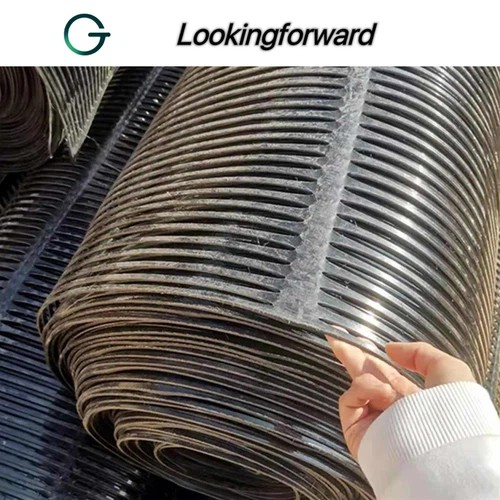
Uniaxial geogrid is made of polymer extruded and pressed into thin plates, then punched into regular hole mesh, and then stretched longitudinally. In this process, the polymer is formed into a directional linear state and forms an oblong elliptical network monolithic structure with uniform distribution and high node strength. This structure has a fairly high tensile strength and tensile modulus.
What are the basic properties of plastic geogrid(include Biaxial Geogrid)?
1. Good flame retardant performance.
2. Friction is not easy to generate static electricity.
3. Easy to wash coal.
4. Strong anti-corrosion ability and anti-aging.
5. Easy to construct and transport. The plastic mesh is relatively soft, and it is not suitable to scratch workers in construction, and it has the advantages of easy curling and bundling, mining grid cutting and light specific gravity, so it is convenient for underground transportation, carrying and construction.
6. Strong bearing capacity in both vertical and horizontal directions. Because this plastic mesh is bidirectionally stretched rather than braided, the mesh creep is small, and the mesh size is uniform, which can effectively prevent the fall of broken coal, protect the safety of underground workers and the safety of mine truck operation.
What is plastic geogrid(Biaxial Geogrid and Uniaxial geogrid) used for?
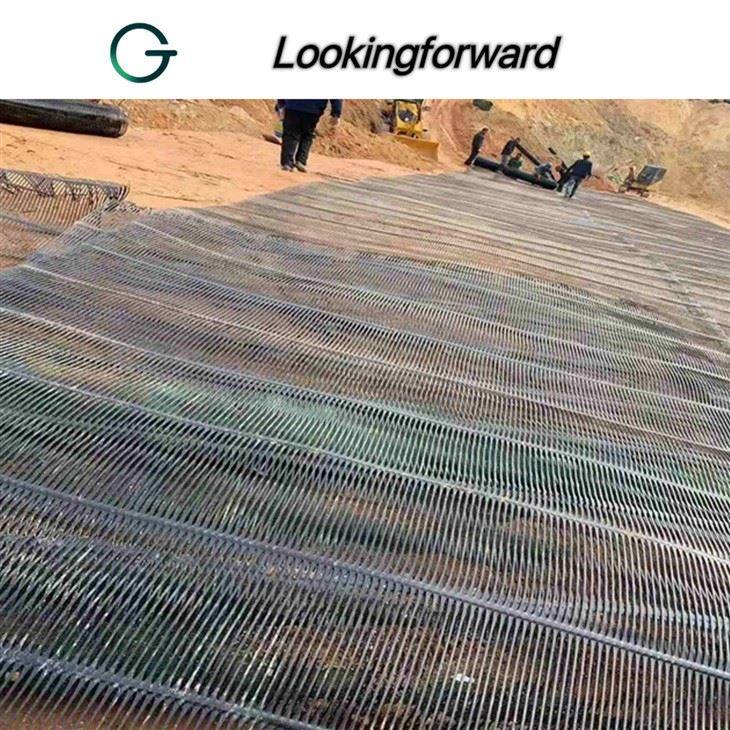
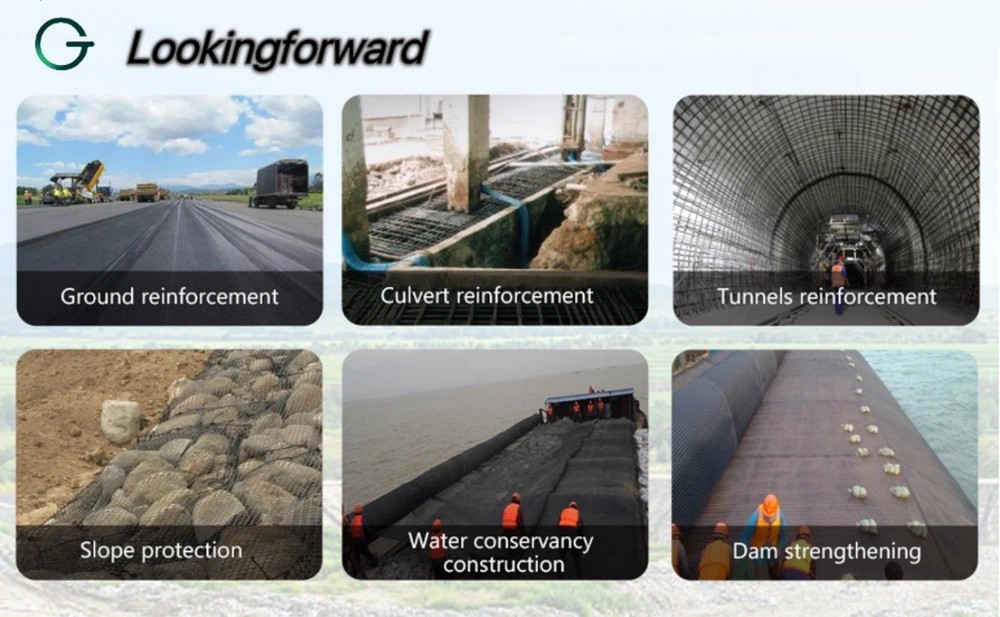
1. It is suitable for all kinds of highways, railways, airports to enhance the roadbed pavement enhancement.
2. It is suitable for permanent bearing foundation enhancement such as large parking lots and dock freight yards.
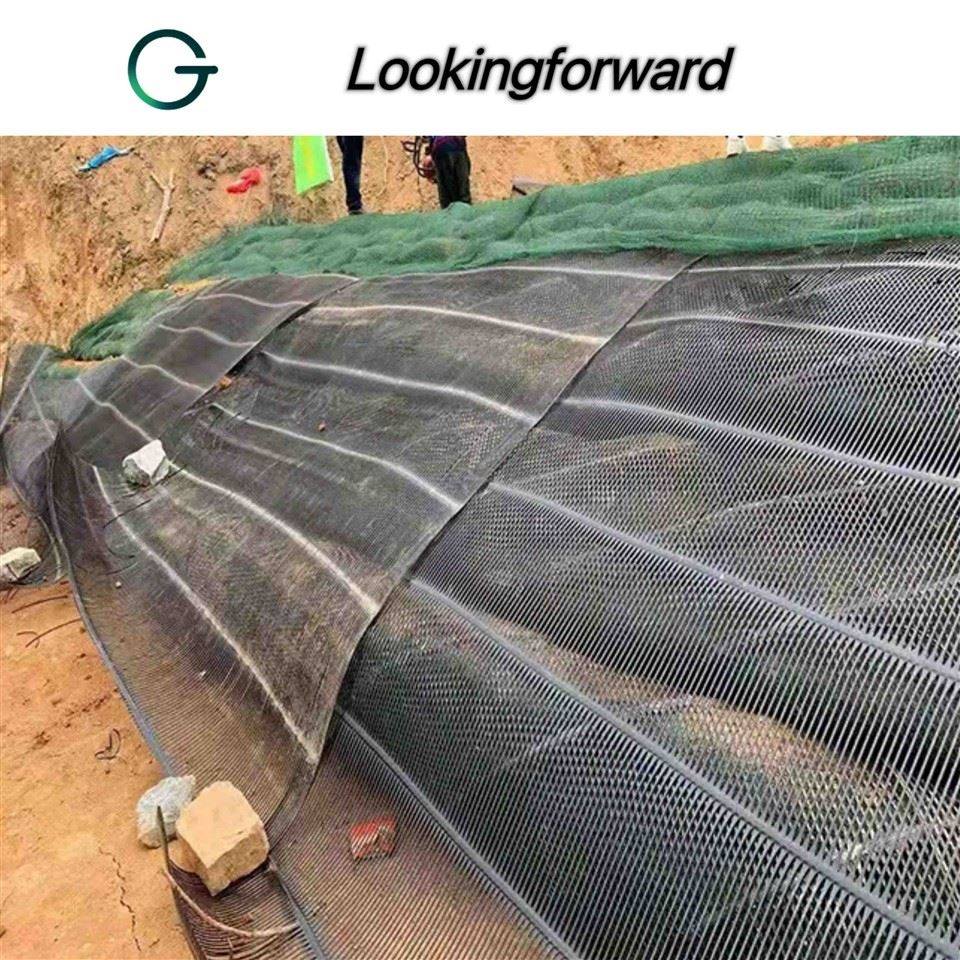
3. Suitable for slope protection of railways and highways.
4. Applicable culvert enhancements.
5. Earth-rock anchoring for underground civil works and traffic road works.
Technical Data Sheet
Construction Precautions for Biaxial Geogrids
Biaxial geogrids are high-strength geosynthetic materials widely used for reinforcing infrastructure such as roads, railways, and bridges. To ensure construction quality and structural stability, the following precautions should be taken during the installation of biaxial geogrids:
1. Foundation Preparation
Clearing the Base: Before construction, remove all debris from the construction area, including plants, stones, garbage, etc., to ensure a clean base.
Leveling the Base: Use mechanical equipment or manual labor to level the base, ensuring the ground is smooth without significant pits and bumps.
Testing Base Bearing Capacity: Test the base's bearing capacity according to design requirements to ensure it meets the conditions for laying the biaxial geogrid.
2. Material Preparation
Selecting the Appropriate Biaxial Geogrid: Choose the appropriate specifications and strength of the biaxial geogrid according to engineering design requirements to ensure the material meets the design standards.
Material Inspection: Inspect the biaxial geogrid for appearance and quality before construction to ensure there is no damage or quality issues.
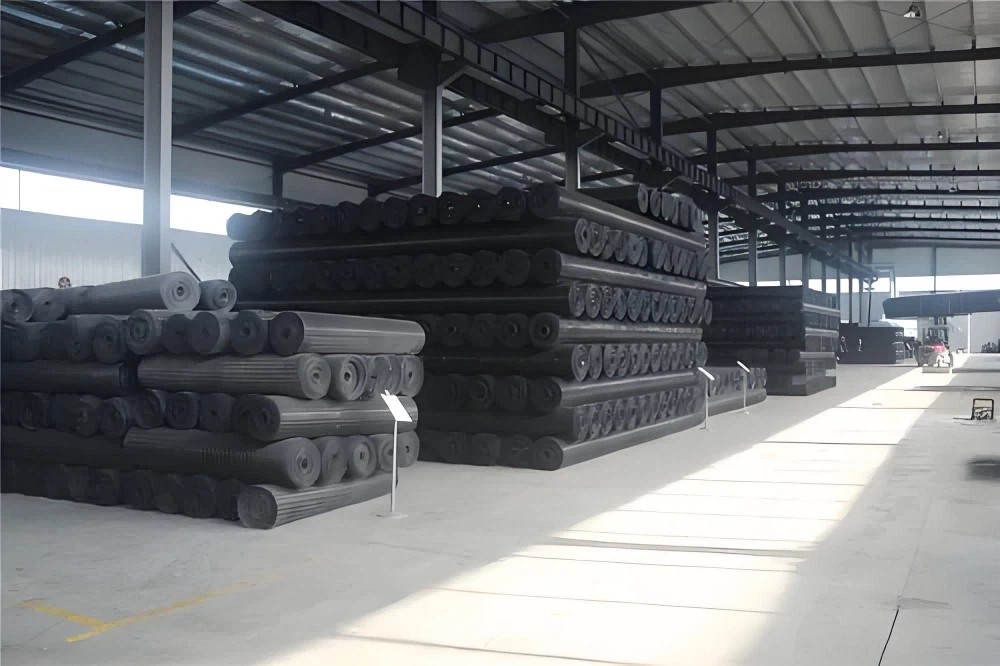
Storage and Transportation: Store the biaxial geogrid in a dry, ventilated place, avoiding direct sunlight and chemical contamination. During transportation, prevent heavy pressure and mechanical damage.
3. Construction Steps
Laying the Biaxial Geogrid:
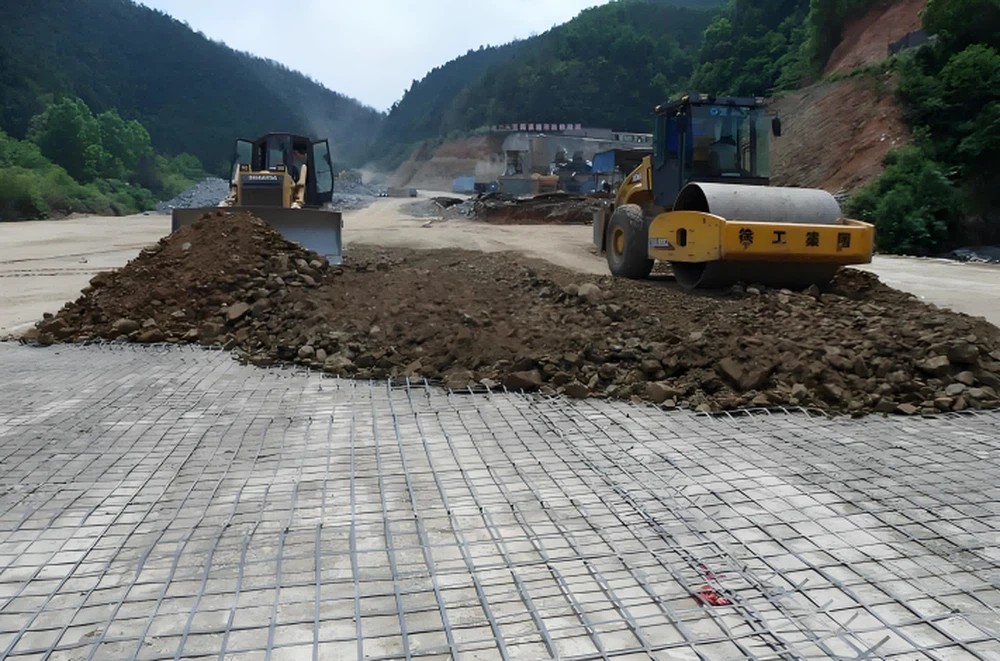
Unroll the Geogrid: Unroll the biaxial geogrid along the construction direction, ensuring it is flat without wrinkles. The grid should be straight without twisting or folding.
Fixing the Geogrid: Use U-shaped nails, anchor nails, or sandbags to fix the geogrid to the base, ensuring it does not move. Fixing points should be evenly distributed, generally spaced 1-2 meters apart.
Overlap Handling: The overlap width of the biaxial geogrid should be determined according to design requirements, generally 20-30 cm. Fix the overlap with ties or other methods to ensure a firm joint.
Soil Filling:
Layered Soil Filling: Conduct layered soil filling on the geogrid, with each layer thickness not exceeding 30 cm. Distribute the soil evenly to avoid concentrated heaps.
Compacting the Soil: Compact each soil layer promptly using a light roller or vibratory compactor to ensure the density meets design requirements.
Preventing Geogrid Displacement: During soil filling and compaction, protect the biaxial geogrid to prevent displacement or damage due to mechanical rolling or construction operations.
4. Quality Control
Construction Monitoring: Arrange professional technical personnel to monitor the construction process on-site, ensuring each procedure follows design requirements and promptly addressing issues.
Quality Inspection: Regularly inspect the quality, including the flatness of the geogrid, overlap handling, and soil compaction, to ensure construction quality meets design standards.
Construction Records: Keep detailed records of all construction data, including material usage, construction progress, and quality inspection results, as a basis for project acceptance.
5. Safety Precautions
Safety of Construction Personnel: Set up safety warning signs at the construction site, and construction personnel should wear protective gear such as safety helmets and safety shoes to ensure personal safety.
Safety of Mechanical Equipment: Regularly check and maintain construction machinery to ensure normal operation. Operators should be certified and strictly follow operating procedures.
Environmental Protection: Pay attention to environmental protection during construction to avoid polluting the surrounding environment. Timely clean and properly dispose of construction waste.
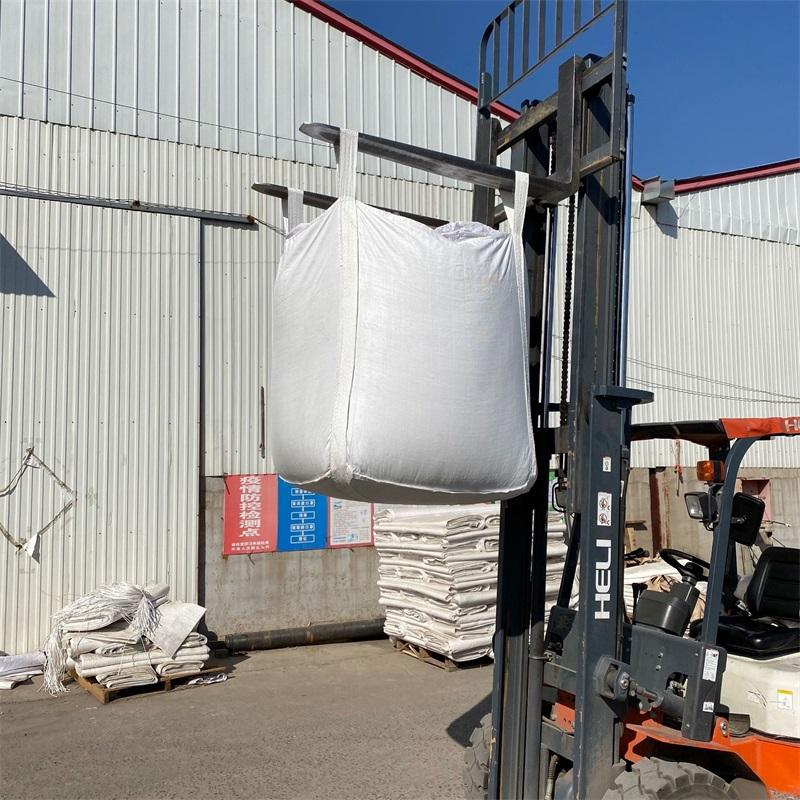
Packing & Shipping
FAQ
1.Are you a factory or trading company? Where is your company located?
We are a professional manufacturer that specialized in geomembrane, geotextile, composite geomembrane, geocell, geogrid etc. with lS09001 certificate more than 20 years.
2.Can you provide a sample for us?
Yes, we can send free samples, but customer need to pay the freight.
3.Can you do OEM?
Yes, we can produce the products as your request.
4.What is your payment terms?
T/T, Western Union, Paypal, L/C…
5.What is your delivery time?
Production time usually costs 2-20 days based on the order.
6.Where is your factory located? How can l visit there?
Welcome to visit our factory and it is our great pleasure. Our factory is located is Dezhou City , Shandong Province.
7.What's your MOQ? Can l order small quantity for testing at first order?
For new client, we accept small order for building mutual trust and long-term business relationship.
Send Inquiry
You Might Also Like

Categories