
‹
›
 facebook
 twitter
 linkedin
 google+
Description
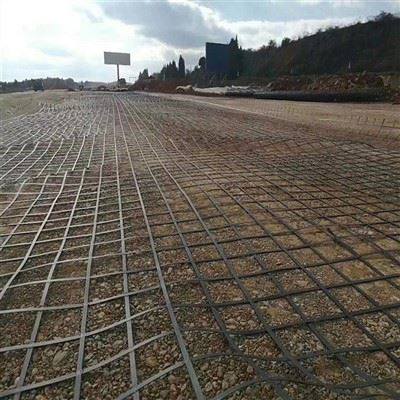
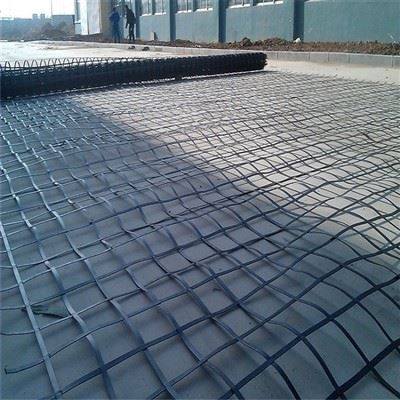
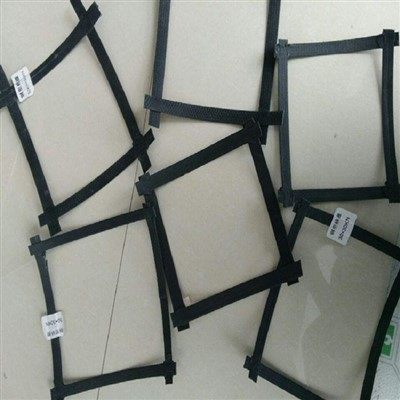
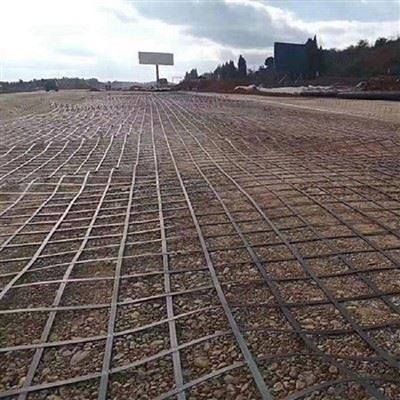
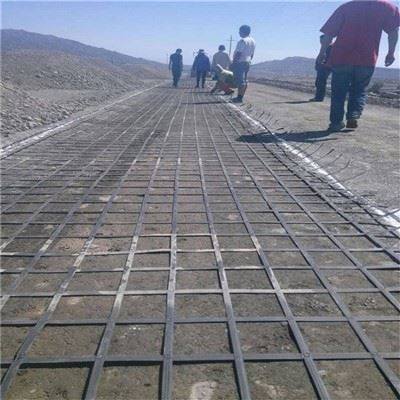
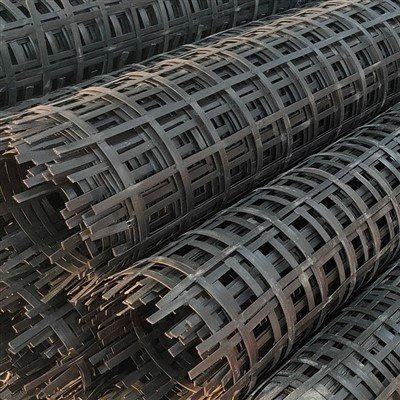
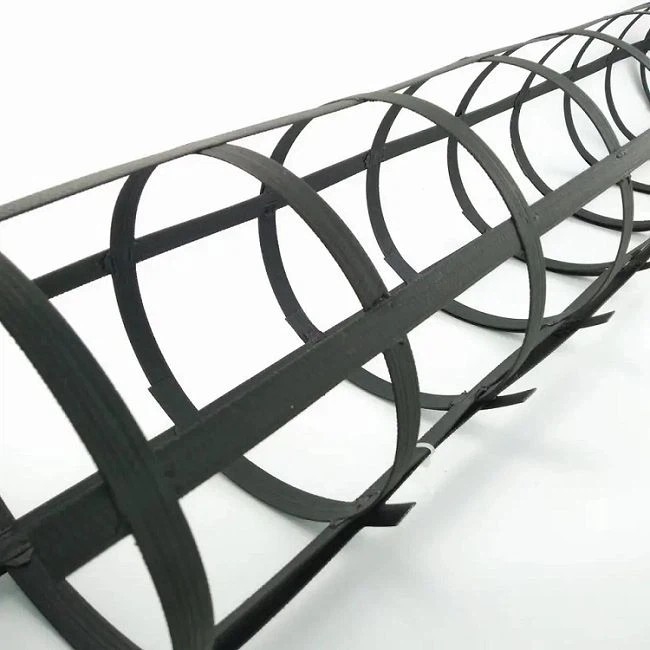
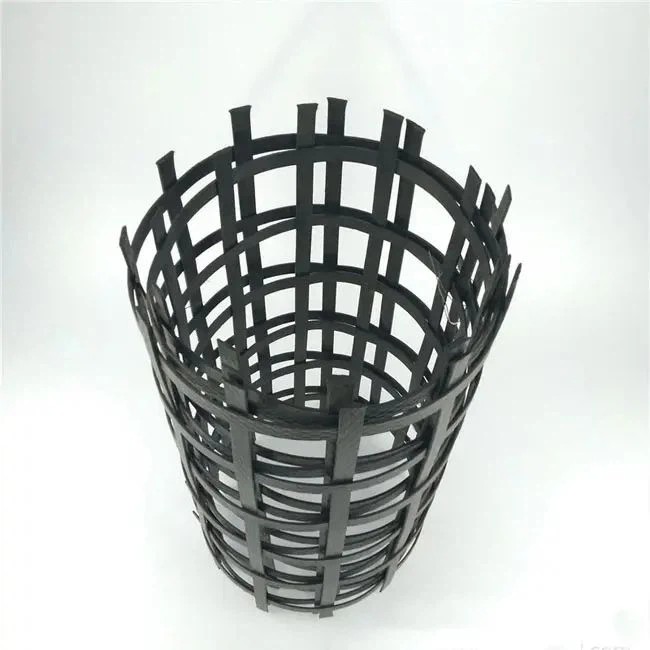
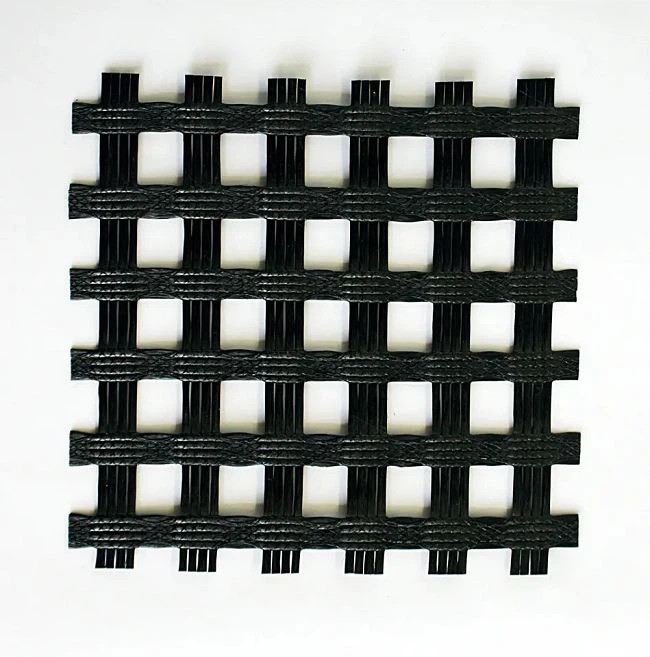
The steel plastic bi-directional geogrid is made of high-strength steel wire (or other fibers), specially treated with polyethylene (PE) or polypropylene (PP), and other additives added. It is extruded to form a composite high-strength tensile strip with rough embossing on the surface, which is a high-strength reinforced geogrid. From this single strip, it is formed by weaving or clamping at a certain distance vertically and horizontally, and welding its junction points using special reinforced bonding fusion welding technology, which is a reinforced geogrid.
Performance characteristics
1. With high strength, low creep, and adaptability to various environmental soils, it can fully meet the use of tall retaining walls in high-grade highways.
2. It can effectively improve the interlocking and interlocking effects of the reinforced bearing surface, greatly enhance the bearing capacity of the foundation, effectively constrain the lateral displacement of the soil, and enhance the stability performance of the foundation.
3. Compared with traditional grilles, they have the characteristics of high strength, strong bearing capacity, corrosion resistance, aging resistance, large friction coefficient, uniform perforation, convenient construction, and long service life.
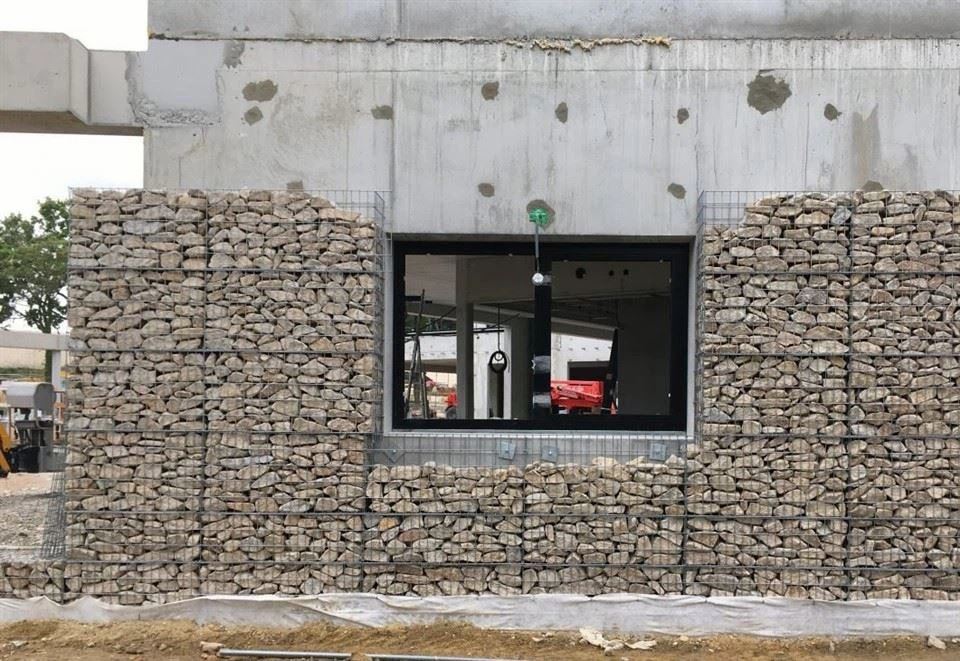
4. It is more suitable for deep-sea operations and embankment reinforcement, fundamentally solving the technical problems of low strength, poor corrosion resistance, and short service life caused by long-term seawater erosion of other materials used as gabions.
5. It can effectively avoid construction damage caused by being crushed or damaged by machinery during the construction process.
Purpose
It can be used for civil engineering projects such as highway, railway, embankment, abutment, construction access, wharf, revetment, flood embankment, dam, mudflat treatment, freight yard, slag yard, airport, sports ground, environmental protection buildings, soft soil foundation reinforcement, retaining wall, slope protection and pavement resistance.
Construction
When applying geogrids to soft foundation treatment, the design strength of geogrids should also be determined based on the height of roadbed filling, while determining the location and number of layers of geogrids based on geological conditions.
When the filling height is greater than 4m, the geogrid should meet the minimum requirements of industry standards, and the ultimate tensile force in both vertical and horizontal directions should not be less than 20kN/m
When the filling height is between 3-4m, the ultimate longitudinal and transverse tensile force of the geogrid shall not be less than 40kN/m
When the filling height is less than 3m, the ultimate longitudinal and transverse tensile force of the geogrid is not less than 50 kN/m, and the elongation is less than 4%. It is recommended to use GSZ60-60 geogrid. When the geogrid is used for the filling and excavation joint of the roadbed, a bidirectional geogrid of not less than 40 kN/m should be used, and GSZ60-60 geogrid should be used
When used for widening the joint of old and new roads, the method of using grids in the expansion of Shenda Expressway is borrowed: for roadbed with a filling height greater than 3 meters, a steel plastic composite grid is added at a distance of 20 cm from the top of the roadbed, and a steel plastic composite grid with a longitudinal (vertical route direction) ultimate tensile force greater than or equal to 60 kN/m and a transverse (parallel route direction) ultimate tensile force greater than or equal to 20 kN/m is used, with an elongation rate of ≤ 4%.
Technical Parameter
Send Inquiry
You Might Also Like

Categories