
‹
›

 facebook
 twitter
 linkedin
 google+
Description
Basic information
Introduction
Fiber Plate is a man-made board made of wood fiber as the main raw material, which is pressed by hot grinding, gluing, hot pressing and other processes. According to the density, it is divided into low-density, medium-density (MDF) and high-density fiberboard (HDF). The product has a uniform structure, a flat surface, good processing performance and dimensional stability, and is widely used in furniture manufacturing, interior decoration, floor substrates, packaging and other fields.
Advantages
1. Uniform structure and easy processing
Fiberboard adopts hot grinding and dry forming process to fully disperse wood fibers during the production process, making the internal structure of the board dense and uniform. This structural characteristic improves the lateral strength of the board and helps to maintain the shape and edge integrity during subsequent processing. In the secondary processing links such as CNC milling, engraving, drilling, and forming, fiberboard is not easy to produce burrs or cracks, ensuring the stability and precision of processing, so it is widely used in furniture customization, mold making and other fields.
2. Smooth surface
The surface flatness of fiberboard is well controlled, generally reaching a standard better than ±0.3 mm, meeting the requirements of high-precision decorative veneer. This smooth surface is conducive to the subsequent PVC lamination, melamine veneer, veneer lamination and other veneer processes, with firm lamination and stable decorative effect of the finished product, which is suitable for the production of decorative boards of various styles and uses.
3. Strong dimensional stability
Under standard environmental conditions (temperature 20°C, relative humidity 65%), the thickness expansion rate of fiberboard is controlled within a low range, such as high-density fiberboard (HDF) can be maintained at ≤8%. In addition, fiberboard shows good dimensional stability in dry-wet cycle changes, small moisture deformation, and the dimensional change coefficient is generally controlled at ±0.25%.
4. Good environmental performance
Fiberboard uses low formaldehyde emission adhesives during the production process to ensure the safety of the board during use. Conventional products meet the national E1 environmental protection standards, that is, the formaldehyde emission does not exceed 1.5 mg/L, and are suitable for use in indoor spaces. For customers with higher environmental protection requirements, customized products that meet more stringent standards (such as CARB P2 or E0) can also be provided to meet the needs of projects with high requirements for indoor air quality.
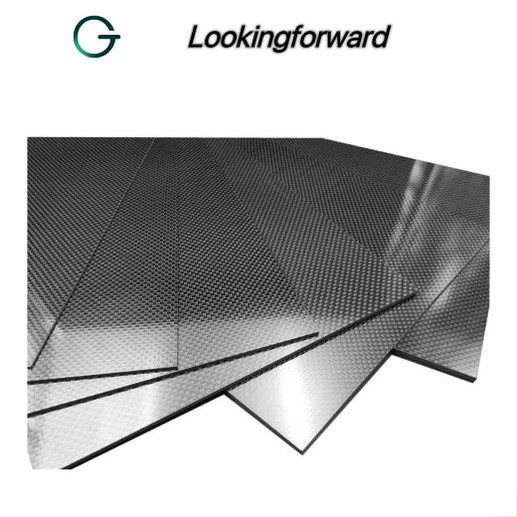
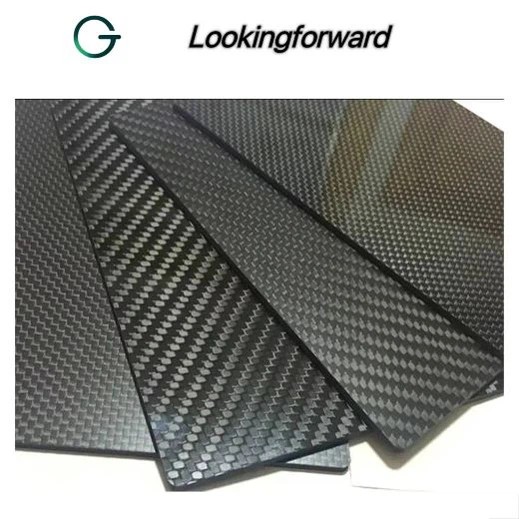
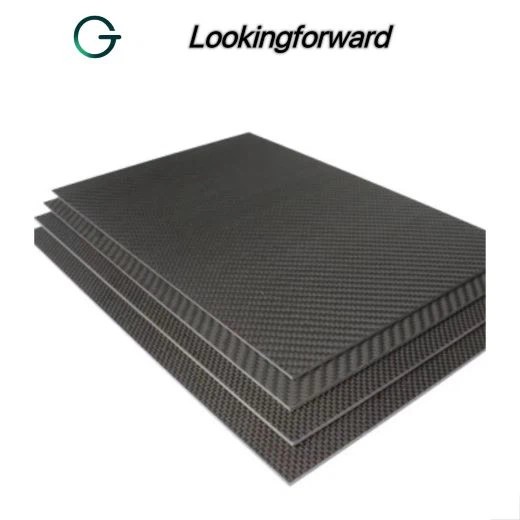
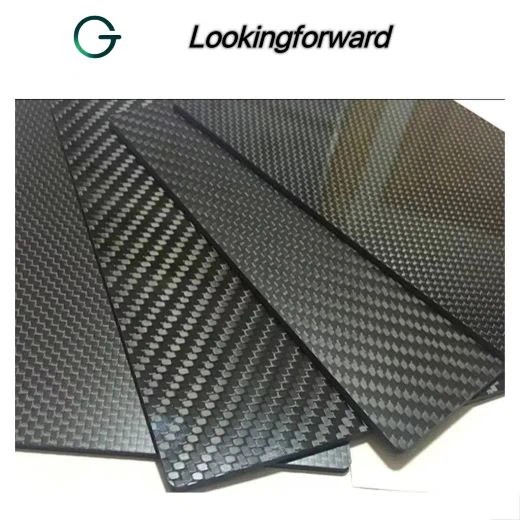
Carbon fiber plate data plate
Send Inquiry
You Might Also Like

Categories