
‹
›
 facebook
 twitter
 linkedin
 google+
Description
Product Overview
Definition
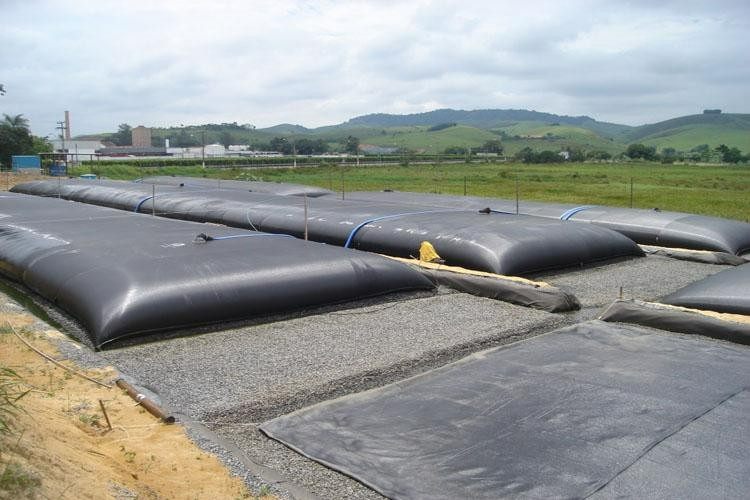
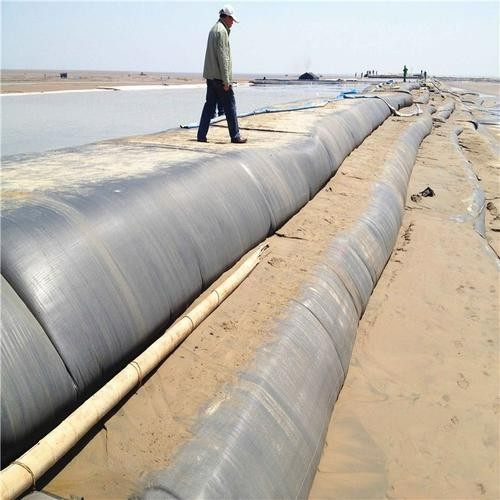
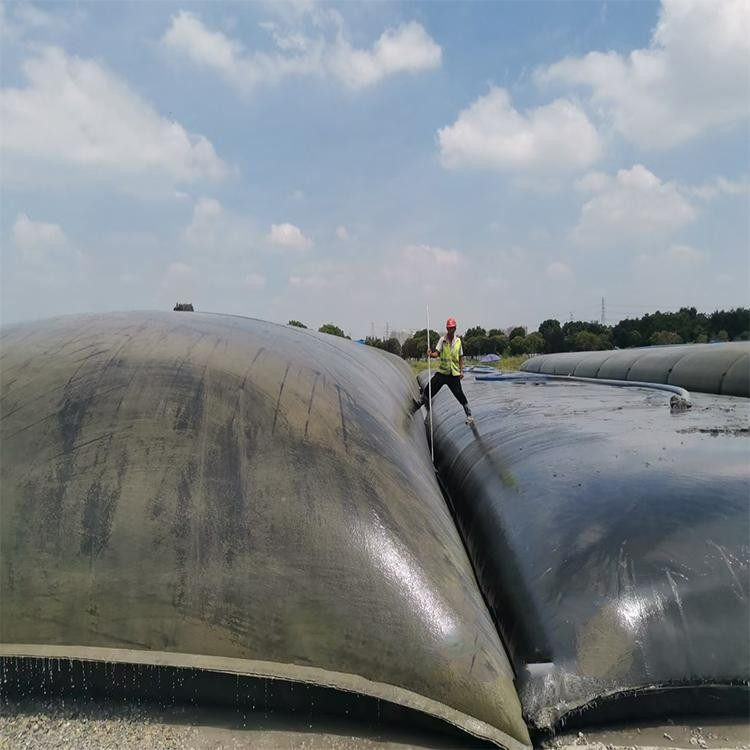
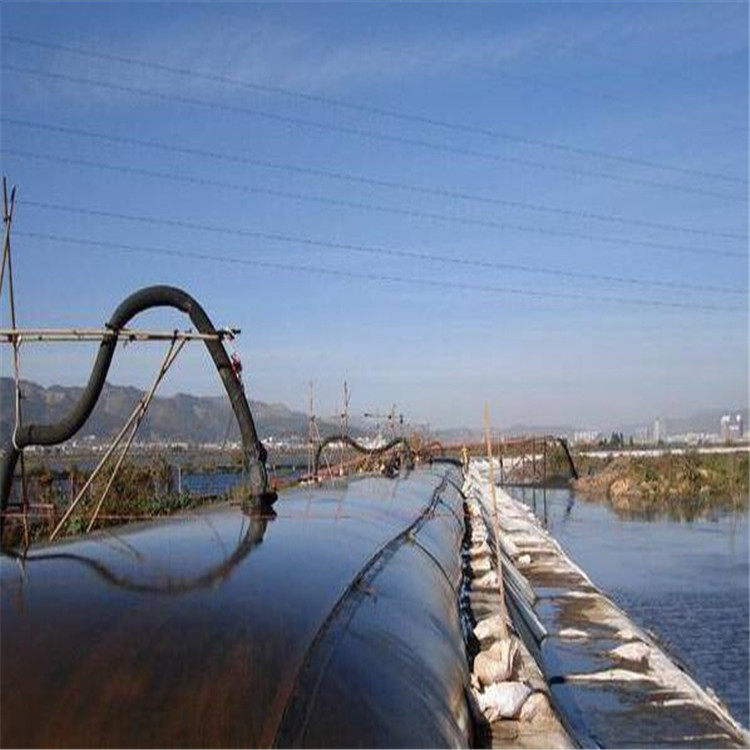
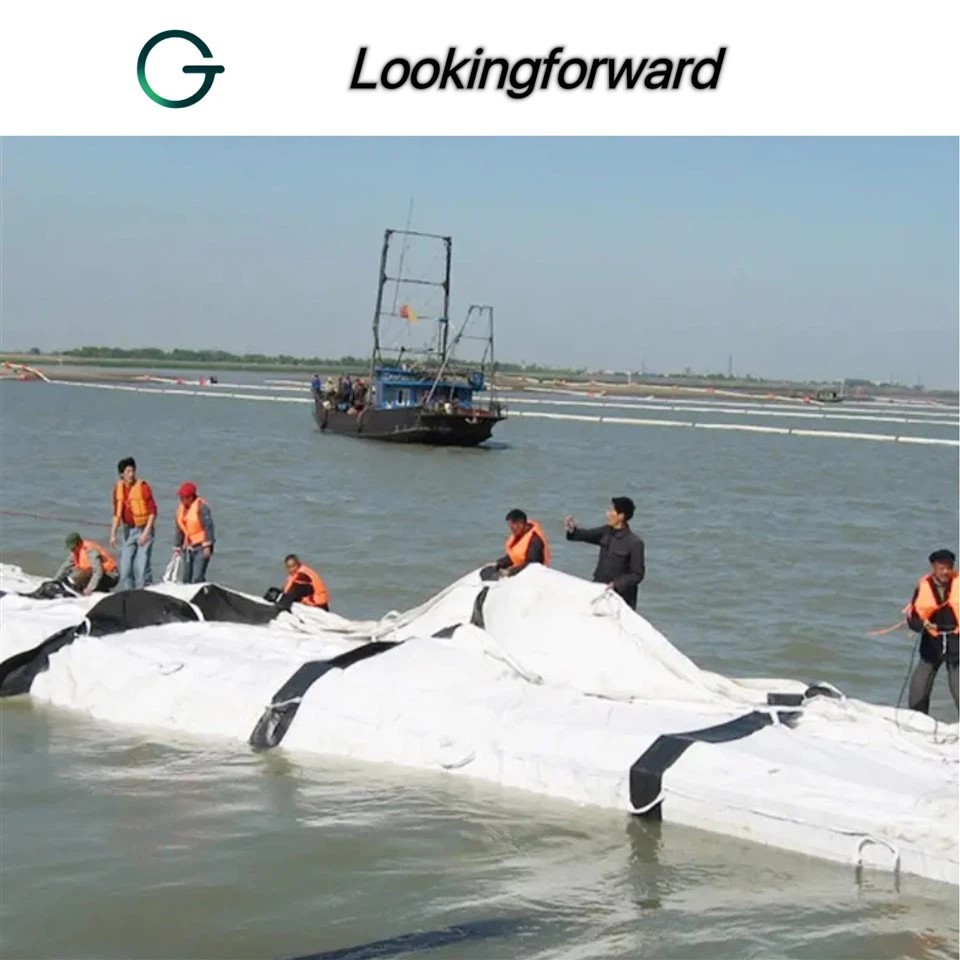
Geotextile tubes are tubular bags made of high-strength geotextile fabric, widely used in hydraulic engineering, coastal protection, river regulation, lake restoration, and land reclamation. Geotextile tubes are filled with sand, soil, or other materials to form a solid structure, providing protection, reinforcement, and environmental benefits.
Uses and Advantages
Geotextile tubes are indispensable in various engineering projects due to their durability, corrosion resistance, and high strength. Their primary uses include:
Coastal Protection: Prevent coastal erosion and protect shorelines.
River Regulation: Control riverbank erosion and stabilize riverbeds.
Land Reclamation: Enhance land reclamation efficiency and reduce settlement.
Lake Restoration: Address sedimentation issues and improve water quality.
Benefits
Geotextile tubes offer significant advantages over traditional materials:
High Strength: Made from high-strength polypropylene fibers, they exhibit excellent tensile strength and abrasion resistance.
Corrosion Resistance: Exceptional corrosion resistance makes them suitable for various harsh environments.
Environmental Friendly: Eco-friendly materials that can be recycled and pose no environmental harm.
Easy Installation: Simple and quick installation saves labor and time costs.
Product Features
Material
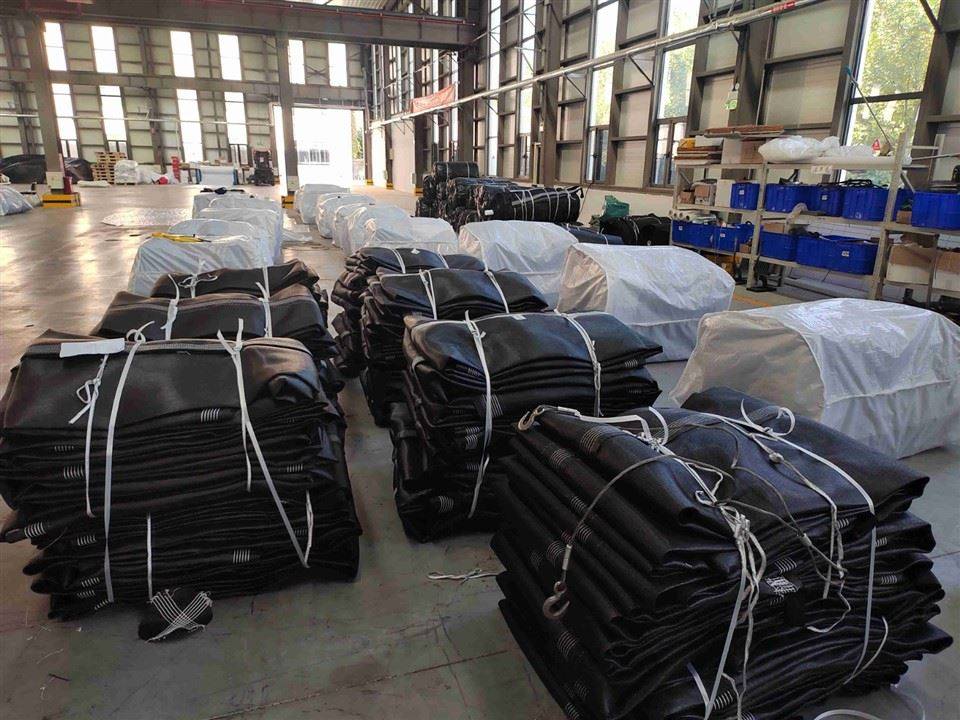
Geotextile tubes are primarily made of high-strength polypropylene or polyester geotextile fabric, known for their excellent durability, UV resistance, corrosion resistance, and high strength. These materials maintain their performance in various adverse environments.
Structure
The structure of geotextile tubes is flexible and can be customized to different sizes and shapes according to project requirements. Common specifications include diameters ranging from 0.5 meters to 2.5 meters, with lengths tailored to specific needs. The seams are welded using high-strength technology to ensure strong connections and good sealing performance.
Performance
Geotextile tubes have outstanding performance indicators, including:
Tensile Strength: Tensile strength of geotextile tubes can reach over 35kN/m, capable of withstanding significant external forces.
Elongation: Controlled elongation below 12%, ensuring the tube does not deform easily under stress.
Seepage Prevention: High-density material structure provides excellent seepage prevention, preventing soil and water loss.
3. Technical Specifications
Application Fields of Geotextile tube
River Regulation
Geotextile tubes are widely used in river regulation projects due to their high strength and durability. They effectively control riverbank erosion, stabilize riverbeds, and protect the surrounding environment.
Case Study 1: River Regulation Project in Jiangsu, China
Project Background: Severe riverbank erosion affecting local residents. Solution: Geotextile tubes filled with sand were placed along the riverbank to form a solid protective structure. Effect: Effective control of riverbank erosion and significant improvement of the surrounding environment after one year of observation.
Coastal Protection
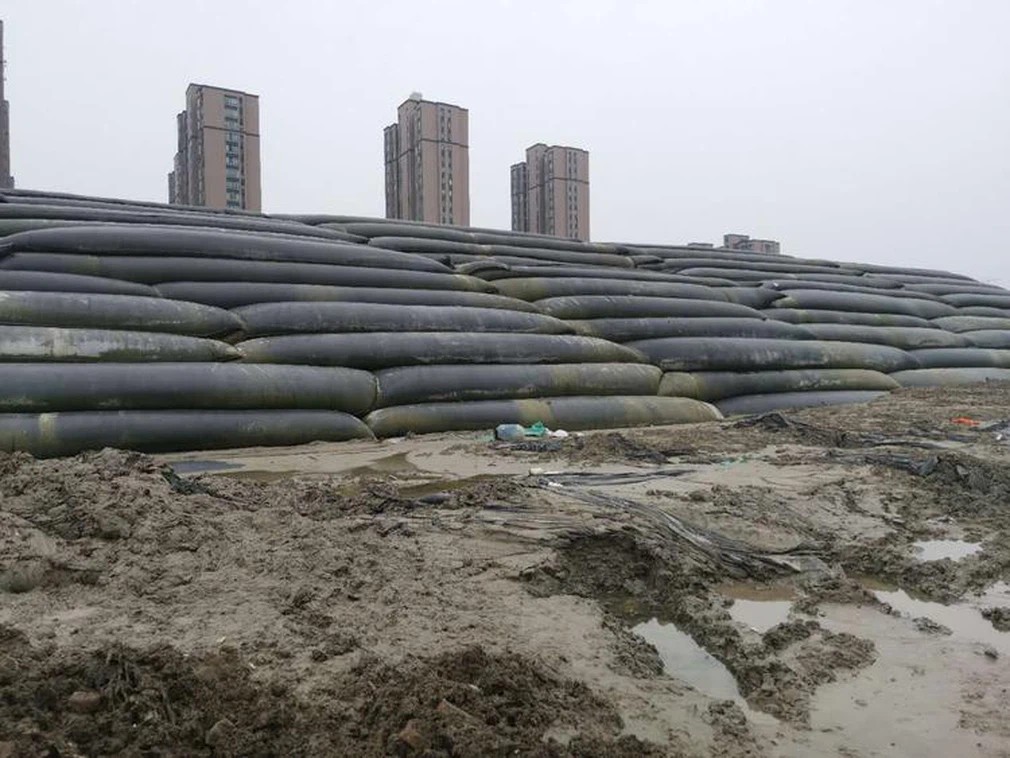
Coastal protection is a primary application of geotextile tubes. By filling the tubes with sand, they form a robust breakwater, effectively preventing coastal erosion.
Case Study 2: Coastal Protection Project in Fujian, China
Project Background: Severe coastal erosion threatening coastal structures. Solution: Geotextile tubes were used to construct a breakwater. Effect: Reduced construction costs, accelerated construction speed, and significant protective effect. The breakwater remained stable after multiple storm tests, effectively protecting the coastal area.
Land Reclamation
Land reclamation requires substantial fill material and stable structures. Geotextile tubes, filled with sediment, form a stable reclamation foundation, reducing settlement and improving reclamation efficiency.
Case Study 3: Land Reclamation Project in Guangdong, China
Project Background: Rapid land expansion required for economic development. Solution: Geotextile tubes were used for land reclamation. Effect: Accelerated reclamation progress, improved land stability, and reduced settlement issues.
Lake Restoration
Geotextile tubes can effectively solve sedimentation and water quality issues in lake restoration projects. They form a seepage-proof layer at the lake bottom, preventing sediment spread and improving water quality.
Case Study 4: Lake Restoration Project in Hubei, China
Project Background: Severe lake sedimentation and deteriorating water quality. Solution: Geotextile tubes were used for seepage control at the lake bottom. Effect: Controlled sedimentation, improved water quality, and restored the lake's ecological environment.
Construction Process
Site Survey
A detailed survey of the construction site is required before construction to understand geological conditions and hydrological situations, ensuring the scientific and feasibility of the construction plan.
Preparation of Construction Materials
Prepare geotextile tubes, fill materials, and other necessary materials according to the construction plan, ensuring the quality of materials meets project requirements.
Installation of Geotextile Tubes
Lay the geotextile tubes in the designed positions, ensuring accurate placement and secure connections. Use high-strength welding technology for seam treatment to ensure good sealing.
Filling Materials
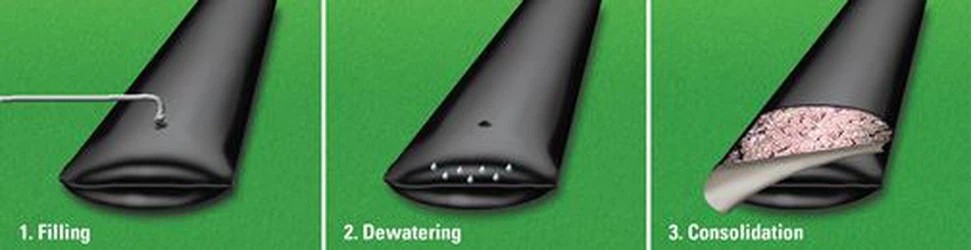
Fill the tubes with sand, soil, or other materials using specialized equipment, ensuring uniform and compact filling. Control the speed and pressure during filling to avoid tube damage.
Completion and Acceptance
After construction, inspect the geotextile tubes for leaks and soil loss. Clean up the construction site and restore the environment after successful inspection and acceptance.
Successful Cases
Case Study 1: River Regulation Project in Jiangsu, China
Project Background: Severe riverbank erosion affecting local residents. Solution: Geotextile tubes filled with sand were placed along the riverbank to form a solid protective structure. Effect: Effective control of riverbank erosion and significant improvement of the surrounding environment after one year of observation.
Case Study 2: Coastal Protection Project in Fujian, China
Project Background: Severe coastal erosion threatening coastal structures. Solution: Geotextile tubes were used to construct a breakwater. Effect: Reduced construction costs, accelerated construction speed, and significant protective effect. The breakwater remained stable after multiple storm tests, effectively protecting the coastal area.
Case Study 3: Land Reclamation Project in Guangdong, China
Project Background: Rapid land expansion required for economic development. Solution: Geotextile tubes were used for land reclamation. Effect: Accelerated reclamation progress, improved land stability, and reduced settlement issues.
Case Study 4: Lake Restoration Project in Hubei, China
Project Background: Severe lake sedimentation and deteriorating water quality. Solution: Geotextile tubes were used for seepage control at the lake bottom. Effect: Controlled sedimentation, improved water quality, and restored the lake's ecological environment.
Quality Assurance
Production Process
The production process of geotextile tubes is strictly controlled, using advanced production equipment and high-quality raw materials to ensure stable and reliable product quality. The production process includes material inspection, cutting, sewing, welding, and final product inspection, with each step adhering to quality standards.
Quality Control Measures
The company has established a comprehensive quality management system, implementing full-process quality control. Each batch of products undergoes rigorous testing before leaving the factory to ensure all performance indicators meet standards.
Inspection Standards
Geotextile tube products have passed ISO9001 quality management system certification and meet CE standards. Additionally, the company has obtained several international certifications, such as ASTM, EN, and GB, ensuring product competitiveness in the international market.
After-sales Service
Technical Support
The company provides comprehensive technical support, including product selection advice, construction plan design, and technical training. Customers can consult the company's technical team for any issues encountered during use.
Training Services
The company regularly holds technical training courses to impart knowledge on the use, construction techniques, and maintenance of geotextile tubes, helping customers improve construction quality and efficiency.
Maintenance Services
The company offers regular follow-up services to understand customer usage and provide maintenance advice. Issues reported by customers are promptly addressed to ensure long-term stable product operation.
Contact Information
The company has a 24-hour customer service hotline, and customers can contact the company via phone, email, or online consultation to ensure timely assistance.
Feedback
Send Inquiry
You Might Also Like

Categories