
‹
›
 facebook
 twitter
 linkedin
 google+
Description
Overview
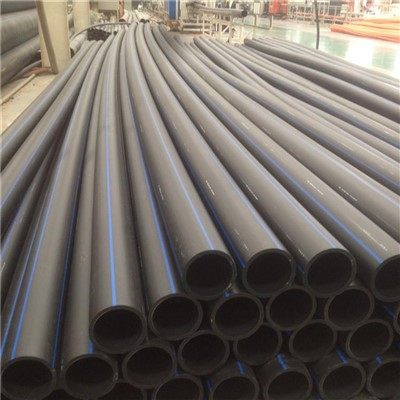
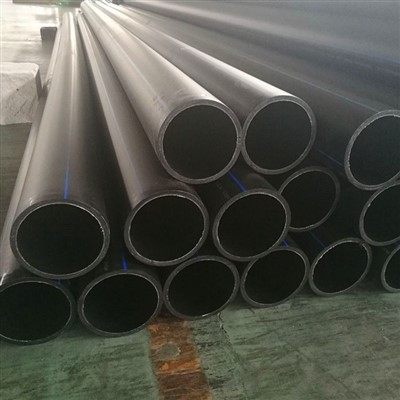
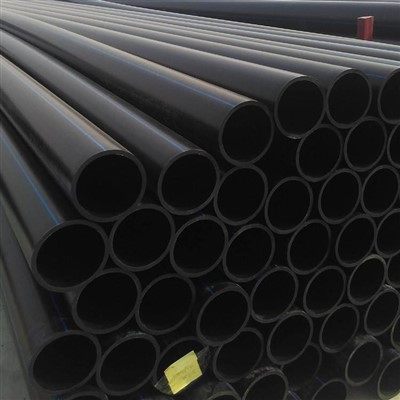
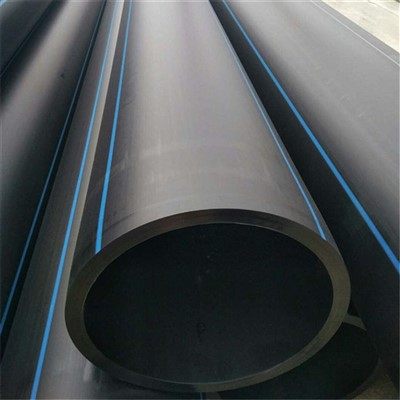
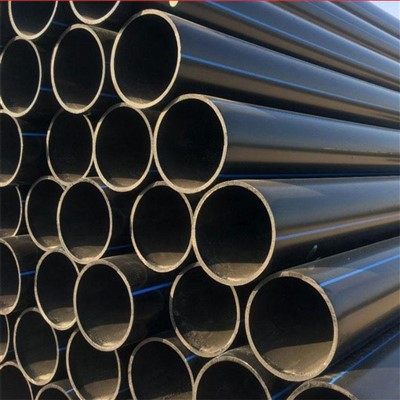
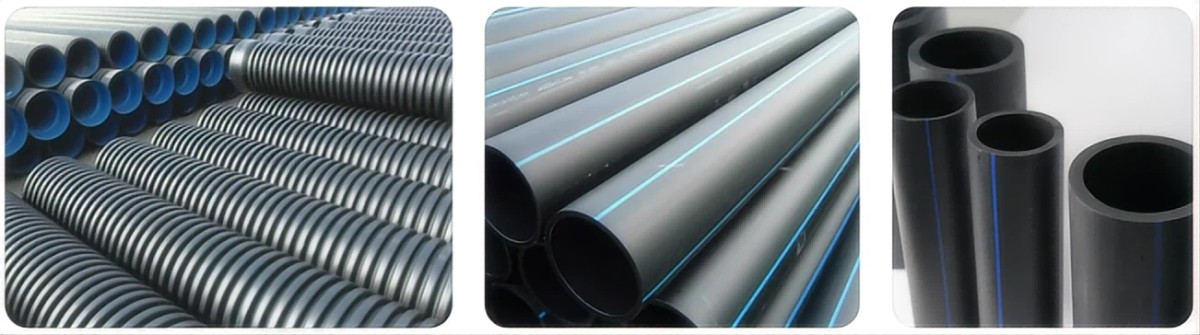
High-Density Polyethylene (HDPE) drainage pipes are widely recognized for their exceptional performance in various drainage applications. Their durability, flexibility, and resistance to corrosion make them a preferred choice in industries ranging from construction to agriculture. This article delves into the properties, technical specifications, applications, and benefits of HDPE drainage pipes, emphasizing their superiority and suitability for diverse projects.
Material Properties
Durability: HDPE drainage pipes are known for their long lifespan, often exceeding 50 years under normal operating conditions. Their high tensile strength and resistance to physical damage ensure they can withstand harsh environments and heavy loads.
Flexibility: Unlike rigid pipes, HDPE pipes can flex and bend, accommodating ground movements and reducing the risk of pipe fractures. This makes them ideal for areas prone to earthquakes and soil subsidence.
Corrosion Resistance: HDPE is highly resistant to corrosion and chemical attacks, making it suitable for transporting various fluids, including aggressive chemicals and wastewater.
Lightweight: HDPE pipes are lightweight, facilitating easy transportation and installation. This reduces overall project costs and labor requirements.
Environmental Friendliness: HDPE is a recyclable material, aligning with modern sustainability and environmental conservation goals. The production and usage of HDPE pipes have a lower carbon footprint compared to traditional materials like steel or concrete.
Technical Specifications
Applications
Municipal Drainage Systems: HDPE pipes are extensively used in municipal drainage systems for stormwater and wastewater management due to their durability and ease of installation.
Agricultural Irrigation: Their flexibility and chemical resistance make HDPE pipes ideal for irrigation systems, providing reliable water delivery in various agricultural settings.
Industrial Applications: HDPE pipes can handle a range of industrial fluids, including corrosive chemicals, making them suitable for chemical processing plants, mining operations, and more.
Landfill Drainage: HDPE pipes are used in landfill drainage systems to collect and transport leachate safely, thanks to their resistance to chemical degradation and environmental stress.
Residential Drainage: HDPE pipes are commonly used in residential projects for sewage and drainage systems, offering a reliable and long-lasting solution.
Installation Process
Site Preparation: Ensure the site is properly graded and free of large rocks or debris that could damage the pipes.
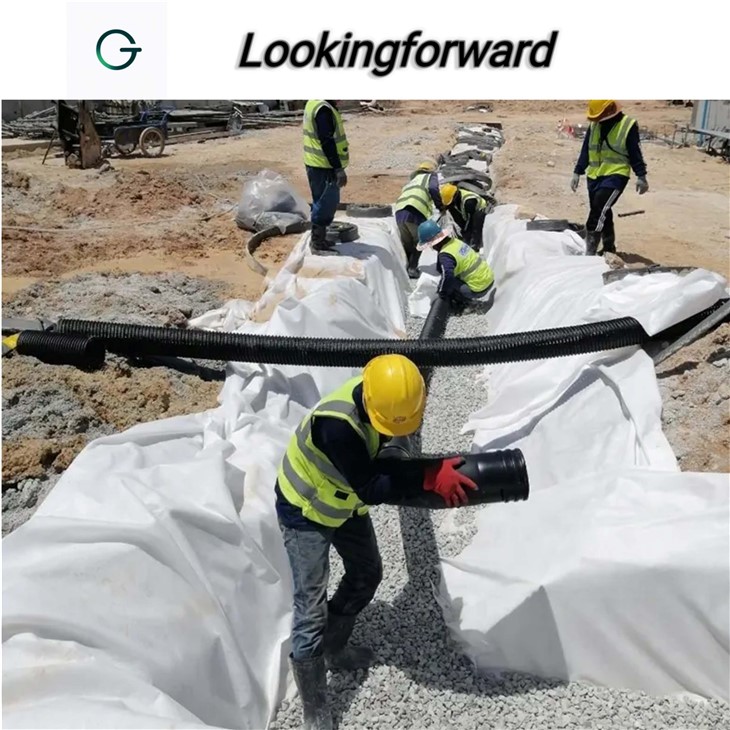
Trenching: Excavate trenches to the required depth and width, ensuring proper slope and alignment for efficient drainage.
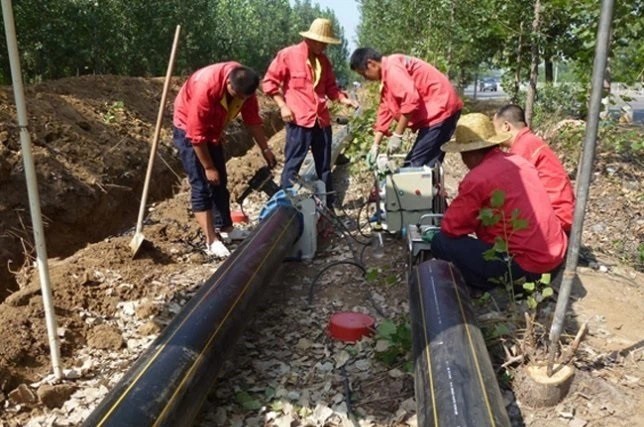
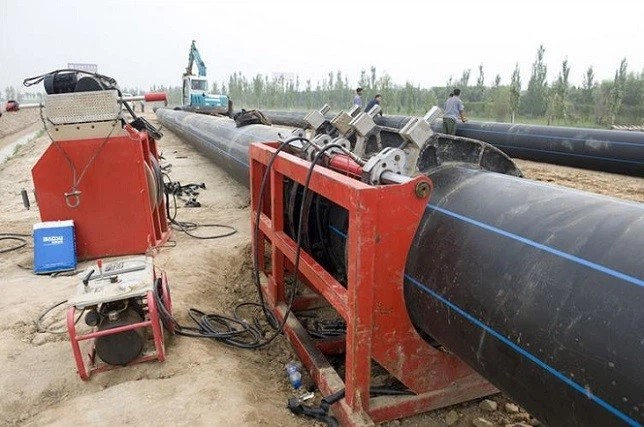
Pipe Laying: Lay the HDPE pipes in the trench, ensuring joints are properly connected using heat fusion or mechanical fittings. The flexibility of HDPE pipes allows for easy adjustment to site conditions.
Backfilling: Carefully backfill the trench with suitable material, ensuring no sharp objects are present that could damage the pipes. Compact the backfill material to provide adequate support.
Inspection and Testing: Conduct thorough inspections and pressure tests to ensure the system is leak-free and functioning correctly.
Advantages
Cost-Effective: HDPE pipes offer a lower total cost of ownership due to their long lifespan, minimal maintenance requirements, and easy installation process.
Leak-Free Joints: Heat fusion welding creates homogenous joints that are as strong as the pipe itself, eliminating potential leak points.
High Flow Capacity: The smooth interior surface of HDPE pipes provides low friction resistance, enhancing flow capacity and reducing energy costs for fluid transport.
Versatility: HDPE pipes are available in various diameters and lengths, customizable to meet specific project requirements.
HDPE drainage pipes offer a superior solution for various drainage and fluid transport applications due to their durability, flexibility, and resistance to environmental and chemical stress. As an environmentally friendly and cost-effective option, HDPE pipes are becoming increasingly popular across multiple industries. By choosing HDPE drainage pipes, you ensure a reliable and long-lasting infrastructure investment.
For more information on HDPE drainage pipes and how they can benefit your projects, please contact us. Our team of experts is ready to provide detailed guidance and support tailored to your specific needs.
Send Inquiry
You Might Also Like

Categories