
‹
›
 facebook
 twitter
 linkedin
 google+
Description
Introduction
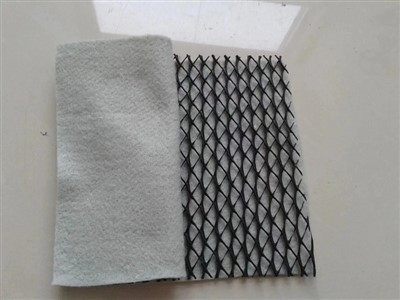
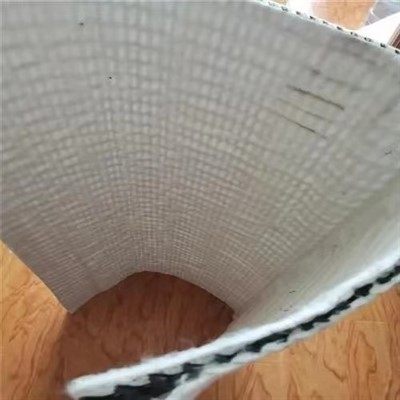
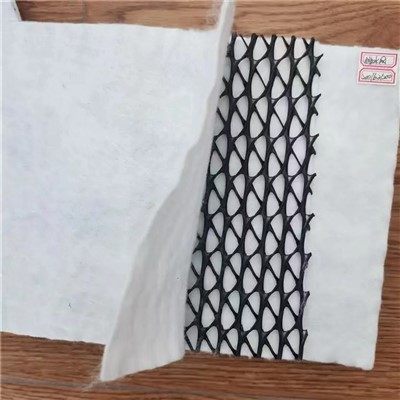
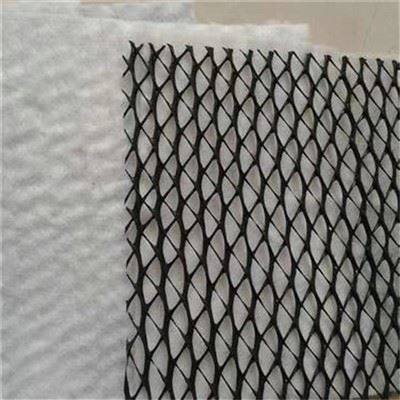
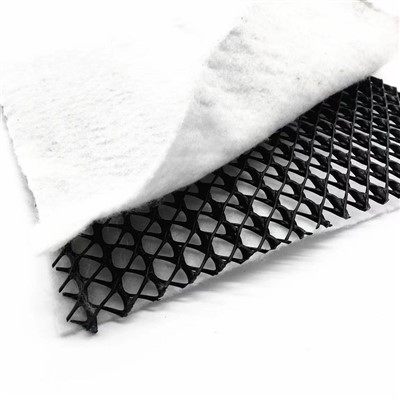
Anti-erosion geotextile is a kind of geosynthetic material used to prevent soil erosion, and is commonly used in surface protection projects such as slopes, water conservancy projects, river bank protection, and highway subgrades. It is usually made of natural fibers or synthetic fibers (such as polypropylene, polyester) and has certain strength and permeability.
Advantages
Good drainage and permeability performance
The geotextile mat can still maintain high permeability under the conditions of 720kPa load and 2% slope. The measured permeability reaches 2500m³/d, and the unit width flow rate reaches 13 Lpm/m. It can quickly discharge rainwater or groundwater, slow down the flow rate of surface runoff, and reduce the scouring force of water flow on the soil, thereby reducing soil erosion and enhancing the stability of the slope.
Strong bearing and deformation control ability
After 10,000 hours of creep test under a continuous load of 1200kPa, the geotextile mat can still maintain more than 60% of its initial thickness. This shows that it can effectively resist creep deformation and maintain structural integrity during long-term service, which helps to maintain the stability of the foundation or slope system and meets the requirements for the performance stability of engineering materials under high pressure and long-term working conditions.
Good mechanical properties of geotextile mat
The core layer of the geotextile mat is made of high-density polyethylene material, and a carbon black component of not less than 2% is added to improve its UV resistance and aging resistance. The material density is 0.94g/cm³, and the tensile strength reaches or exceeds 36.5kN/m. It can withstand the tensile stress during construction and service, which is conducive to dispersing external forces and adapting to different terrains and load changes. In addition, its melt index is 1.0g/10min and its thickness is 7.6mm. It shows good formability and cushioning performance during processing and laying, which improves the stability and adaptability of the overall structure.
Send Inquiry
You Might Also Like

Categories