
‹
›
 facebook
 twitter
 linkedin
 google+
Description
Introduction
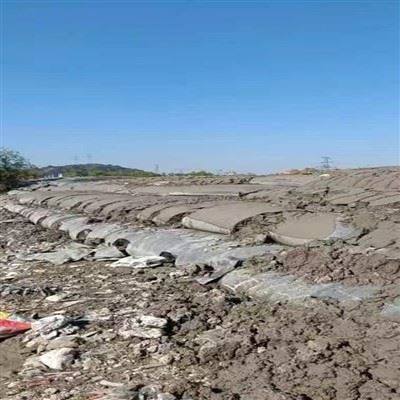
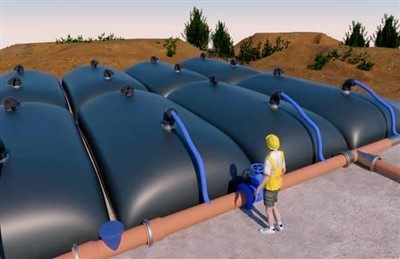
Dewatering Filter Bags are efficient tools for solid-liquid separation, widely used in various industrial and environmental protection projects. They achieve wastewater treatment, slurry dewatering, and sludge processing by physically filtering out solid particles from liquids. This article will detail the structure, materials, working principles, technical parameters, application cases, and advantages of Dewatering Filter Bags.

1. Structure and Materials
1.1 Structure
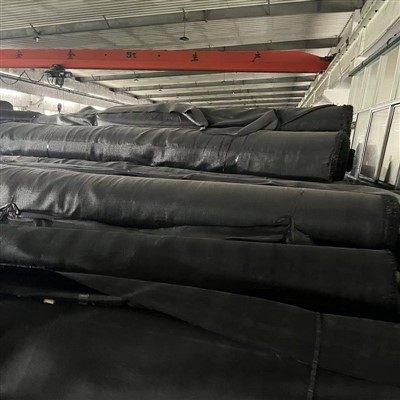
Dewatering Filter Bags are usually made of high-strength, wear-resistant fabric with a simple yet powerful structure. The main components include:
Bag Body: Made of filter cloth, used to contain the material to be filtered.
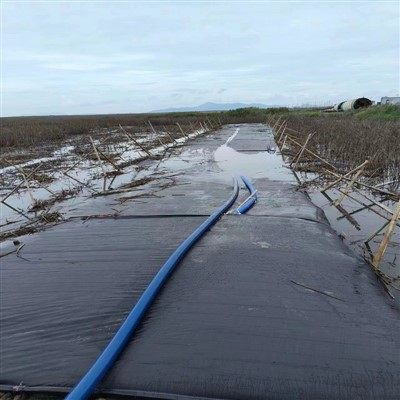
Inlet: Designed for easy connection to pipelines, used to inject the mixed material into the bag body.
Outlet: Located at the bottom or side of the bag body, allows the filtered liquid to flow out.
1.2 Materials
The materials used in Dewatering Filter Bags are selected to ensure durability and filtration efficiency. Common materials include:
Polypropylene (PP): Acid and alkali resistant, corrosion-resistant, suitable for various industrial wastewater treatments.
Polyester (PET): High strength, wear-resistant, ideal for high-intensity usage scenarios.
2. Working Principle
The working principle of Dewatering Filter Bags is based on the physical filtration process. The steps are as follows:
Feeding: The mixed material to be treated is injected into the bag body through the inlet.
Filtering: The material settles in the bag body, with solid particles being intercepted by the filter cloth, while the filtrate permeates through the cloth.
Draining: The filtered liquid flows out from the outlet, achieving solid-liquid separation.
Dewatering: Over time, the solid matter in the bag further dewaters, eventually forming dry filter cake.
3. Technical Parameters
The performance of Dewatering Filter Bags is determined by various technical parameters, including:
Filter Cloth Pore Size: Typically ranges from 100 microns to 600 microns, chosen based on the specific needs.
Bag Dimensions: Common sizes include 1m×1m, 2m×2m, and 3m×3m, with customization available based on requirements.
Load Capacity: Generally ranges from 500kg to 2000kg, depending on the material strength and design.
Temperature Resistance: Usually withstands temperatures from -20℃ to 120℃, depending on the filter cloth material.
4. Application Cases
4.1 Industrial Wastewater Treatment
In a chemical plant, Dewatering Filter Bags were used for treating production wastewater, significantly reducing the concentration of suspended solids and ensuring compliant discharge.
4.2 Construction Slurry Dewatering
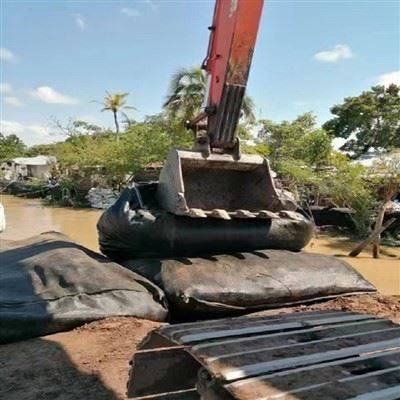
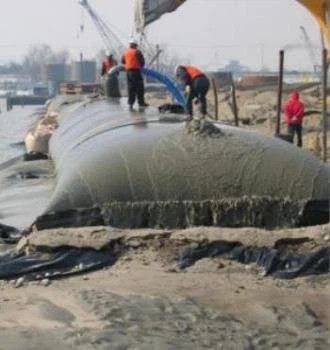
In a large infrastructure project, Dewatering Filter Bags were employed for slurry dewatering, effectively reducing slurry volume and cutting transportation and handling costs.
4.3 Sludge Treatment
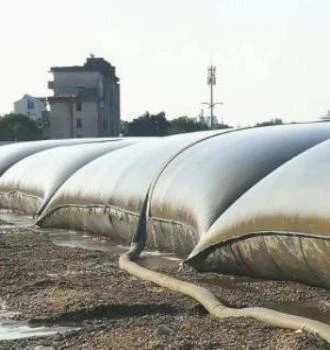
A municipal sewage treatment plant used Dewatering Filter Bags for sludge dewatering, achieving excellent economic and environmental benefits.

5. Product Advantages
5.1 High-Efficiency Filtration
Dewatering Filter Bags use high-quality filter cloth, providing high filtration efficiency to effectively remove solid particles from wastewater and ensure water quality.
5.2 Easy to Use
Simple structure, easy to install, and does not require complex equipment or operations, suitable for various environments.
5.3 Cost-Effective
Low cost, compared to traditional dewatering equipment, Dewatering Filter Bags have low maintenance costs and long service life, offering excellent economic benefits.
5.4 Environmentally Friendly
Made from environmentally friendly materials, they do not produce secondary pollution during use, meeting modern environmental protection requirements.

6. How to Choose the Right Size and Strength
Selecting the right size and strength of Dewatering Filter Bags is crucial for optimal performance and safety. Different application scenarios require different specifications:
6.1 Choosing the Right Size
The right size depends on the processing volume and site conditions:
Small Industrial Wastewater Treatment: For projects with a daily processing volume of less than 1 ton, 1m×1m or 2m×2m Dewatering Filter Bags are recommended. These sizes are easy to install and move, suitable for smaller sites.
Large Construction Projects: For slurry dewatering projects with a daily processing volume exceeding 10 tons, 3m×3m or larger Dewatering Filter Bags are recommended to handle large volumes of slurry, reducing the frequency of replacements and improving efficiency.
6.2 Choosing the Right Strength
The right strength depends on the nature of the material and the working environment:
Lightly Polluted Wastewater: For wastewater containing fewer solid particles, Dewatering Filter Bags with a load capacity of 500kg to 1000kg are suitable. These bags typically use polypropylene (PP) or polyester (PET) materials, offering adequate strength and corrosion resistance.
Heavily Polluted Wastewater: For wastewater containing more solid particles or corrosive substances, Dewatering Filter Bags with a load capacity of 1500kg to 2000kg are recommended. These bags usually use high-strength polyester or nylon materials, capable of withstanding greater pressure and impact, ensuring a longer service life.
For example, in a municipal sewage treatment plant, the sludge contains a large amount of solid particles. A 3m×3m, 2000kg load capacity high-strength nylon filter bag was chosen, effectively improving dewatering efficiency and ensuring long-term stable operation.
7. Installation and Safety Considerations
When using Dewatering Filter Bags for solid-liquid separation, the following points should be noted to ensure safety and filtration effectiveness:
7.1 Choosing the Installation Site
Flat Ground: Choose a flat ground for installation to prevent the bag from tilting and leaking. The ground should be free of sharp objects to avoid puncturing the filter cloth.
Smooth Drainage: Ensure that the drainage facilities near the outlet are smooth to prevent the accumulation of filtrate, which can affect filtration efficiency.
7.2 Proper Operation
Uniform Feeding: During feeding, ensure that the material is evenly distributed in the bag to avoid local overload and bag damage.
Control Flow Rate: The feeding flow rate should be moderate to prevent fast feeding, which can cause filter cloth blockage or rupture. It is recommended to control the feeding speed within a reasonable range, generally not exceeding 50% of the bag volume per hour.
7.3 Safety Measures
Wear Protective Equipment: Operators should wear gloves, goggles, and other protective equipment to prevent contact with harmful substances.
Regular Inspection: Regularly check the bag and connecting pipes during use to ensure no damage or leakage and perform timely maintenance and replacement.
7.4 Post-Treatment
Filter Cake Disposal: The dewatered filter cake should be promptly cleaned and properly disposed of to avoid secondary pollution. The filter cake can be recycled or treated harmlessly based on specific conditions.
Filter Cloth Cleaning: After use, the filter cloth should be cleaned and disinfected to ensure filtration effectiveness and hygiene safety for the next use.
By adhering to the above precautions, the efficiency and safety of Dewatering Filter Bags can be effectively improved, ensuring smooth solid-liquid separation operations. If you have any questions or need further technical support, please contact our professional team.
Through this comprehensive introduction, we hope you have gained a deeper understanding of Dewatering Filter Bags. If you need any assistance, please feel free to contact us, and we will provide you with high-quality products and services.
Send Inquiry
You Might Also Like


Categories