
‹
›
 facebook
 twitter
 linkedin
 google+
Description
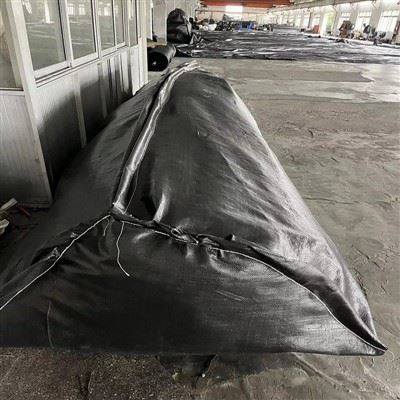
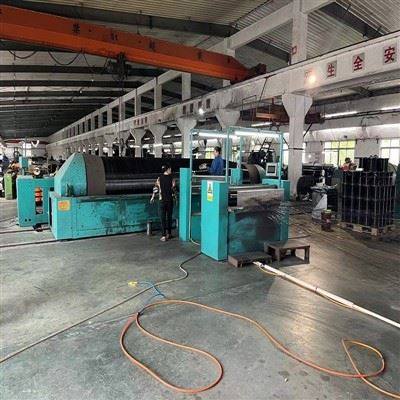
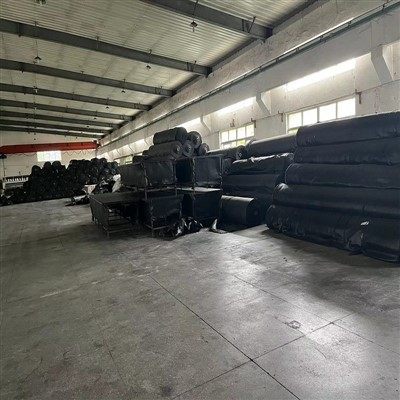
The material of Dewatering Bags for Sludge is generally made of high toughness polypropylene or woven fabric, and the product material can be selected according to the actual needs of the project; Generally black; Adjust commonly used materials at 400g/㎡ according to different specifications of products; There is no limit to the length, and the width can be spliced in multiple pieces without any limit to the width, but it directly affects the material requirements for the dehydration pipe bag. The wider the required strength range, the higher the required material strength; The filling height is basically set at two-thirds of the diameter of the tube bag; It can be customized according to the diameter of the grouting machine on the construction site, and chemicals can be added according to the actual situation (to increase the solidification speed and accelerate the separation of mud and water).
Why use Dewatering Bags for Sludge for dredging and solidification
1. Traditional natural dewatering method for sludge disposal sites: This method is simple in technology, occupies a large area, and is a commonly used method in domestic sediment treatment projects (including cleaning and treatment of Tahe sediment). However, the efficiency of this dehydration method is very low, and there are still certain environmental and safety hazards associated with using a yard to treat polluted sediment. Due to the exposed sediment in the yard and direct contact with the surrounding environment, if the residual water treatment in the yard does not meet the standards, it will cause secondary pollution to the surrounding water bodies.
2. Mechanical dehydration method: Treating organic and heavy metal contaminated sediment. Although the dehydration effect is good, there are shortcomings such as high one-time equipment investment, energy consumption, construction of workshop buildings, and insufficient treatment capacity to meet the requirements of short on-site treatment period for river and reservoir sediment.
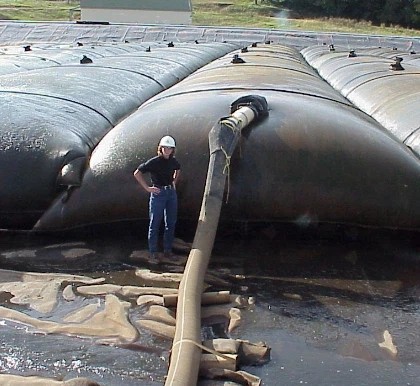
3. Geotextile bag dredging: Convenient: The diameter and length of the geotextile bag can be adjusted according to needs, with strong plasticity, stackability, and easy transportation. Environmental Protection: Fully enclosed construction, almost no noise, and less likely to cause secondary pollution. High efficiency: It can fully meet the treatment capacity of wastewater and sludge, and the treatment capacity can be increased or decreased according to the flow rate of the pump. Good volume reduction effect: Within one month, the sludge volume can be reduced by more than 90%, making subsequent removal and treatment easier. Widely applicable: Both large and small wastewater treatment projects and sludge dewatering projects can be used.
Construction process:
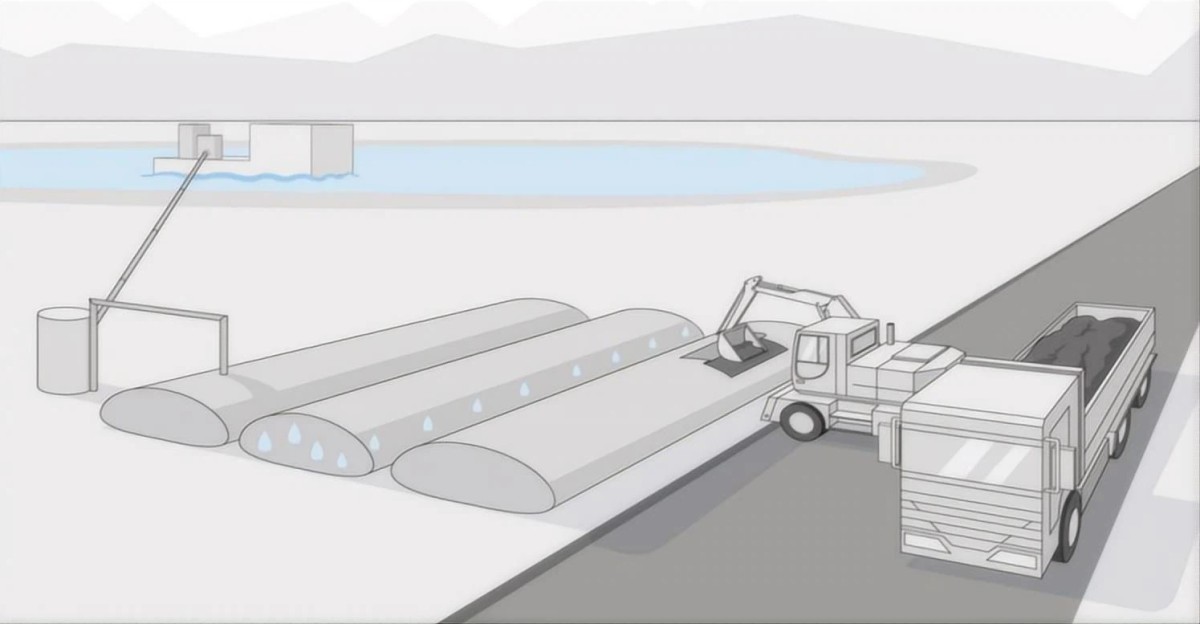
The first step of sludge treatment is mud collection → debris isolation tank → sludge tank. Depending on the requirements of different project sites, the above steps can be selected.
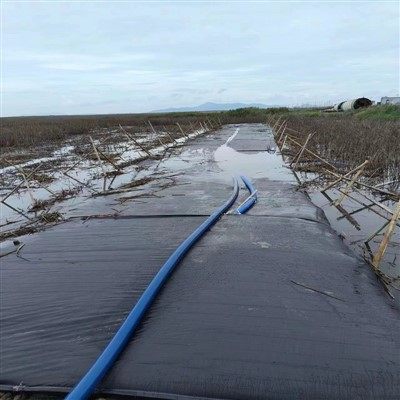
Step 2: Pipe bag laying: The processed bag body is transported to the construction site and laid according to the layout position. In order to prevent rolling, sliding, and displacement of the pipe bag during filling and ensure accurate positioning of the mud filled bag, it should be anchored and fixed after the pipe bag laying is completed. The bottom layer of the pipe bag is anchored by anchoring steel pipes on the outside of the pipe bag, and then connecting the anchoring ring on the pipe bag and the steel pipe for anchoring. After the bottom layer of the geotextile pipe bag is filled, the upper layer of the geotextile pipe bag is tied to the already filled bottom layer of the geotextile bag using geotextile straps to form an integrated anchoring method.
Step 3: Dissolve the medication: Determine whether to add one or two based on the actual situation, which requires on-site sludge testing. The clean water used should be discharged from the pipe bag and recycled.
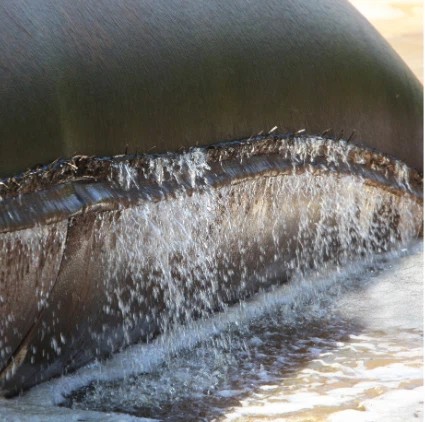
The fourth step is drainage: due to the small pores in the geotextile that makes up the bag body, it can intercept solid matter in the mud and discharge water from the mud, effectively reducing the volume of the contents in the bag body. The bag body can be repeatedly filled until it reaches the allowable height of the bag body material, and the discharged water can be reused.
The fifth step is consolidation: After multiple filling and drainage, the fine particles left in the bag will gradually solidify due to drying.
Send Inquiry
You Might Also Like

Categories