
‹
›
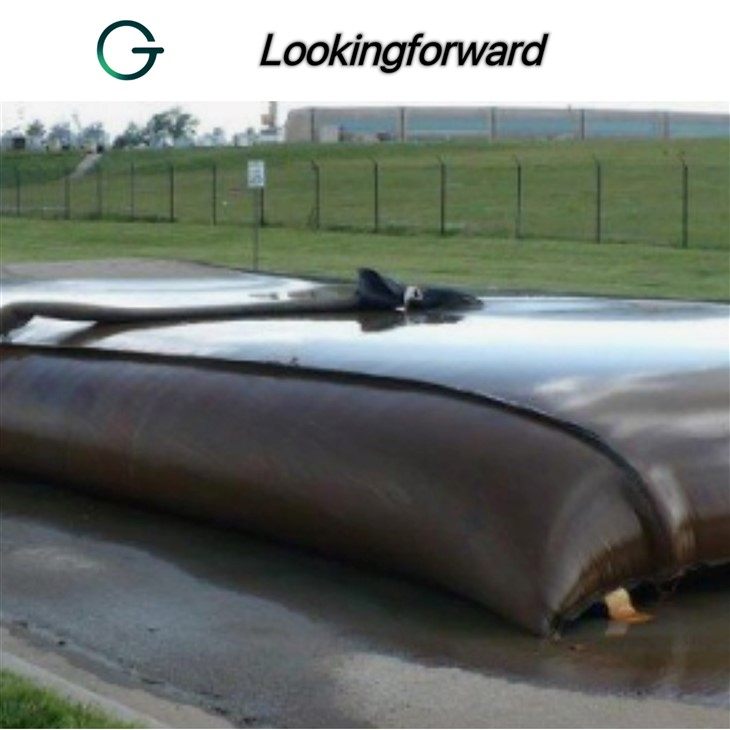
 facebook
 twitter
 linkedin
 google+
Description
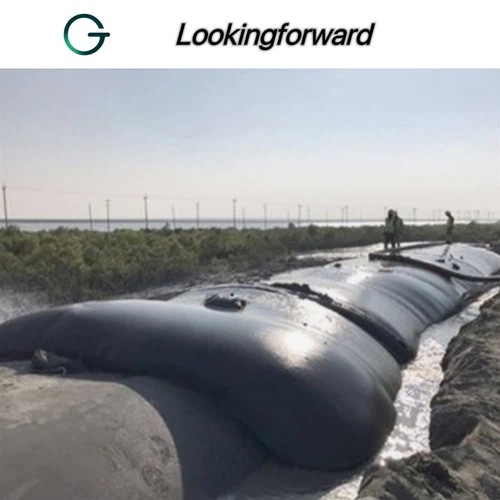
What are Geotubes?
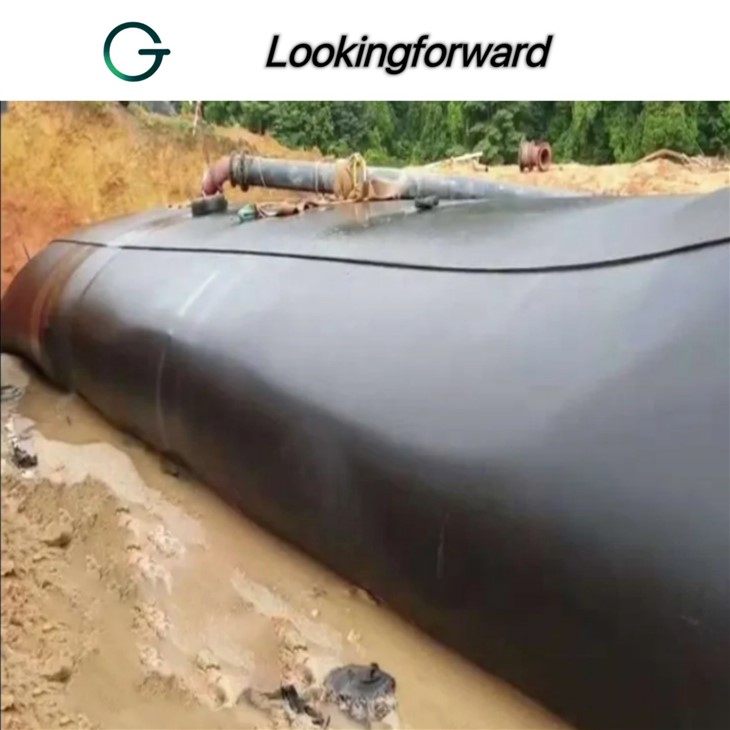
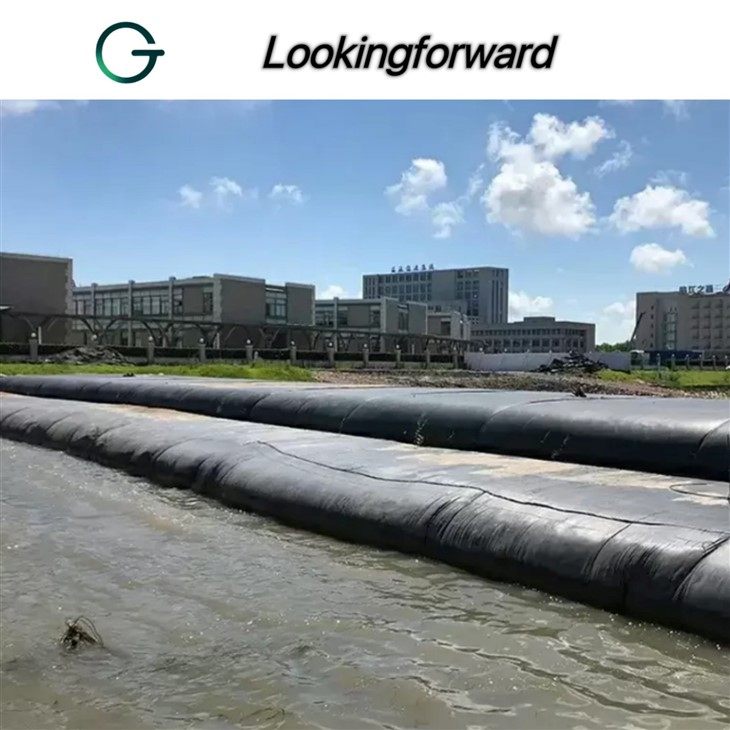
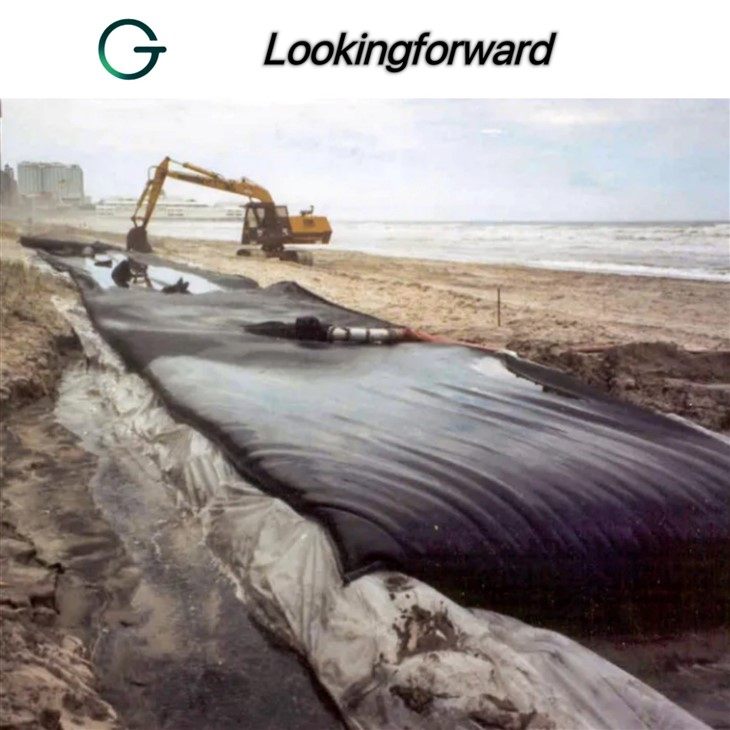
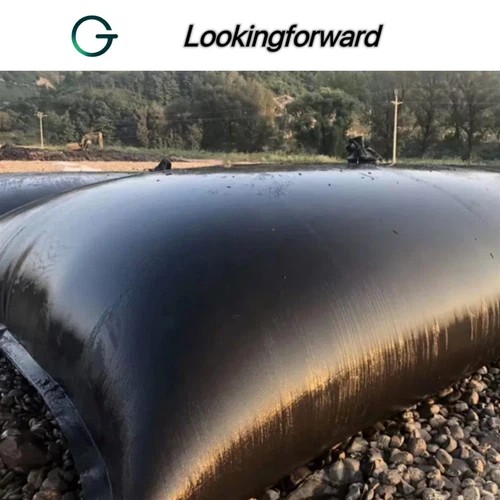
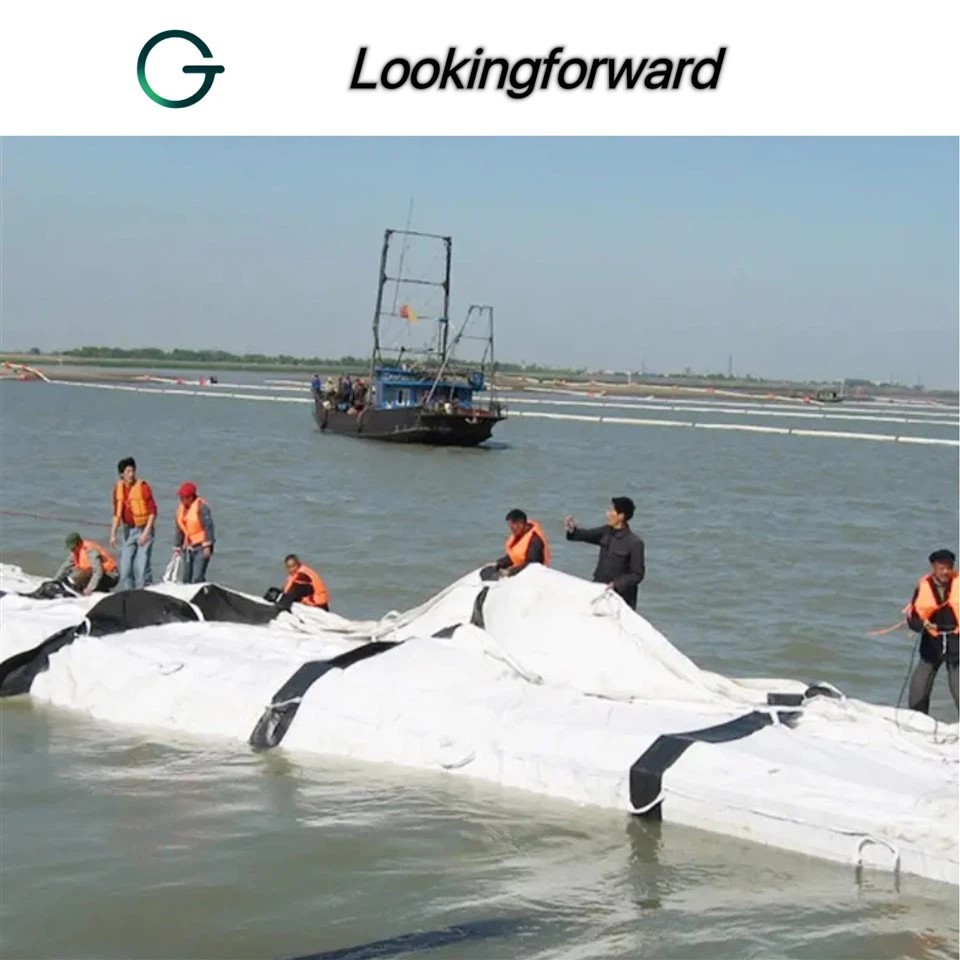
A geotextile tube is a large, tube-shaped bag made of porous, weather-resistant geotextile and filled with a sand slurry, to form an artificial coastal structure such as a breakwaters, dune or levee. Geotextile tubes are a component of the living shorelines approach to coastal management.
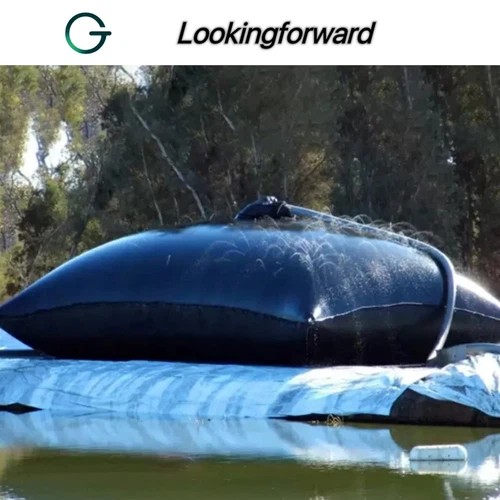
Why Choose Our Geotubes?
- High flow rate allows residual materials to dewater, whilst containing solids.
- Simple to use as there are no mechanical or moving parts that can be subject to breakdown or wear and tear.
- Custom fabricated with seaming techniques that withstand pressure during pumping operations.
- The effluent is filtered water which can be reused or returned for processing to native waterways without additional treatment.
- The company pioneered the dewatering technology, spending years perfecting the technology and patenting circumferential seaming (which provides excellent strength for very large tubes under high pumping pressure).
- Supported by design advice and guidance on polymer use for your sludge.
How Do Geotubes Work?
Filling the Geotube With Dredged Material
A pump within the body of water being dredged hydraulically or mechanically fills the geotube with dredged material. This material is commonly known as sludge or slurry and consists of water mixed with sand or dirt, depending on the type of waterway.
Once inside the geotube, the sludge is treated with environmentally-safe polymers via a polymer-injecting system. These agents speed up the dewatering process by binding the solids together and separating them from the water.
Dewatering the Dredged Material
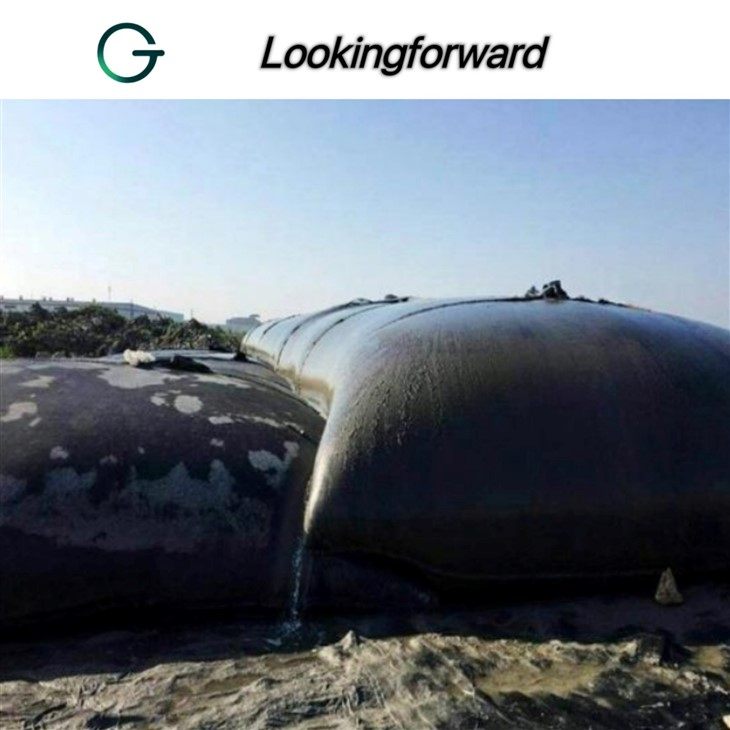
Through gravity, the particulate debris settles in an even layer at the bottom of the geotube. The newly sediment-free water rises to the top and drains out of the specially engineered fabric, leaving the solids behind and greatly reducing volume. This process occurs continuously until the geotube eventually fills with sediment.
The water that geotubes release, known as effluent, is typically clear and can often flow back to the waterway without treatment.
Consolidating the Remaining Sediment
Once the geotube has reached capacity, the solids will continue to densify through desiccation as the remaining moisture evaporates through the fabric.
Workers can remove the solids from the tube and keep them on-site, haul them to a landfill for disposal or transport them to another area in need of land nourishment.
What are the Basic Features of Geotube?
1. High-efficiency technology with high flow rates that allow residue dewatering, which can significantly reduce volume and retain solids;
2. High wastewater discharge rate, clear filtrate, can be recirculated through the system;
3. It can be custom designed and manufactured, which can save expensive and limited land space;
4. Easy removal and disposal of solids;
5. Efficient, versatile and environmentally friendly solutions;
6. Reliable in all weather conditions, reducing operational safety risks;
7. Low maintenance costs and time savings.
What is the Size of a Geotube?
The size of a Geotube can be customized according to specific project needs. Here are some common size ranges and parameters:
Common size ranges
Diameter
Small: 1m to 3m
Medium: 3m to 5m
Large: 5m to 10m
Length
Generally, the length ranges from 10m to several dozen meters. The specific length can be customized according to actual needs, up to 100m or even longer.
Specific size examples
Diameter 3m, length 50m
Diameter 5m, length 100m
Diameter 7m, length 75m
The size of geotube bags is highly customizable, and the specific selection should be designed and planned in detail according to the specific conditions and requirements of the project.
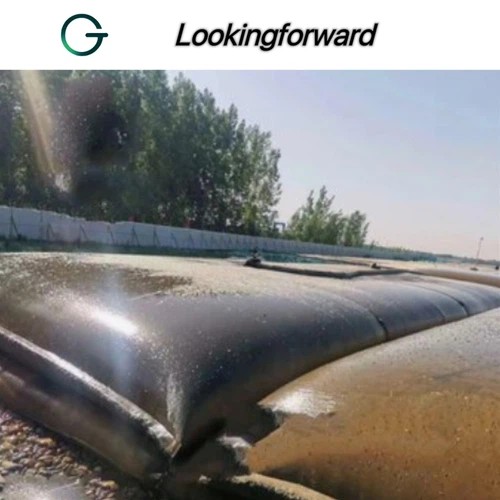
Functions of Geotubes
High volume containment, where solids are confined and contained inside the unit.
Efficient dewatering, where any liquid drains out of the unit leading to waste volume reduction.
Consolidation, where the residual solid dries out over time.
Geotube Dewatering Applications
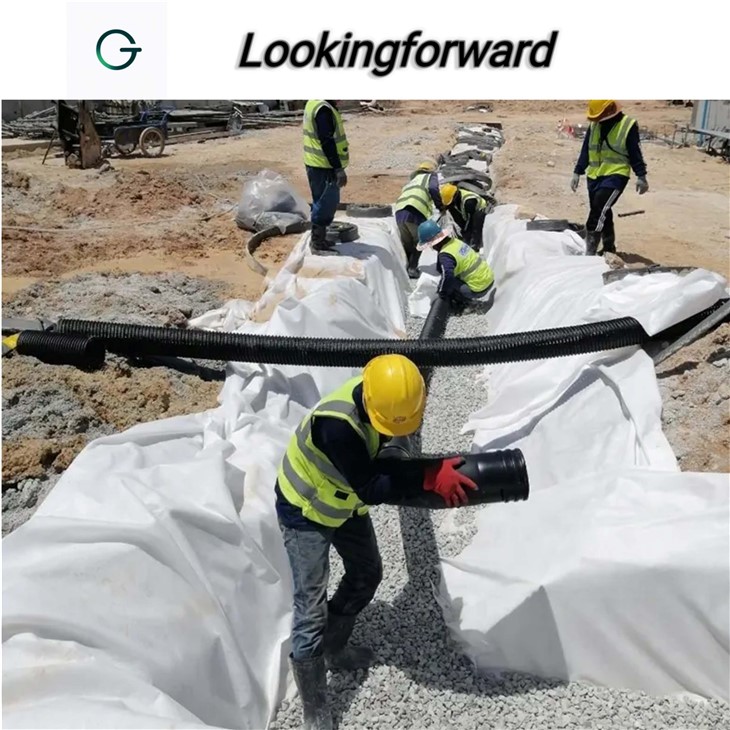
When it comes to dewatering applications, our geotube dewatering solutions are used for construction sites, project job sites, wastewater treatment plants, roadside dredging jobs, lagoons, and more. We carry geotube bags for smaller jobs and geotextile tubes for larger jobs such as wastewater treatment plants, dewatering lagoons, and large-scale sludge removal. We also supply geotextile fabric for erosion control and aggregate separation. Find out more about all of our geotextile products!
Geotextile Dewatering Bags
Geotextile Tubes
Breakwater Geotextile Tubes
Geotextile Fabric
Geotube Sludge Dewatering
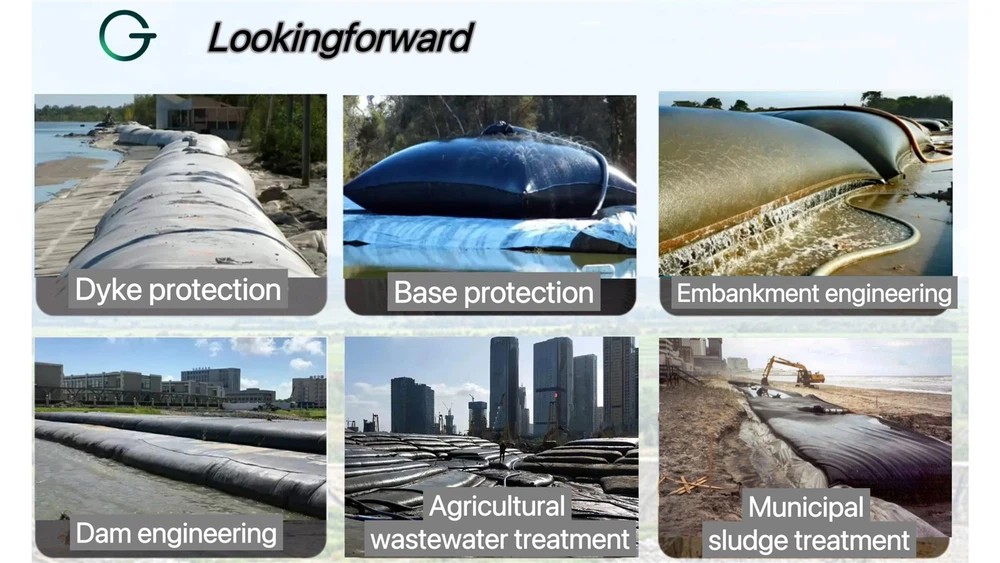
- Ecological restoration: dewatering and subsequent disposal of dredging and polluted sediment in rivers, lakes, reservoirs, seaports, wharves, etc.
- Municipal sludge treatment : sludge from water plants and sewage plants; Industrial sludge treatment (chemical, pharmaceutical, printing and dyeing sludge treatment);
- Irrigation of manure sewage treatment in agriculture, animal husbandry and fishery farms, treatment of plantation wastewater, waste treatment of aquaculture beds, etc.;
- Fly ash and low ash treatment in power plants, desulfurization and dust removal sludge in iron and steel plants, sludge treatment in aluminum plants and ceramic plants, etc.;
- Wastewater treatment and waste recycling for mining and washing.
What Is The Process Of Installing Geotubes Technology?
In order to install a geotube, three steps must be followed: filling, dewatering, and encapsulation.
Step 1: Filling
A Geotube container is filled with the dredged materials as part of the filling stage. Next, environmentally friendly polymers are added to the sludge so that the coagulate and the water can be separated.
Step 2: Dewatering
A specially engineered textile has small pores that allow the clear effluent fluid to drain from the Geotube container. Therefore, the contained materials are efficiently dewatered and reduced in volume.
By reducing the volume of the Geotube container, it is possible to refill it repeatedly. Hence, it allows over 99% of the solids to be captured, and a clear filtrate is collected and recirculated throughout the system.
Step 3: Consolidation
When the final cycle of filling and dewatering is complete, the coagulate is left in the bag, where it continues to densify due to desiccation as residual water vapor escapes. There is usually a 90% reduction in volume. Upon completion of the bag, the container can be disposed of at a landfill, left on site, or the coagulate can be removed and applied to the land.
Technical Data Sheet
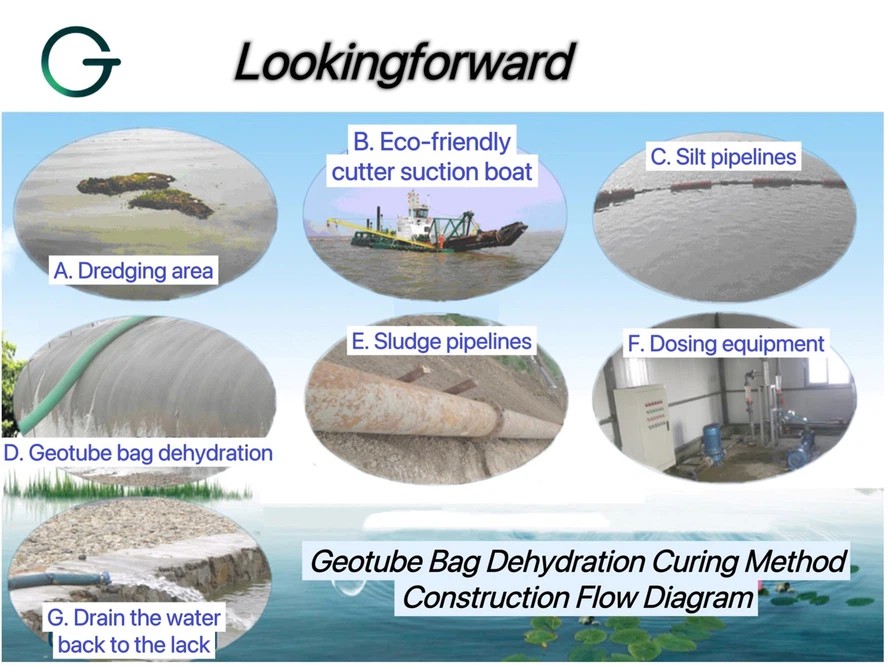
Geotube Bag Dehydration Curing Method
In the process of underwater dredging, the solution of polymer flocculant in a certain proportion of the dose is put into the sludge slurry, which is fully mixed and filled into the geotube bag, and dewatered and consolidated by pressure filtration, so as to achieve the effect of reducing the volume of sludge.
The dewatering and curing method of geotube bags has the following advantages:
1.The diameter of geotube bags can be changed according to needs (1~10m), and the length can reach up to 200m;
2.Large volume adjustment range of geotechnical tubes, easy transportation and installation, strong plasticity;
3.Geotube bag strength filtration performance and long-term UV resistance;
4.Geotube containers can be stacked in several layers to maximize the use of land;
5.The unit price per cubic meter of sludge treated is lower than that of other curing methods.
6.Convenient and fast construction, short construction period;
7.It is completely closed construction, which is not easy to cause secondary pollution;
8.The filtered water from the soil pipe bag is 92% ~ 96% less than the harmful elements in the mud mixture, and the filtered water fully meets the corresponding discharge standards
Due to the above advantages, the dehydration and solidification method of geotechnical tubes has been widely used in environmental protection, water conservancy, industry, agriculture and other fields in recent years.
Packing & Shipping
When you think about erosion control, the first images that might come to mind are heavy concrete barriers, rock revetments, or sandbags, often bulky and disruptive to natural environments. But what if erosion control could be more harmonious with nature, leveraging cutting-edge materials that are not only effective but also adaptable and eco-friendly? Enter the unsung hero of shoreline protection: Geotubes.
The Subtle Art of Seamless Integration
Geotubes are not just another erosion control tool; they are a strategic blend of engineering finesse and environmental empathy. Constructed from high-strength geotextile fabrics, these large, tubular containers are filled with dredged sediment or sand, creating a robust yet flexible barrier against the relentless forces of water and wind. What sets Geotubes apart is their ability to blend into natural landscapes, often becoming a permanent feature of the environment they protect.
But the beauty of Geotubes lies in their adaptability. Unlike rigid structures that often disrupt natural habitats, Geotubes conform to the existing terrain, enhancing rather than hindering ecological balance. Whether they are submerged in water, placed along a shoreline, or used to build artificial dunes, Geotubes work with nature, not against it.
Material Matters: Strength Where It Counts
The effectiveness of Geotubes stems from their core material-high-tenacity polypropylene or polyester. These materials are chosen for their resistance to UV degradation, punctures, and extreme weather conditions. The fabric's tensile strength ensures that the tubes can withstand significant hydraulic pressures, making them a long-term solution in environments where erosion is a persistent threat.
Interestingly, Geotubes are not just about strength. Their porous fabric allows for a controlled release of water, ensuring that the filled sediment remains stable while excess water drains away. This controlled permeability is critical in preventing erosion under the structure itself, a common issue with less sophisticated erosion control methods.
From the Tropics to the Arctic: Universal Application
One of the most remarkable aspects of Geotubes is their versatility in diverse climates. In tropical regions, they protect against coastal erosion during hurricane seasons, where storm surges can devastate unprotected shorelines. In colder climates, such as the Arctic, Geotubes offer protection against the unique challenges of ice-induced erosion. Their ability to withstand freeze-thaw cycles without losing integrity makes them indispensable in these extreme conditions.
Geotubes have also proven effective in urban settings. In areas where space is a premium, these tubes can be strategically placed to protect against riverbank erosion, safeguarding infrastructure and reducing the risk of flooding in densely populated areas.
Beyond the Shore: Unexpected Applications
While Geotubes are primarily known for their role in erosion control, their applications extend far beyond shorelines. In fact, they have been used in innovative ways to create artificial islands, restore wetlands, and even construct underwater breakwaters. Their ability to be tailored in size and shape makes them a versatile tool in environmental engineering, suitable for projects where traditional methods would be too invasive or costly.
As climate change accelerates, the need for effective, sustainable erosion control solutions becomes more urgent. Geotubes offer a future-proof answer, combining strength, adaptability, and environmental sensitivity. They represent a shift away from the brute-force methods of the past, embracing a more nuanced approach to protecting our shorelines and waterways.
If you're looking for a solution that not only defends against erosion but also integrates seamlessly into the environment, Geotubes are your go-to option. Let's move beyond the conventional and explore the untapped potential of this innovative technology.
FAQ
If you have any further questions, please do not hesitate to contact us.
Send Inquiry
You Might Also Like

Categories