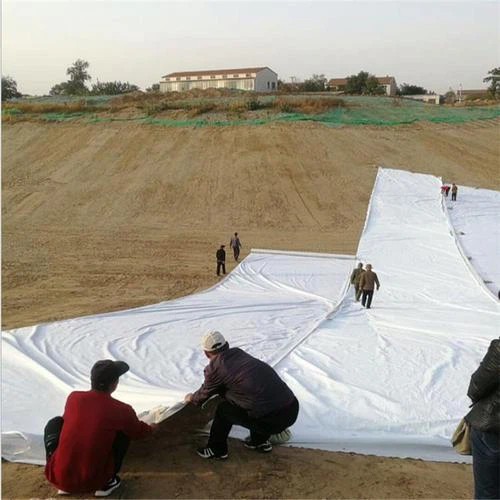
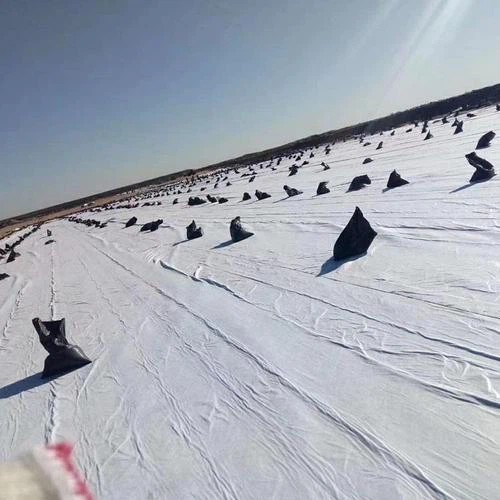
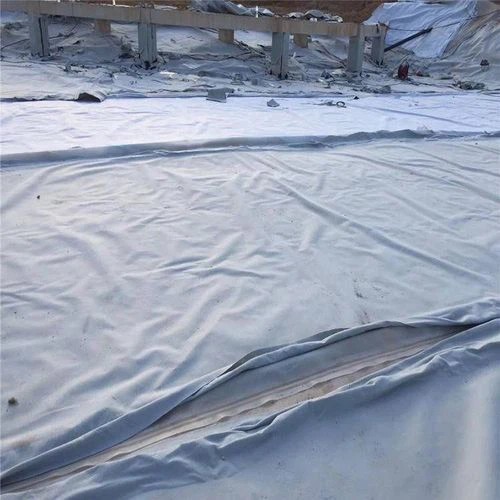
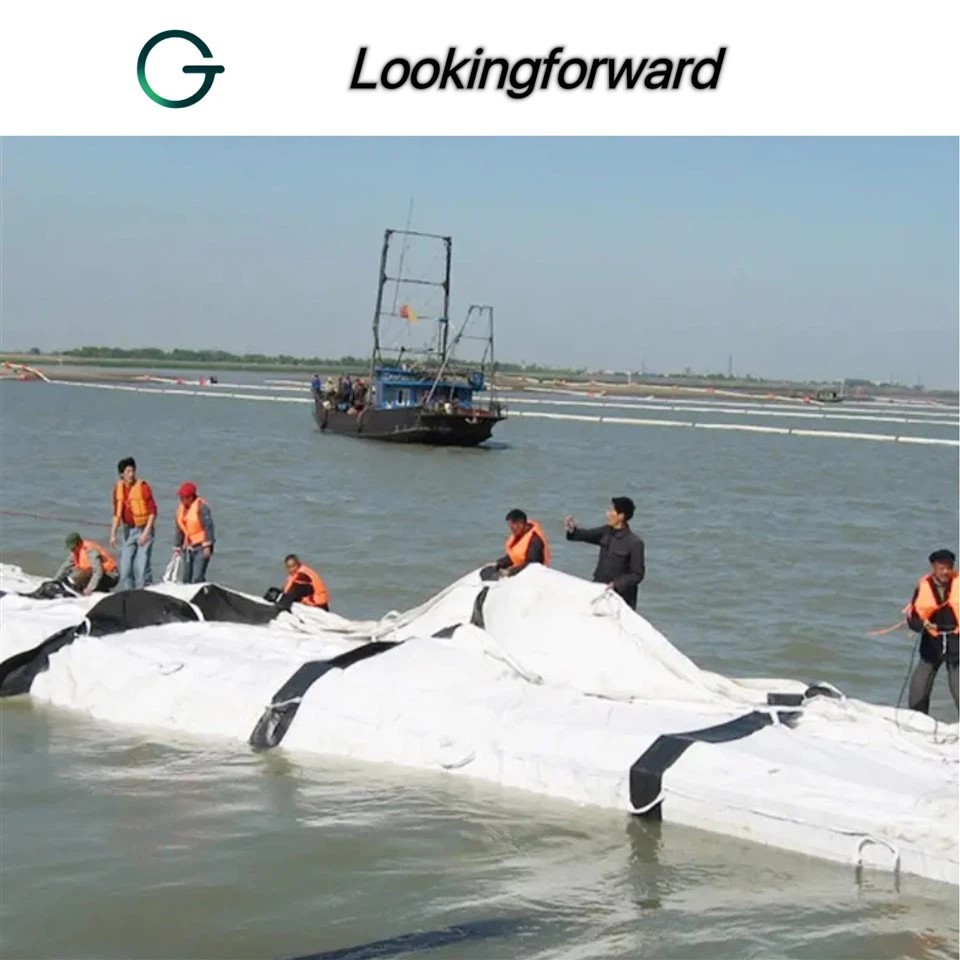
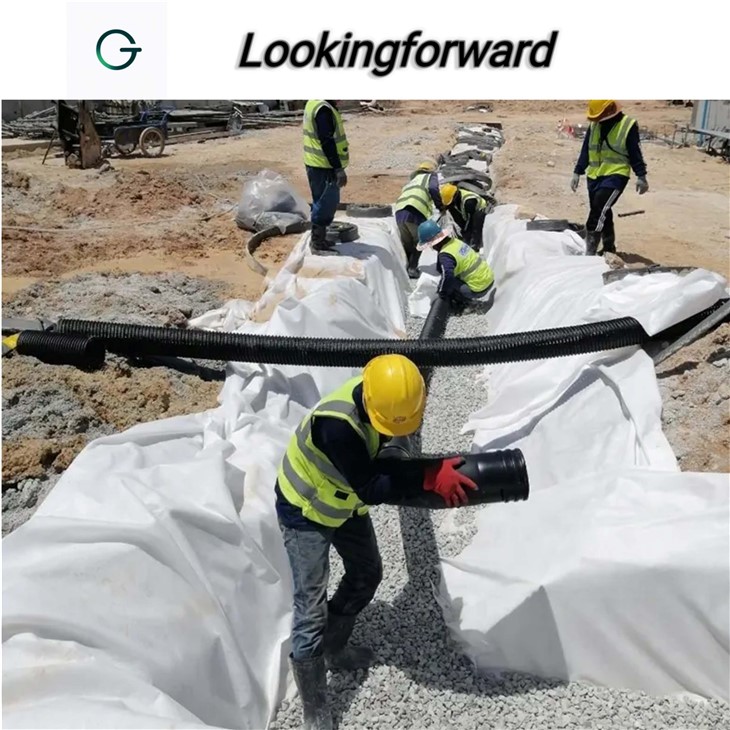
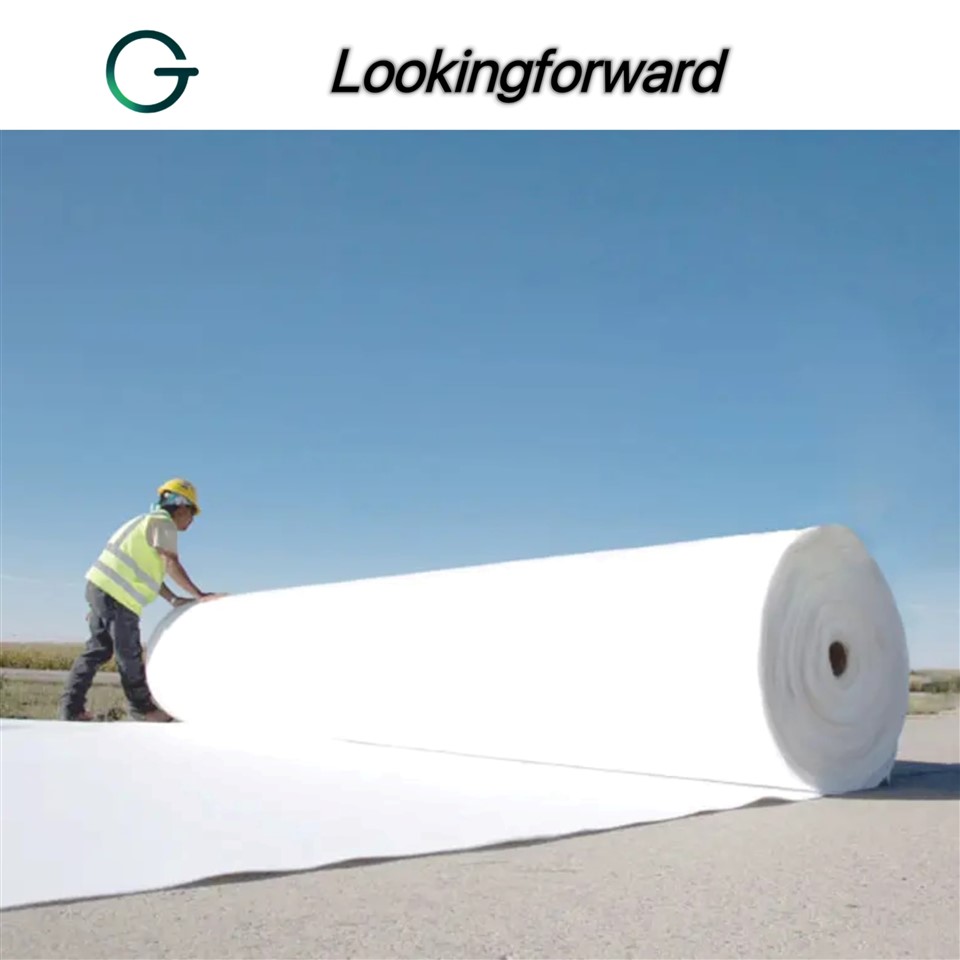
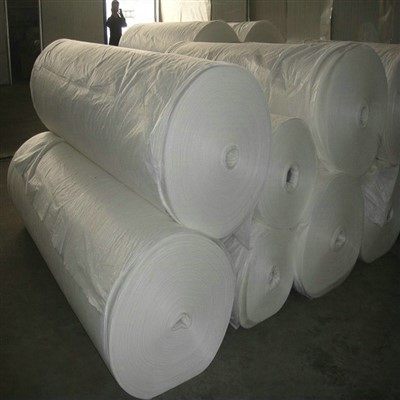
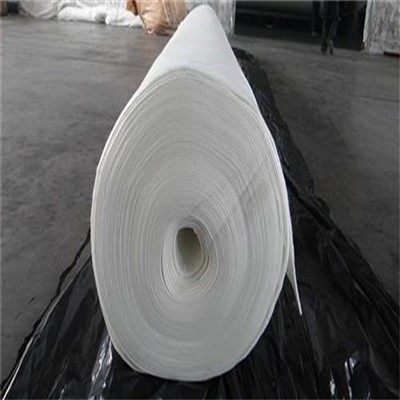
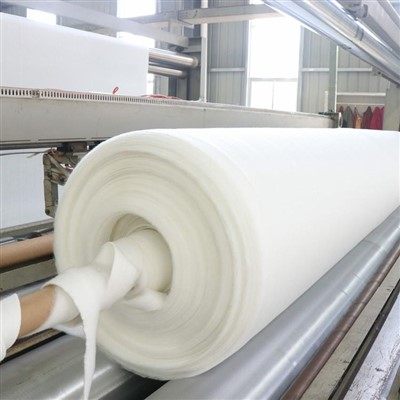
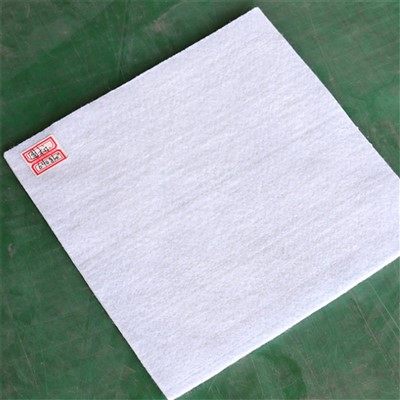
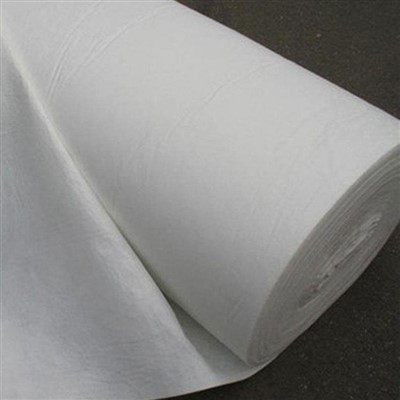
Non Woven Polypropylene Geotextile produced by our company is a high-performance and durable synthetic material widely used in various civil and environmental engineering projects. It is often used as a separation, filtration, or reinforcement layer in different geological engineering applications, such as highway and railway construction, slope protection, coastal erosion control, landfill sites, and dam engineering.
facebooktwitterlinkedingoogle+
Send Inquiry
Description
Introduction of Non Woven Polypropylene Geotextile
The Non Woven Polypropylene Geotextile produced by our company is a high-performance and durable synthetic material widely used in various civil and environmental engineering projects. It is often used as a separation, filtration, or reinforcement layer in different geological engineering applications, such as highway and railway construction, slope protection, coastal erosion control, landfill sites, and dam engineering.The width of this Non Woven Polypropylene Geotextile is usually 4-6 meters, and it can also be customized according to your requirements. The weight is 100g-800g and can also be customized.
Main Characteristics of Non Woven Polypropylene Geotextile
High strength
Superior production techniques
Highest quality raw material
No staples or glues
Uniform and consistent strength throughout the roll
No weak spots
High tensile strength
High puncture strength
High temperature resistance
Screws can pass through fabric without furring up
Specification
Values
Weight (g/m2)
100
150
200
250
300
350
400
450
500
600
800
Weight variation (%)
±4%
Thickness (mm)
1.2
1.6
1.8
2.1
2.6
3.0
3.3
3.7
4.0
4.5
6.0
Width (m)
1 to 6.5m (5.9m for container transportation)
Width deviation (%)
±0.5%
Breaking Strength (≥KN)
6
11
15
19
22
25
28
31
34
40
50
Elongation at Break (%)
50% to 90%
CBR Bursting Strength (≥KN/m)
1.0
1.7
2.5
3.0
3.5
3.9
4.3
4.8
5.3
6.2
7.8
Sieve Size (mm)
0.07 to 0.3
Vertical Permeability Coefficient (cm/s)
1.0*(10-0 to 10-2)
Tear Strength (≥KN)
0.21
0.31
0.40
0.50
0.58
0.67
0.75
0.80
0.85
1.0
1.30
Benefits of Non Woven Polypropylene Geotextile
Geotextiles non woven – Lifespan of Geotextile NonWoven is at least 100 years.
Thermal and mechanical bonding process ensures superior performance at lower weight and thickness with the benefit of lower transportation costs.
The product allows water flows perpendicular to the plane.
Suitable for various soil types thanks to a wide range of products of different opening diameters.
Excellent mechanical robustness and hydraulic properties.
Significant reduction in carbon footprint and cost compared to traditional methods.
Common Applications of Non Woven Polypropylene Geotextile
Drainage
Geotextiles will efficiently collect surplus water from structures, such as rainwater or surplus water, from the soil and discharge it.
Filtration
Our geotextiles provide superior hydraulic flow and soil retention, which makes them well suited for filtration in subsurface drainage applications and under hard armour systems.
Separation
Geotextiles are used for paved and unpaved roads, where ground conditions have been compromised. As a separation layer, geotextiles can aid preventing the intermixing of dissimilar materials, add to the performance life of the road and reduce the overall thickness of the road section by requiring less aggregate during construction.
Reinforcement
High strength geotextiles can be used to reinforce earth structures as the strength of the tape or filament within the fabric may be increased to suit a specific application. Thanks to their high tensile strength they are an ideal reinforcement solution.
Protection
Due to the consistent thickness and weight of our Geotextiles, they provide adequate cushioning and protection for critical lining systems.
How to lay a Non Woven Polypropylene Geotextile fabric?
Step one
Prepare the ground. Remove any grass, shrubs, bulbs and large stones.
Step two
Fill any holes left from large stones so that the ground is level and prepped.
Step three
Un roll or un pack fabric purchased earlier.
Step four
Make sure the geotextile is covering the area needed and is laying flat against the soil.
Step five
Secure down with pegs/pins at the edge. Pin tightly to keep the fabric flat and in place. 1 pin per metre along its length.
Step six
If you have overlap from piece to piece remember it needs to be 30-50cm for good coverage. You can also pin at the overlap to secure.
Step seven
Once secured well spread over your next layer e.g. Type 1 or decorative aggregate.
How To Choose a Geotextile For Road Applications?
For road application, the soil type, rock fill and geotextile itself will interact to produce different results. Getting the balance of these three things right is critical. It is important to note that different site conditions need different solutions. A steep embankment would have different geotextile needs to level road base. Understanding the application and the geotechnical forces at play is key to a successful installation.
Strength ratings
Divided into classes based on their strength. Ranging from class A at the low end through to hardwearing class E geotextiles. Usually, the class would be specified for a project, and this is determined by the size and amount of rock fill to be used.
Soil type
The soil type also has a bearing on which class of geotextile is appropriate, however, soils can generally be classified as either soft or firm. When working with soft soils, typically you need a stronger, thicker geotextile to ensure the fill being placed on top doesn't puncture through. For separation on firmer soils, a thinner geotextile is typically fine as it will not be stretching and moving with loads placed on top.
Fill size
Once you have worked out what size rock fill will be available for your project, you can then select the required geotextile class. The larger and heavier your rock is, the thicker the geotextile will need to be to ensure it doesn't puncture. For pavement stabilisation, rock fill sizes generally fall between 20mm and 150mm, however can be up to 400mm in diameter.
FAQ
Q: 1.What is woven geotextile used for?
A: The main usage for woven geotextile is reinforcement. The applications include reinforcing the soil in retaining walls, below highway embankments, and below railroads.
Q: 2.What is nonwoven geotextile fabric?
A: Nonwoven geotextile fabric is a type of geotextile which is made from fibers that do not get weaved together like woven geotextile does. The fiber batt is punched through using barbed needles.
Q: 3.What is nonwoven geotextile fabric used for?
A: The main function of nonwoven geotextile is drainage and filtration. For example, the geotextile is used at the bottom of French drains, below ponds, and on riverbanks to allow water to seep through while retaining soil and preventing it from eroding.
Q: 4.What's the difference between woven and nonwoven geotextile fabric?
A: The woven and nonwoven geotextiles are made using two different processes. They are also used for different applications. Woven geotextile is used for reinforcement while nonwoven geotextile is used for erosion control.
Q: 5.What is the difference between polypropylene and non-woven polypropylene?
A: Woven polypropylene consists of polypropylene plastic threads that are woven together, creating a durable material with a great deal of flexibility and strength. In contrast, non-woven polypropylene bags are bonded together instead of woven by fusing the fibres using heat and pressure.
Q: 6.What is non-woven and woven geotextile?
A: Generally, woven geotextiles have higher strength values, while non-woven geotextiles have higher flow rates and permeability. Here's a rundown of the differences. PHYSICAL ATTRIBUTES: Woven fabrics are plastic-like in feel and appearance, while non-woven fabrics have a fuzzy-like feel and appearance.
Q: 7.What is polypropylene geotextile?
A: PP geotextile is a geosynthetic material made of polypropylene. PP geotextiles are used in civil engineering and construction projects. The main function of PP geotextiles is to improve the performance of soil, rocks, or other geotechnical engineering materials.
Q: 8.What are the benefits of non-woven polypropylene?
A: The benefits offered by non-woven polypropylene (PP) bags seem endless. They are recyclable, reusable, economical, biodegradable, harmless, and durable.
Q: 9.Is non-woven polypropylene waterproof?
A: So, is polypropylene waterproof? Yes, the thermoplastic polymer is impervious to water, making it ideal for a range of everyday products across most industries, from healthcare to the automotive industry.
Q: 10.Should I use woven or nonwoven geotextile?
A: A geotextile is placed between two layers of different materials. This could be an old and new pavement, new construction and soil, or two soil types. Woven geotextiles are more durable than nonwoven geotextiles. However, when standing water or pooling is a problem, nonwoven geotextiles are an excellent solution.
Q: 11.What are the three types of geotextiles?
A: The different types of geotextile materials include: Open-mesh or woven fabric geotextiles. Closed fabric or non-woven geotextiles. Knitted geotextiles.
Q: 12.Can water pass through non-woven geotextile?
A: Non woven geotextile fabric is useful in stabilization, filtration, or separation applications. Non woven filter fabric is designed with materials that have a higher flow though rate, making it much easier for water to pass through the material.
Q: 13.Where is non-woven geotextile used?
A: The main function of nonwoven geotextile is drainage and filtration. For example, the geotextile is used at the bottom of French drains, below ponds, and on riverbanks to allow water to seep through while retaining soil and preventing it from eroding.
Q: 14.What is Type 2 geotextile fabric?
A: Type 1-Type 1 is a standard weight fabric for retaining walls and soil separation. 2. Type 2-Type 2 is a high strength fabric for rock riprap or other severe use.
Q: 15.Which is stronger woven or non-woven?
A: Although woven fabrics are usually stronger because of how they are constructed, non-woven fabric can be strengthened by bonding multiple layers or adding support backing.
Q: 16.What is the process of non-woven polypropylene?
A: The process includes opening /mixing, spinning, bonding by heated rollers, cooling, winding cutting and packaging. This process involves feeding of PP granules through hopper, and mixing them with master batch. Granules are melted by heating oil, fibres thus formed are extruded and sprayed.
Q: 17.How long does non-woven geotextile last?
A: The qualified geotextile will withstand aging for more than 50 years, so the constructor can use it. Nevertheless, geotextile fabric lifespan can be extended up to 20 years through various treatments and blending.
Q: 18.What are the three types of geotextile fabric?
A: A Geotextile is permeable fabrics that can filter, separate, reinforce, drain, or protect the soil. These kinds of fabrics are usually made from polyester or polypropylene and typically made in three forms; woven, needle punched, and heat bonded.
Q: 19.Does geotextile fabric stop roots?
A: Available evidence suggests that root growth and penetration may be impeded but not prevented entirely. Only geotextiles with very small apertures or effective pore sizes will function as effective root barriers.
Q: 20.What is another name for geotextile?
A: Geotextiles are durable and are able to soften a fall. Overall, these materials are referred to as geosynthetics and each configuration-geonets, geosynthetic clay liners, geogrids, geotextile tubes, and others-can yield benefits in geotechnical and environmental engineering design.

 facebook
 twitter
 linkedin
 google+