
‹
›
 facebook
 twitter
 linkedin
 google+
Description
Introduction
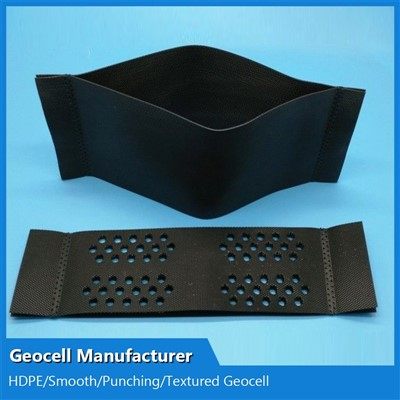
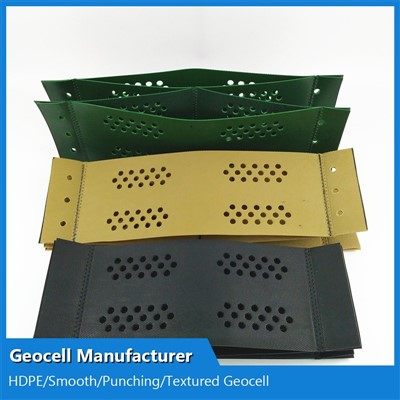
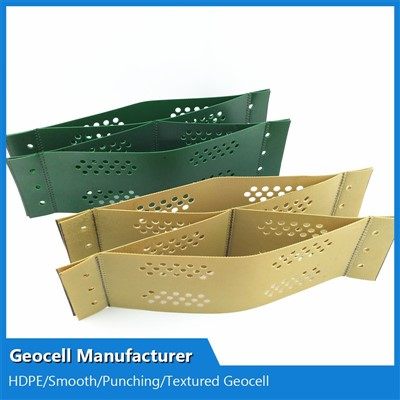
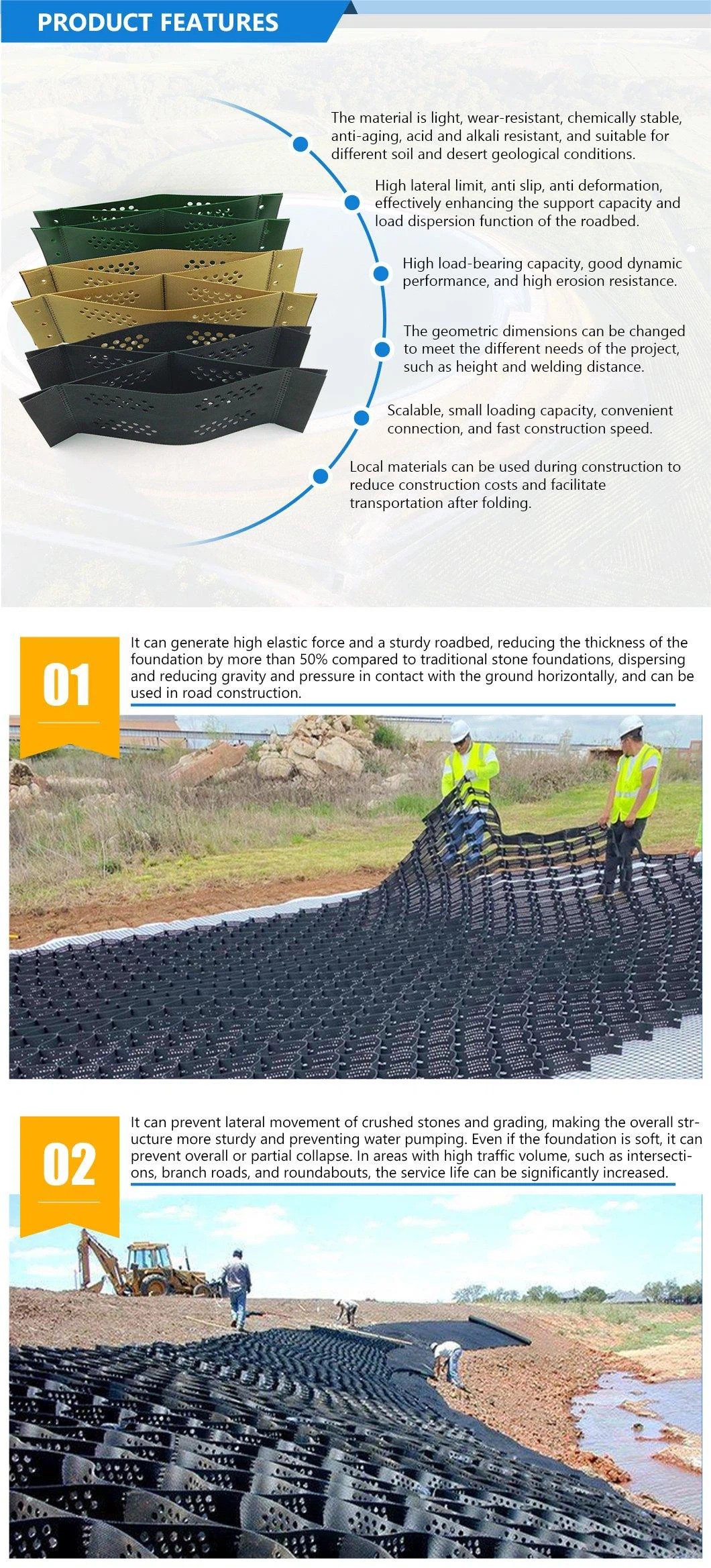
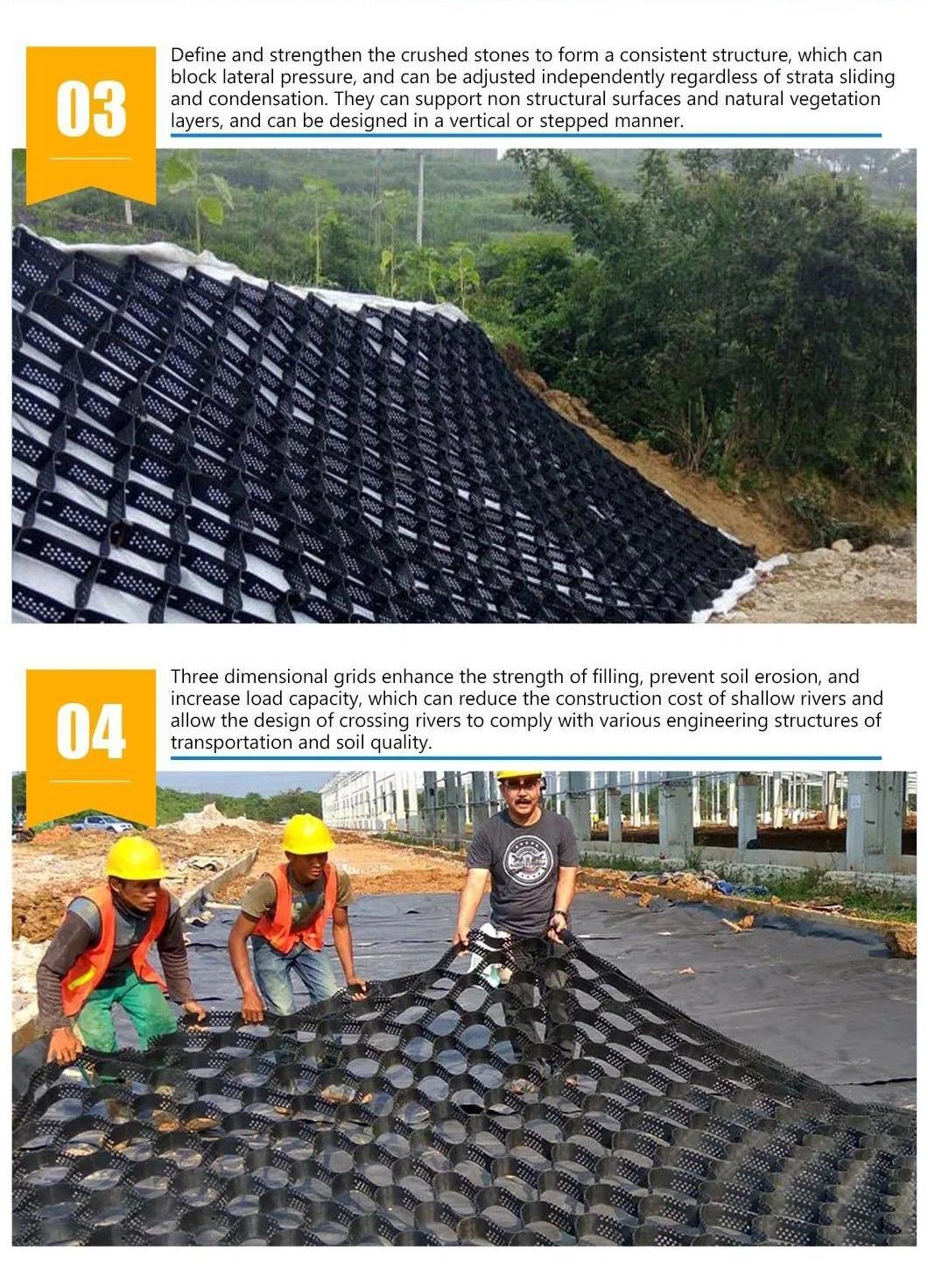
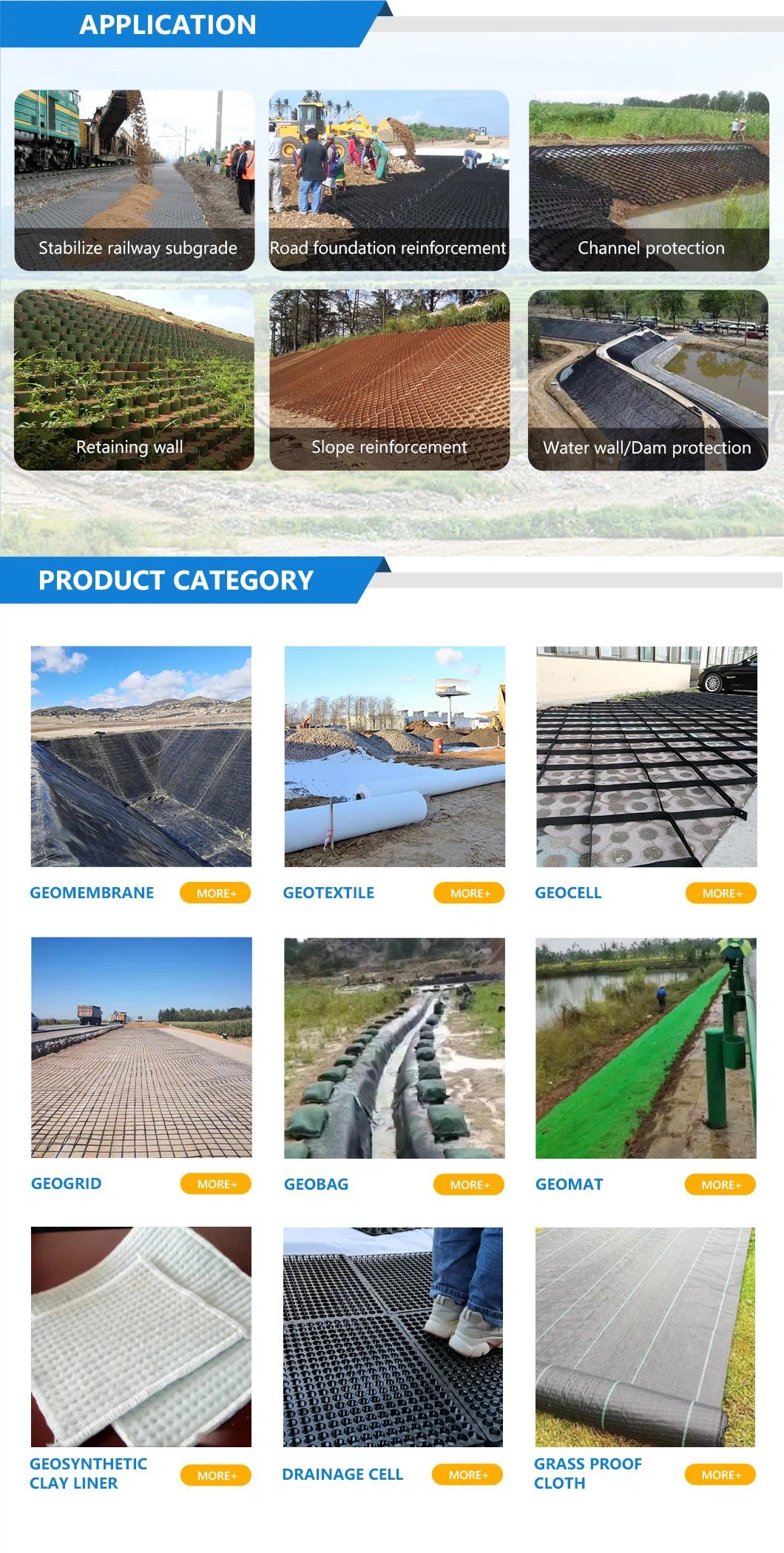
Geocell for Road Construction is a three-dimensional honeycomb geosynthetics made of high-strength HDPE or PP material, with excellent corrosion resistance, tensile strength and structural stability. The product is widely used in highways, railways, dams, slopes and soft foundation reinforcement projects, which can effectively enhance the bearing capacity of the foundation and prevent the subsidence and lateral displacement of the roadbed.
Advantages
Good corrosion resistance and chemical stability
Geocells are made of high-density polyethylene (HDPE), polypropylene (PP) or polycarbonate alloy (PCA) materials, which have good corrosion resistance and oxidation resistance. In high humidity, acidic and alkaline soil or groundwater environment, they can still maintain their structural properties, are not prone to chemical reactions or physical degradation, and are not prone to aging and deformation during use.
Strong structural strength and durability
The connection parts of the cells are fixed by welding or mechanical means, and the peel strength can reach 1000N/10cm, 1200N, or even 1420N, which can effectively maintain the integrity of the overall structure. In practical applications, this structure is not easy to break or fail when subjected to traffic loads or changes in foundation stress. The three-dimensional honeycomb structure formed by the cells can evenly transfer vertical loads to a larger area, significantly reducing the risk of local settlement and lateral sliding of the foundation, and is especially suitable for soft soil foundations or projects that require a lot of filling.
High wear resistance and tensile strength
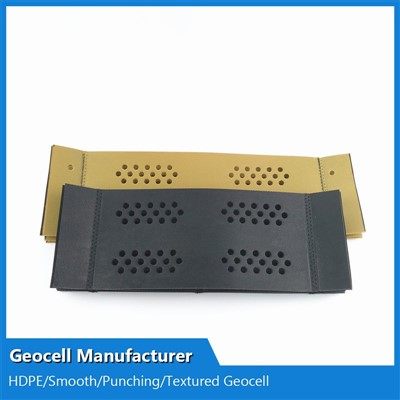
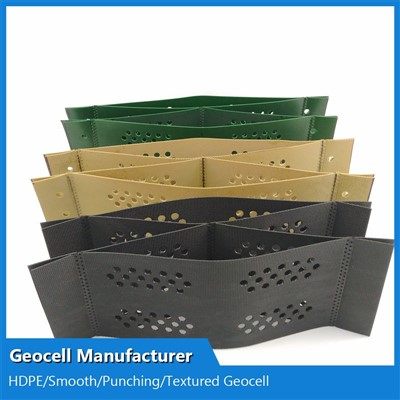
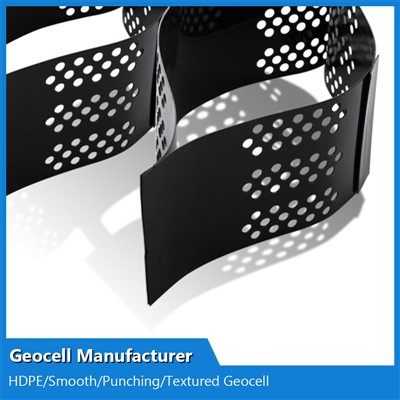
The surface of the geocell can be textured or smoothed as needed. The textured cell surface has a stronger friction coefficient, which can better lock the filled gravel, sand and other materials to prevent them from slipping under the vehicle load.
Flexible product specifications
The thickness of the geocell ranges from 1.0 mm to 2.0 mm, and the height ranges from 50 mm to 300 mm, which can be customized according to different engineering needs. By adjusting the unit size and height of the cell, it can flexibly adapt to different filling thicknesses, load-bearing grades and construction methods, and meet the basic structure design requirements of different types of roads such as highways, secondary roads, and temporary construction roads.


Send Inquiry
You Might Also Like


Categories