
‹
›
 facebook
 twitter
 linkedin
 google+
Description
Drainage Board with Geotextile: The Perfect Solution for Efficient Water Management
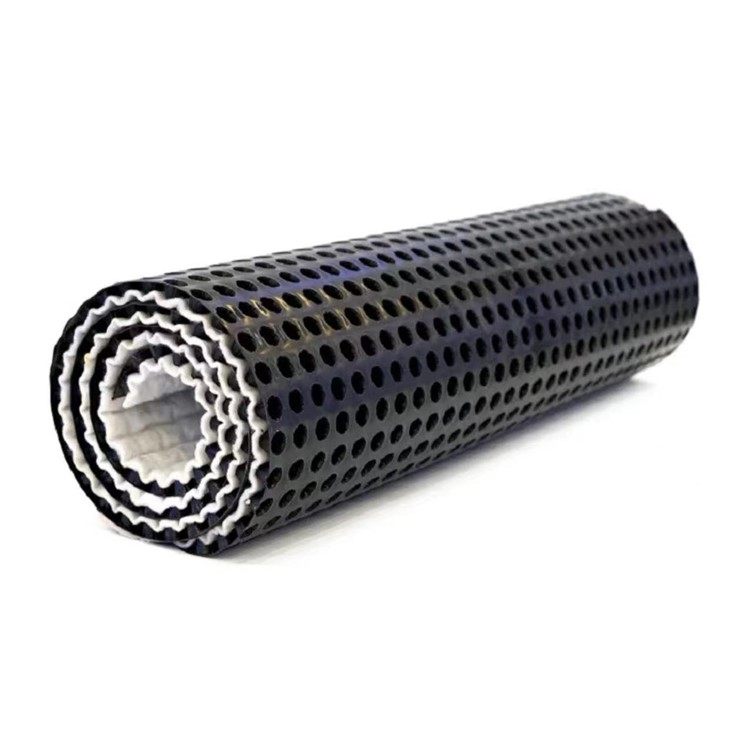
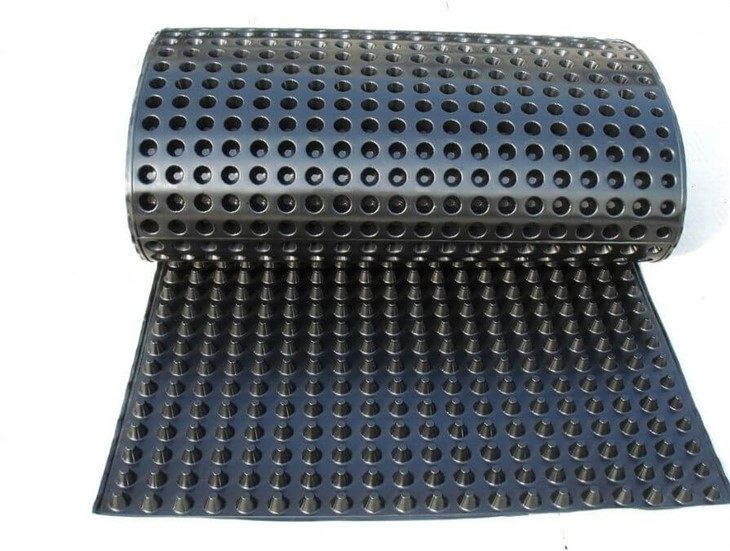
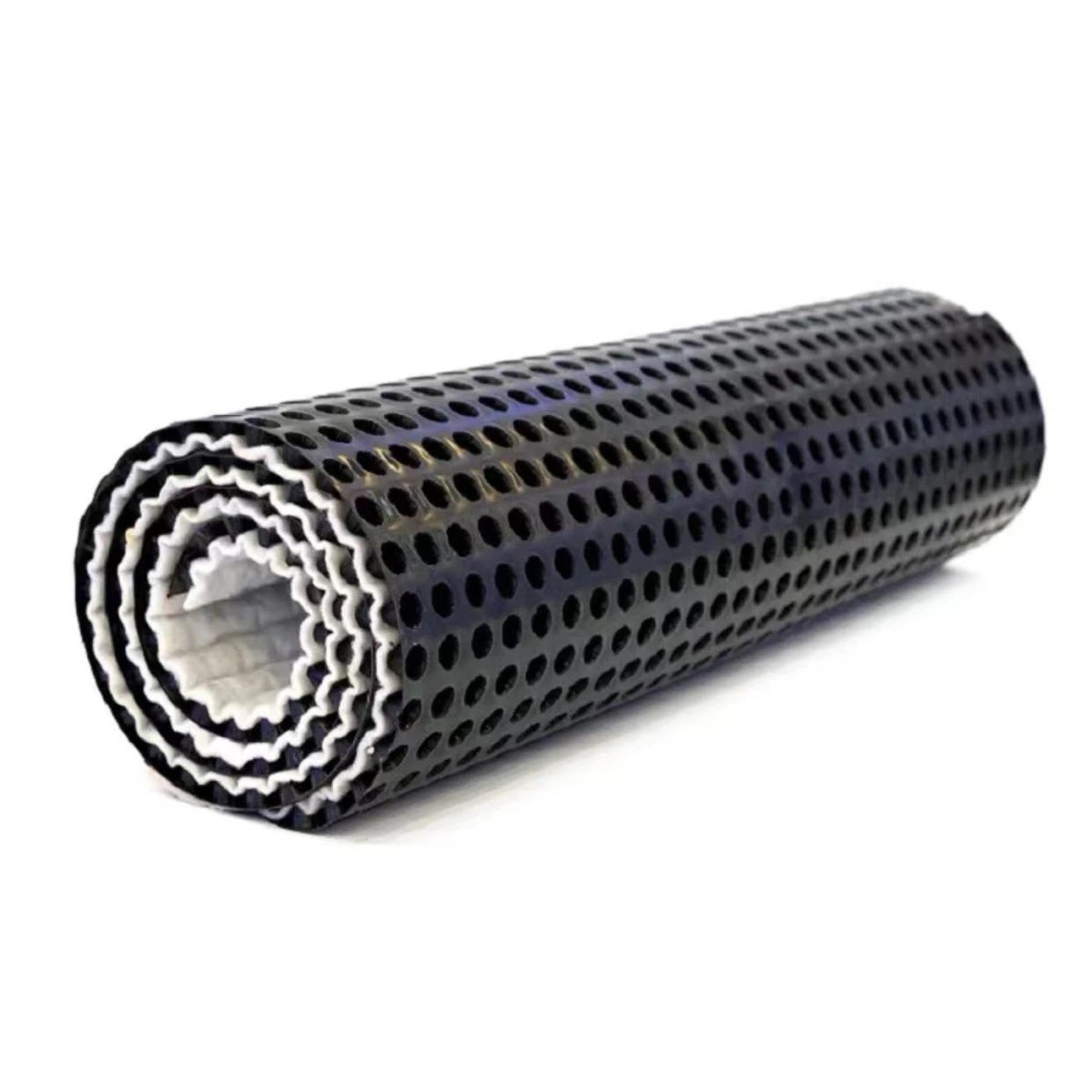
Drainage board is a geosynthetic product mainly made of polypropylene or high-density polyethylene, and its surface is covered with thermally bonded long fiber non-woven geotextile.
What is a Drainage Board with Geotextile?
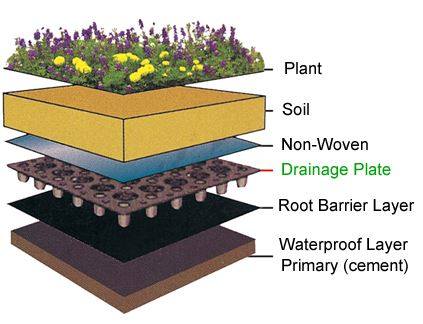
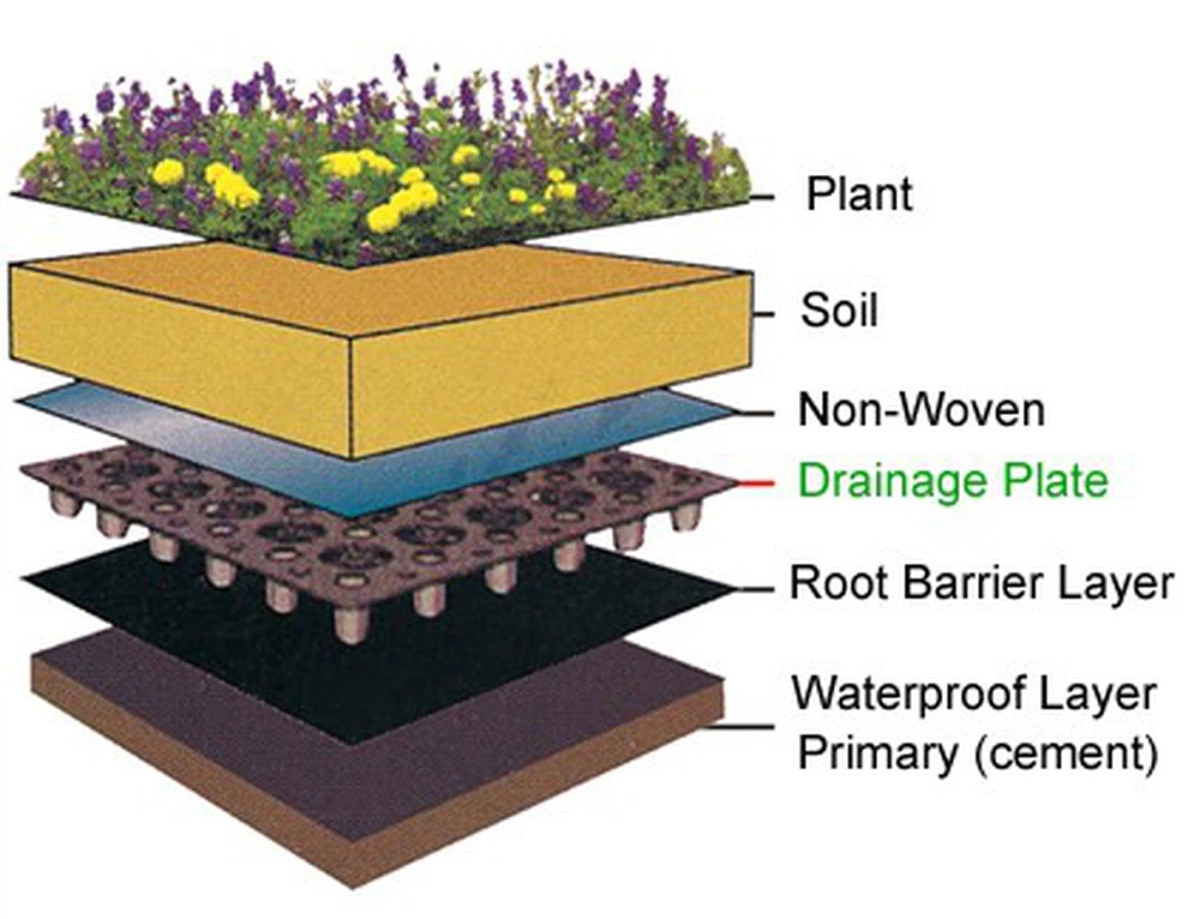
Drainage boards, also known as sheet-like drainage ditches, are made of high-density polyethylene or polypropylene drainage boards and heat bonded with needle punched long non-woven geotextiles. Drainage boards are widely used for drainage and filtration in retaining walls, basement walls, garden roofs, and square decks. In addition, sheet-like drainage ditches are absolutely suitable for large-scale drainage and can be covered to provide maximum drainage capacity. Many drainage boards can also be used to protect waterproof materials, which can save the total cost of using drainage boards separately.
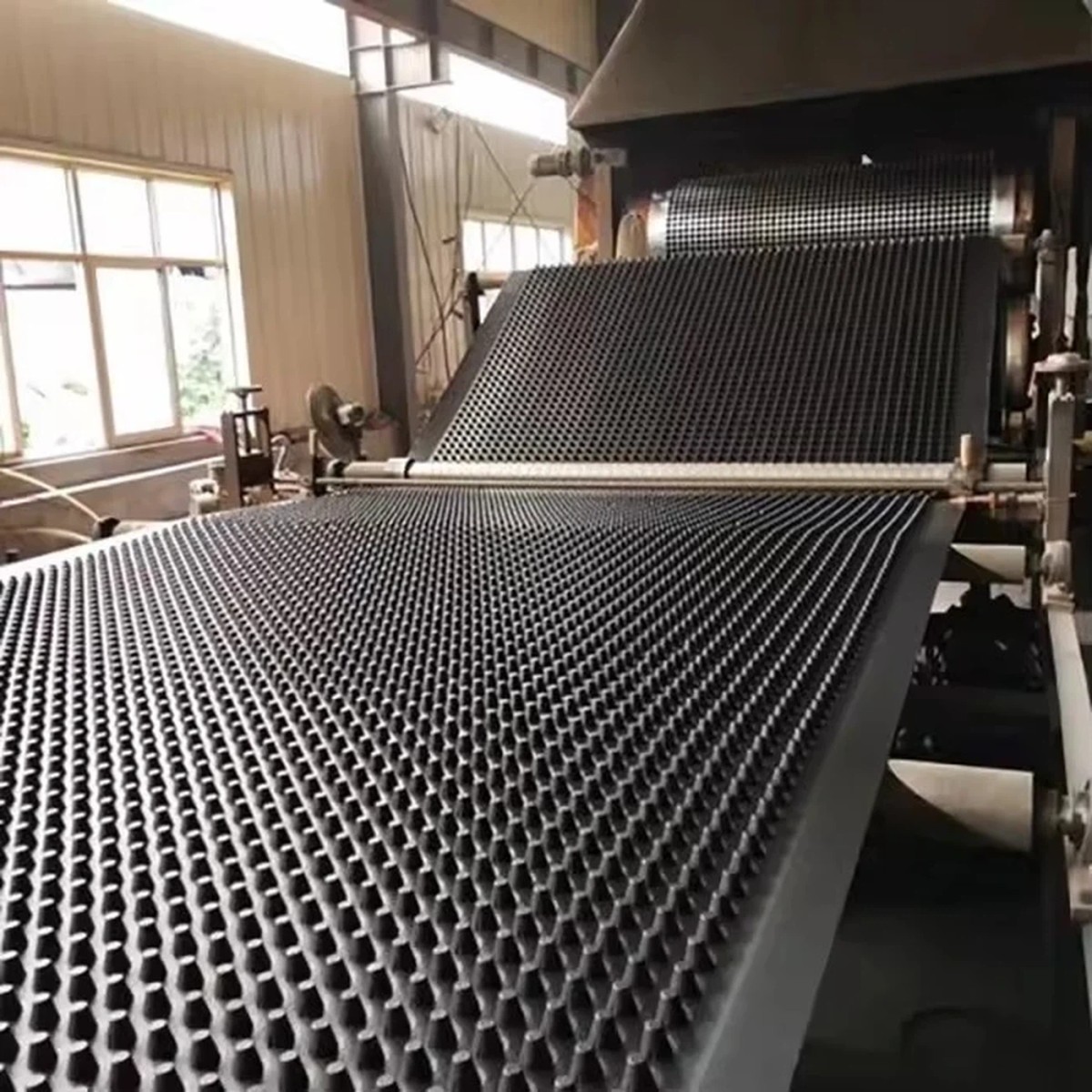
A drainage board with geotextile is a high-strength, lightweight, modular system designed to provide efficient water drainage and soil filtration. The drainage cell is a three-dimensional, honeycomb-like structure made from high-density polyethylene (HDPE), which provides excellent load-bearing capacity and durability. The geotextile fabric is laminated onto the cell, offering superior filtration by preventing soil and debris from clogging the drainage system.
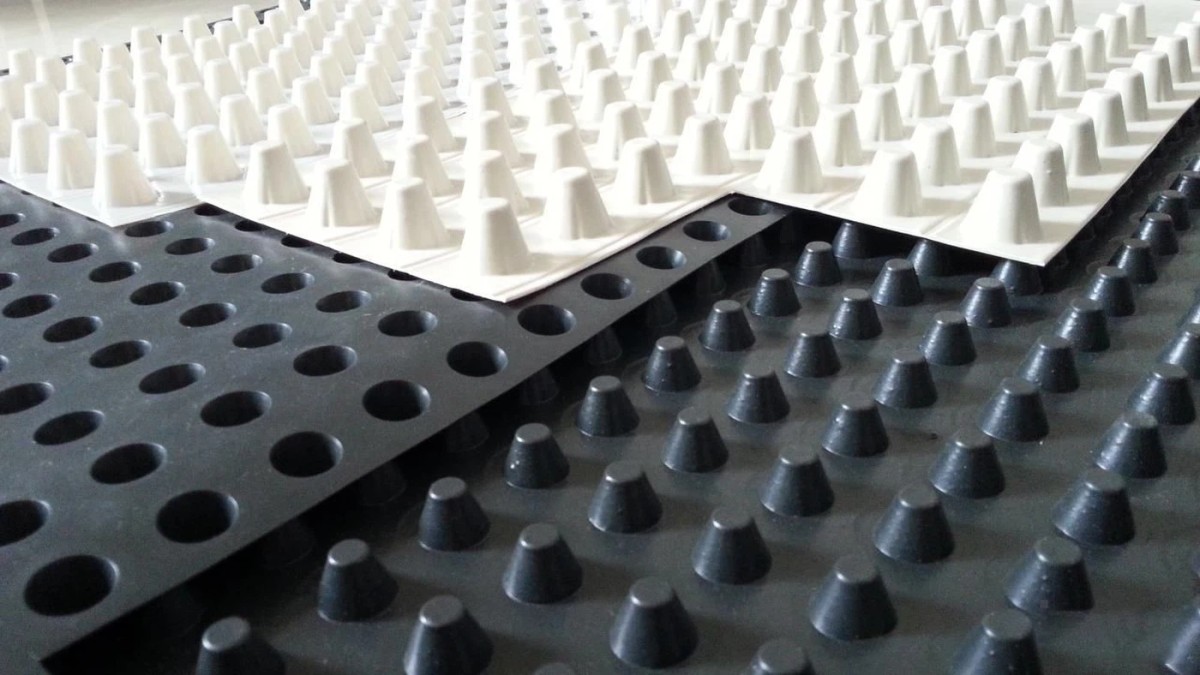
Composite drainage board
The drainage board is made of high-strength PET geotextile and high-density polyethylene drainage board, which are fused by a unique hot melt process. It has unique functions such as filtration stability, rapid drainage, root resistance, and waterproofing. Combined with mature and simple installation solutions, it provides top-level safety protection and is suitable for various applications such as slope filling, landfill gas barrier, drainage layer, roof greening, underground building side walls, ground, tunnel drainage, etc.
Key Features
High Compressive Strength: Drainage cells with geotextile are capable of withstanding heavy loads, making them suitable for use under concrete slabs, retaining walls, and landscaped areas.
Excellent Drainage Capacity: The design of the cells ensures rapid water drainage, reducing hydrostatic pressure and preventing waterlogging.
Superior Filtration: The geotextile fabric efficiently filters out soil and debris, maintaining the effectiveness of the drainage system.
Lightweight and Easy to Install: The modular design and lightweight materials make installation quick and easy, saving time and labor costs.
Environmental Sustainability: Made from recycled materials, drainage cells with geotextile contribute to sustainable construction practices.
Technical Specifications
Here are some typical technical specifications for drainage cells with geotextile:
Installation and Maintenance
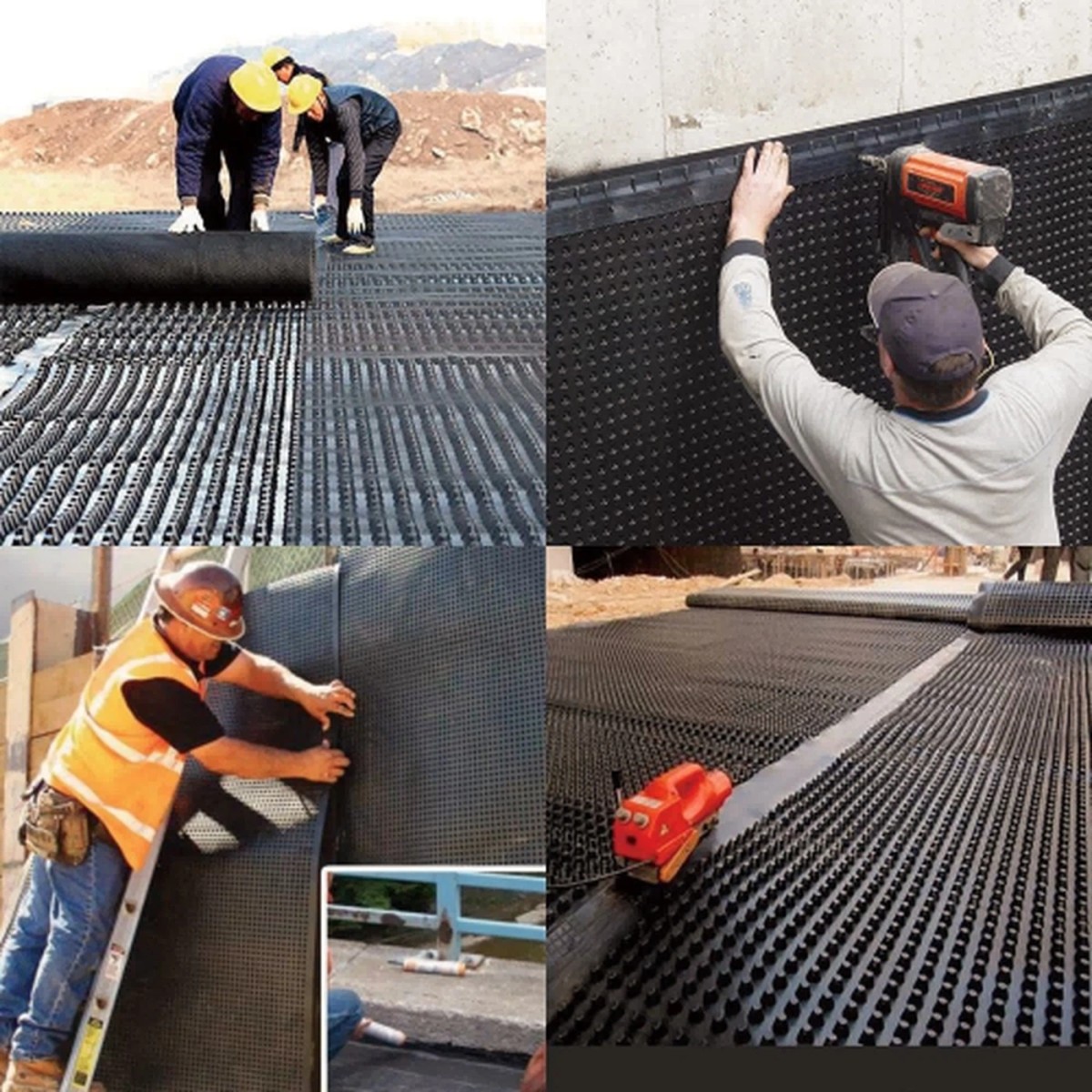
Installing composite drainage boards is an important step in ensuring proper water management and structural protection.
The following is a general guide on how to install composite drainage boards:
Required materials and tools:
Composite drainage board adhesive or fastener (depending on the manufacturer's recommendations)
Art knife or scissors
Tape measure
Chalk line or marker shovel (if necessary, used for excavation)
Waterproof membrane (if needed)
Protective gloves and safety equipment
Installation steps:
1. Prepare the surface: Ensure that the surface on which the drainage board is installed is clean, dry, and free of debris. If installed against the foundation wall, please check for any cracks or damages that need to be repaired.
2. Excavation area: If installing drainage boards around the foundation, excavate the soil around the foundation to the required depth. Ensure that the excavation width is sufficient for the installation of drainage boards. Apply waterproof membrane (if necessary): Apply the waterproof membrane to the foundation wall according to the manufacturer's instructions. This step is crucial for preventing water infiltration.
3. Measurement and cutting of drainage boards: Measure the area where drainage boards are to be installed. Use a utility knife or scissors to cut the drainage board into the appropriate size.
4. Install drainage board: Place the drainage board against the wall or surface starting from the bottom. Fix the drainage board in place using adhesive or fasteners recommended by the manufacturer. Ensure that the drainage board is flush with the surface. If multiple drainage boards are used, please overlap the edges of the drainage boards according to the manufacturer's overlap guidelines.
5. Backfilling excavation area: Carefully backfill the excavation area with soil to ensure that the drainage board remains in place. Compact the soil during backfilling to avoid settlement and maintain proper drainage.
6. Inspection and completion: Check the installation to ensure there are no gaps or areas where the drainage board is not properly secured. Make any necessary adjustments to ensure a tight fit and proper drainage.
7. Other tips: Always follow the specific instructions provided by the manufacturer of the composite drainage board. Please wear protective gloves and safety equipment during installation. If you are unsure about any part of the installation process, please consider consulting a professional.
FAQ
Q:1 What are the types of drainage boards?
Answer: composite drainage board, corrugated drainage board, geotechnical composite drainage board, drainage pad, sheet drainage board, foam drainage board.
Q2: Why use drainage boards?
Answer: There are many benefits to using drainage boards in architecture and landscaping, mainly focused on effectively managing water to protect buildings and extend their service life.
Q3: How to choose a drainage board?
Answer: When choosing a drainage board, it is necessary to evaluate the specific requirements of the project, including application type, environmental conditions, and compatibility with other systems. Consulting with professionals can also help ensure that you choose the most suitable product to achieve optimal performance and lifespan.
Send Inquiry
You Might Also Like

Categories