
PVC vs HDPE Geomembrane
Engineer's Comparison Guide for Liner Selection
Choosing the right geomembrane is a critical decision for any containment or waterproofing project. Among the most commonly used materials, PVC geomembrane and HDPE geomembrane are often compared by engineers, designers, and contractors.
This guide provides a clear, engineering-based comparison to help you select the most suitable geomembrane for your project.
1. Material Overview
PVC Geomembrane
PVC geomembrane is manufactured from polyvinyl chloride resin with plasticizers and stabilizers. It is known for its excellent flexibility and ease of installation, especially on complex or irregular surfaces.
HDPE Geomembrane
HDPE geomembrane is made from high-density polyethylene, offering high chemical resistance and mechanical strength, making it ideal for large-scale and chemically aggressive environments.
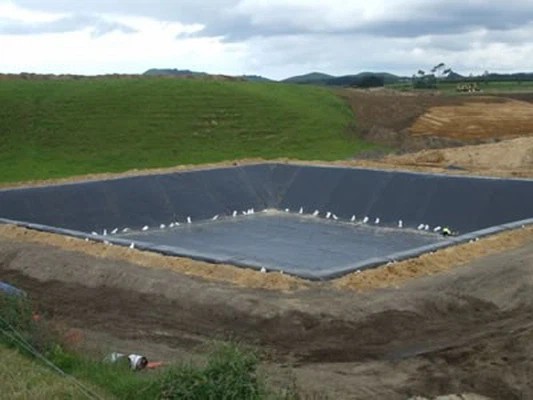
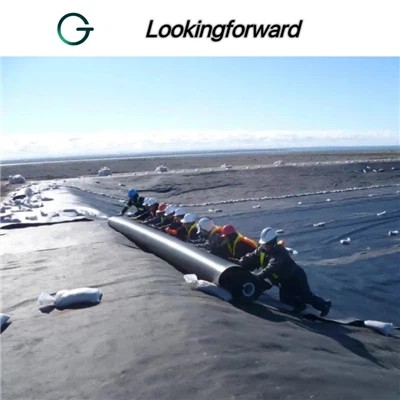
PVC geomembrane vs HDPE geomembrane
2. Flexibility & Installation Performance
Engineering Insight:
PVC geomembrane can easily conform to curves, slopes, and irregular foundations, reducing installation stress and potential liner damage. HDPE geomembrane, while strong, is more rigid and demands higher installation precision.
3. Mechanical & Chemical Resistance
Engineering Insight:
For projects involving strong chemicals, leachate, or mining solutions, HDPE geomembrane is generally preferred. PVC geomembrane performs well in most civil and environmental applications but may not be ideal for highly aggressive chemicals.
4. Typical Applications
PVC Geomembrane Applications
Irrigation and decorative ponds
Wastewater treatment ponds
Canals and hydraulic structures
Tunnel, basement, and roof waterproofing
Projects with complex geometry
? Learn more about PVC geomembrane applications on our
PVC Geomembrane Product Page
HDPE Geomembrane Applications
Landfill liner and capping systems
Mining leach pads and tailings ponds
Industrial containment
Large reservoirs with flat subgrades
? Learn more about HDPE geomembrane solutions on our
HDPE Geomembrane Product Page
5. Thickness & Design Considerations
PVC geomembrane is commonly supplied in 0.5–3.0 mm, while HDPE geomembrane typically ranges from 1.0–3.0 mm.
Final selection should always follow project design specifications and local standards.
6. Cost & Lifecycle Considerations
PVC geomembrane
Lower installation cost
Faster welding
Ideal for medium-duty applications
HDPE geomembrane
Higher material stiffness
Longer service life in harsh environments
Lower risk in chemically aggressive projects
Engineering Trade-off:
PVC often reduces installation time and labor cost, while HDPE provides long-term durability in demanding conditions.
7. Which Geomembrane Should You Choose?
Choose PVC Geomembrane if:
The project involves complex shapes or curved surfaces
Easy installation is a priority
The environment is not chemically aggressive
Waterproofing flexibility is critical
Choose HDPE Geomembrane if:
The project requires high chemical resistance
Long-term durability is essential
Large flat areas are involved
Mining or landfill applications are required
Conclusion
There is no universal "best" geomembrane.
PVC vs HDPE geomembrane selection depends on project conditions, chemical exposure, installation environment, and budget considerations.
Consulting with an experienced geomembrane manufacturer or supplier can help ensure the correct material is chosen for long-term performance.