
‹
›
 facebook
 twitter
 linkedin
 google+
Description
What can geotextile fabric be used for horse arena?
Some materials are usually laid under the sand of the racecourse to maintain the stability and drainage performance of the sand. Common materials include stones: stones can increase the weight and stability of the sand, and also help with drainage. Generally, larger stones are chosen to avoid damaging the hooves of horses. Geotextile: Geotextile can prevent weed growth, as well as prevent sand loss and looseness, thereby improving the stability of the racecourse. Cellulose material: Cellulose material can increase the viscosity and strength of sand, improve its compressive strength, and also improve drainage performance. Rubber particles: Rubber particles can reduce the impact force of horses, while also improving the durability and stability of sand. However, rubber pellets are relatively expensive and are generally only used for high-end racecourses or racetracks. The choice of material to lay under the sand of the racecourse depends on multiple factors such as the budget, usage, and design requirements of the racecourse.
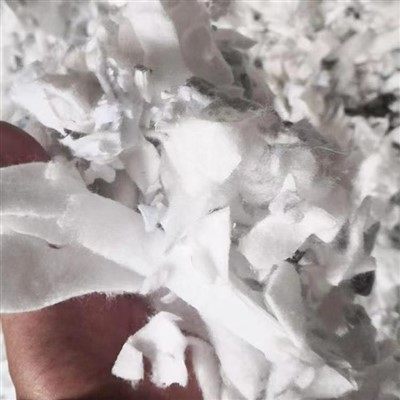
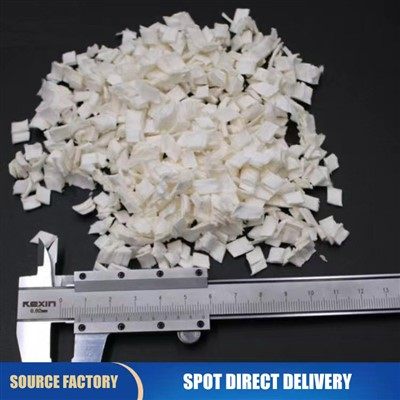
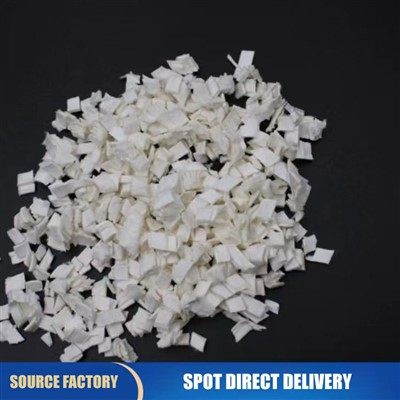
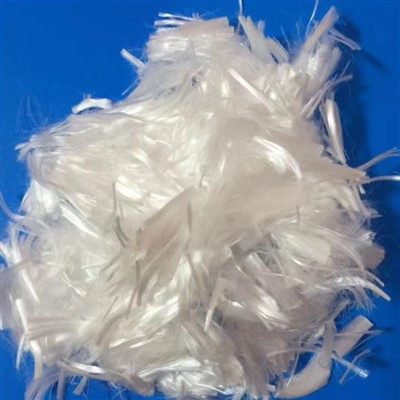
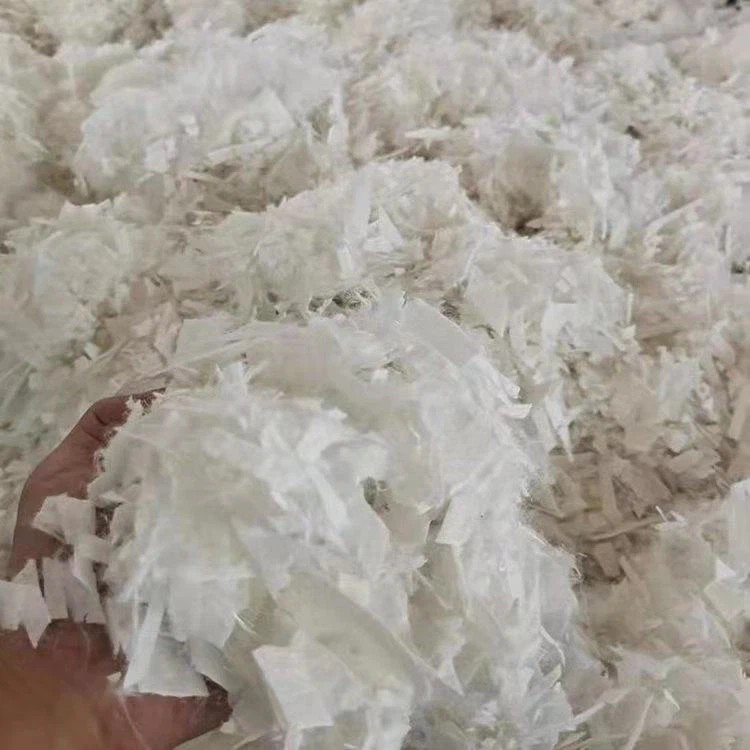
Geotextile Fabric For Horse Arena mixes sheet-like fibers with elastic fibers in a ratio, and then mixes a certain proportion of fiber sand to provide greater cushioning and resilience for horses after jumping and landing. Elastic fibers can provide a stronger bond to the overall sand of the site, while sheet-like fibers can effectively retain more water molecules, reducing water loss, and can store 10 liters of water per square meter.
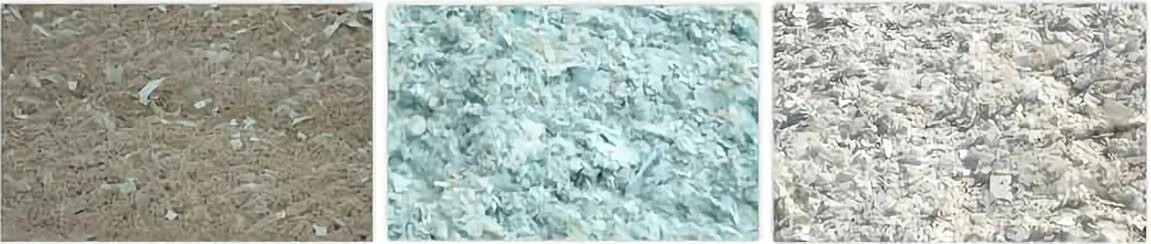
Whether the fibers in the equestrian fiber sand field are non-toxic and environmentally friendly is an important factor in determining the safety of personnel and horses in the entire fiber sand field. Poor quality fibers are prone to shedding and rotting during use due to their different materials, which affects the polymerization of fibers and sand and greatly shortens the effectiveness and service life of the fiber sand field; At the same time, the detached fibers float into the air and are easily inhaled into the lungs of horses and humans, causing irreversible damage to health. The equestrian field fibers we provide have passed the European TUV environmental protection, non-toxic, and pollution-free testing, as well as domestic inspection, customs and other environmental testing certifications. The fibers of different materials are firmly fixed to each other, allowing the fibers and sand to have sufficient polymerization force in the field, greatly increasing the life of the fiber sand field. At the same time, it can effectively suppress fiber scattering and dust, providing a healthier and more environmentally friendly sports environment for personnel and horses.
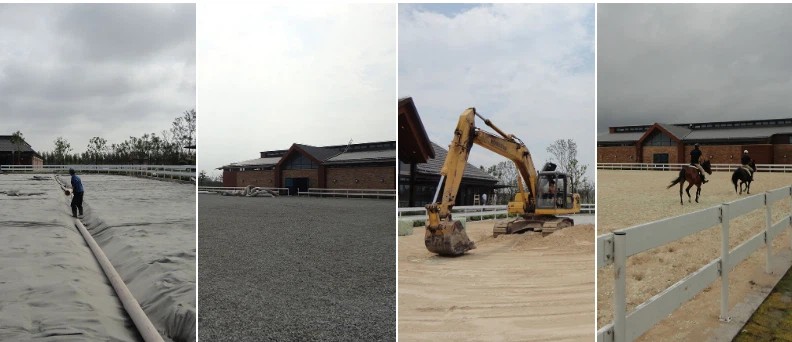
The equestrian fiber sand field is a systematic project, rather than a simple process of laying fibers and sand. Engineers first need to survey the geographical location and natural environment of the construction site, calculate the usage of each base layer, and then carry out the construction of the fiber sand field base layer. At the same time as the base layer construction, the sand used in the field is tested and analyzed, and the sand and fibers are mixed and proportioned based on the test results. Then, a professional GPS laser automatic leveling machine is used to pave the fiber sand field. During the paving process, a specialized leveling machine is used for optimization treatment. After the construction is completed, metal detection operations are carried out on the field to remove metal sharp objects left in the field during the construction process, ensuring the welfare and safety of horses and personnel.
1) Site investigation and measurement - Wesson engineers survey the geographical location and natural environment of the construction site, calculate the usage of each base layer, and return the local fiber sand belt to the laboratory for sand structure analysis;
(2) Grassroots construction - Analyze the pre tested sand during grassroots construction to determine the mixing ratio of surface paving sand and fibers;
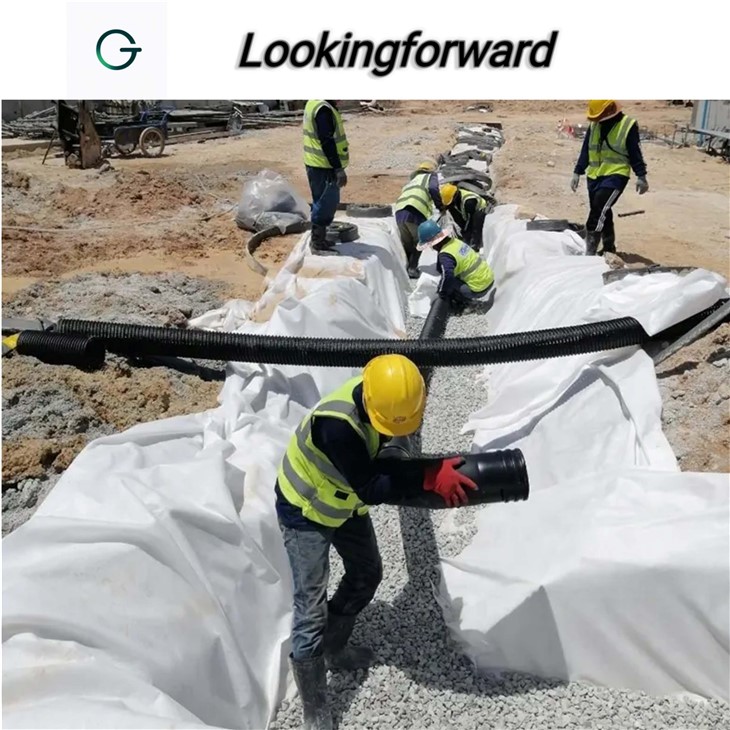
(3) Permeation layer construction - paving of drainage pipes and reverse osmosis moisturizing pipes;
(4) Isolation layer paving - professional GPS laser automatic leveling machine is used for paving construction of fiber sand field;
(5) Porous cushion layer - paving V porous drainage and moisturizing cushion layer;
(6) Surface paving - optimize the paving process by combining it with a specialized leveling device for the site;
(7) Dust removal, moisture retention, and site optimization - using a water jet leveler to optimize the dust removal and moisture retention of the site;
(8) Metal detection operation - After the construction is completed, Wesen professionals are responsible for conducting metal detection operations on the site, removing sharp metal objects left in the construction process, and ensuring the safety of horses and personnel.
Send Inquiry
You Might Also Like

Categories