
‹
›
 facebook
 twitter
 linkedin
 google+
Description
Introduction
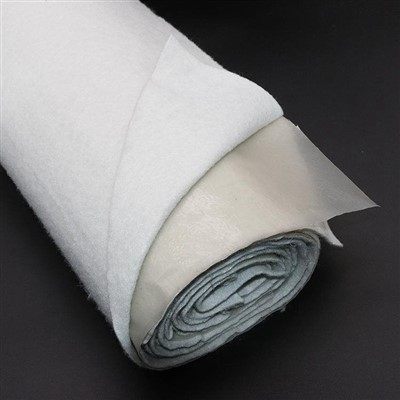
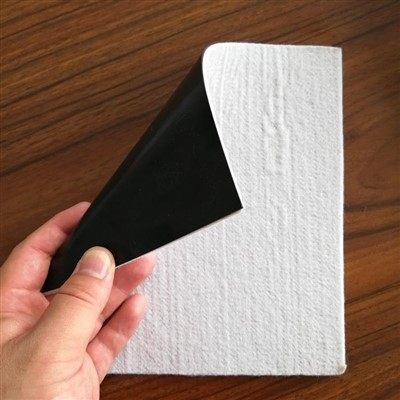
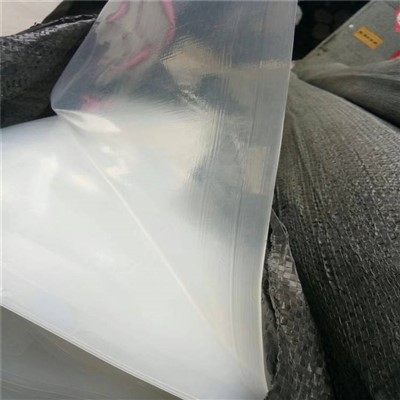
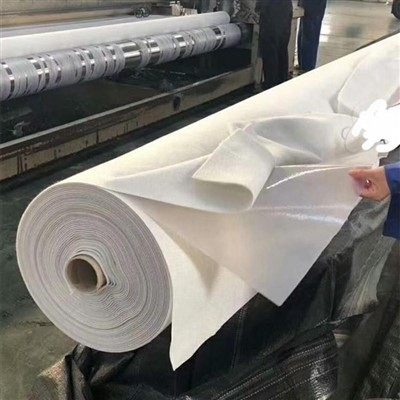
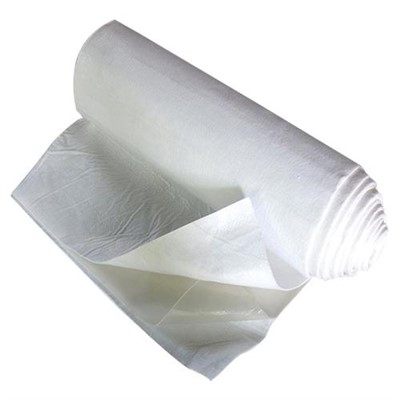
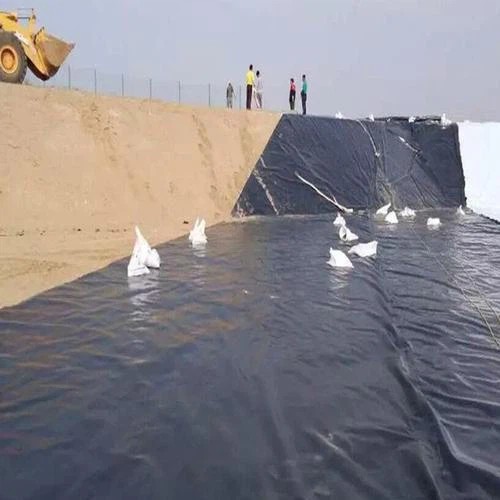
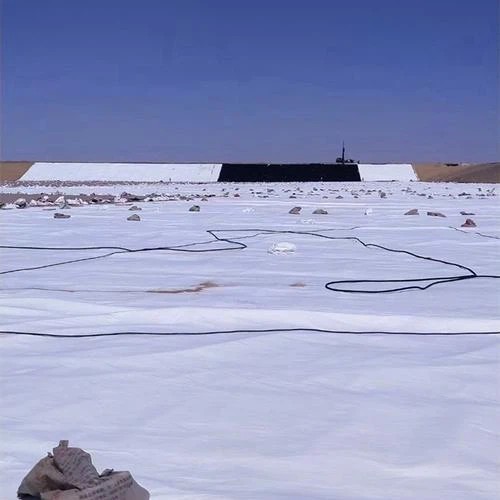
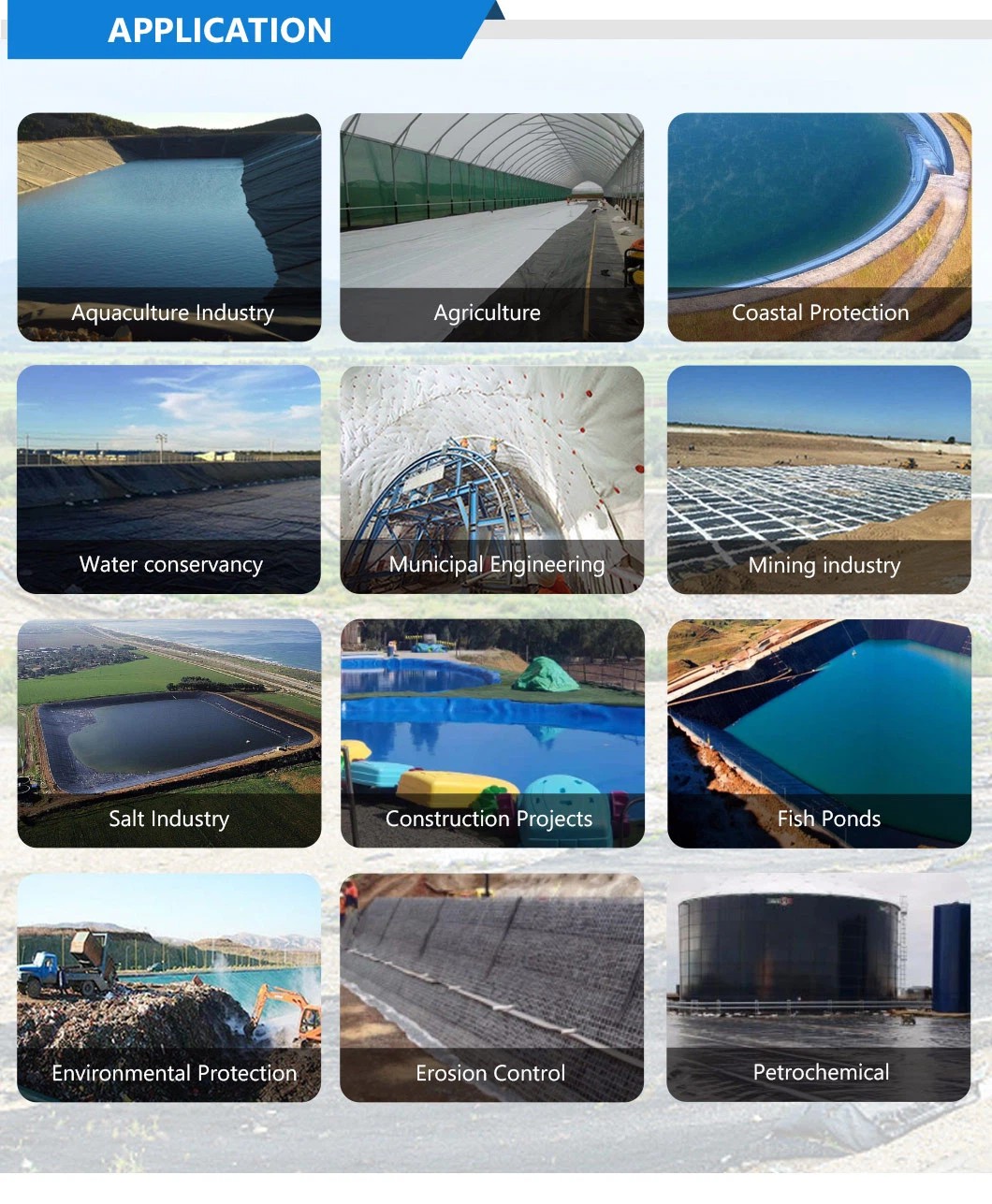
Composite Geomembrane is an anti-seepage material made by compounding geotextile and geomembrane through hot pressing or coating process. It has good anti-seepage performance and mechanical strength and is widely used in water conservancy projects, landfills, artificial lakes, tunnels and other fields.
Advantages
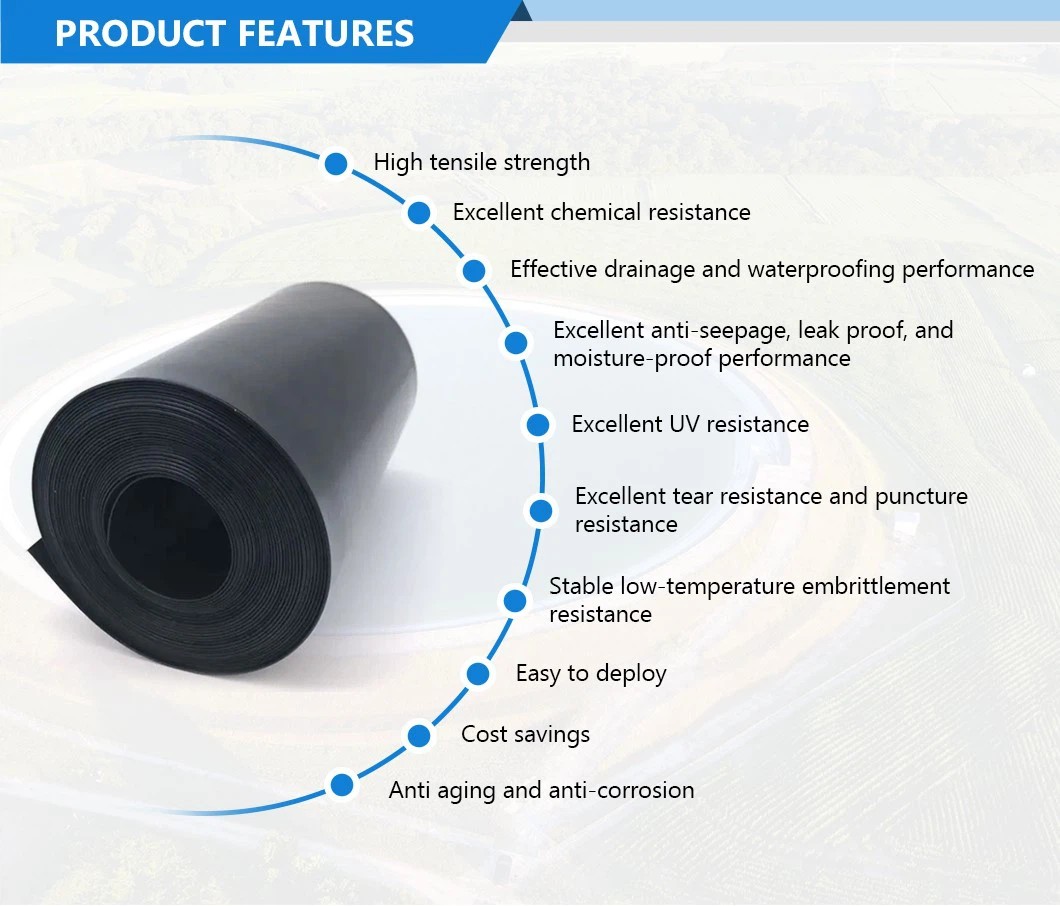
1. Excellent anti-seepage performance Anti-seepage
The composite geomembrane uses a 0.5mm to 2.0mm thick high-density polyethylene film as the anti-seepage layer, with an extremely low permeability coefficient, which is less than 1.0×10⁻¹³ cm/s, and can effectively block the penetration channel of water or other liquids. In the "1 cloth 1 membrane" structure, the product has an anti-seepage life of more than 50 years under normal temperature conditions and avoids direct ultraviolet radiation.
2. High strength and damage resistance
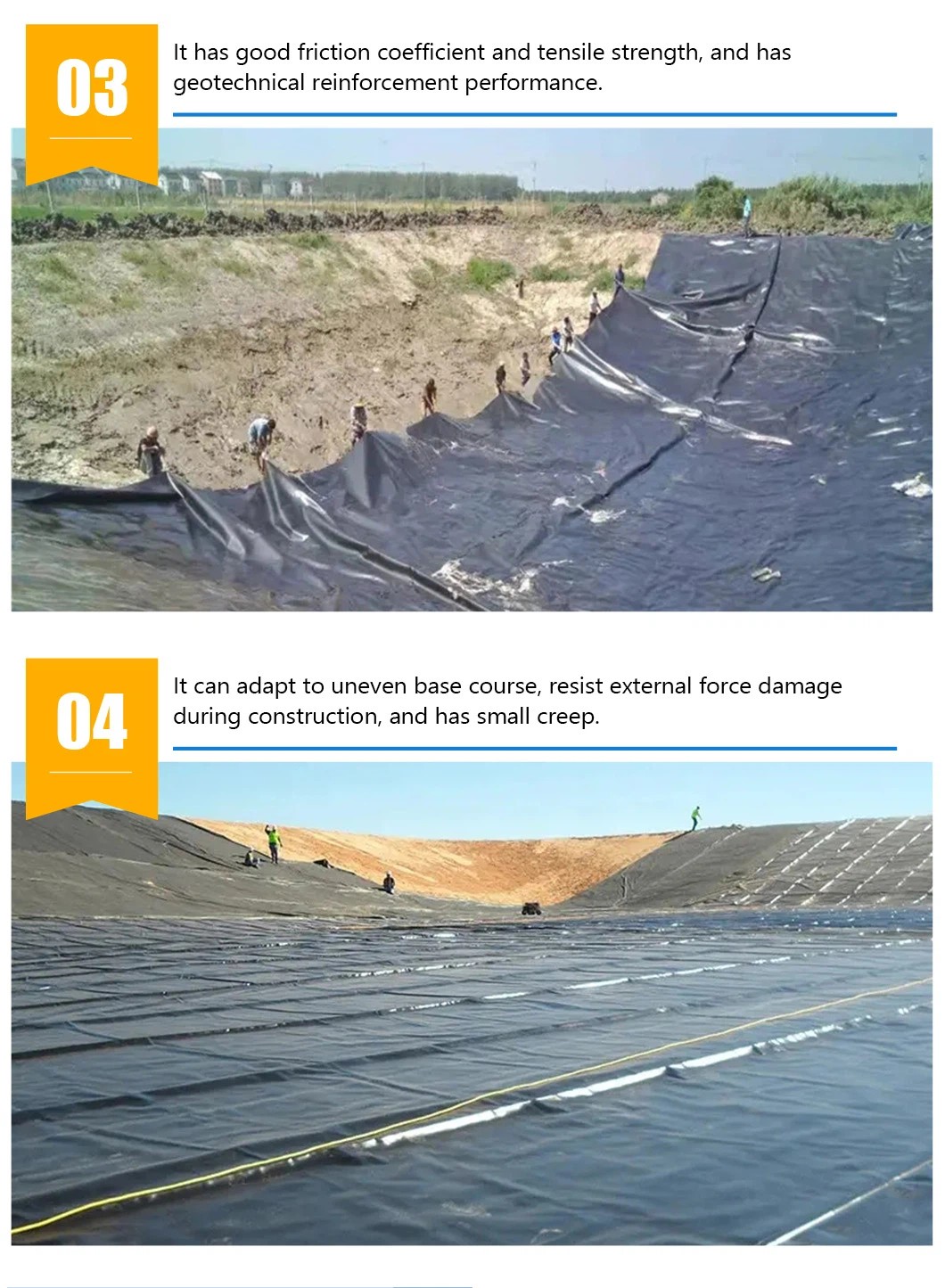
The tensile strength of the composite geomembrane can reach 25~40 kN/m after compounding (the specific value depends on the thickness of the film and the weight of the geotextile), which can provide sufficient structural support during construction, slope fixing and long-term load. The tear strength reaches or exceeds 100 N, which effectively prevents the membrane material from rupturing due to uneven base or external force, thereby improving the overall safety and service life of the project.
3. Anti-aging and chemical corrosion resistance
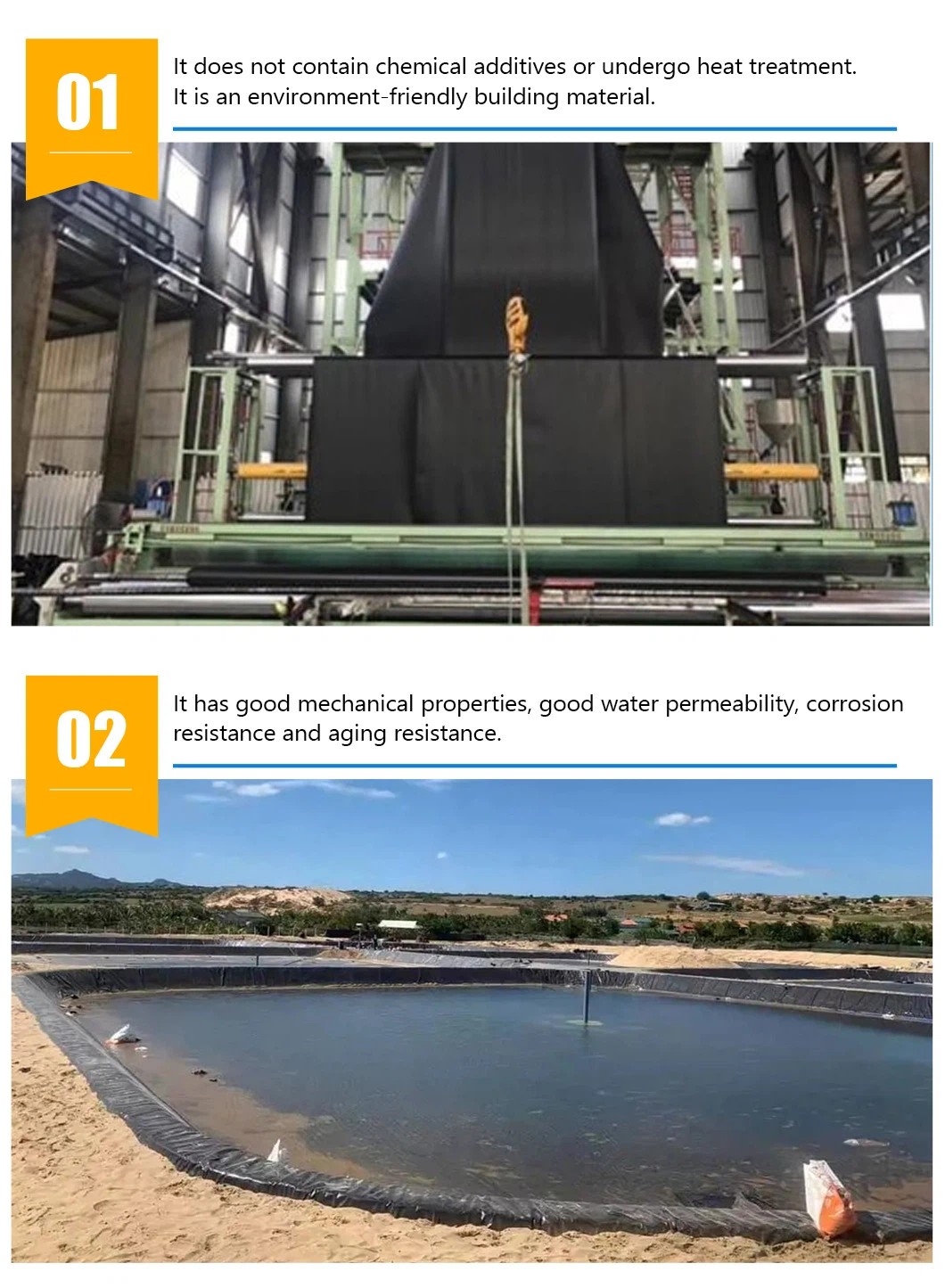
Antioxidants and anti-ultraviolet agents are added during the material preparation process, so that the composite geomembrane has good aging resistance and is suitable for long-term use exposed to the natural environment. At the same time, the material is stable in the pH range of 1 to 14 and can withstand corrosion from a variety of acidic and alkaline chemicals. It is especially suitable for engineering projects with complex environments and variable components such as sewage treatment tanks, chemical sedimentation tanks, and tailings dams.
4. Strong ability to adapt to terrain
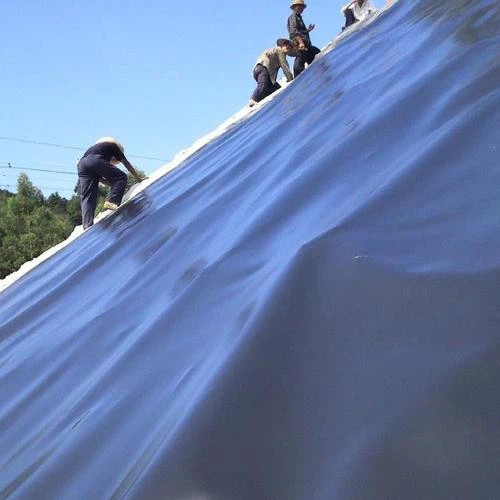
Due to the high flexibility of the composite structure of the membrane layer and the geotextile, its elongation can reach more than 600% (depending on the specific membrane material), which can adapt to uneven foundation settlement and slight displacement, and avoid membrane fracture due to local stress concentration. At the same time, the material can maintain stable physical properties in the temperature range of -40°C to 60°C, and is suitable for a variety of climatic conditions and geological environments to meet the engineering construction needs of different regions.

Send Inquiry
You Might Also Like
Categories