
‹
›
 facebook
 twitter
 linkedin
 google+
Description
Introduction
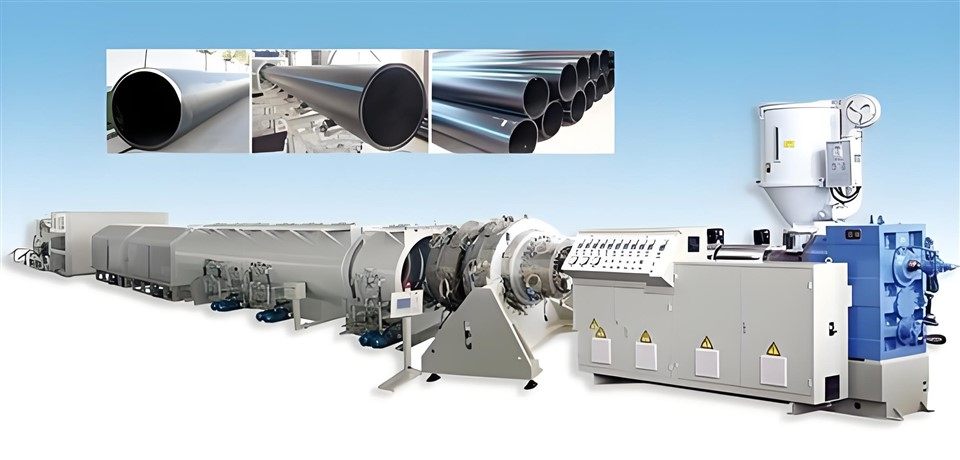
HDPE pipe production lines are engineered systems designed to manufacture high-quality HDPE pipes. These lines integrate advanced machinery and technology to ensure the pipes produced meet stringent quality standards. The key components of an HDPE pipe production line include:
Extruder: The heart of the production line, where HDPE resin is melted and homogenized.
Die Head: Shapes the molten HDPE into a pipe form.
Vacuum Calibration Tank: Ensures precise dimensions and shapes of the pipe.
Cooling Tanks: Stabilize the pipe by cooling it uniformly.
Haul-off Machine: Draws the pipe out of the production line at a consistent speed.
Cutter: Cuts the pipe into the desired lengths.
Stacker: Collects the finished pipes for further processing or packaging.
Production Process
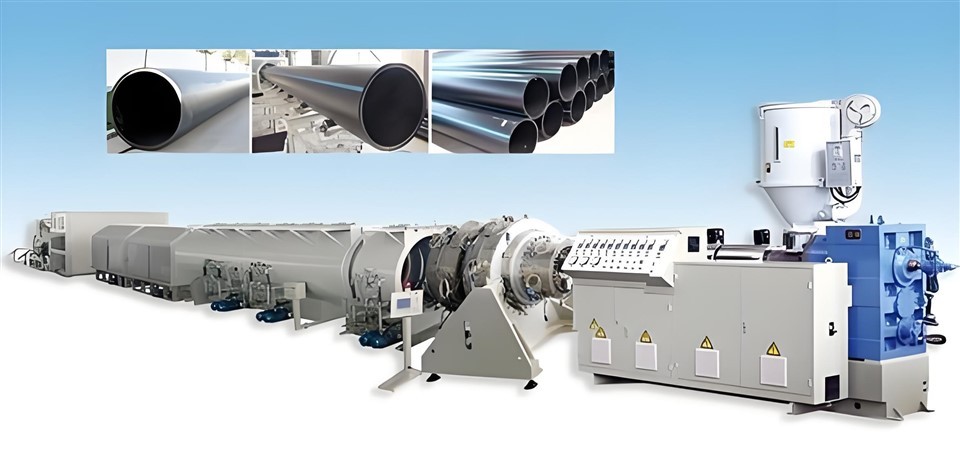
The production of HDPE pipes involves several critical steps to ensure the final product's quality and performance:
Material Preparation: HDPE resin is fed into the extruder, where it is heated and melted.
Extrusion: The molten HDPE is pushed through the die head, forming a continuous pipe.
Calibration and Cooling: The pipe passes through the vacuum calibration tank and cooling tanks to achieve the correct size and stability.
Haul-off and Cutting: The pipe is drawn out by the haul-off machine and cut to the required lengths.
Quality Inspection: The pipes undergo rigorous testing to ensure they meet industry standards and specifications.
Packaging: The finished pipes are packaged for storage or shipment.
Technical Specifications
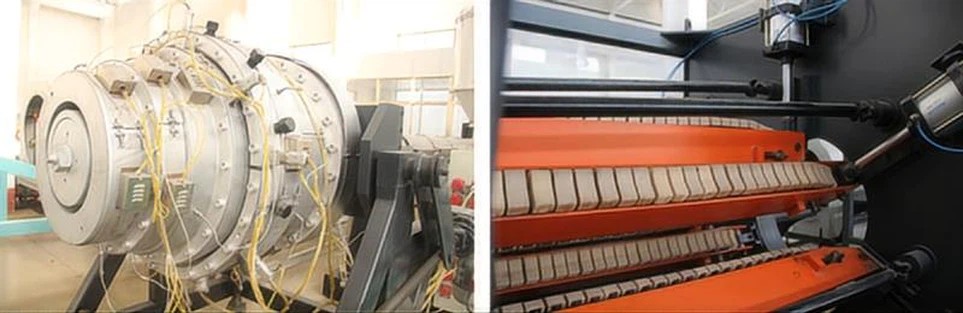
HDPE pipe production lines are equipped with advanced features to enhance productivity and ensure high-quality output. Key technical specifications include:
Extruder Specifications:
Screw Diameter: 65mm to 150mm
Screw L/D Ratio: 33:1 to 38:1
Output Capacity: 150kg/h to 1000kg/h
Pipe Dimensions:
Diameter Range: 16mm to 1200mm
Wall Thickness: 0.8mm to 60mm
Control System:
PLC Control: Ensures precise control of the production process.
Touch Screen Interface: Provides easy operation and monitoring.
Energy Efficiency:
Low Energy Consumption: Optimized for minimal energy usage.
High Efficiency Motors: Reduce operational costs.
Applications of HDPE Pipes
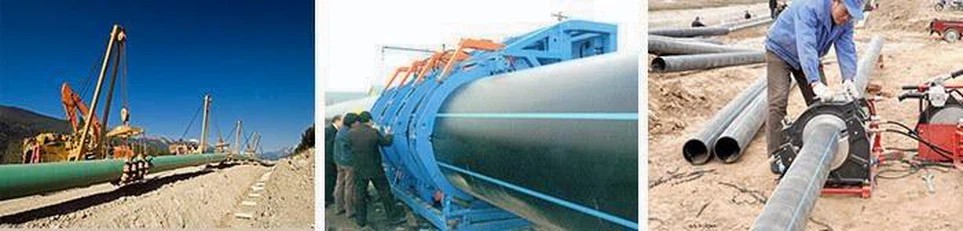
HDPE pipes are renowned for their versatility and durability, making them ideal for a wide range of applications:
Water Supply: Used in potable water supply systems due to their corrosion resistance and leak-free joints.
Gas Distribution: Suitable for gas pipelines owing to their high strength and flexibility.
Sewage and Drainage: Preferred in sewage systems for their chemical resistance and long lifespan.
Agricultural Irrigation: Ideal for irrigation systems due to their lightweight and ease of installation.
Industrial Applications: Used in various industries for transporting chemicals and hazardous materials safely.
Advantages of HDPE Pipe Production Lines
The adoption of HDPE pipe production lines offers numerous advantages:
Durability: HDPE pipes produced are resistant to corrosion, chemicals, and abrasion, ensuring a long service life.
Flexibility: The flexibility of HDPE pipes allows for easy installation and handling, especially in difficult terrains.
Cost-Effective: HDPE pipes are more cost-effective over their lifespan compared to traditional materials like steel or concrete.
Environmental Benefits: HDPE pipes are recyclable and have a lower environmental impact, contributing to sustainable development.
Leak-Free Joints: The production process ensures that the pipes have leak-free joints, reducing maintenance costs and water loss.
HDPE pipe production lines are at the forefront of modern piping technology, providing efficient, durable, and cost-effective solutions for various applications. With their advanced machinery, precise control systems, and wide range of pipe specifications, these production lines ensure the manufacture of high-quality HDPE pipes that meet the rigorous demands of contemporary infrastructure projects.
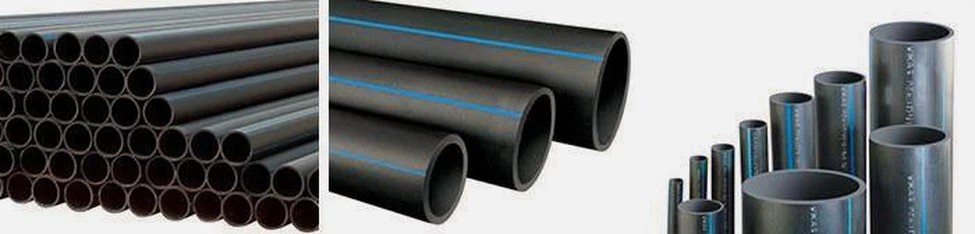
As a leading manufacturer of HDPE pipe production lines, we pride ourselves on delivering state-of-the-art equipment that guarantees superior performance and reliability. Our production lines are designed to meet the highest industry standards, ensuring our customers receive the best possible products. For more information or to discuss your specific requirements, please contact us today. We are committed to providing innovative solutions that drive success in your projects.
Send Inquiry
You Might Also Like

Categories