
‹
›
 facebook
 twitter
 linkedin
 google+
Description
High strength and high modulus
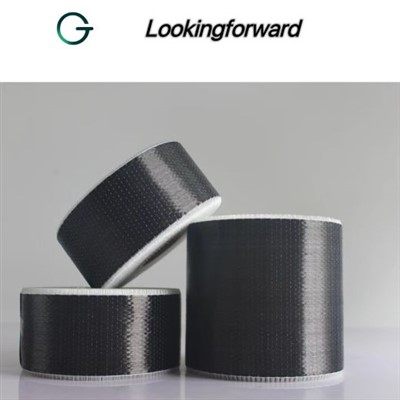
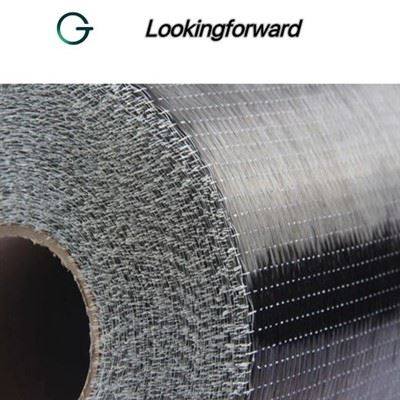
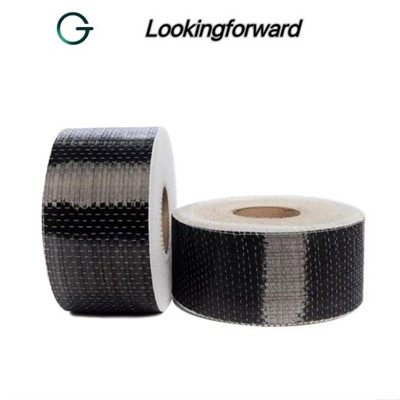
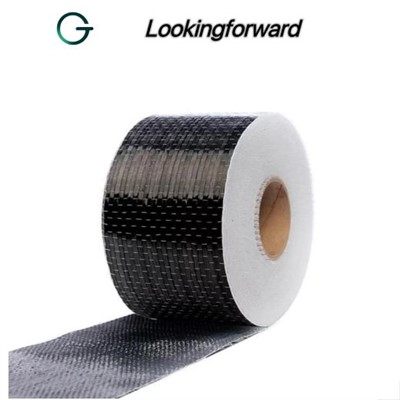
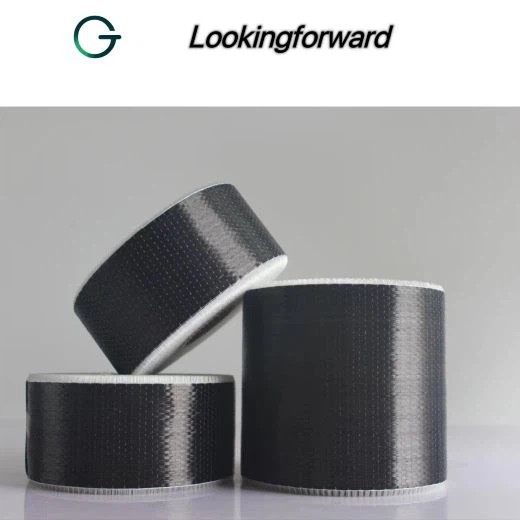
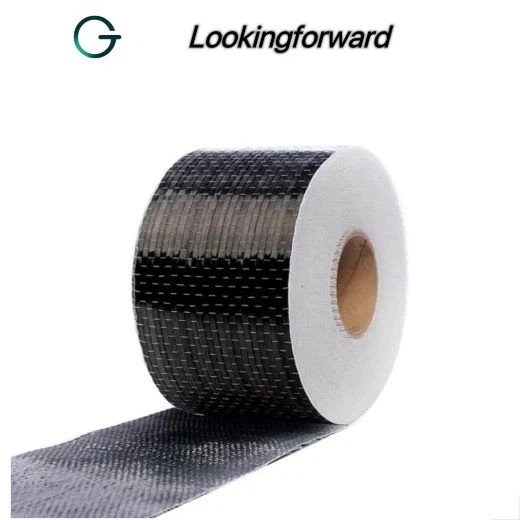
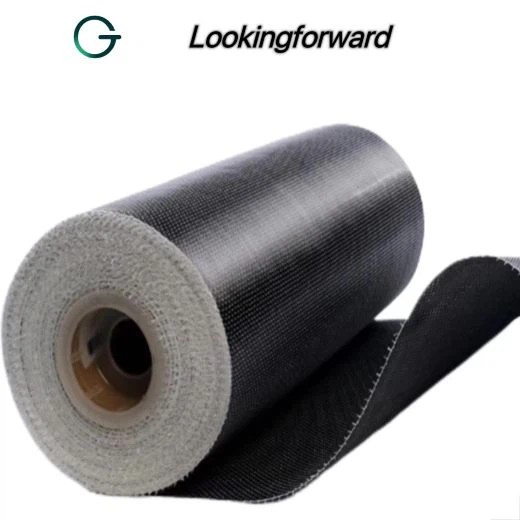
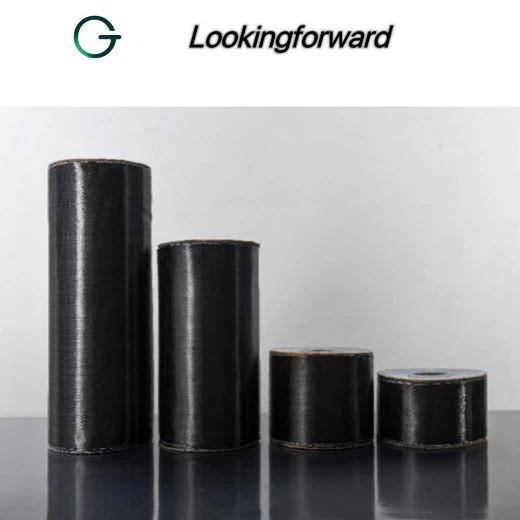
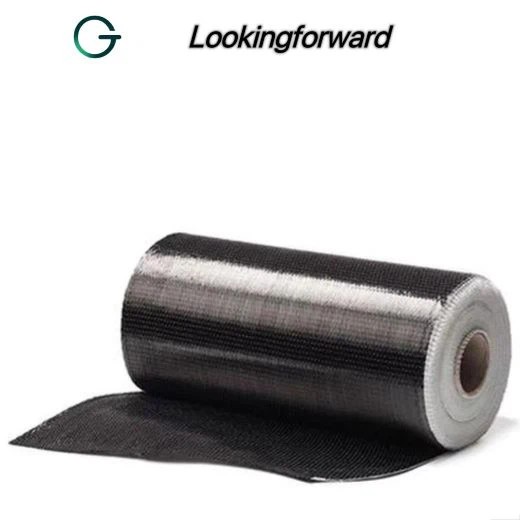
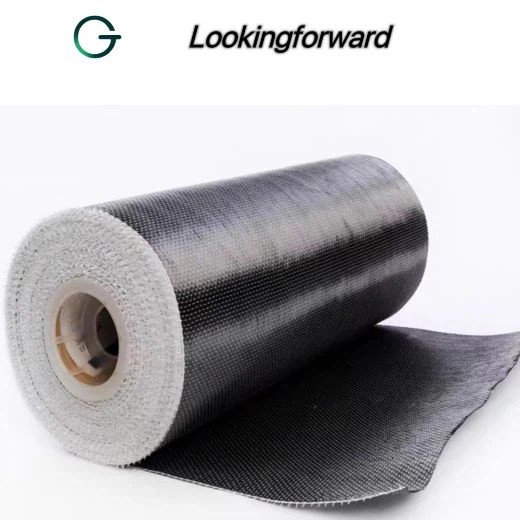
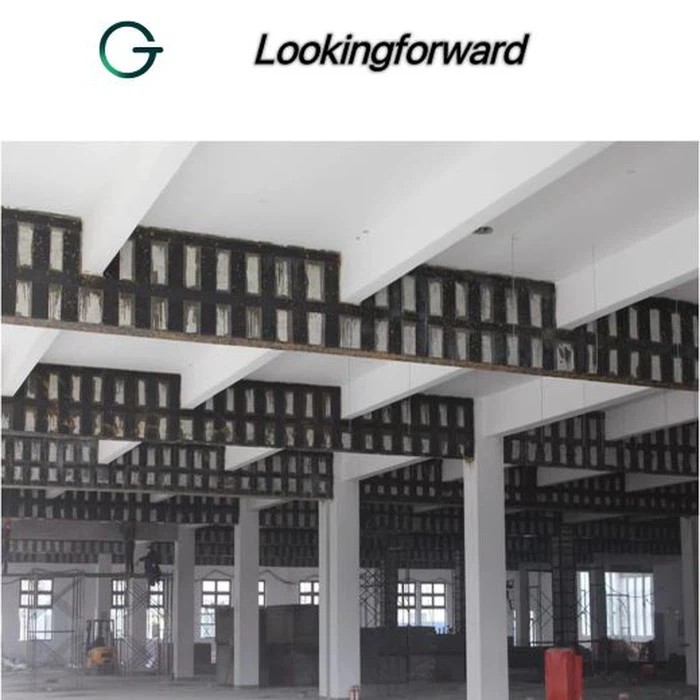
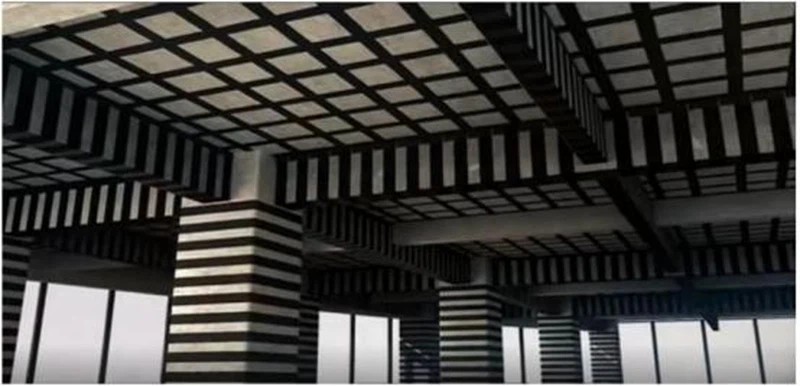
The material uses 12K carbon fiber as the reinforcing matrix. A single bundle contains about 12,000 continuous carbon fiber filaments, which are tightly arranged and uniformly structured. In practical applications, carbon fiber reinforced materials are stable in enhancing the bearing capacity of basic materials such as concrete and steel structures, which helps to improve the safety and reliability of the overall structure.
Lightweight and low density
The density of carbon fiber is about 1.6g/cm³, which is only about 1/4 of that of steel. While maintaining the same structural strength, the deadweight of the component can be significantly reduced, thereby reducing the burden on the basic support system. This feature is particularly important in fields such as aerospace, bridge reinforcement, and high-rise buildings that have clear requirements for weight reduction.
Good corrosion resistance
Carbon fiber itself has excellent chemical stability and can effectively resist a variety of corrosive media such as moisture, salt spray, acid and alkali solutions. In an environment with high humidity, high salt or frequent contact with chemicals, carbon fiber reinforced materials are not easy to age or degrade, which can extend the service life of engineering structures and reduce later maintenance costs.
Small thermal expansion coefficient
The thermal expansion coefficient of this material is much lower than that of metal materials, and its dimensional change is very limited even under high or low temperature conditions. It can effectively avoid structural problems such as deformation and cracking caused by thermal expansion and contraction, and maintain the overall geometric stability and use function of the structure.
Basic information
Carbon Fiber Technical Data Sheet
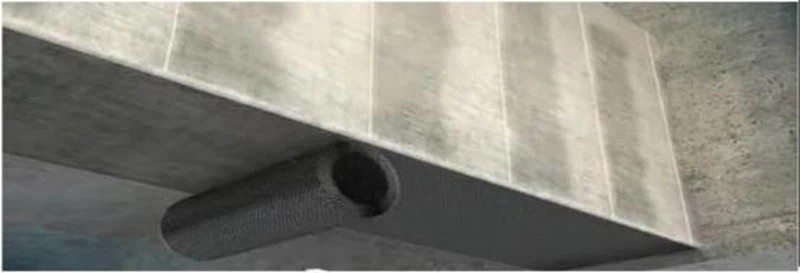
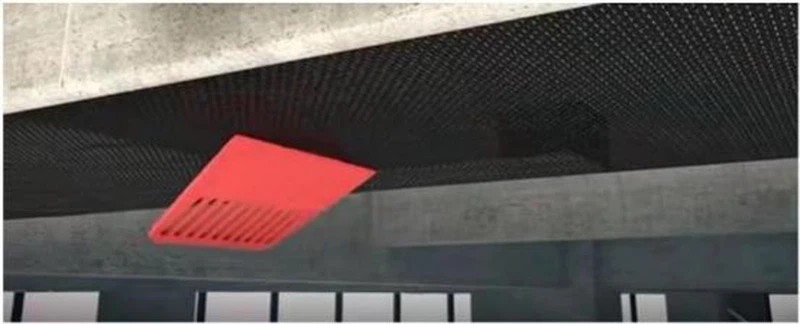
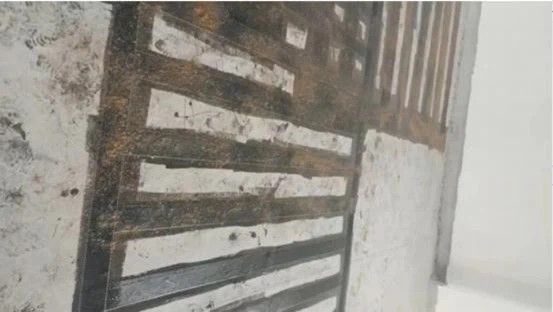
Advantages Of Carbon Fiber Reinforcement
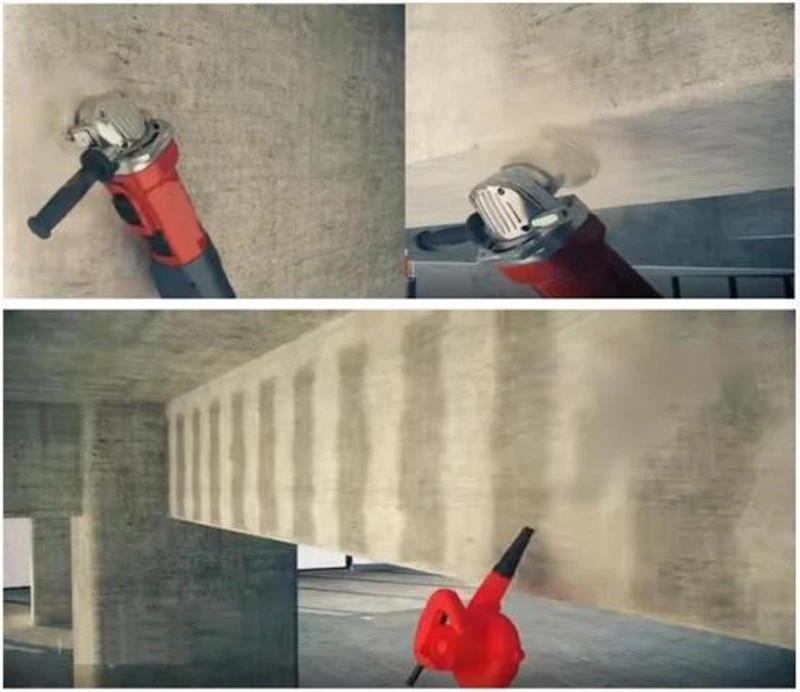
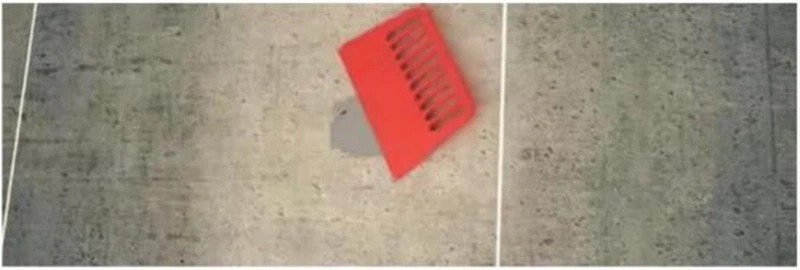
Good construction quality

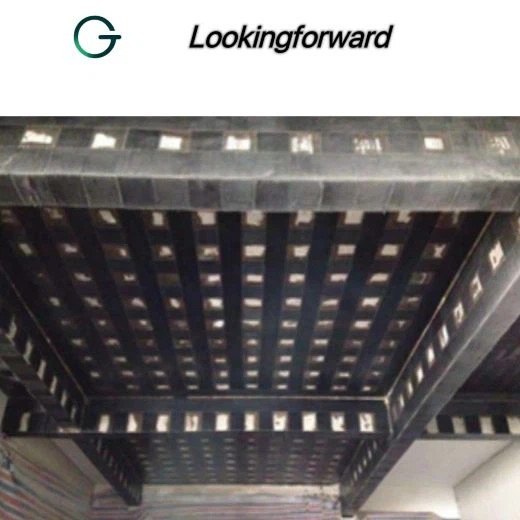
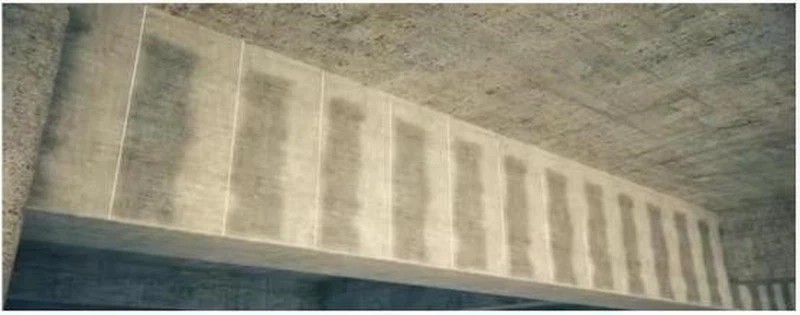
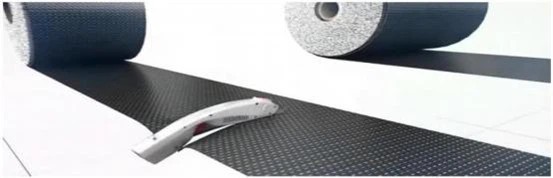
Thin thickness and light weight


Send Inquiry
You Might Also Like



Categories