
‹
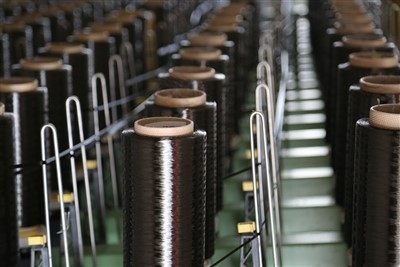
›
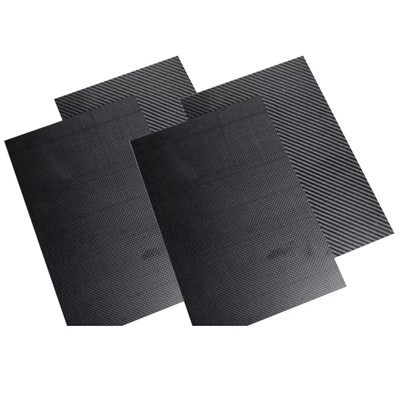
Warp: 1k
Weft: 1k
Weave: plain
Warp: 7.5
Weft: 7.5
Weight(g/m2): 100
Thickness(mm): 0.14
Width(cm): 80-150
 facebook
 twitter
 linkedin
 google+
Description
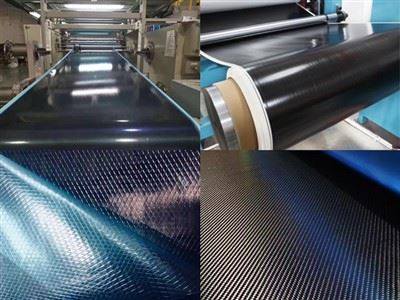
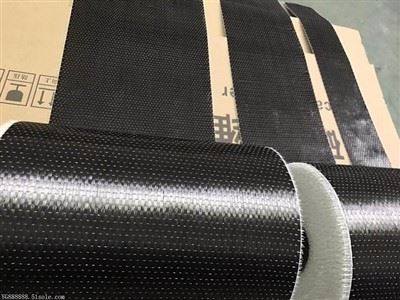
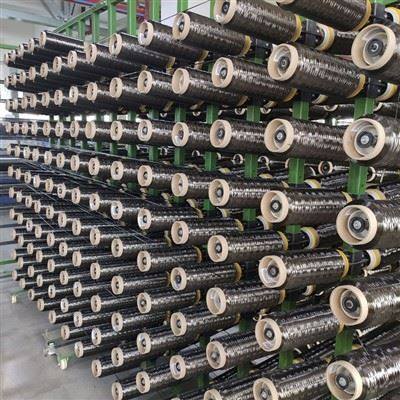
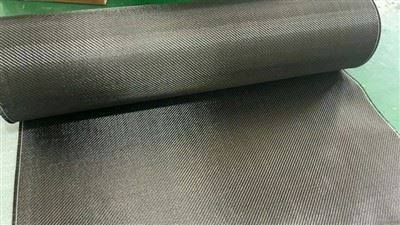
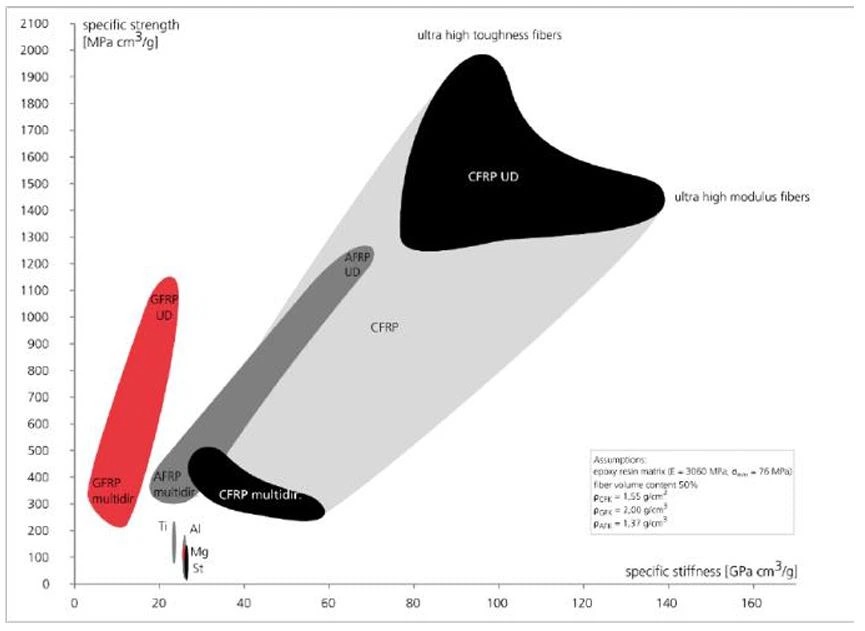
As the main force of carbon fiber, 6K weaving is very suitable for structural applications because it has bending resistance, but is lightweight and can shape complex shapes and angles. Carbon fiber fabric is made from carbon fibers through unidirectional weaving, plain weaving, or diagonal weaving. The carbon fiber we use has a high strength to weight ratio and stiffness to weight ratio. Carbon fiber fabrics have thermal and electrical conductivity, as well as excellent fatigue resistance. If designed properly, carbon fiber fabric composite materials can achieve the strength and stiffness of metals and significantly reduce weight. Carbon fiber fabrics are compatible with various resin systems, including epoxy resin, polyester, and vinyl ester resin.
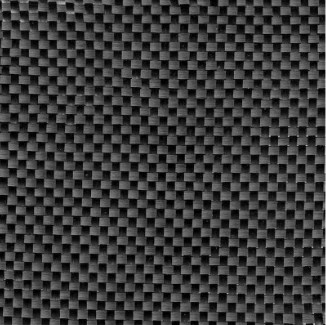
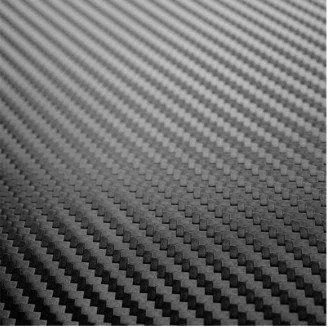
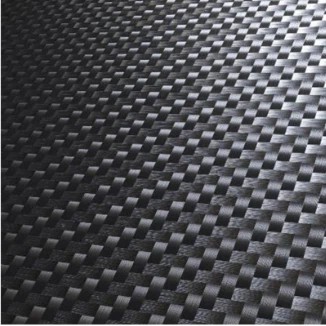
Features of 6K carbon fiber cloth:
Our company uses imported carbon fiber cloth, which has a smooth surface, high straightness, no bulges, fast impregnation, and saves construction time and energy.
Small thickness, easy to cross and overlap, bendable and entanglable, suitable for reinforcing various curved and irregular parts.
Carbon fiber has high tensile strength, acid and alkali resistance, and corrosion resistance.
Non toxic and non irritating odor, it can still be used for construction in residential areas.
Lightweight, with a specific gravity of 23% of steel, it basically does not increase the weight of the component, nor does it change the cross-sectional dimensions of the component.
This material builds quickly to form lightweight structures with virtually no flex.
With twice the fiber density of the 3K types, this fabric is ideal for structural applications
Works well with complex shapes
Unmatched strength to weight ratio
50" width suits most projects
Fatigue resistance for durable strength
Application of 6K carbon fiber:
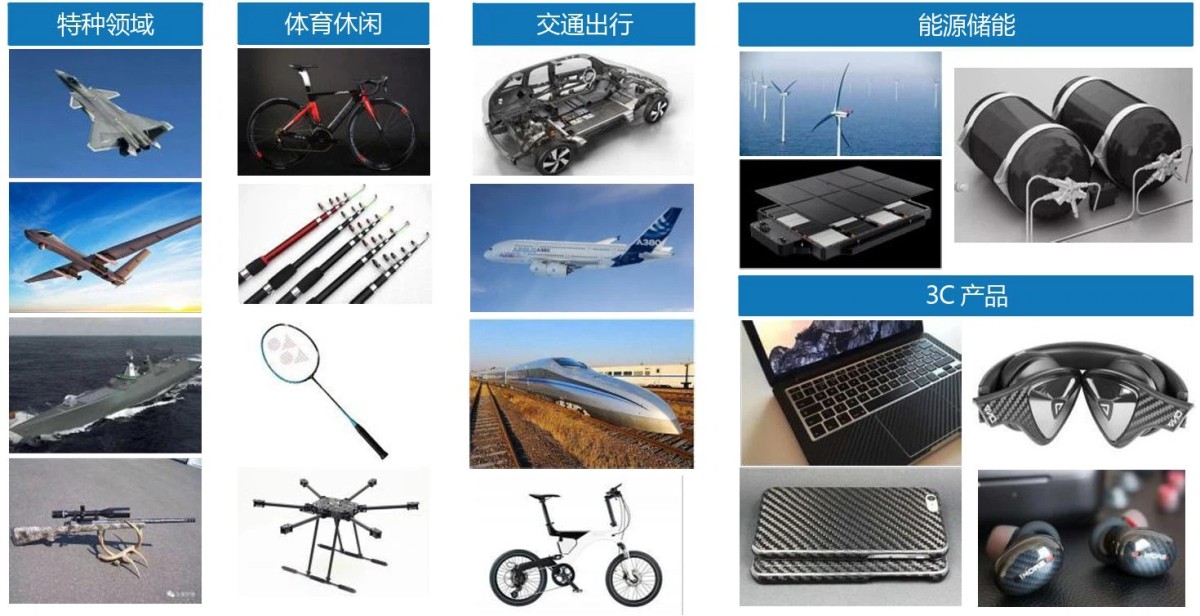
• Aircraft body, tail, and fuselage; Automotive engines, synchronizers, engine hoods, bumpers, decorative parts, etc.; Bicycle frame, wheels, faucet; Racket, silver basin; Kayaking and snowboarding; Various models, helmets, building reinforcements, watches, pens, luggage. Transportation: automobiles, buses, oil tankers, storage tanks, liquefied gas cylinders.
·Carbon fiber fabric can be made into different widths, with each roll wrapped around a suitable cardboard tube with an inner diameter of 100mm, and then placed in a polyethylene bag,
·Secure the entrance of the bag and pack it into a suitable cardboard box. According to the customer's request, the product can be packaged in cardboard boxes or transported in packaging,
·In tray packaging, products can be placed horizontally on the tray and secured with packaging tape and shrink wrap.
·Transportation: sea or air freight
·Delivery time: Within 15 days after receiving the advance payment
Carbon Fiber K Grades Explained
One of the ways that carbon fiber is classified is based on its "grade," which is determined by the number of fibers used in each strand of the material. This article will provide an in-depth explanation of the different carbon fiber grades, including 1K, 2K, 3K, 6K, 12K, and 24K.
1K Carbon Fiber
1K carbon fiber refers to a single strand of carbon fiber that has not been woven into a fabric. 1K carbon fiber is the most basic form of carbon fiber, and is typically used as a reinforcement for other materials. Due to its lack of woven structure, 1K carbon fiber is not as strong as other grades of carbon fiber, but it is still stronger than traditional materials such as steel.
2K Carbon Fiber
2K carbon fiber is created by twisting two 1K carbon fibers together. The result is a stronger material that has a higher resistance to breaking. 2K carbon fiber is often used as a reinforcement for composite materials in applications that require additional strength, such as in aircraft or automotive parts.
3K Carbon Fiber
3K carbon fiber is created by twisting three 1K carbon fibers together. The result is a material that is even stronger and more resistant to breaking than 2K carbon fiber. 3K carbon fiber is commonly used in high-performance applications such as racing bicycles or aircraft components.
6K Carbon Fiber
6K carbon fiber is created by twisting six 1K carbon fibers together. The result is a material that is significantly stronger than 3K carbon fiber. 6K carbon fiber is often used in applications that require the highest level of strength and durability, such as in military equipment or high-performance sports equipment.
12K Carbon Fiber
12K carbon fiber is created by twisting twelve 1K carbon fibers together. This grade of carbon fiber is even stronger than 6K carbon fiber, making it ideal for applications that require the highest level of strength and durability. 12K carbon fiber is typically used in high-end aerospace and military applications.
24K Carbon Fiber
24K carbon fiber is created by twisting twenty-four 1K carbon fibers together. This grade of carbon fiber is the strongest available, and is used in applications that require exceptional strength and durability, such as in spacecraft or high-performance race cars.
Product data
Other specifications can be customize made.
Send Inquiry
You Might Also Like
Categories