

The Difference Between PVC Geomembrane And HDPE Geomembrane
Jul 20, 2024
Leave a message
PVC geomembrane and HDPE (High-Density Polyethylene) geomembrane are two commonly used geosynthetic materials, widely applied in impermeability projects. Both have their respective advantages and disadvantages in terms of performance, specifications, characteristics, and construction. Here is a detailed analysis:
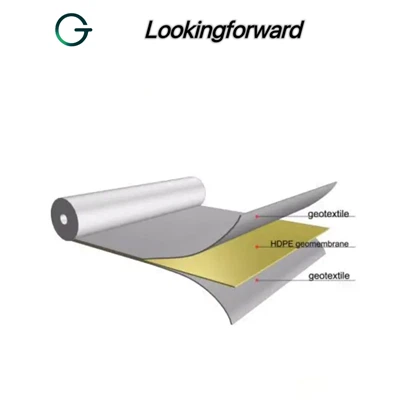

I. Performance Comparison
Chemical Resistance
HDPE Geomembrane: HDPE has excellent chemical resistance, able to withstand most chemical substances (acids, bases, salts), making it suitable for various environments.
PVC Geomembrane: PVC's chemical resistance is slightly inferior to HDPE, especially against certain organic solvents and strong acids and bases.
UV Resistance
HDPE Geomembrane: HDPE has good UV resistance and does not age quickly when exposed to sunlight, giving it a longer lifespan.
PVC Geomembrane: PVC's UV resistance is poor and requires the addition of anti-aging agents; otherwise, it ages quickly and has a shorter lifespan.
Low-Temperature Resistance
HDPE Geomembrane: HDPE maintains good toughness in low-temperature environments and is not prone to cracking.
PVC Geomembrane: PVC becomes brittle at low temperatures, affecting its lifespan and performance.
II. Specification Comparison
Tensile Strength
HDPE Geomembrane: Typical tensile strength is 20-30 MPa.
PVC Geomembrane: Typical tensile strength is 15-25 MPa.
Elongation at Break
HDPE Geomembrane: Elongation at break is generally over 500%, exhibiting excellent ductility.
PVC Geomembrane: Elongation at break is 200-400%, with good ductility, but not as high as HDPE.
Tear Resistance
HDPE Geomembrane: High tear resistance, suitable for various high-stress environments.
PVC Geomembrane: Lower tear resistance, suitable for lower stress environments.
III. Characteristics Comparison
Flexibility
HDPE Geomembrane: HDPE is relatively hard with average flexibility, but appropriate thickness design in engineering applications can overcome this.
PVC Geomembrane: PVC is relatively soft with good flexibility, making it easy to install and lay.
Environmental Impact
HDPE Geomembrane: HDPE is non-toxic and harmless, not producing harmful substances during use.
PVC Geomembrane: PVC may release harmful substances like chlorine gas and plasticizers during production and use, having some environmental impact.
IV. Construction Comparison
Welding
HDPE Geomembrane: Excellent welding performance, with dual-track hot wedge welding machines ensuring high-quality welds and seam strength higher than the membrane itself.
PVC Geomembrane: Good welding performance, but due to PVC characteristics, higher requirements for welding technology and equipment, and welding quality issues can easily occur.
Laying
HDPE Geomembrane: Laying requires attention to its relatively hard characteristics, making handling edges and complex shapes more difficult.
PVC Geomembrane: Easier to lay, especially in handling complex terrains and edges.
V. Application Field Comparison
HDPE Geomembrane:
Widely used in landfill sites, wastewater treatment plants, mining tailings dams, and other projects with harsh environmental conditions.
Suitable for projects exposed to long-term sunlight.
PVC Geomembrane:
Suitable for underground projects, water tanks, canals, and other areas with low chemical corrosion requirements.
Applied more in projects requiring high flexibility and complex shape handling.
VI. Specific Data Comparison
| Performance Indicator | HDPE Geomembrane | PVC Geomembrane |
|---|---|---|
| Tensile Strength | 20-30 MPa | 15-25 MPa |
| Elongation at Break | >500% | 200-400% |
| Tear Resistance | High | Low |
| Chemical Resistance | Excellent | Good |
| UV Resistance | Excellent | Poor |
| Low-Temperature Resistance | Excellent | Poor |
| Flexibility | Average | Excellent |
| Environmental Impact | Excellent | Average |
| Welding Performance | Excellent | Good |
| Laying Difficulty | High | Low |
Conclusion
HDPE geomembrane has significant advantages in chemical resistance, UV resistance, low-temperature resistance, and environmental friendliness, making it suitable for harsh environments and projects exposed for long periods. PVC geomembrane, on the other hand, performs better in flexibility and construction convenience, making it suitable for complex terrains and projects with lower impermeability requirements. When selecting a geomembrane, it is essential to consider the specific engineering requirements and environmental conditions to choose the most suitable material.
Qingdao looking forward have both hdpe and pvc geomembrane, and have exported to many countries for many years.
If you need HDPE or PVC geomembrane, come to us now!
