

What materials are used for China Gabion?
Jan 13, 2026
Leave a message
Hey there! As a China Gabion supplier, I'm super excited to chat with you about the materials used for China Gabions. Gabions are those wire cages filled with stones or other materials, and they're used for all sorts of cool projects, like erosion control, retaining walls, and landscaping.
The Basics of Gabion Materials
Let's start by talking about the basic materials that make up a gabion. The main components are the wire mesh and the infill material.
Wire Mesh
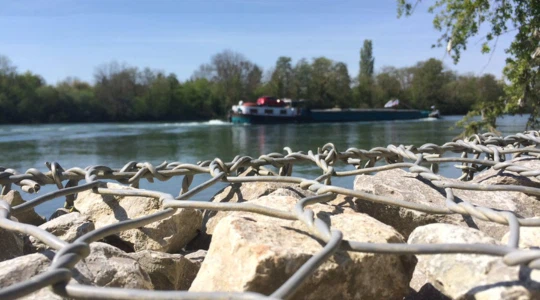
The wire mesh is the frame of the gabion. It holds everything together and gives the structure its shape. In China, we commonly use galvanized steel wire for gabions. Galvanized steel is steel that has been coated with a layer of zinc to protect it from rust and corrosion. This makes it super durable, especially when it's exposed to the elements.
Another popular option is PVC-coated wire. PVC is a type of plastic that adds an extra layer of protection to the wire. It not only makes the wire more resistant to corrosion, but it also gives the gabion a nicer appearance. You can find PVC-coated wire in different colors, which can be really handy if you're looking to match the gabion with your landscaping.
Infill Material
The infill material is what goes inside the wire mesh. It provides the weight and stability that make gabions so effective. There are several types of infill materials used in China Gabions, and the choice depends on the specific application and the availability of materials.
One of the most common infill materials is crushed stone. Crushed stone comes in different sizes and shapes, and it's very easy to find. It's also heavy, which means it provides a lot of stability. You can use crushed stone for a variety of projects, from small garden gabions to large retaining walls.
Another option is river stones. River stones are smooth and round, and they have a natural, attractive look. They're often used in landscaping projects where aesthetics are important. However, they're not as heavy as crushed stone, so they may not be the best choice for high-stress applications.
In some cases, people also use recycled materials as infill, such as concrete rubble or broken bricks. This is a great way to reduce waste and save money. However, it's important to make sure that the recycled materials are clean and free of contaminants.
Specific Applications and Material Choices
Gabion Retaining Wall
Gabion retaining walls are a popular way to hold back soil and prevent erosion. When it comes to building a Gabion Retaining Wall, the choice of materials is crucial.
For the wire mesh, galvanized steel is usually the best option. It can withstand the pressure and tension exerted by the soil behind the wall. The gauge of the wire (thickness) depends on the height and length of the wall. Generally, a thicker wire is used for taller walls.
As for the infill material, crushed stone is a top choice. It provides the necessary weight and drainage to keep the wall stable. The size of the crushed stone should be large enough to prevent it from falling through the wire mesh but small enough to fill the gaps and provide good compaction.
Gabion Basket
Gabion baskets are smaller gabions that are often used for decorative purposes, such as creating flower beds or water features. When making a Gabion Basket, you have more flexibility in terms of materials.
You can use PVC-coated wire for the mesh if you want a more colorful and decorative look. For the infill, river stones or colored glass can create a really unique and eye-catching effect. You can also mix different materials to add variety.
Why Choose Chinese Gabion Materials
Now, you might be wondering why you should choose Chinese gabion materials. Well, there are several reasons.

First of all, China has a large and well-developed steel industry. This means that we have access to high-quality steel at a reasonable price. Our galvanized steel wire is made using advanced manufacturing processes, which ensures its durability and reliability.
Secondly, China has abundant natural resources, such as stone and gravel. This makes it easy to source the infill materials locally, which reduces the cost and the environmental impact of transportation.
Finally, Chinese gabion suppliers are known for their excellent craftsmanship and attention to detail. We take pride in producing gabions that meet the highest standards of quality and safety.
How to Choose the Right Materials for Your Project
When choosing materials for your gabion project, there are a few things to consider.
First, think about the purpose of the gabion. Is it for a retaining wall, erosion control, or decoration? This will help you determine the strength and durability requirements of the materials.
Second, consider the environment. If the gabion will be exposed to harsh weather conditions or corrosive substances, you'll need to choose materials that can withstand these elements.
Finally, think about your budget. Different materials have different costs, so you'll need to find a balance between quality and affordability.
Contact Us for Your Gabion Needs
If you're interested in purchasing China Gabions for your project, I'd love to hear from you. We offer a wide range of gabion products made from high-quality materials. Whether you need a small gabion basket for your garden or a large Gabion Retaining Wall for a construction project, we've got you covered.
Just drop me a message, and we can discuss your specific requirements. We can help you choose the right materials, provide you with a quote, and ensure that your order is delivered on time. Let's work together to make your project a success!
References
- ASTM International. (2021). Standard Specification for Zinc-Coated (Galvanized) Steel Wire for Fences. ASTM A121/A121M - 19.
- Smith, J. (2018). Gabion Construction Manual. Green Earth Publications.