
Geotextiles, as a crucial geosynthetic material, are widely used in civil engineering, hydraulic engineering, and environmental protection projects. Their functions include reinforcement, filtration, drainage, protection, and separation. This article aims to delve into the various technical indicators for selecting geotextiles and provide detailed references and guidance for engineers and designers through specific cases and data analysis.
Part 1: Basic Classification and Characteristics of Geotextiles
1.1 Basic Classification of Geotextiles
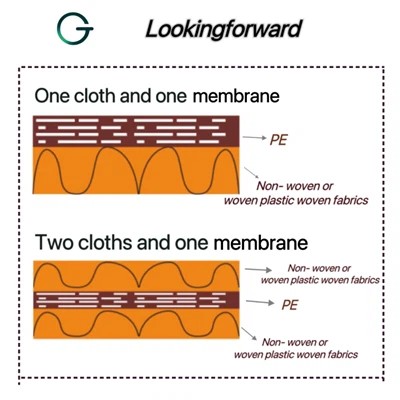
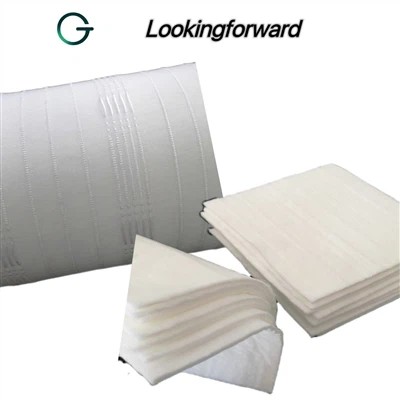
Geotextiles are primarily classified into non-woven and woven geotextiles. Non-woven geotextiles are made by bonding fibers together through mechanical, chemical, or thermal methods, while woven geotextiles are made by weaving yarns together.
Non-woven Geotextiles: Manufacturing methods include needle punching, thermal bonding, chemical bonding, and water entanglement. Non-woven geotextiles have good filtration, drainage, and separation properties.
Woven Geotextiles: These include machine-woven and knitted geotextiles. They are characterized by high tensile strength and deformation resistance, making them suitable for projects requiring high strength and stability.
1.2 Main Characteristics of Geotextiles
The main characteristics of geotextiles include mechanical properties, physical properties, and durability.
Mechanical Properties:
Tensile Strength: The maximum tensile force per unit area, usually expressed in kN/m.
Tear Strength: The material's resistance to tearing under localized force.
Puncture Strength: The material's resistance to being punctured by sharp objects.
Physical Properties:
Thickness: The material's thickness typically ranges from 0.1mm to 5mm.
Mass per Unit Area: The material's mass per unit area, usually expressed in g/m².
Permeability: The resistance of the material when water flows through it.
Durability:
UV Resistance: The material's aging rate under UV radiation.
Chemical Resistance: The material's stability in acidic and alkaline environments.
Abrasion Resistance: The material's wear rate under friction.
Part 2: Key Technical Indicators for Geotextile Selection
2.1 Tensile Strength and Elongation at Break
Tensile strength and elongation at break are key indicators for evaluating the mechanical properties of geotextiles. Geotextiles with high tensile strength are suitable for projects requiring high load-bearing capacity, while those with high elongation at break can maintain integrity under large deformations.
Tensile Strength Testing Method: Usually follows ASTM D4595 standards, involving fixing the specimen's ends and applying tensile force until the specimen breaks.
Elongation at Break Testing Method: Conducted simultaneously with tensile strength testing, measuring the specimen's elongation from initial length to break.
Case Analysis: In a highway subgrade reinforcement project, a woven polypropylene geotextile with a tensile strength of 60 kN/m was selected. Test data showed that after 5 years of construction, the subgrade settlement was reduced by about 40%, significantly improving road stability and service life.
2.2 Permeability and Filtration Performance
The permeability and filtration performance of geotextiles directly affect their effectiveness in drainage and protection applications. Geotextiles with good permeability can effectively drain groundwater, preventing water accumulation and soil erosion.
Permeability Testing Method: Follows ASTM D4491 standards, testing the geotextile's permeation rate under a certain water pressure.
Filtration Performance Testing Method: Uses ASTM D4751 standards to test the geotextile's pore size distribution and effective pore size.
Case Analysis: In a river channel improvement project, a non-woven geotextile with a permeability of 5×10^-4 cm/s was used. After construction, soil erosion on both sides of the river significantly reduced, the infiltration rate of river water improved markedly, and the project yielded good results.
2.3 Durability
The durability of geotextiles mainly includes UV resistance, chemical resistance, and abrasion resistance. These properties determine the stability and durability of geotextiles in long-term use.
UV Resistance Testing Method: Follows ASTM D4355 standards, testing the strength retention of geotextiles under UV exposure.
Chemical Resistance Testing Method: Involves immersing the geotextile in different concentrations of acid and alkaline solutions to test its mechanical property changes.
Abrasion Resistance Testing Method: Follows ASTM D4886 standards, testing the geotextile's weight loss under friction.
Case Analysis: In a landfill liner project, a polyester non-woven geotextile with strong UV resistance was used. After 10 years of use, the geotextile maintained over 90% of its strength in acidic and alkaline environments, effectively preventing leachate leakage and ensuring environmental safety.
Part 3: Economic and Environmental Impact Analysis of Geotextile Selection
3.1 Economic Analysis
Geotextile selection should consider not only technical indicators but also economic analysis. The prices of different types and specifications of geotextiles vary greatly, and comprehensive evaluations based on project requirements and budgets are necessary.
Cost-effectiveness Analysis: Compare the initial cost, maintenance cost, and service life of different geotextiles to select the most cost-effective material.
Project Case: In a municipal road renovation project, after a cost-effectiveness analysis, a non-woven polypropylene geotextile with a mass per unit area of 200 g/m² was selected. Although the initial cost was higher, its excellent durability and low maintenance cost reduced the total cost by about 20%.
3.2 Environmental Impact Analysis
The production, use, and disposal of geotextiles can impact the environment. Choosing environmentally friendly geotextiles helps reduce the negative environmental impact of projects.
Environmental Friendliness during Production: Prefer geotextiles made from renewable raw materials and environmentally friendly production processes.
Environmental Friendliness during Use: Choose durable geotextiles that do not release harmful substances, reducing environmental pollution.
Environmental Friendliness during Disposal: Prefer recyclable or easily degradable geotextiles, reducing waste generation.
Case Analysis: In an ecological wetland protection project, biodegradable polylactic acid (PLA) non-woven geotextiles were used. After two years of use, the geotextiles gradually degraded into harmless substances, having minimal impact on the wetland ecosystem and achieving good environmental results.
Part 4: Case Analysis and Application Examples
4.1 Application in Road Foundation Engineering
Case: Highway Expansion Project
Project Background: The highway is located in a high-altitude area, and the subgrade is prone to freeze-thaw cycles, leading to road settlement and cracks.
Selection Analysis: After detailed technical and economic analysis, a polyester woven geotextile with a tensile strength of 80 kN/m was selected for subgrade reinforcement.
Construction Process: The geotextile was laid on the subgrade, compacted, and backfilled.
Effect Evaluation: After 5 years of operation, subgrade settlement was reduced by about 50%, road cracks were significantly reduced, and the project quality and service life were significantly improved.
4.2 Application in Hydraulic Engineering
Case: River Bank Protection Project
Project Background: The riverbank is subject to erosion by water flow, leading to soil erosion and collapse.
Selection Analysis: A non-woven polypropylene geotextile with a permeability of 3×10^-4 cm/s and a mass per unit area of 300 g/m² was selected for bank protection.
Construction Process: The geotextile was laid on the slope surface, fixed, and covered with protective materials.
Effect Evaluation: After construction, soil erosion was significantly reduced, stability was significantly improved, river flow was unobstructed, and the expected effect was achieved.
4.3 Application in Environmental Protection Engineering
Case: Landfill Liner Project
Project Background: Landfill leachate can easily contaminate groundwater and requires effective liner treatment.
Selection Analysis: A non-woven polyester geotextile with strong chemical resistance and a mass per unit area of 400 g/m² was selected as the liner.
Construction Process: The geotextile was laid at the bottom and sides of the landfill, sealed, and protected.
Effect Evaluation: After 10 years of use, the geotextile maintained good liner performance, reducing leachate leakage by about 90% and effectively protecting the groundwater environment.
Part 5: Conclusion and Recommendations
Geotextile selection is a complex and critical process involving multiple aspects of technical indicators, economic and environmental impact analysis. Through scientific and reasonable selection, project quality and service life can be effectively improved, costs reduced, and negative environmental impacts minimized.
5.1 Selection Recommendations
Clarify Project Requirements: Select appropriate geotextile types and specifications based on specific project needs.
Comprehensive Technical Indicators: Consider key technical indicators such as tensile strength, permeability, and durability for a comprehensive evaluation.
Conduct Economic Analysis: Compare the cost-effectiveness of different geotextiles to select the most cost-effective material.
Focus on Environmental Performance: Choose environmentally friendly geotextiles to reduce environmental impact.
5.2 Future Development Directions
With technological advancements, the performance and application range of geotextiles will continue to expand. Future research and development should focus on the following areas:
Development of New Materials: Such as nanomaterials and high polymer composites to enhance the comprehensive performance of geotextiles.
Intelligent Geotextiles: Combine sensing technology and intelligent control technology to develop geotextiles capable of real-time monitoring and feedback of project status.
Environmental Protection and Sustainable Development: Promote the use of renewable, biodegradable environmentally friendly materials to reduce negative environmental impacts.
As an enterprise with over 20 years of experience in geotextile production, our products are widely exported to multiple countries. If you have any geotextile needs or technical construction issues, come to us now!