
‹
›
 facebook
 twitter
 linkedin
 google+
Description
Introduction
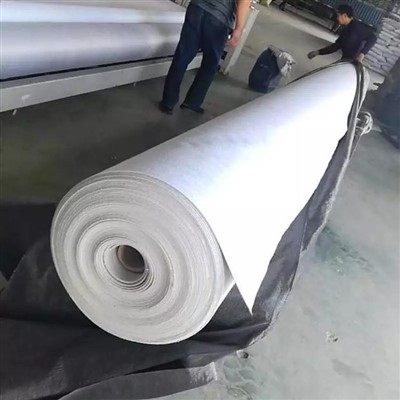
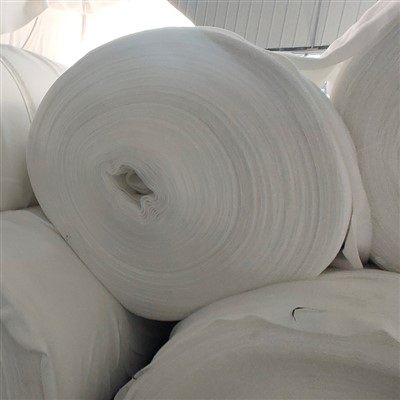
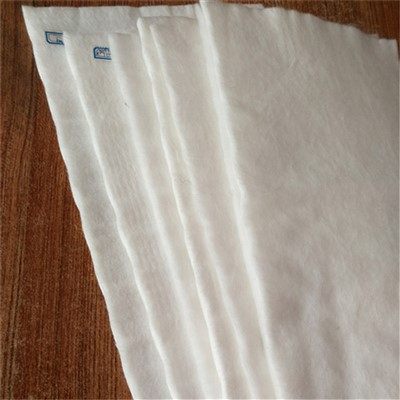
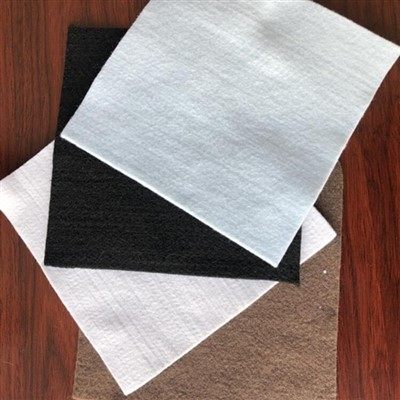
Needle punched geotextiles are synthetic fiber materials manufactured through mechanical needling processes. They are widely used in civil engineering, environmental protection, and infrastructure construction. Their high strength, durability, and versatility make them advantageous for soil reinforcement, drainage, filtration, and protection. This article provides a detailed overview of the composition, technical parameters, application areas, installation process, and advantages of needle punched geotextiles.
Material Composition
Synthetic Fibers: Needle punched geotextiles are typically made from high-strength, chemically resistant synthetic fibers such as polypropylene (PP) or polyester (PET). These fibers are interlocked through a needling process, forming a uniform three-dimensional network structure.
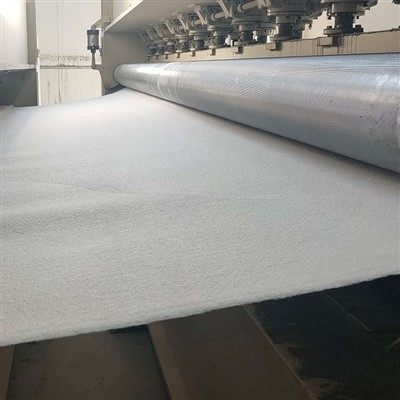
Needling Process: Special mechanical equipment is used to drive thousands of needles through the fiber layers, interlocking the fibers to form geotextiles with high tensile strength and durability. This process enhances the physical properties of the geotextile, ensuring its stability during construction and long-term use.
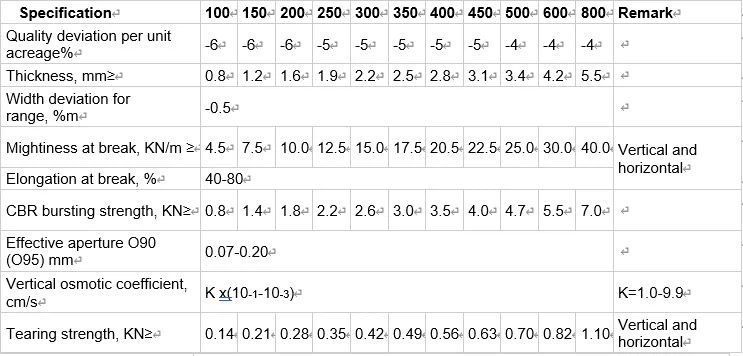
Technical Parameters
Application Areas
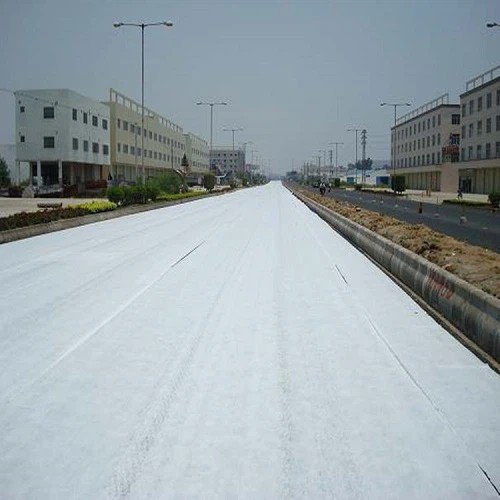
Soil Reinforcement: Needle punched geotextiles are used as reinforcement materials in road and railway construction to improve the stability and load-bearing capacity of the foundation layers. Their high tensile strength and durability effectively distribute loads and prevent subgrade settlement and deformation.
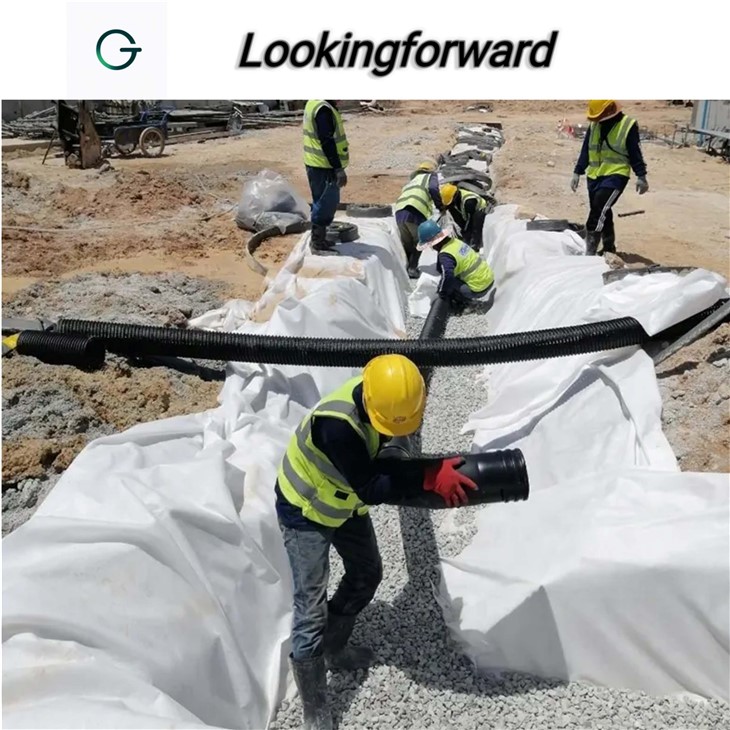
Drainage and Filtration: In dams, tunnels, and underground drainage systems, needle punched geotextiles act as filtration materials, preventing soil particles from entering drainage systems while allowing water to pass freely, ensuring efficient drainage and preventing soil erosion.
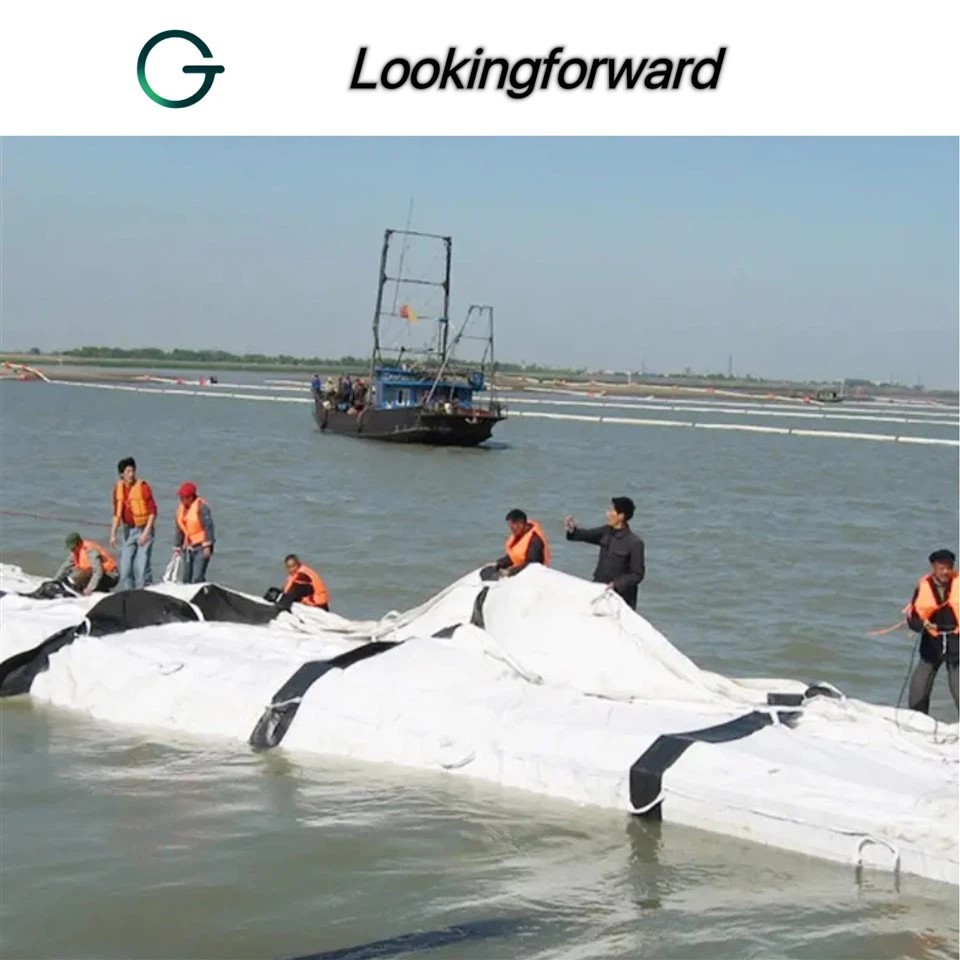
Protection: Needle punched geotextiles are used to protect embankments, slopes, and riverbanks from water erosion and soil loss. Their high strength and durability ensure long-term protection, reducing maintenance costs.
Separation: In road and parking lot construction, needle punched geotextiles serve as separation layers, preventing the mixing of different soil layers and maintaining the integrity of each layer, extending the service life of the pavement.
Environmental Protection: In landfills and contaminated land remediation projects, needle punched geotextiles act as barrier layers, preventing harmful substances from seeping into groundwater and protecting the environment and human health.
Installation Process
Site Preparation: Ensure the construction site is level, free of sharp objects, and compacted to provide a stable base. Determine the laying area and method according to project design requirements.
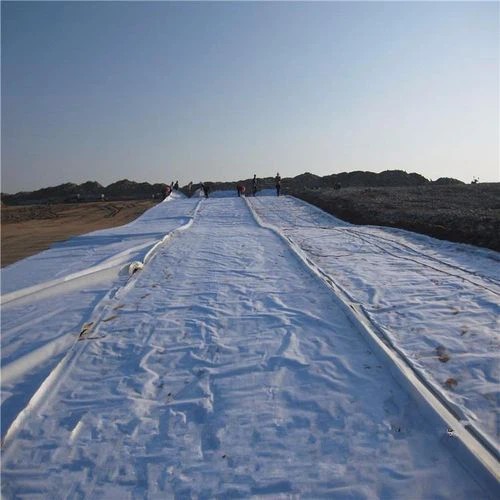
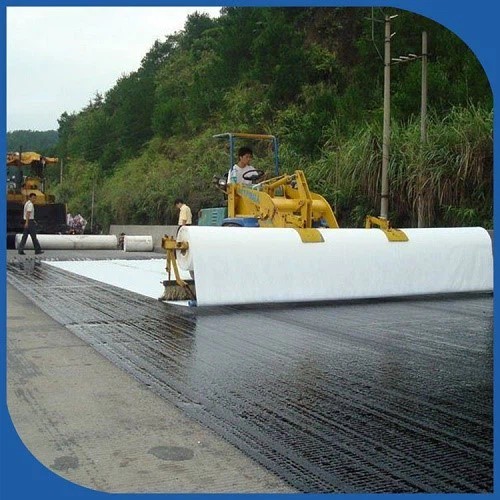
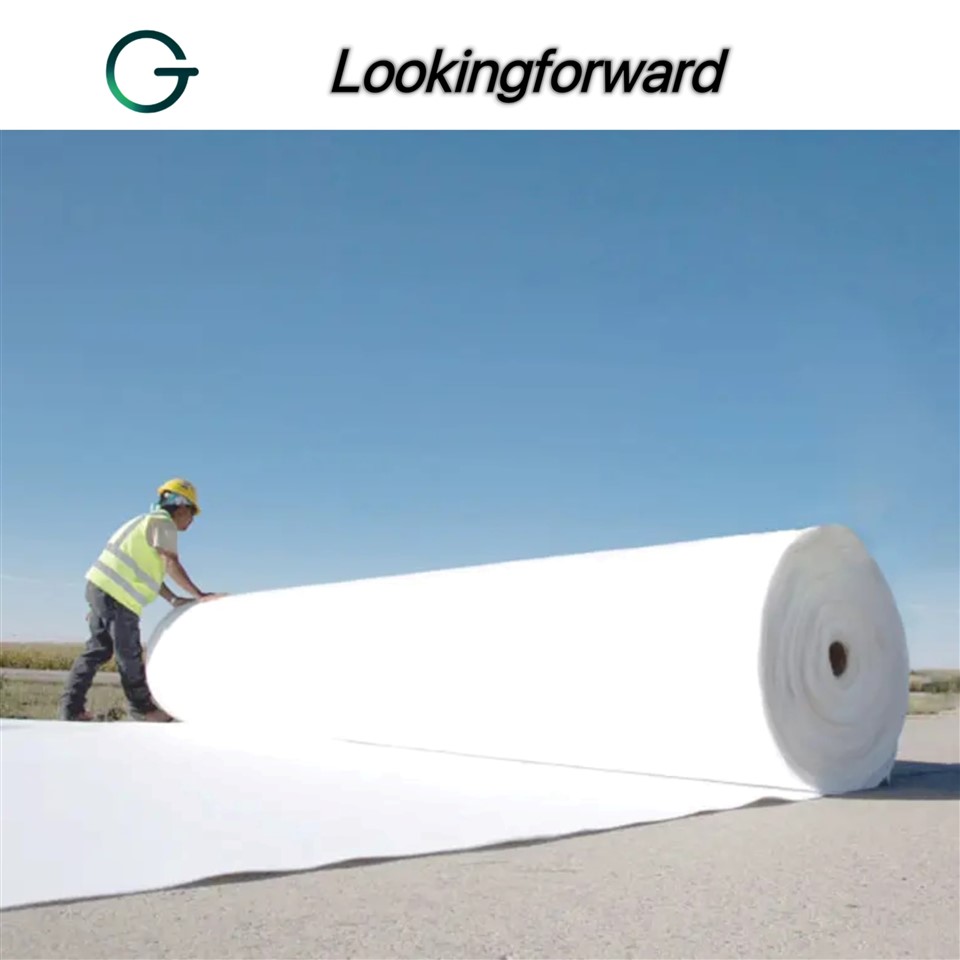
Unrolling the Geotextile: Unroll the needle punched geotextile onto the prepared base, ensuring alignment and no wrinkles. Adjacent panels should overlap by at least 30 cm to ensure continuous coverage.
Fixing and Seaming: Secure the edges and seams of the geotextile with nails, anchors, or sandbags to prevent movement or curling during construction. In special cases, additional stitching or thermal bonding techniques may be used to reinforce seams.
Cover Layer Placement: According to project requirements, place a cover material such as soil, sand, or gravel over the needle punched geotextile to provide additional protection and support. Ensure the cover layer is evenly distributed to avoid exposure and damage to the geotextile.
Inspection and Maintenance: Conduct thorough inspections after installation to ensure no damage or misalignment. Repair or replace any damaged areas promptly. Regular maintenance and monitoring are required to ensure the long-term performance of the geotextile.
Advantages
High Strength and Durability: Needle punched geotextiles offer excellent tensile strength and durability, capable of withstanding high loads and complex environmental conditions.
Versatility: Needle punched geotextiles are widely applicable in soil reinforcement, drainage, filtration, protection, and separation, meeting various engineering needs.
Easy Installation: Needle punched geotextiles are lightweight and flexible, easy to handle and install, reducing construction time and labor costs.
Environmental Friendliness: Made from synthetic fibers, needle punched geotextiles are free of harmful substances, environmentally friendly, and recyclable, reducing environmental pollution.
Cost-Effectiveness: Compared to traditional engineering materials, needle punched geotextiles offer significant cost advantages in materials, transportation, and installation.
Case Studies
1. Highway Project in the United States
Project Background: A highway construction project in the United States required an efficient soil reinforcement and drainage solution to improve subgrade stability and extend pavement life.
Implementation: A needle punched geotextile with a unit area mass of 500 g/m² was selected and laid under the subgrade as a reinforcement and drainage layer. The project covered an area of 500,000 square meters.
Outcome: The needle punched geotextile successfully improved the load-bearing capacity and stability of the subgrade, preventing pavement settlement and cracking while ensuring efficient drainage, thereby extending the highway's service life.
2. Riverbank Protection Project in China
Project Background: A riverbank protection project in a Chinese city required an effective protection measure to prevent river erosion and soil loss.
Implementation: A needle punched geotextile with a unit area mass of 300 g/m² was selected and laid on the riverbank slope as a protection layer, covered by a 20 cm thick sand layer. The project covered an area of 100,000 square meters.
Outcome: The needle punched geotextile effectively prevented river erosion and soil loss, protecting the stability of the riverbank, improving the surrounding environment, and reducing maintenance costs.
Needle punched geotextiles, as an efficient and versatile geosynthetic material, play a significant role in civil engineering and environmental protection. Their high strength, durability, and diverse applications make them an ideal choice for soil reinforcement, drainage, filtration, protection, and separation projects.
For more information about needle punched geotextiles and how they can benefit your project, please contact us. Our team of experts is ready to provide detailed guidance and support to meet your specific needs.
GB/T17639-2008
Send Inquiry
You Might Also Like
Categories